International Pet Travel: The Microchip, Passport, and Vaccine Requirements You Need to Know
Airlines have opened the door to pet travel in a big way, but border control has tightened its grip just as quickly. A ticket gets booked in minutes, yet one overlooked detail can stop a pet at check-in or worse, at arrival. A date mismatch, a missing number, or a document issued too early can trigger delays, quarantine, or a denied entry stamp.
In April 2026, updated European Union rules placed heavier scrutiny on documentation accuracy, especially around microchip and vaccine sequencing. This change tells you everything you need to know about modern pet travel. It’s no longer about having the right pieces, but about having them line up perfectly.
The Microchip Comes First, Every Time
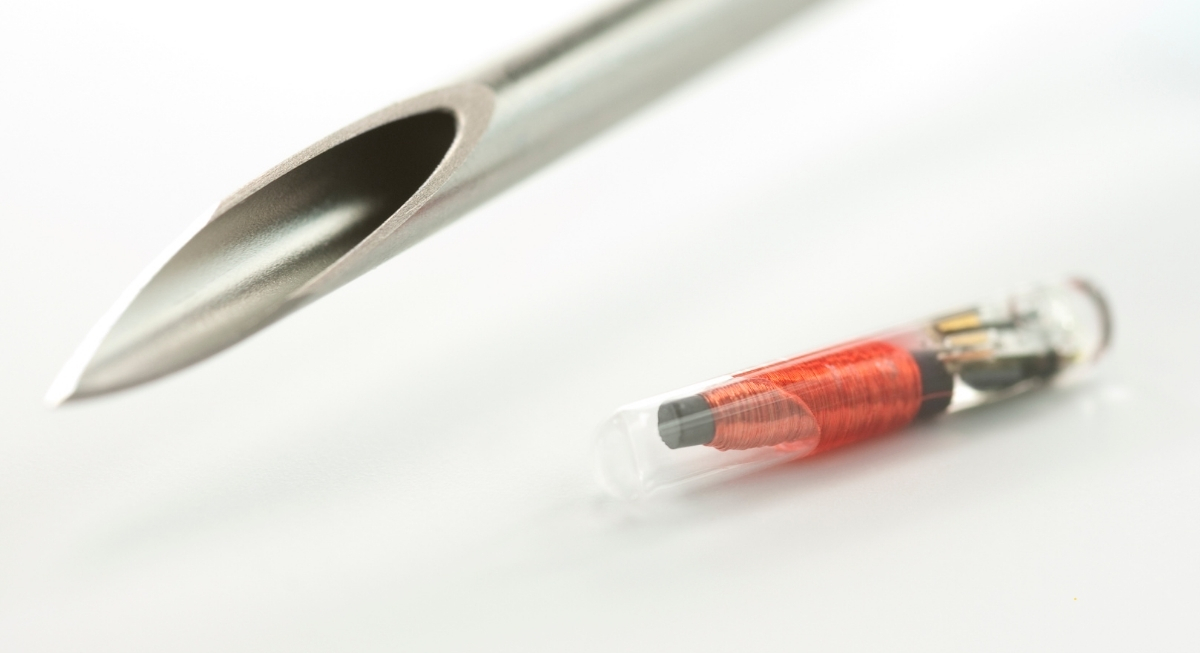
Image via Getty Images/youngvet
The microchip is the anchor for everything else. It’s a tiny device, usually ISO 11784 or 11785-compliant, that carries a 15-digit number linking your pet to every document that follows.
The microchip has to be implanted before the rabies vaccine used for travel. If the order is reversed, that vaccine may be rejected for entry into places like the EU. Under the 2026 updates, officials are paying closer attention to this sequence, cross-checking implantation dates against vaccination records and health certificates.
Before any travel planning, it’s worth confirming that the chip is readable, appears across key travel documents, and is registered with the current contact details.
Rabies Vaccines And Timing Rules That Catch People Off Guard
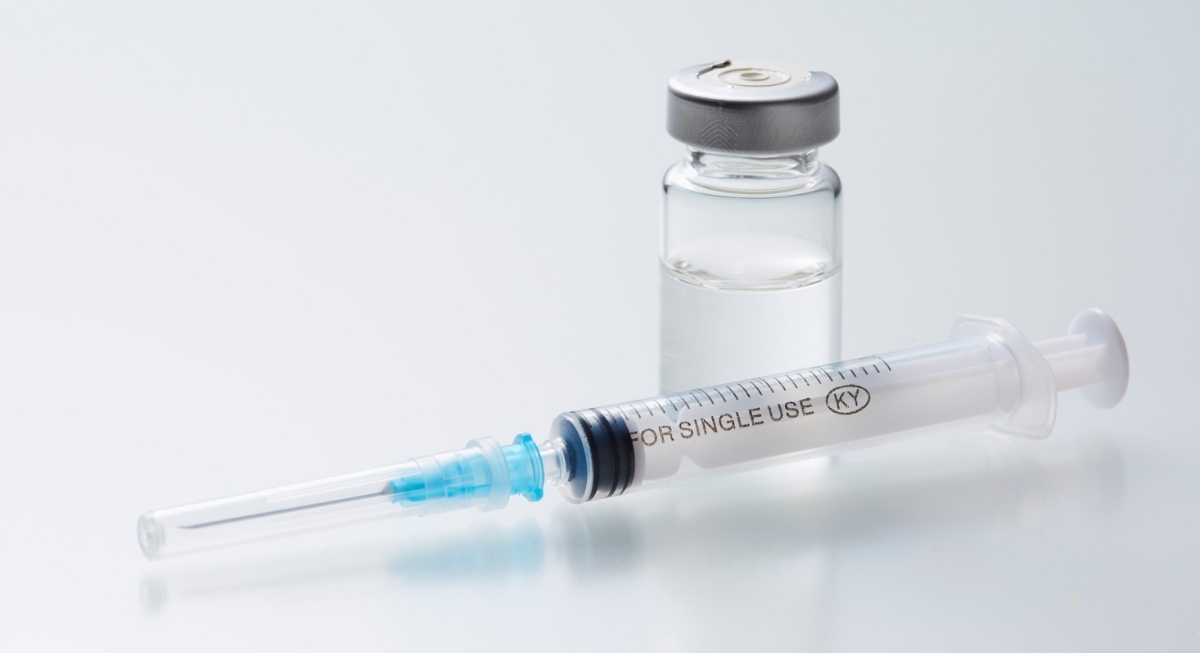
Image via Canva/Aflo Images
Rabies vaccination is a core international requirement for dogs and cats, but timing rules vary more than most expect. In many cases, the shot must be given at least 21 days before travel. Puppies under 12 weeks can’t even receive the vaccine, which means they’re unable to travel most international trips. The United States sets an even higher bar, requiring dogs to be at least six months old for entry.
Some destinations go further and require a rabies antibody titer test. This blood test checks that the vaccine worked, with a common threshold of 0.5 IU/mL. Once the result comes back, a waiting period often follows, sometimes up to six months. That waiting window is one of the biggest timeline disruptors in pet travel planning. Approved labs are also important. Tests processed outside recognized facilities can be rejected outright, which sends the process back to square one.
The So-Called Passport Isn’t What It Sounds Like

Image via iStockphoto/Valerii Vishniakov
A “pet passport” sounds simple, but it’s really a collection of documents that prove a pet meets entry rules. In the United Kingdom, for example, dogs traveling to the EU need an Animal Health Certificate. It typically runs 11 to 14 pages and must be issued within 10 days of travel, after the rabies waiting period is complete.
In the United States, a Certificate of Veterinary Inspection is similar to this, whereas in Australia, a more detailed export health certificate is required, tied to strict quarantine policies. The paperwork always ties back to the same core details: microchip number, vaccination history, and overall health status.
The Details That Tend To Trip People Up
Most issues don’t come from missing entire steps, but from small oversights. Booking flights before confirming document timelines is common. So is waiting too long to schedule a vet appointment, only to find the health certificate won’t line up with the departure date.
Return requirements also get overlooked. Dogs entering the United Kingdom after visiting parts of Europe, for instance, need tapeworm treatment within 24 to 120 hours before arrival. Missing that window can cause problems on the way home.
In the United Kingdom, preparing travel documents can take about four to six weeks and cost between £200 and £300, depending on vet fees and treatments. More complex destinations can stretch both the timeline and the budget. So costs and timing add another aspect to this.
Everything connects back to one idea, and each requirement builds on the last. When the order is right, the process feels manageable. When it’s off by even a small margin, it can derail the entire trip.