9 Tips for Introducing a New Cat to an Old Dog
Bringing a new cat into a home with a dog isn’t always simple. Even if your dog is friendly, their instincts may kick in around a smaller, unfamiliar animal. Cats, on the other hand, often feel unsafe when faced with a larger animal in their space. Rushing the process can lead to stress, fights, or long-term tension.
But with careful planning and attention to each pet’s comfort, peaceful cohabitation is absolutely possible. These tips focus on safety, gradual steps, and mutual respect, so your cat and dog get the best chance to adjust at their own pace, without fear or pressure.
Set Up a Room Exclusively for the Cat
Credit: pixelshot
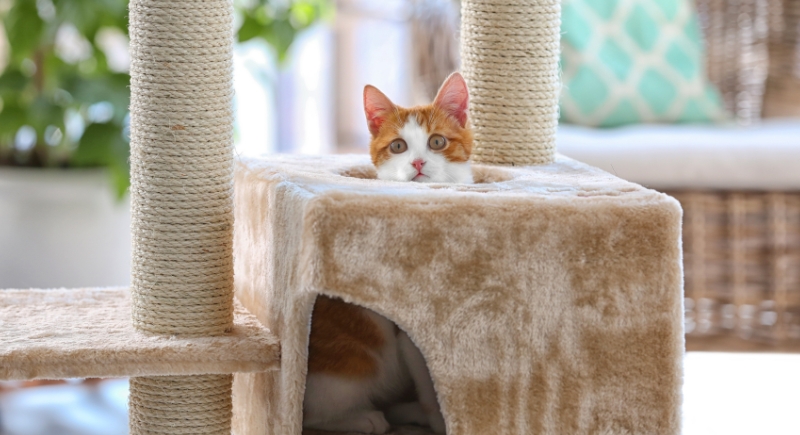
Keep the new cat in a closed, quiet room that the dog can’t access. This gives the cat space to settle and reduces early stress. Use a baby gate or door to fully separate the area. A minimum of three days is recommended before starting any direct interaction between pets.
Confirm the Cat Has a Clean Bill of Health

Credit: Canva
Before any meet-and-greet, bring the cat to the vet. Illness can trigger behavior that looks like fear or aggression. If something feels “off,” it’s better to rule out medical causes before assuming the problem is behavioral. This also protects the dog from catching any contagious diseases.
Introduce Scent Without Direct Contact
Credit Aflo Images
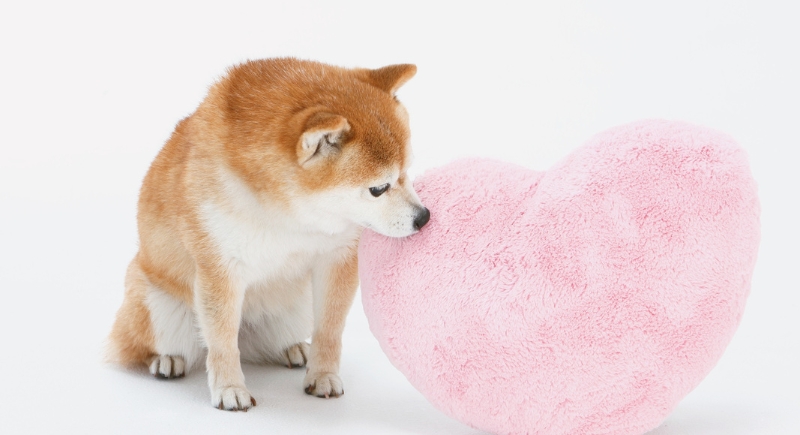
Place a blanket, toy, or towel carrying the cat’s scent in the dog’s space and vice versa. Scent-sharing helps both animals adjust neurologically to the presence of the other. This form of early contact helps dogs become familiar with their surroundings and allows cats to feel less threatened by invisible housemates.
Feed Each Pet on Opposite Sides of a Closed Door

Credit: Canva
Feed both pets near opposite sides of a closed door. They’ll hear and smell each other while eating, which builds positive associations. It may take days or even weeks, but over time, they’ll start to relax when the other is nearby. Move the bowls gradually closer to the door if things stay calm.
Let Each Animal Explore the Home Separately
Credit: Getty Images
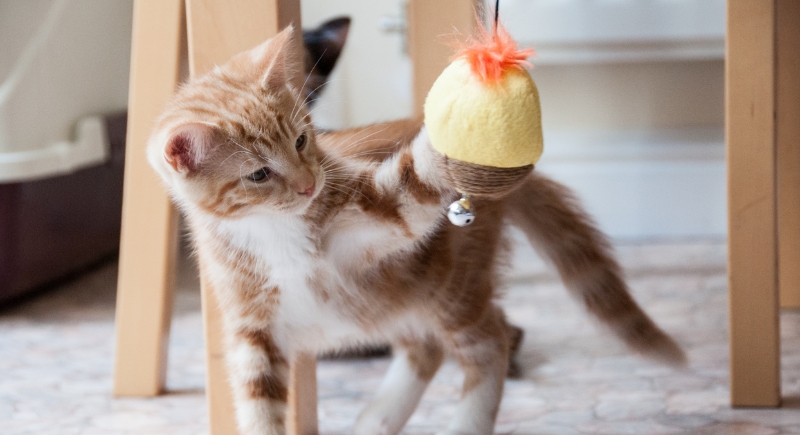
Rotate who gets access to shared spaces. Maybe the cat explores while the dog’s on a walk, then switch. This helps spread scent naturally without confrontation. Each animal learns where the other has been, which reduces the shock of seeing the other pet in what feels like “their” space.
Watch for Subtle Behavioral Warnings

Credit: Getty Images
Stress doesn’t always show up as growling or barking. A stiff posture, intense stare, or slow movements in dogs can signal fixation. Cats may freeze, flick their tail, or pin their ears. These are signs that the interaction is too intense and needs to be paused immediately.
Allow Brief Visual Contact Using a Barrier

Credit: pixabay
Once both animals seem relaxed about smells and sounds, let them see each other through a barrier. A gate, screen door, or cracked door works well. Keep the sessions short and low-key. If either pet starts pacing, whining, or staring hard, end it and try again later.
Use Controlled, Leashed Meetings in Neutral Spaces
Credit: Getty Images
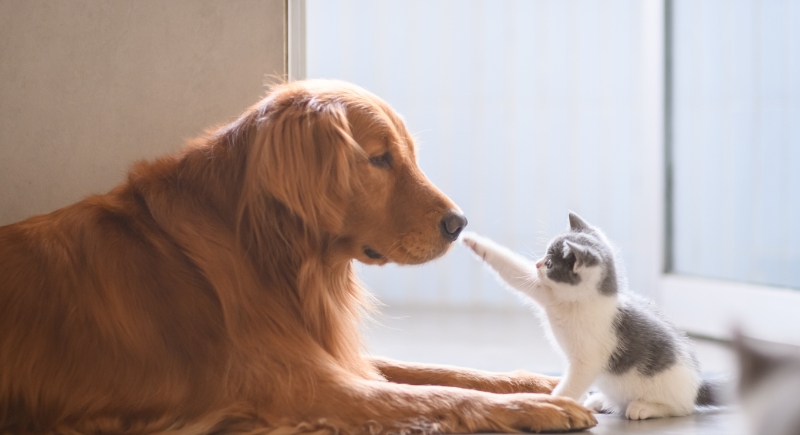
With early success at the barrier, begin short face-to-face introductions. Keep the dog on a loose leash and avoid confining the cat. Pick a space neither animal claims as their own. End the session if either pet becomes tense or vocal, or if either tries to retreat without pause.
Delay Leaving Pets Alone Until Habits Are Predictable
Credit: Getty Images
Supervised time should continue even after peaceful meetings. Provide the cat with safe vertical escape routes, such as a shelf or a tree. Don’t leave the two alone until both animals show consistent, relaxed behavior for multiple days in a row. Complete trust takes time—even weeks or months.