10 Mistakes People Make When Introducing a New Cat to a Resident Dog (Ranked by Damage)
Dogs and cats can make great roommates, but the introduction phase usually determines how peaceful things will be later on. Most problems start with small moments that people ignore at first. A stare across the hallway or an excited chase can quickly change the mood. Trainers and veterinarians repeatedly stress the importance of patience because repairing a damaged first impression takes far longer than preventing one.
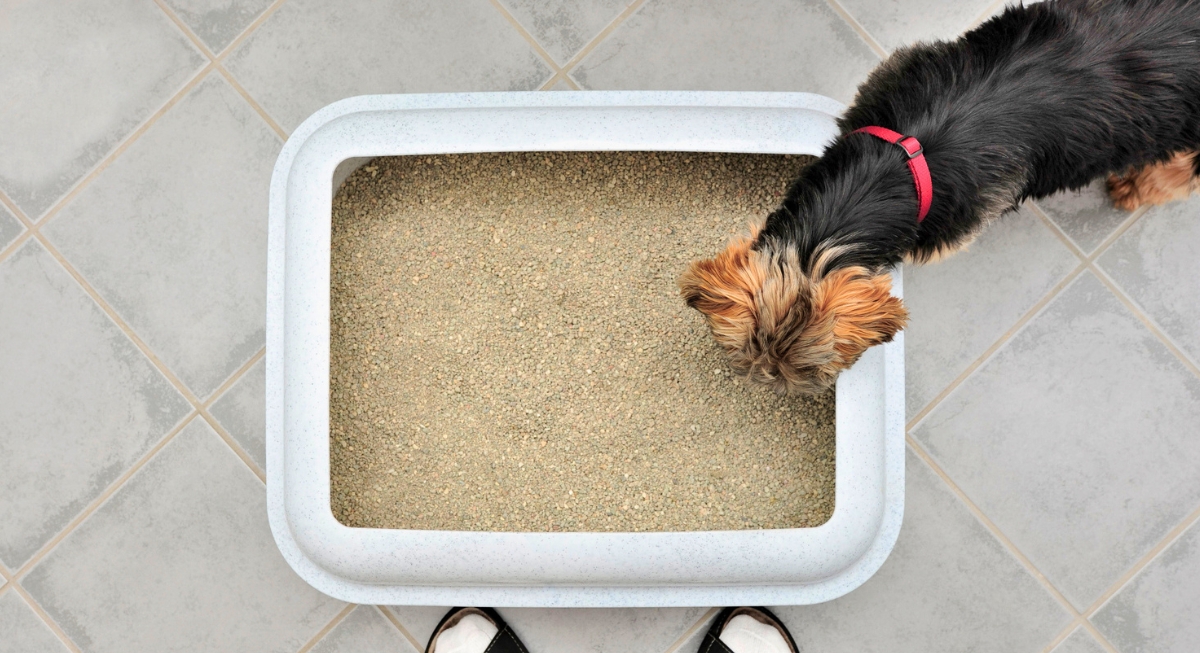
Letting the Dog Hover Around the Litter Box
Credit: iStockphoto
Cats want privacy when using the litter box. A dog sitting nearby or watching too closely can make a new cat so nervous that it may stop using the box altogether. Veterinarians often see stress-related litter problems after introductions start going badly. Baby gates with cat openings or a quiet, separate room usually solve the problem fast.
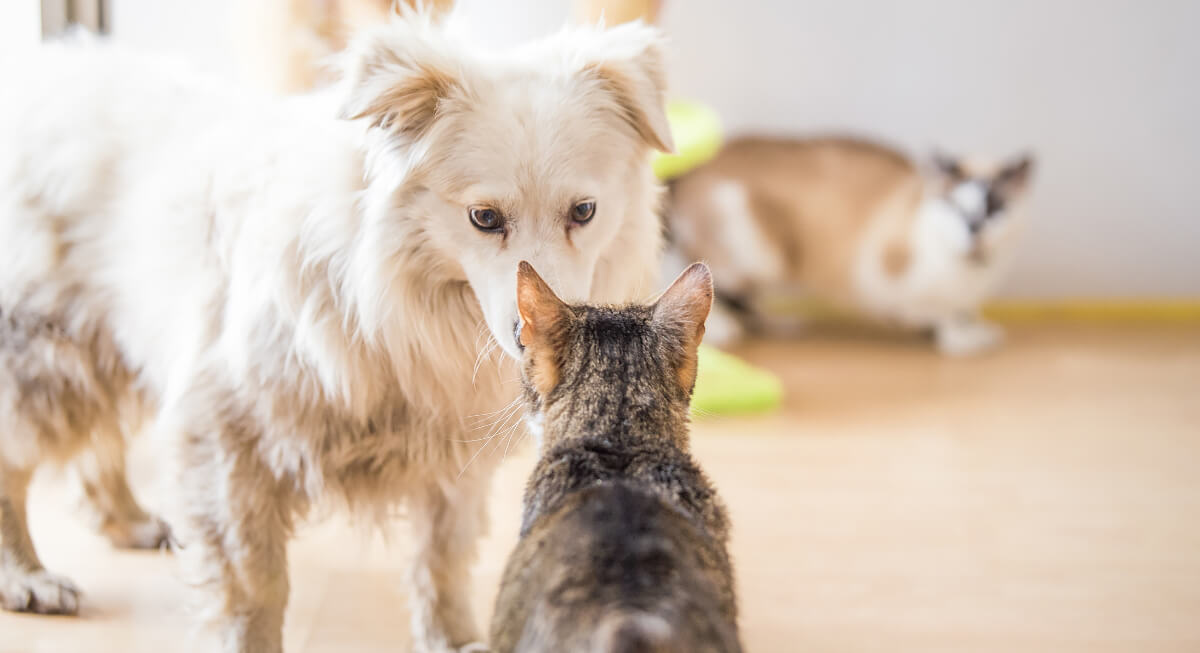
Treating the First Meeting Like a Big Event
Credit: Getty Images
A lot of owners turn the first introduction into a family moment with phones, noise, and too much excitement. That usually makes both animals more nervous right away. A barking dog or startled cat does not need an audience. Animal behaviorists usually recommend keeping the first meeting short, calm, and honestly a little boring. A separate low-traffic room usually works best.
Feeding Both Pets in the Same Spot

Credit: Getty Images
Dogs often finish meals quickly and wander toward the cat’s bowl out of curiosity. Cats dislike eating near animals they do not trust yet. Many stop eating normally after a few uncomfortable meals. Cats also prefer easy access to water without having to cross paths with dogs. Mealtime should feel predictable instead of competitive or stressful.
Assuming an Older Dog Will Automatically Stay Calm
Credit: chalabalaphotos
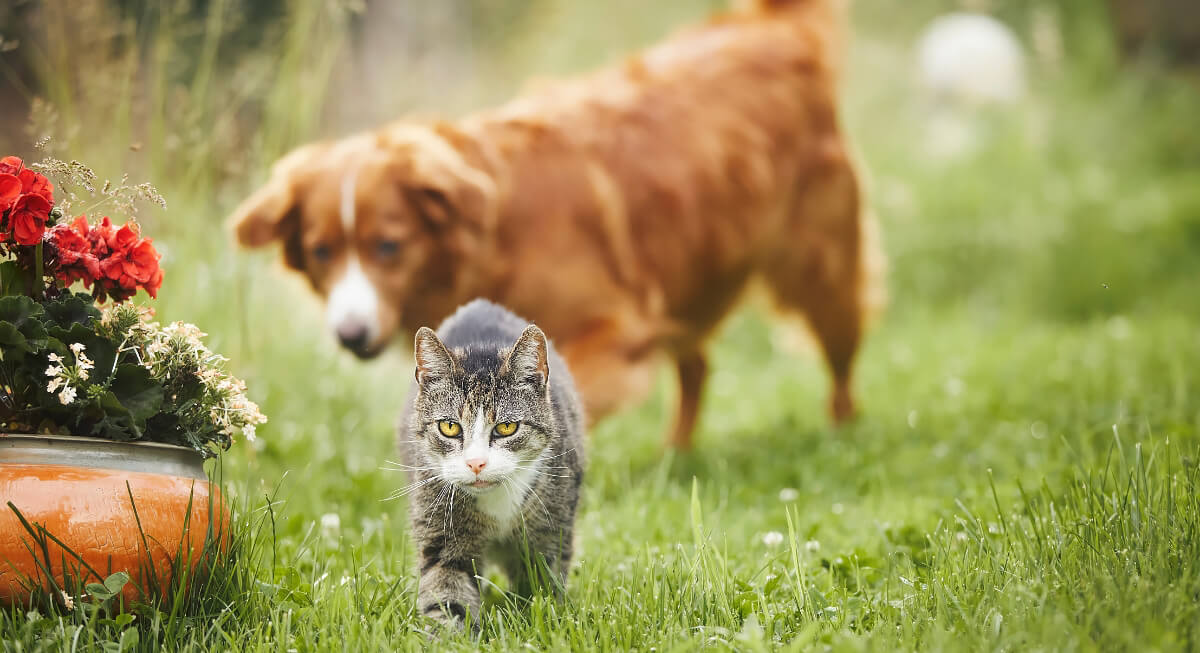
Age does not erase prey drive or excitement. A senior dog that ignores squirrels outdoors may suddenly become obsessed with a cat sprinting down the hallway. Trainers often test leash control and recall before direct introductions happen. A dog that responds reliably to commands creates a safer environment immediately.
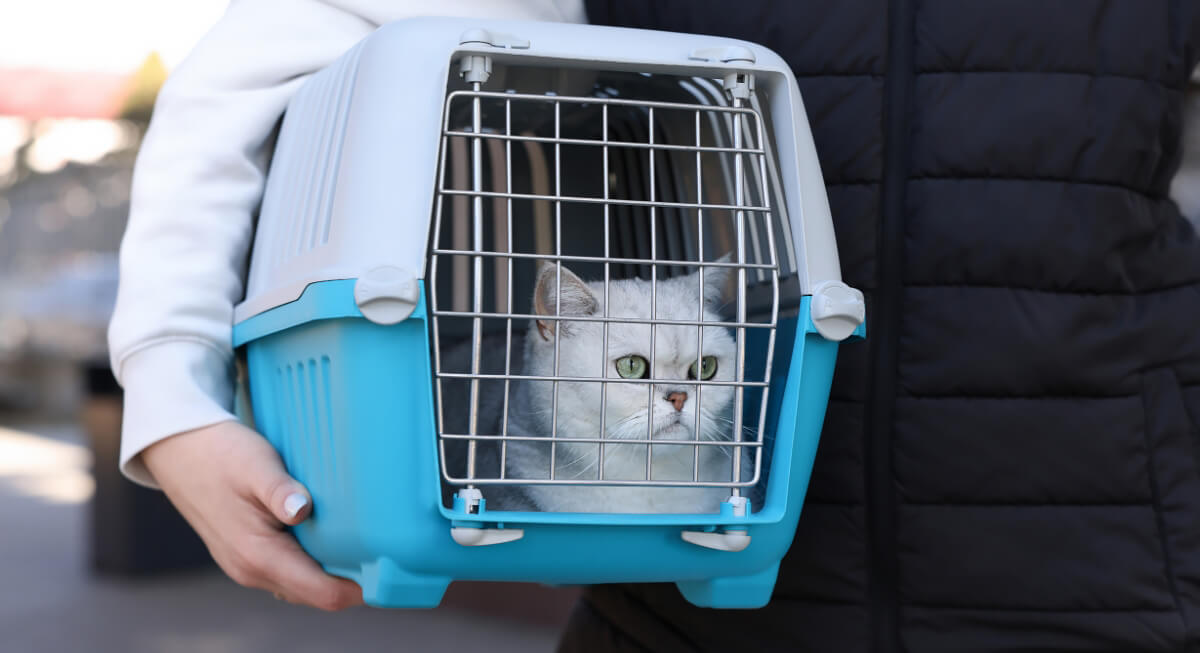
Using the Cat Carrier During Introductions
Credit: Canva
The dog tends to rush over and sniff too closely, while the cat has no way to escape or create space. That trapped feeling often leads to hissing, swatting, or panic inside the carrier. On the other side, dogs can get either scared or overly excited by the reaction. A baby gate usually works better because it lets both animals see each other while still keeping a distance.
Giving the Cat Full House Access Too Fast

Credit: Canva
A new cat can feel overwhelmed in a large space and may hide for long periods when everything is unfamiliar at once. Behavior specialists usually suggest starting with one room first. Keep food, water, toys, and the litter box there for a while. This also helps the dog adjust better since the new scent spreads gradually through the home.
Punishing Growling, Hissing, or Swatting
Credit: Getty Images
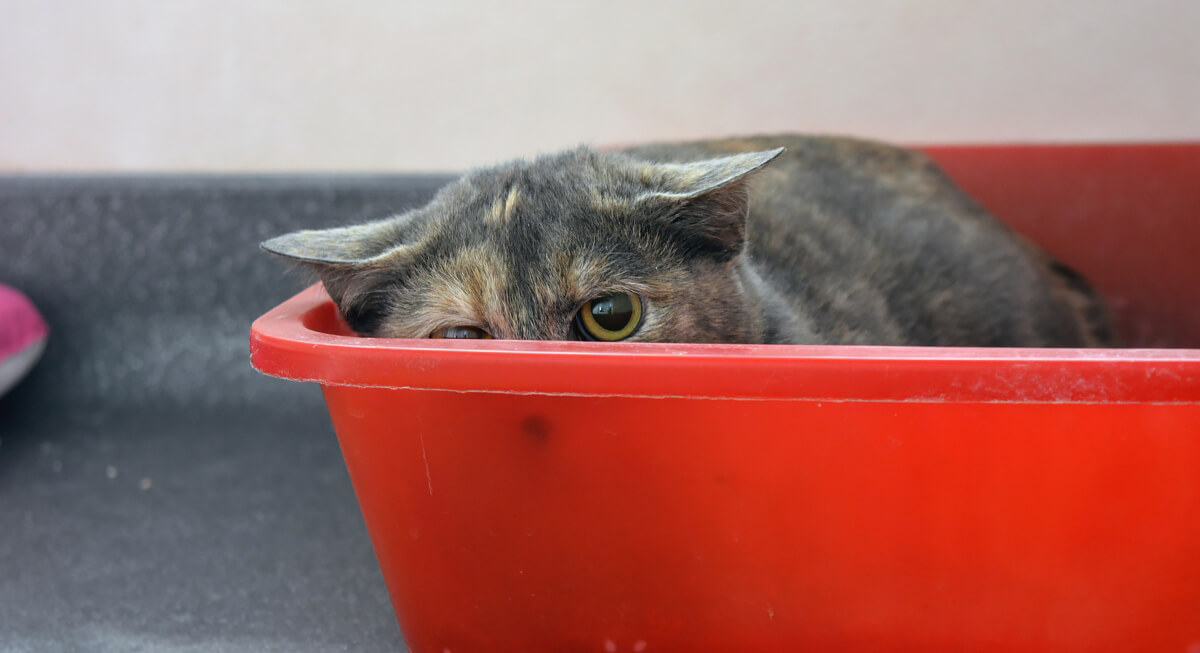
Growling and hissing are warning signals that should not be punished. If they are, the animal stops communicating discomfort, but the stress remains. A cat that is scolded may skip warnings next time and react more strongly. Dogs also become uneasy when owners react loudly during introductions.
Ignoring Stress Signals Because Nobody Is Fighting
Credit: pixabay
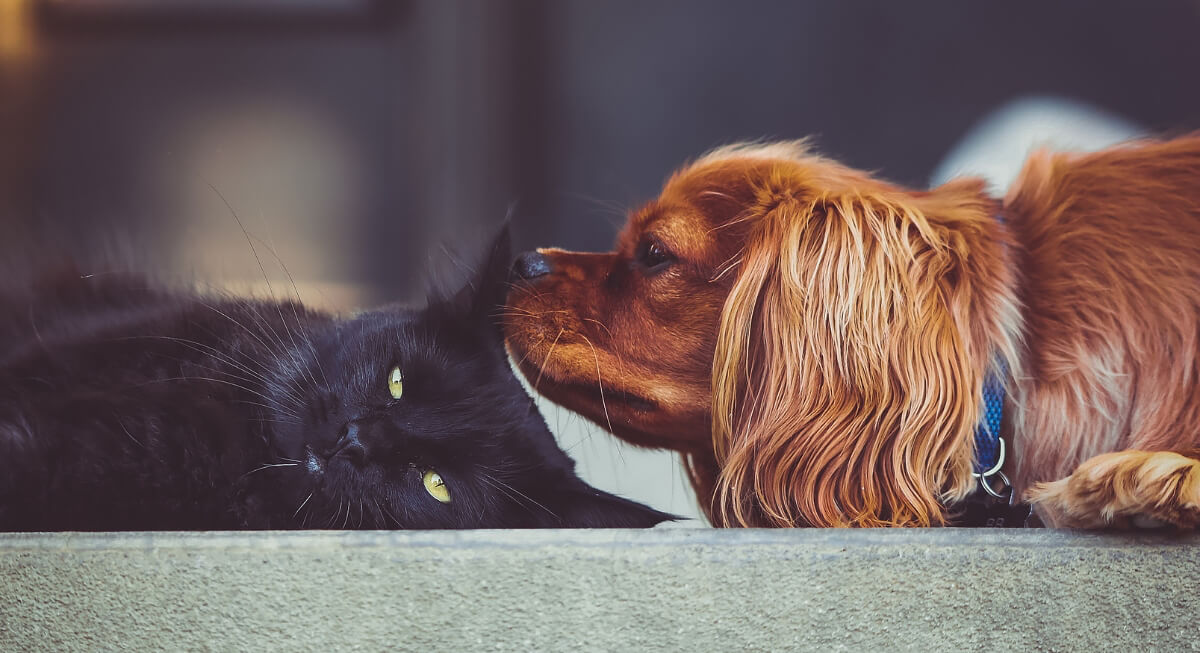
Pets rarely skip straight to serious aggression. Dogs often stiffen, stare, or follow cats too closely before problems escalate. Cats flick their tails, flatten their ears, or freeze near exits when uncomfortable. Owners frequently miss these signals because nothing dramatic has happened yet. Early intervention prevents repeated stress and stops habits from developing quietly over time.
Leaving Them Alone Together Too Soon
Credit: Canva
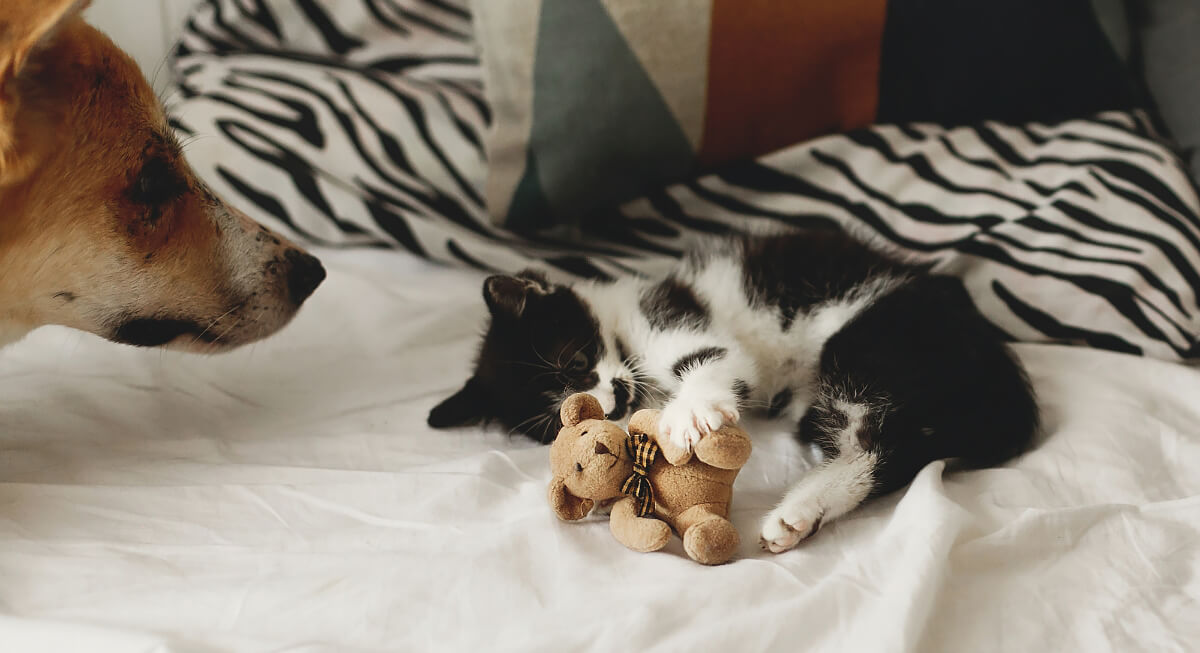
One peaceful afternoon does not mean the pets are ready for unsupervised time. Dogs can suddenly become excited upon hearing movement. Many owners return home to overturned furniture and a terrified cat hiding behind appliances. Trust develops through repetition. Rushing unsupervised access often destroys progress that took days or weeks to build carefully.
Allowing the Dog to Chase the Cat
Credit: Getty Images
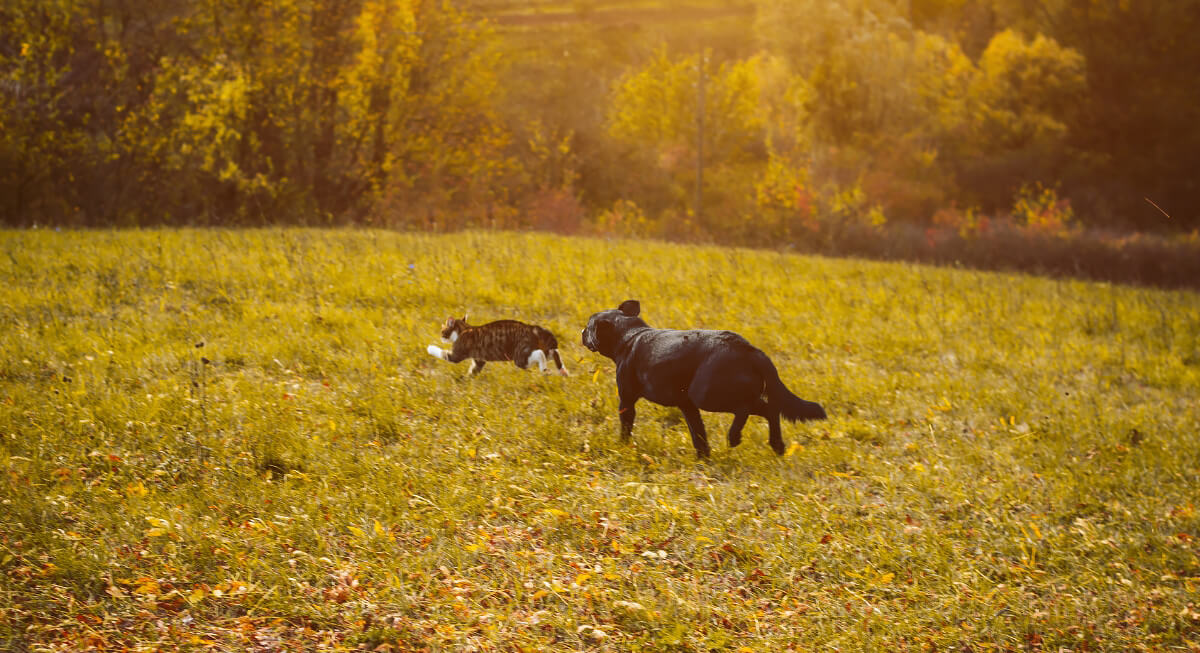
This mistake causes the biggest long-term problems during introductions. Dogs often see running as an invitation to play or pursue. Cats see it as a threat immediately. One bad chase can make a cat avoid litter boxes or feeding areas for weeks afterward. Trainers work hard to prevent dogs from rehearsing chasing behavior because repetition can strengthen the excitement.