Is Warm Food Better for Your Dog During Cold Weather?
Cold weather tends to change a dog’s day. Walks shorten, rest stretches out, and many dogs spend more time indoors where the heat stays steady. Around mealtimes, owners often notice small differences. Food draws more interest. Bowls come back empty. A warm dinner on a cold evening seems to land better.
That leads to a familiar question. When temperatures drop, does warming a dog’s food actually help, or does it only feel comforting from a human point of view? The reality sits in a middle ground, with a few genuine benefits and a few assumptions worth setting aside.
Cold Weather And A Dog’s Energy Needs
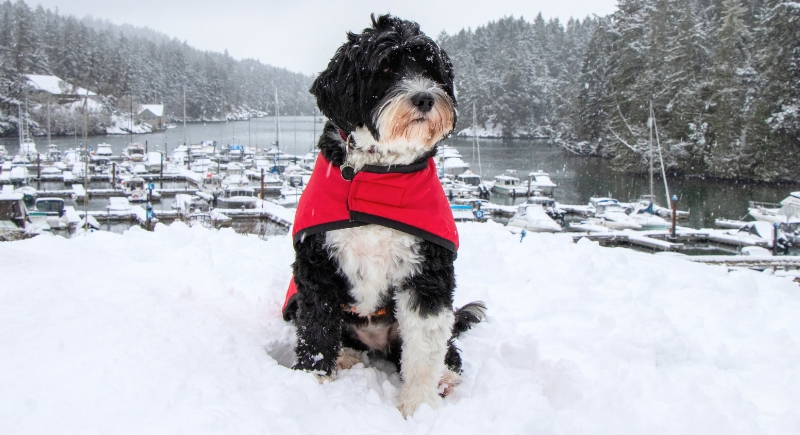
Image via Getty Image/LynMc42k
Before changing how food is served, it helps to look at what actually shifts for most dogs once winter arrives. Extreme cold can raise energy needs, but that usually applies to working dogs in harsh environments. Studies of sled dogs show they may eat nearly twice their normal calories because their bodies burn fuel constantly to stay warm and power long hours of work.
That scenario looks nothing like daily life for the average pet. Most dogs spend their time indoors with steady heat, heading outside only for short walks or quick bathroom trips. For them, winter rarely brings the kind of energy drain that calls for major dietary changes, even when the weather outside feels biting.
When Warm Meals Make Practical Sense
Warm, gently prepared meals can be beneficial for animals that are picky eaters, often sniffing and walking away from cold bowls. Dogs that spend long periods outside in the cold or burn high amounts of energy through winter sports also fit this category, since their overall diet often needs extra calories and moisture anyway.
In these situations, a warm meal feels easier to eat, more pleasant, and soothing on cold days. The goal is simple: a pleasant, lukewarm temperature that feels comfortable against the wrist. Healthy adult indoor pets with solid appetites treat warm meals more as a comfort choice than a medical need.
How To Heat Food Safely
A few habits keep winter meals useful. Gentle heat works best. Adding a splash of warm water or broth to regular food, or briefly warming a portion and mixing it well, helps avoid hot spots. The meal should feel slightly warm, never hot, when tested with a finger or wrist. Long soaks weaken safety, since moist kibble encourages bacterial growth and may aggravate the gut if left out.
Monitoring matters. Any shift in preparation can affect individuals with sensitive stomachs. If loose stool, vomiting, or clear discomfort appear after the change, it makes sense to return to the previous routine and consult a veterinarian. Clean bowls and fresh water also help, as warm, moist meals spoil more quickly, and indoor heating dries the air.
Winter Feeding Tips That Help

Image via Pexels/Vlada Karpovich
Once the meal temperature is settled, winter feeding comes down to consistency and small adjustments. Hands tell you more than a quick glance. Ribs should be easy to feel with light pressure, and the waist should show a gentle tuck. Look for patterns over a few weeks rather than reacting to day-to-day changes.
Any calorie shift should stay modest. Dogs spending more time outdoors or showing gradual weight loss may need a 5 to 10 percent increase in daily food. Checking again after several weeks helps confirm whether the change is working. Dogs who stay indoors and move less often benefit from limiting snacks or slightly reducing portions to protect joints and overall health.
Protein quality, moisture, and balance still matter during winter. Foods that support skin, coat, and joints help offset dry air and colder conditions. Lightly warmed meals or a brothy topper can add moisture during a season when some dogs drink less. When calories, hydration, and activity match a dog’s routine, winter feeding feels simpler and more rewarding.