Is Your Pet Spreading an Invasive Flatworm?
For years, land flatworms were thought to spread mostly through plant sales. Worms or their eggs would hitch a ride in potted soil, move through nurseries, and end up in new gardens. That explained how they crossed long distances. What it didn’t explain was why they kept showing up in nearby yards where no new plants had been added.
Citizen science helped fill that gap. Over the course of more than a decade, people reported sightings and shared photos for verification. In a small but steady number of cases, flatworms were found clinging to pet fur. The event is uncommon, but it does happen.
Now think about scale. Cats and dogs move constantly, across sidewalks, parks, cars, and even between cities. Researchers estimate that domestic pets collectively travel around 18 billion kilometers each year. Even if only a tiny fraction of those trips involve a worm catching a ride, that is still enough movement to quietly reshape where these species appear.
The One Species Scientists Are Watching Closely
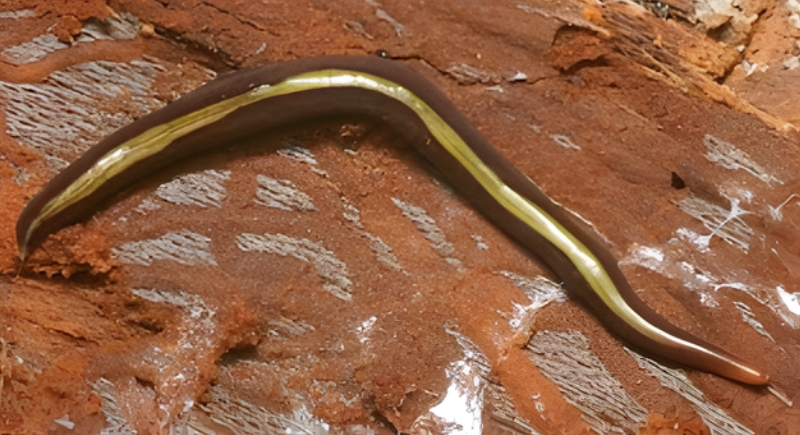
Image via Wikimedia Commons/Pierre Gros
Among the multiple invasive flatworm species detected in France, only one has strong evidence of pet-based transport: Caenoplana variegata.
This flatworm can grow to roughly 7.8 inches, which is large for a terrestrial worm species. It produces a sticky mucus that helps it cling to surfaces, including animal fur. The mucus likely evolved as part of its hunting strategy, since the worm feeds on small arthropods.
Another factor increases its success rate. The species can reproduce without a partner. A single transported individual can start a new population if environmental conditions allow survival. That biological advantage makes even rare movement events matter more than scientists first assumed. The worm originally comes from Australia but has established populations in parts of Europe and other regions.
Why This Is Important Even If Pets Stay Healthy
Current research indicates the flatworm does not harm cats or dogs directly. The ecological concern lies in soil and insect systems, because these flatworms prey on native soil organisms that help maintain healthy ecosystems.
Soil biodiversity supports plant growth, nutrient cycling, and pest control, and disrupting that balance can create long-term environmental ripple effects. Invasive flatworms have already caused problems in several regions by reducing native earthworm populations, which in turn impacts soil structure and agricultural productivity. Climate shifts and global trade already help invasive species spread faster. Pet movement adds another aspect that scientists are now studying more closely.
What Scientists Want Pet Owners To Know
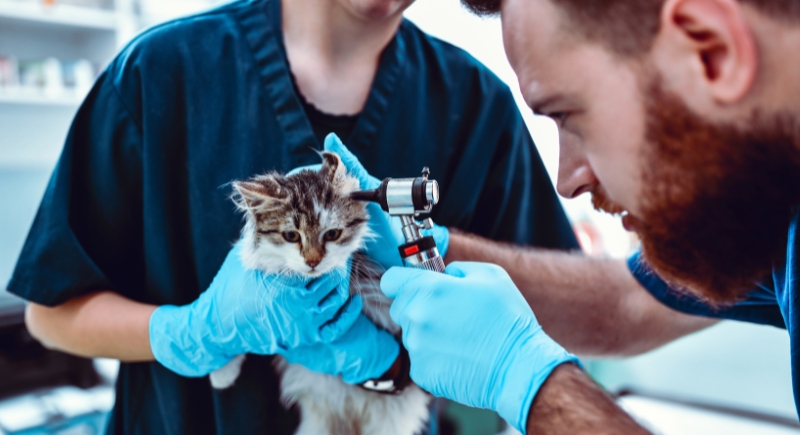
Image via Getty Images/Aleksandar Georgiev
Experts are not calling for panic because awareness matters more than alarm. Routine grooming and quick visual checks after outdoor walks can help reduce accidental transport of small organisms. Pet travel continues to increase as more owners take animals on trips, hikes, and vacations, and that lifestyle creates new biological movement routes that did not exist on a large scale decades ago.
Citizen science continues to play a huge role in tracking these patterns. Public reports helped scientists spot this transport method in the first place. That kind of participation provides researchers with real-world data that controlled lab studies cannot easily replicate. Ongoing monitoring will help scientists understand how often pet-based transport happens and which environments face the highest risk.