Italy Becomes the First Country to Offer Paid Leave for Sick Pets
Taking time off work to care for a sick pet is now officially recognized in Italy. Employees can take up to three days of paid leave each year if their companion animal needs urgent medical care. It’s a small but meaningful shift that reflects how seriously many people view the well-being of their pets.
This update reflects years of gradual legal changes and a shift in how people in Italy view their pets, with more families treating them as part of everyday life rather than just animals.
The Case That Started It All
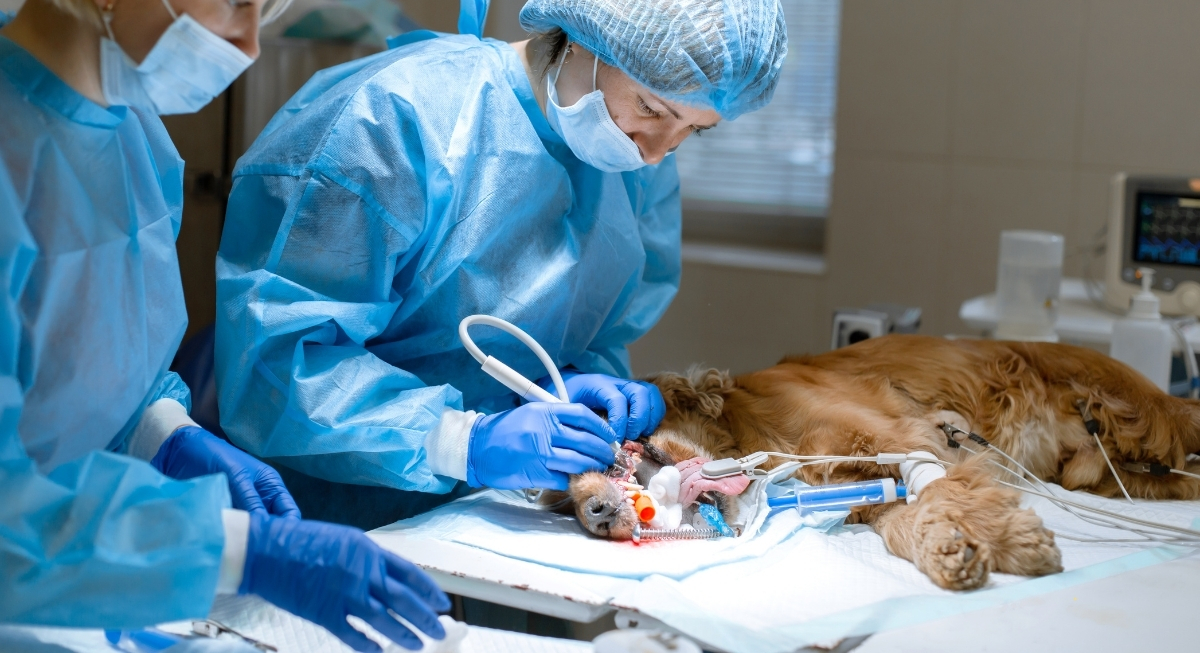
Image via Canva/TryMyBest
The roots of this policy trace back to 2017, when a librarian at Sapienza University of Rome requested time off to care for her dog, Cucciola. The dog needed surgery for a tumor, and leaving her untreated raised serious concerns under Italian law.
A court in Rome ruled in favor of the employee, finding that neglecting an animal in severe distress could constitute a criminal offense. That decision reframed the situation. Caring for a sick pet was no longer optional; it was a responsibility.
What It Takes to Qualify
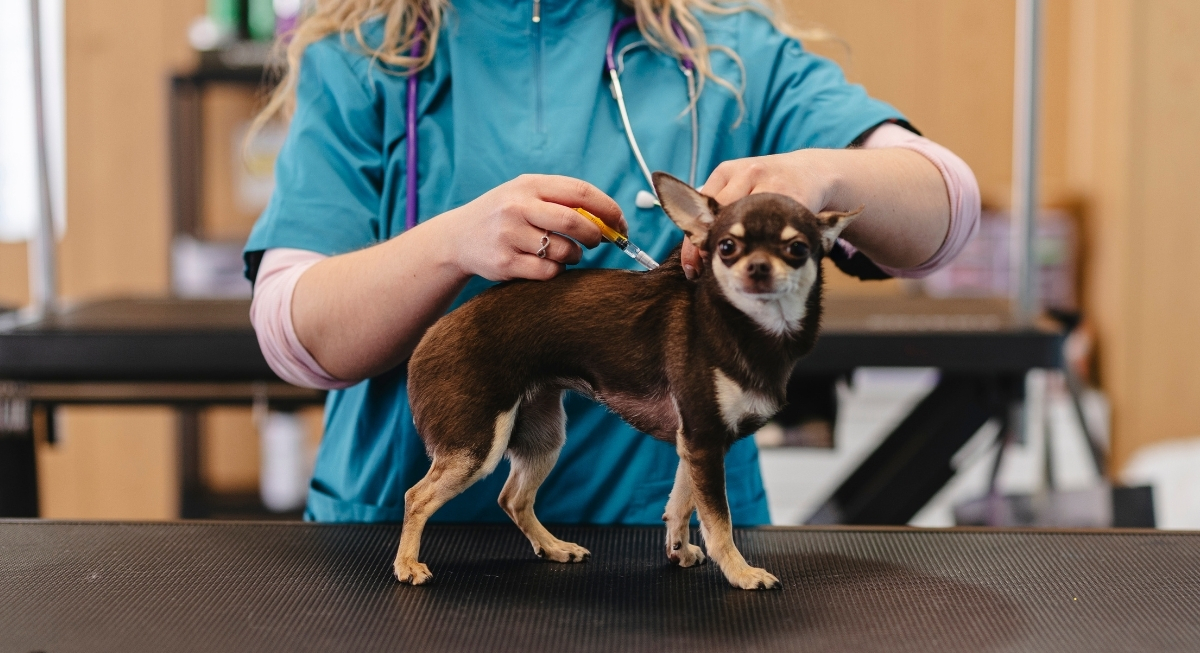
Image via Canva/Imágenes de jose carlos
The leave isn’t open-ended as employees must meet a few clear requirements. The pet must be officially registered and microchipped to ensure proper identification. A licensed veterinarian must also provide a digital certificate confirming that the situation requires immediate care.
These steps keep the system structured while still offering flexibility during real emergencies. The process also ties into Italy’s social security framework, which helps streamline access without adding unnecessary delays for workers.
The Importance of This Move Beyond Work

Image via Canva/wattana
This policy does more than adjust workplace rules. It reflects a deeper change in how society views animals. Pets are increasingly seen as dependents and part of the household that require time, money, and care.
Supporters point to several ripple effects. Giving workers the option to stay home when a pet’s ill can reduce abandonment, especially when medical needs become overwhelming. It also strengthens responsible ownership, since people are less likely to delay treatment due to job pressure.
Furthermore, proper animal care can help limit the spread of certain diseases and improve overall living conditions, especially in urban areas where pets and people share close quarters.
A Global Conversation Is Already Taking Shape
Italy’s decision has created interest beyond its borders. Countries like Germany and Switzerland already enforce strong animal welfare standards, while the Netherlands has gained attention for tackling pet abandonment through strict regulations and public campaigns. Sweden also maintains high standards in breeding and care.
Still, none of these nations has formalized paid leave for pet emergencies at the national level, which is exactly why Italy’s move is noticeable. It pushes the conversation into new territory, where labor rights and animal welfare begin to overlap in practical ways.