Italy Is Finally Banning a Horrible Industry Practice Involving Baby Chicks
Italy is getting ready to end a long-standing routine in its egg industry: the killing of newborn male chicks. For decades, hatcheries have sorted chicks within hours of hatching, and millions of males have been discarded each year because they cannot lay eggs or grow efficiently for meat.
Now the government is working toward a full ban, and the shift has pushed the issue into public view. The scale of the practice has led many people to ask how it became so normal and why the country is ready to abandon it. Hatcheries are preparing for a major transition as new screening technology is introduced, allowing eggs to be examined before the chicks develop. The change marks a significant step toward reshaping how the industry operates.
Why Male Chicks Were Targeted In The First Place
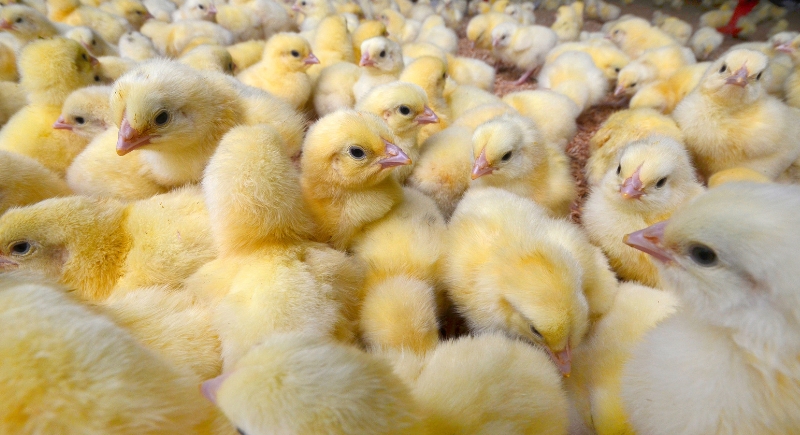
Image via Getty Images/kershawj
Egg production systems rely on female chicks because they grow into hens that lay eggs. Male chicks are considered unusable in that structure. They don’t lay eggs and don’t match the breeds raised for meat, which leaves them outside the industry’s economic plans.
Across Italy, this system led to an estimated 25 to 40 million newborn male chicks being killed every year. Hatcheries carried out the sorting within moments of hatching, turning it into a routine step that lasted for decades with very little attention from the public.
The methods were severe. Hatcheries used maceration or gas to kill the chicks, and the schedule kept running without major revisions. Once advocacy groups and researchers put sustained pressure on lawmakers, the country finally began addressing the practice.
The Ban And The Steps Leading To It
Momentum for change took shape in 2021 when Italy’s Chamber of Deputies supported a proposal to end male chick culling. By 2022, a law was passed that set a clear deadline for the egg industry to end the practice by 2026.
Government agencies then had to outline the transition. In October 2025, officials released the guidelines that will steer hatcheries toward new systems. The guidelines require the use of embryo-testing technology that identifies the sex of the chick before hatching. Removing male embryos from the cycle eliminates the killing of live chicks hours after birth.
Officials estimate that once the ban is fully implemented, around 34 million chicks will be spared every year. The guidelines also give hatcheries a timeline for training, equipment updates, and process adjustments.
How In Ovo Screening Works
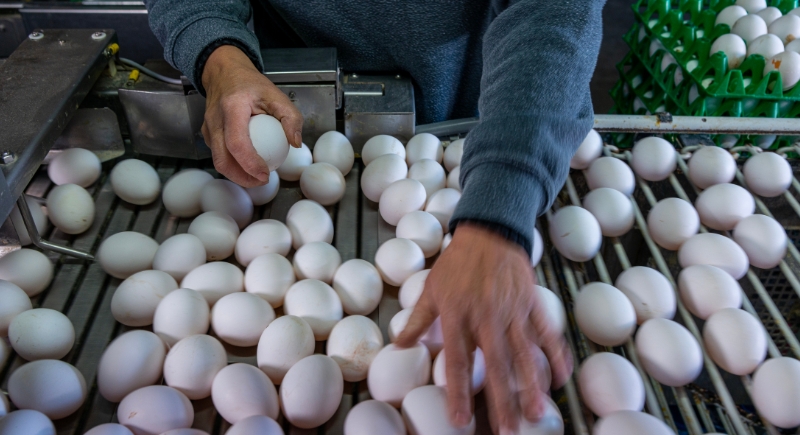
Image via Getty Images/pidjoe
In ovo screening identifies whether an embryo will develop into a male or a female while it is still inside the egg. Italy’s guidelines state that hatcheries must make this determination by the 14th day of incubation, a stage in which the embryo cannot feel pain.
This method prevents male chicks from hatching into a system that would kill them immediately after birth. Several European countries, including France and Germany, have already taken this direction or are in similar phases of implementation.
Support for this approach inside Italy didn’t come out of nowhere. Assoavi, the country’s primary egg producer trade association, announced in 2020 that it favored in ovo sexing. That endorsement played a significant role in the subsequent political progress.
The Challenges Italy Still Faces
The rollout of the guidelines includes areas that remain contested. For example, producers may label eggs as coming from operations that “do not kill male chicks.” Yet errors in sexing can still result in some male chicks hatching, and those chicks may be killed with carbon dioxide. Estimates for those errors range between 350,000 and 1.4 million per year.
This raises concerns about the accuracy of the labeling and the clarity with which consumers will be informed about the remaining margin of error. Advocacy groups warn that a partial approach can create confusion and may weaken public trust.
Despite those issues, the ban marks one of the largest national efforts to dismantle male chick culling on such a scale. What happens next depends on how well hatcheries adapt and how consistently regulators enforce the guidelines after 2026.
What Italy’s Move Could Set In Motion

Image via Pexels/Karola G
Years of public pressure helped push the ban forward. Campaigners organized petitions, gathered testimonies, published reports, and contacted lawmakers across several political cycles. A major petition in 2020 gathered around 110,000 signatures, which helped bring national attention to the issue.
Through 2024 and 2025, activists staged demonstrations across Italy, used billboards in major cities, projected messages onto landmarks, and repeatedly called on ministers to release the long-awaited guidelines. Their visibility kept the conversation active at key political moments.
And Italy’s egg industry is large, so this policy carries weight beyond its borders. Other countries still rely on male chick culling, including the United States, where hundreds of millions of chicks are killed each year. Italy’s action could influence more governments to evaluate similar bans or invest in in ovo sexing technology.
Many hatcheries outside Europe still operate with older methods, and significant upgrades would be needed to follow Italy’s path. Even so, the country’s decision adds momentum to an ongoing global conversation about ethical standards in egg production.