10 Cognitive Enrichment Activities to Keep Your Senior Dog’s Brain Sharp
Aging impacts many things in dogs, including the way they process the world around them. Mental sharpness can fade gradually and manifest in the form of confusion, disrupted sleep, or less interest in familiar routines. Gentle enrichment helps slow that shift. Thoughtful activities keep the brain engaged without pushing physical limits. A few minutes of focused play each day can support their overall well-being.
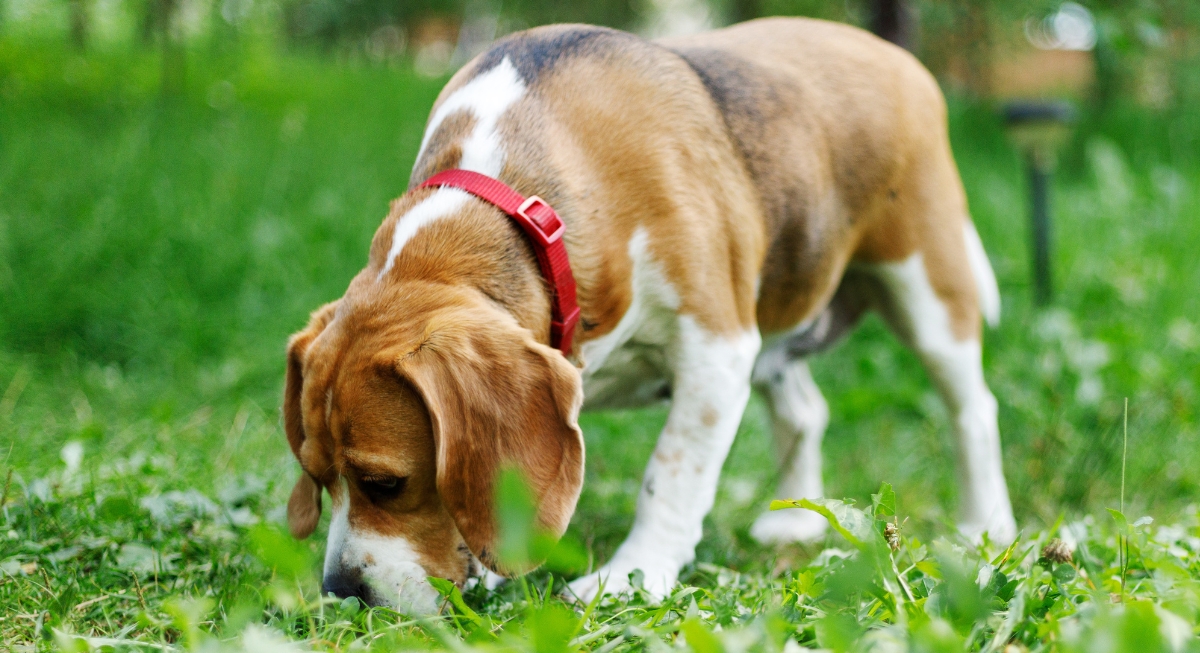
Sniff Walks With No Agenda
Credit: Getty Images
Letting a dog pause to investigate scents activates areas of the brain associated with memory and recognition. Studies on canine enrichment suggest that scent exploration can be more stimulating than extended exercise. Older dogs often settle into this rhythm easily, especially when the outing prioritizes curiosity rather than distance or speed.
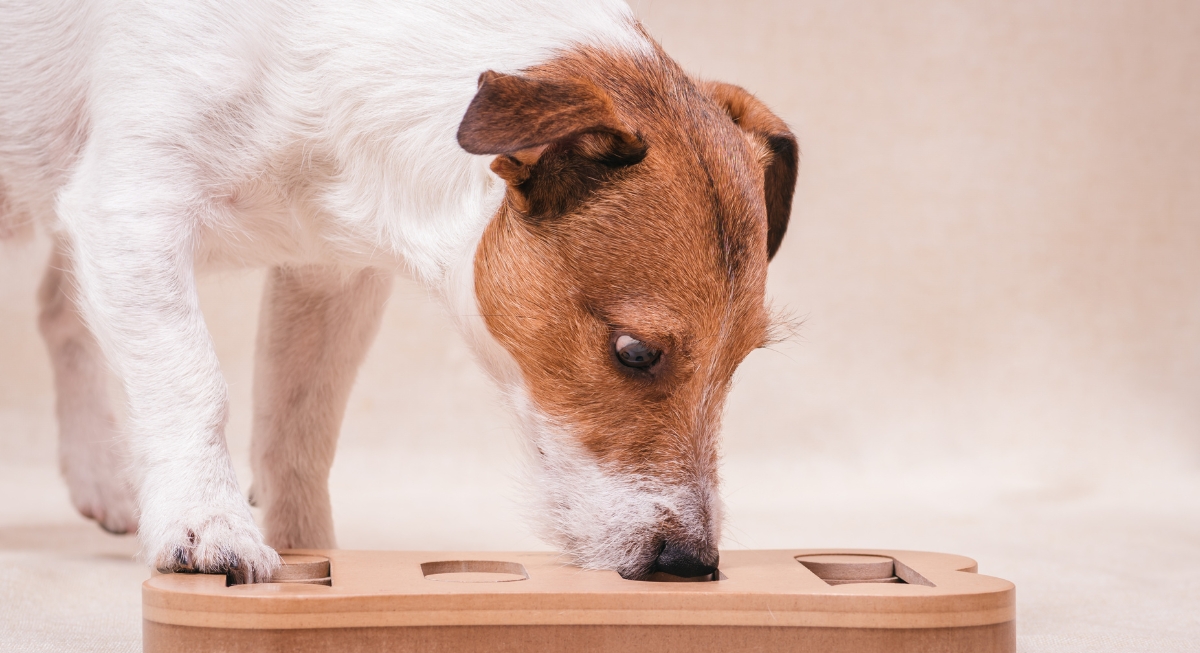
Simple Puzzle Feeders at Mealtime
Credit: Getty Images
Puzzle feeders slow down eating and require small decisions that keep the brain active. Designs with sliding panels or liftable covers work well for older dogs. Research on enrichment tools shows they can reduce boredom-related behaviors while improving focus.
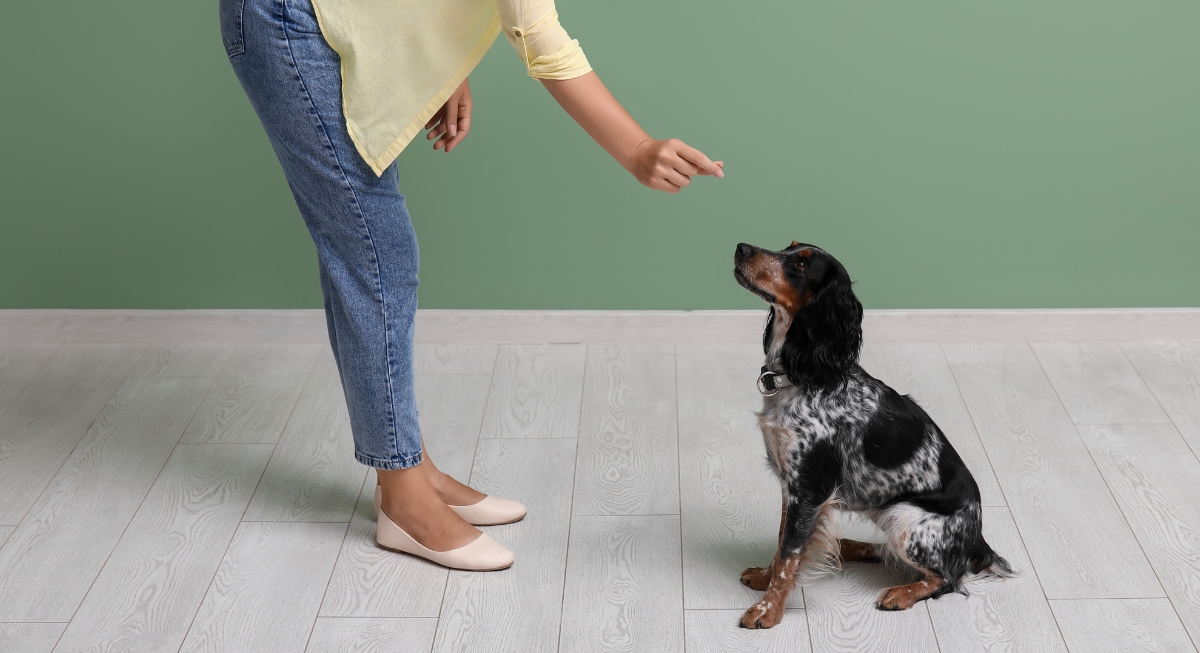
Short Training Refreshers
Credit: pixelshot
Older dogs retain the ability to learn, though the pace may shift. Revisiting familiar commands or introducing gentle new cues keeps neural pathways active. Training sessions lasting just a few minutes support memory recall and attention span. Behavioral studies often link continued learning with reduced cognitive decline, especially when sessions remain positive and low-pressure.
Hide-and-Seek Treat Games

Credit: Canva
Hiding food in easy-to-find spots encourages a dog to rely on scent and recall. Gradually increasing difficulty keeps the activity engaging over time. This type of game mirrors natural foraging behavior, which experts associate with improved mental stimulation, especially in dogs that may no longer engage in physically demanding play.
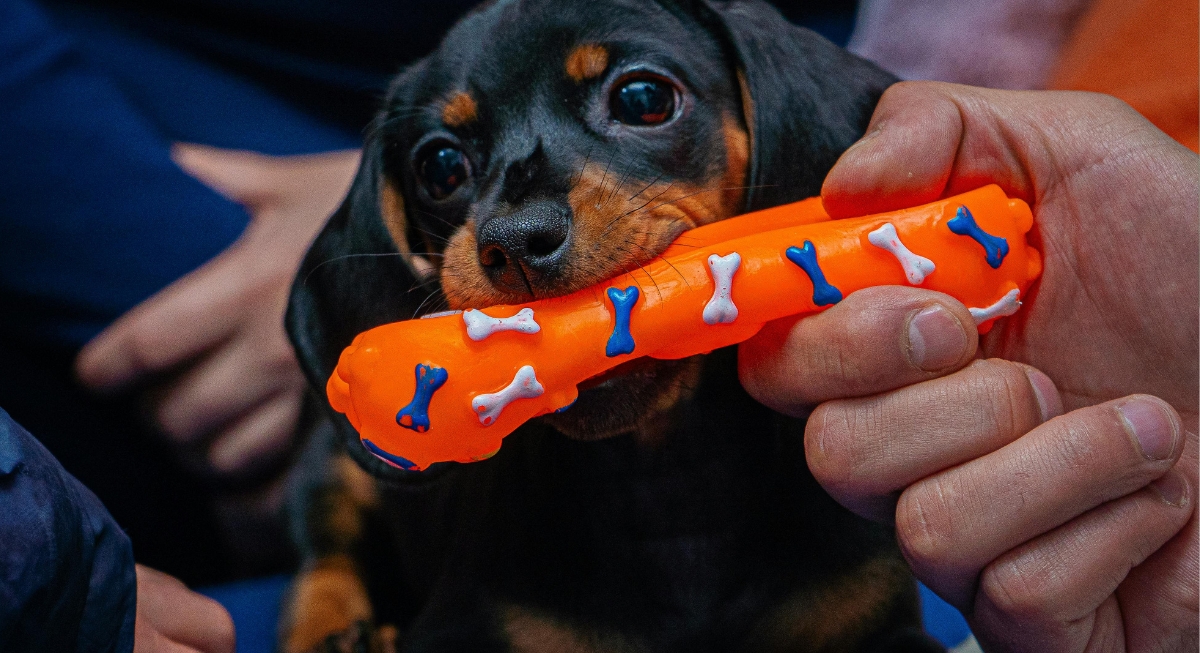
Name Recognition With Toys
Credit: pexels
A dog’s ability to recognize specific toys by name builds memory in a way that goes beyond basic commands. When two or three familiar items are placed on the floor and one is requested, the dog learns to focus and recall. Trainers often compare this to simple cognitive exercises used in humans. Repetition helps strengthen recognition over time.
Gentle Indoor Obstacle Paths
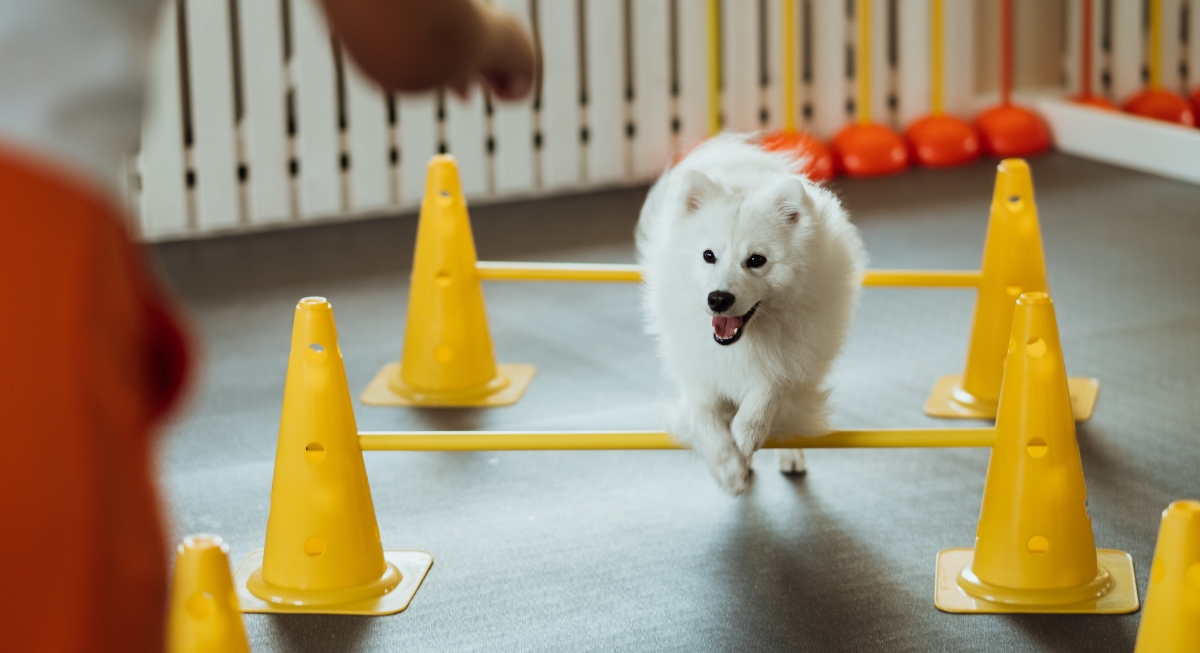
Credit: iStockphoto
A few household items can create a slow-paced challenge that combines movement with thinking. Walking around cushions or stepping over low objects requires coordination and awareness. Veterinary guidance often suggests low-impact activities for aging joints, and this approach fits well. It keeps dogs engaged mentally without demanding speed or strength.
Scent-Based Search Boxes

Credit: pexels
A cardboard box filled with safe objects and hidden treats can hold attention longer than expected. Dogs explore by sniffing and shifting items to locate rewards. This taps into natural instincts and encourages problem-solving. Trainers who specialize in scent work often recommend these setups for older dogs, as they rely on scent rather than physical agility.
Routine-Based Brain Play
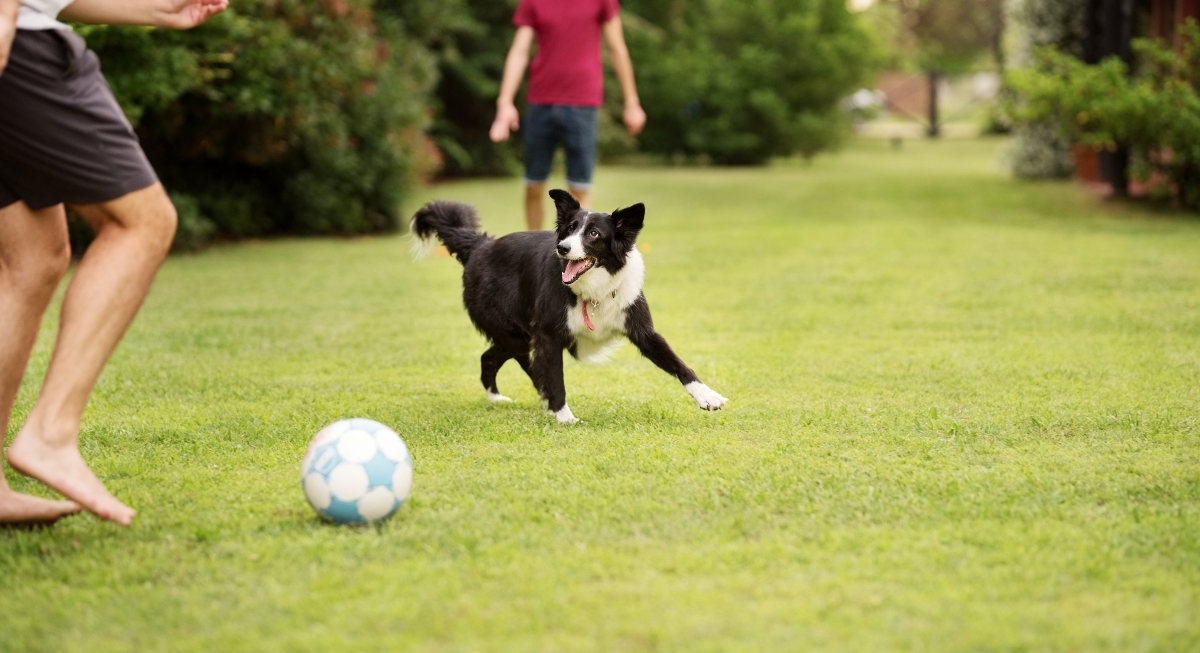
Credit: Getty Images
Consistency plays a larger role in cognitive health than many expect. Scheduling small enrichment sessions at the same time each day helps reinforce memory patterns. Dogs begin to anticipate the activity, which strengthens mental associations tied to routine. Research into aging pets suggests that predictable structure can reduce confusion and anxiety.
Interactive Licking Mats
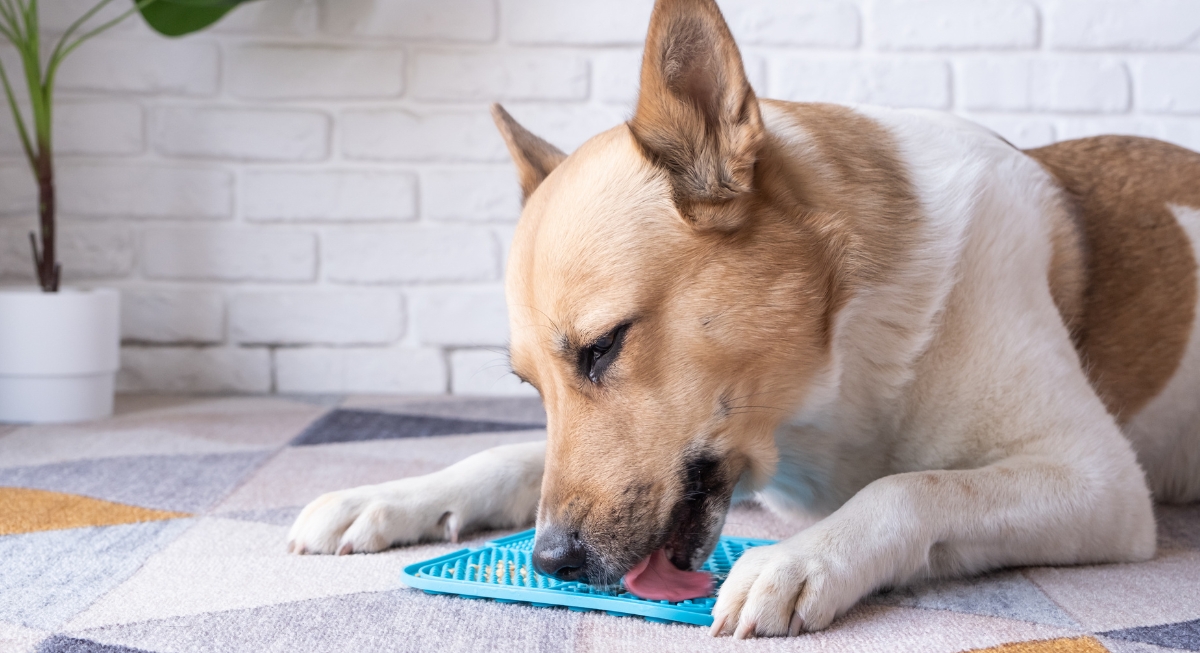
Credit: iStockphoto
Licking releases calming signals in a dog’s brain, which support relaxation and focus. Spreading soft food across a textured mat creates a slow, deliberate task that engages attention. This method is suitable for dogs with limited mobility or dental sensitivity. Repetitive licking is associated with reduced stress and is a useful tool for soothing mental engagement.
Low-Key Social Interaction
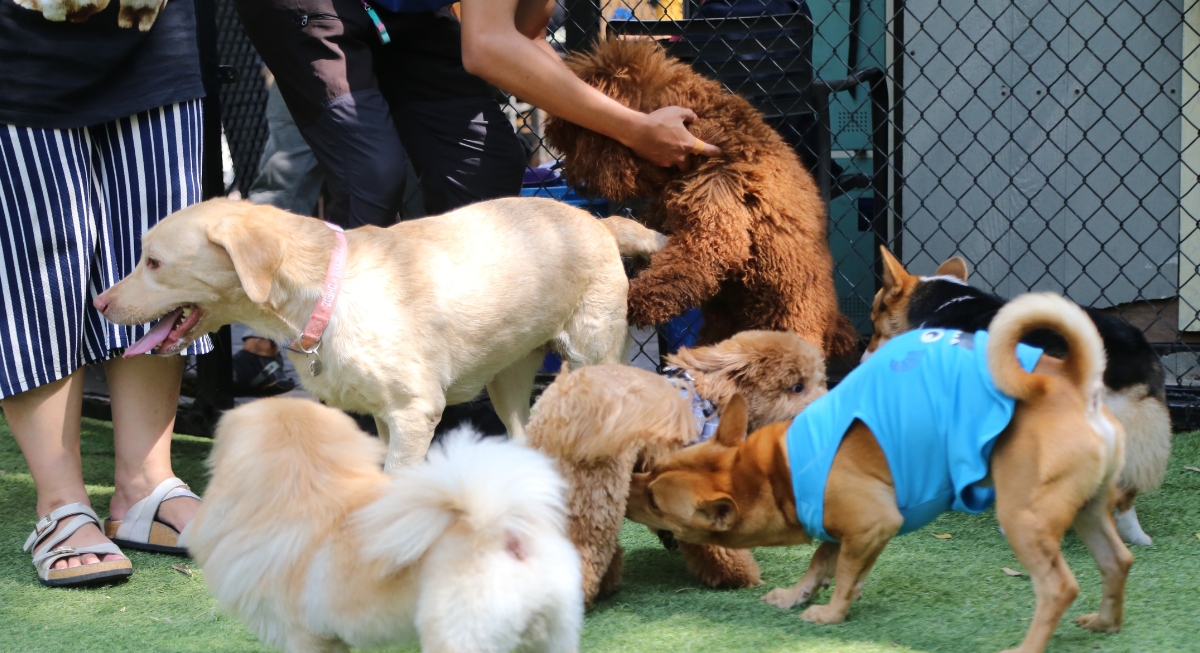
Credit: Canva
Time spent with other dogs or in new environments can stimulate the brain in subtle ways. Controlled introductions or calm visits to different locations expose a dog to new scents and sounds. Keeping interactions brief and positive helps prevent fatigue, allowing older dogs to stay engaged without becoming overwhelmed by too much activity.