10 Low-Cost Ways to Keep Your Senior Dog Mentally Sharp
As dogs get older, their pace slows down, but their need to stay mentally active doesn’t go away. In fact, keeping their mind engaged becomes even more important when long walks and high-energy play start to fade. The good part is you don’t need special equipment or complicated routines. Small, simple interactions throughout the day can keep your senior dog alert, curious, and connected to you.
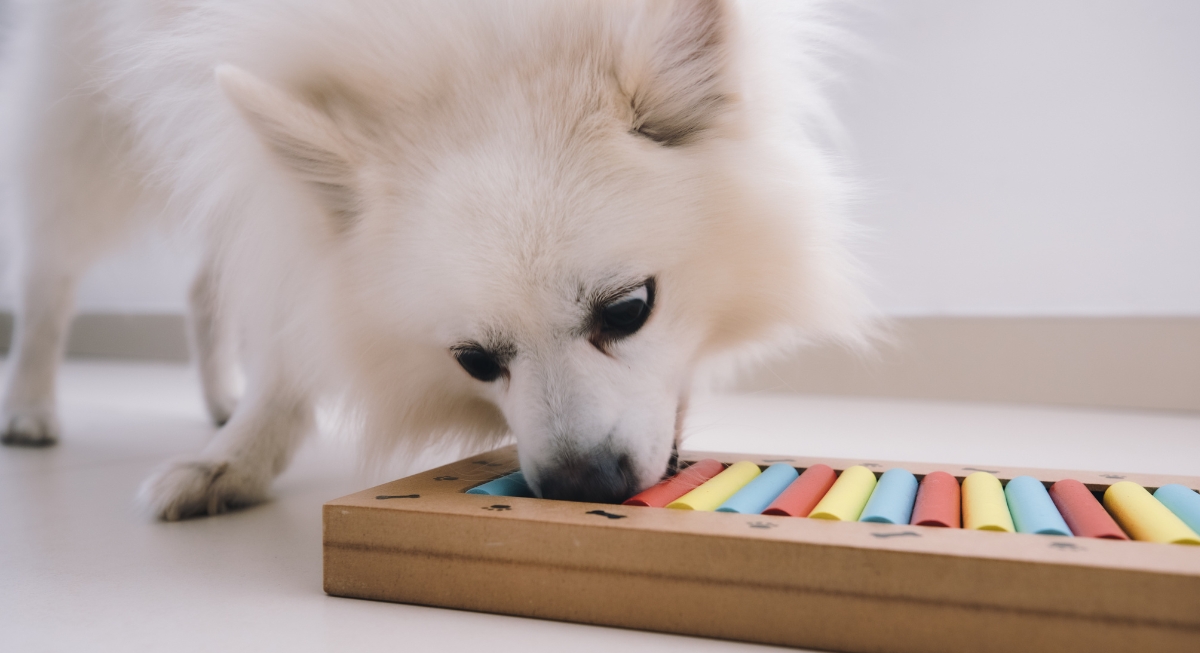
Turn Meals Into a Problem to Solve
Credit: Getty Images
Mealtime is one of the easiest places to add mental effort without changing much. Instead of placing food in a bowl and being done with it, you can slow things down. Fold kibble into a towel or place it under something lightweight so your dog has to work it out. This will add mental engagement without changing their overall routine.
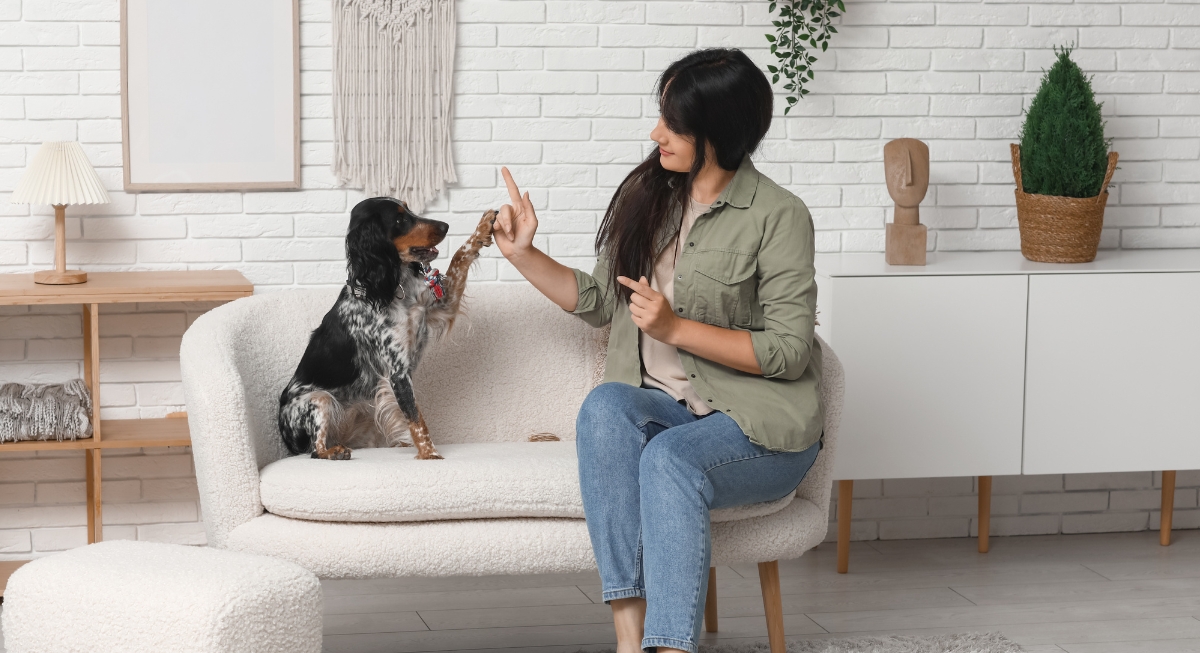
Teach Small New Commands
Credit: pixelshot
Learning doesn’t stop just because a dog is older; it just looks different. Short sessions work best: introduce something simple and give them time to process it. You might notice a pause before they respond, and that hesitation is a good sign. It means they’re thinking through what you’re asking instead of reacting out of habit.
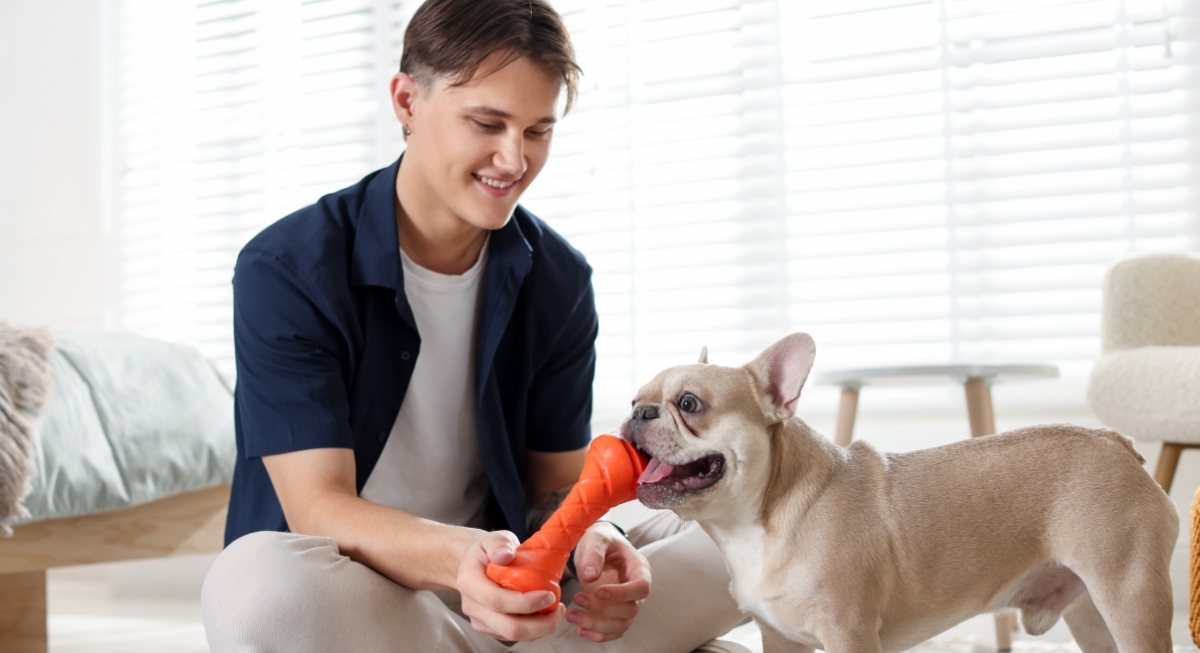
Build Object Recognition
Credit: Canva
Start with toys your dog already uses and give each one a name you repeat often. It takes time, so stick with it. Over time, place two items down and ask for one by name. When they choose correctly, it shows they’re connecting the word to the object, which works their mind in a different way than most daily activities.
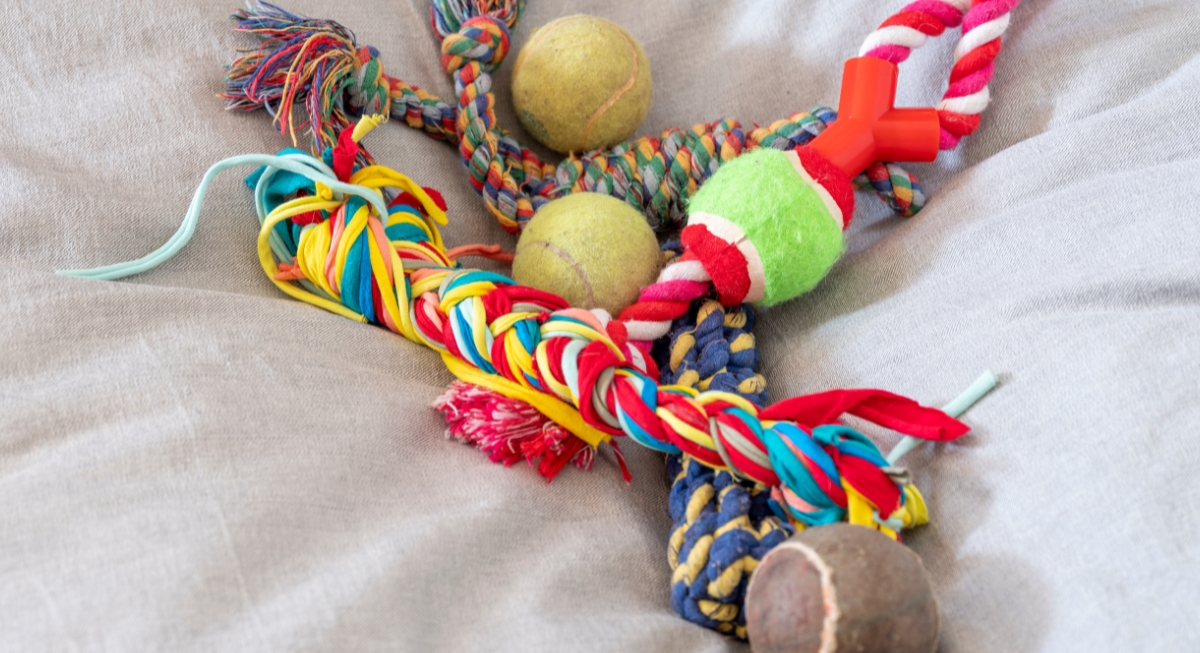
Rotate Toys Instead of Adding More
Credit: Getty Images
It’s easy to assume a dog is bored because they need something new, but often it’s the opposite. When the same toys are always available, they fade into the background. Putting a few away and bringing them back later changes how your dog responds. The interest returns without adding anything new, which makes this one of the simplest ways to keep them engaged.
Change One Part of the Environment

Credit: pixelshot
Change something small in your dog’s usual space and watch how they respond. Move their bed, open up a room they don’t usually enter, or shift things around in an area they know well. They pause, take it in, and adjust their movement, and that moment is where the mental work happens. You don’t need a new place to give them something different.
Create Simple Navigation Challenges
Credit: Canva
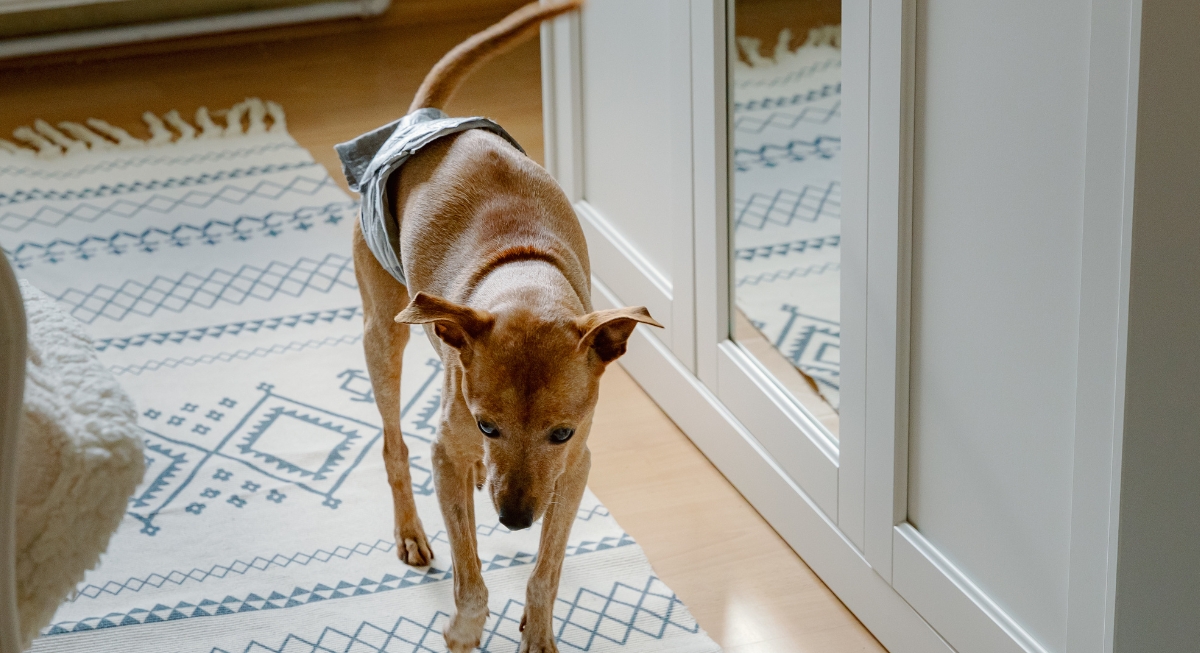
Instead of focusing on exercise, you can introduce movement that requires attention. Setting up a few obstacles with cushions or chairs gives your dog a path they have to think through. It’s not about getting through quickly. It’s about noticing where to step, where to turn, and how to move around something unfamiliar.
Use Structured Interaction Games
Credit: Getty Images
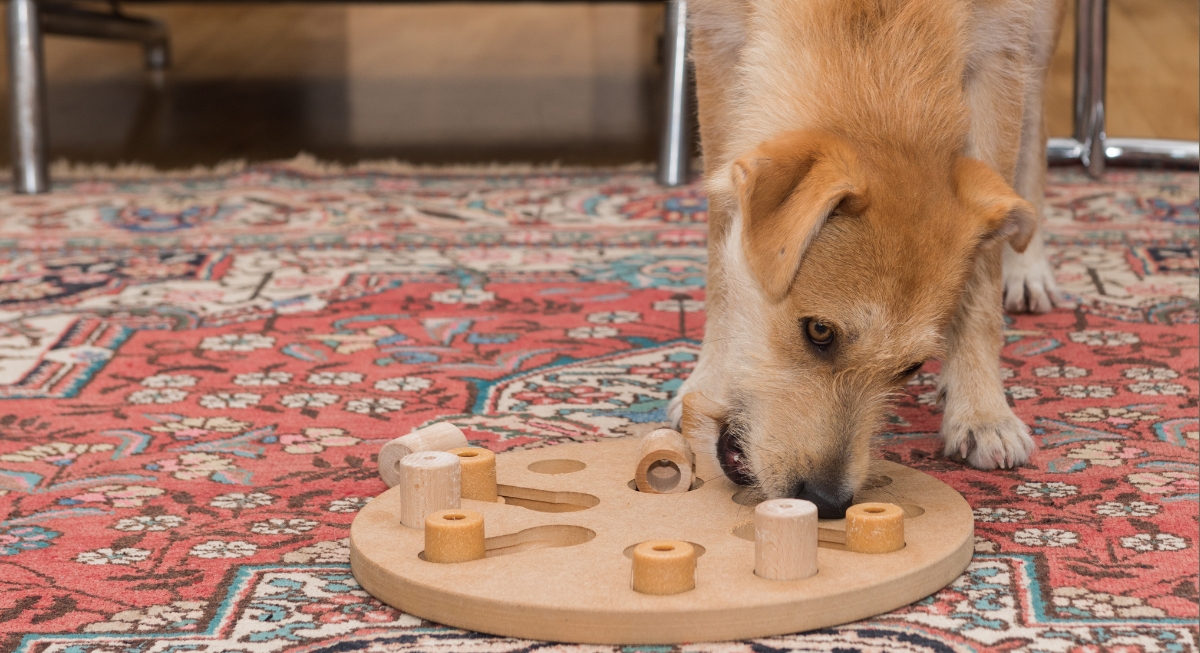
Some of the most effective mental work comes from slowing down interactions. Rather than giving a treat right away, you can ask for a short sequence. A sit, a pause, then eye contact before the reward. It’s a small change, but now your dog has to hold that sequence in mind and follow through, which builds focus.
Offer Tasks That Take Time to Finish
Credit: Getty Images
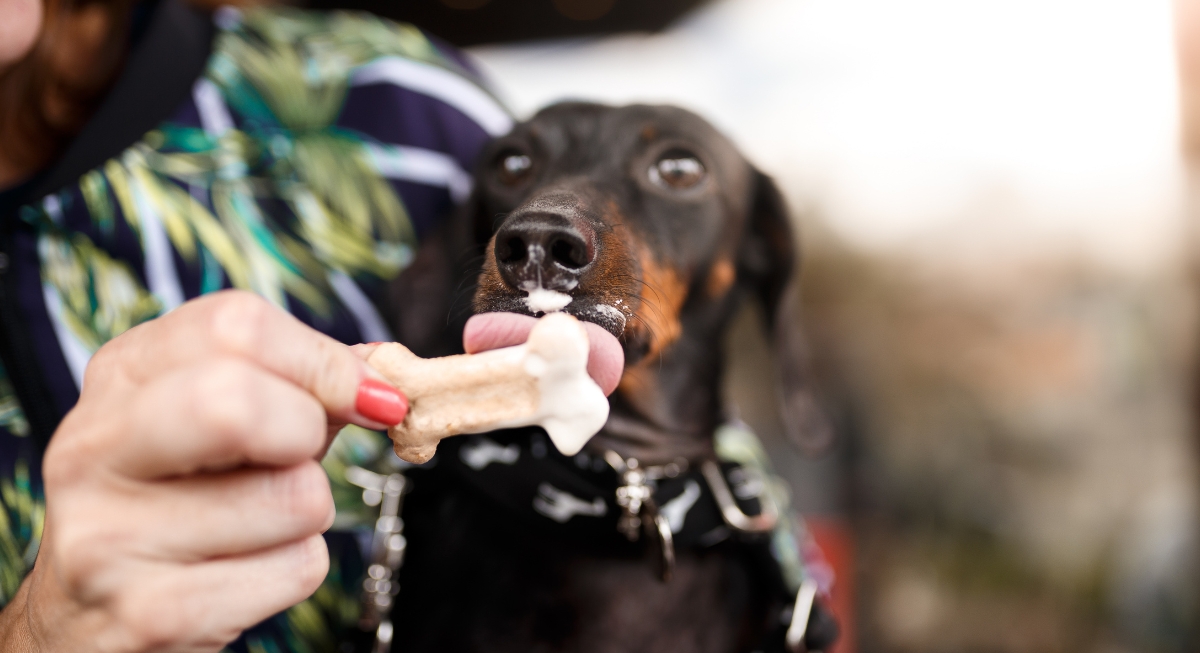
Give your dog something that takes time to work through, like a frozen treat. It keeps them focused longer and draws out their attention. You’ll notice them change how they approach it, pause, and try again. That repetition keeps their mind engaged in one place, which becomes more important as they get older.
Introduce Calm Social Decisions
Credit: Canva
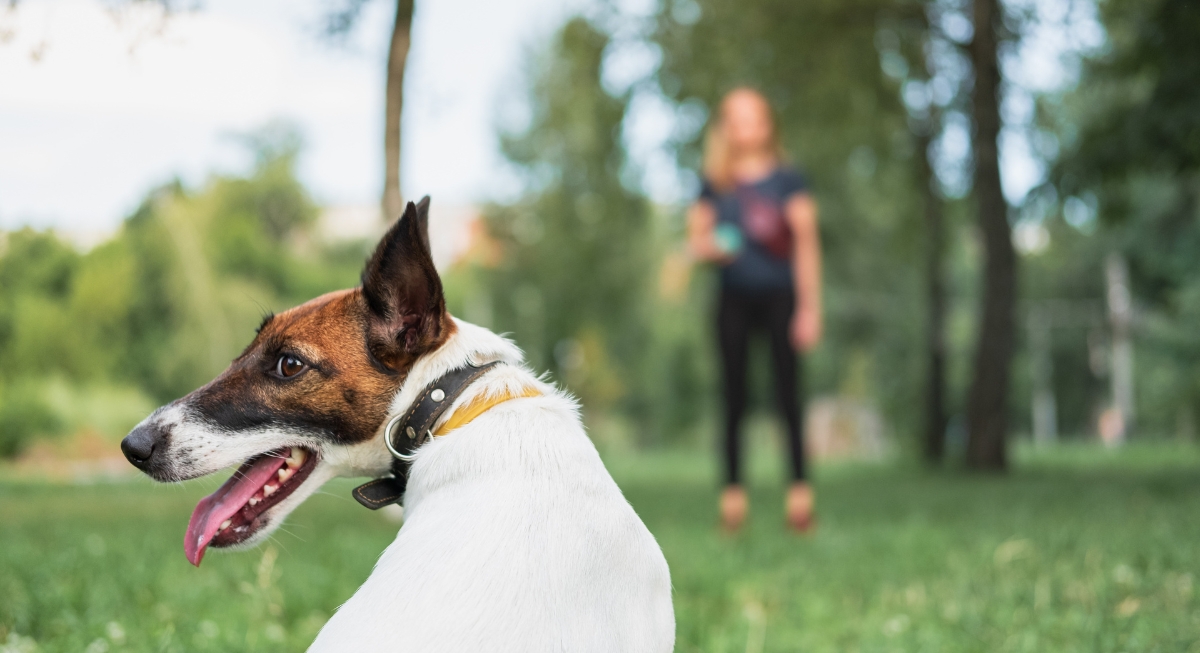
Let your dog take in what’s happening around them without pushing them to engage. They might walk over, stay back and watch, or decide to move away. Each of those choices keeps them mentally involved and aware of their surroundings, without adding pressure or overwhelming them.
Keep a Routine but Adjust One Detail
Credit: pexels
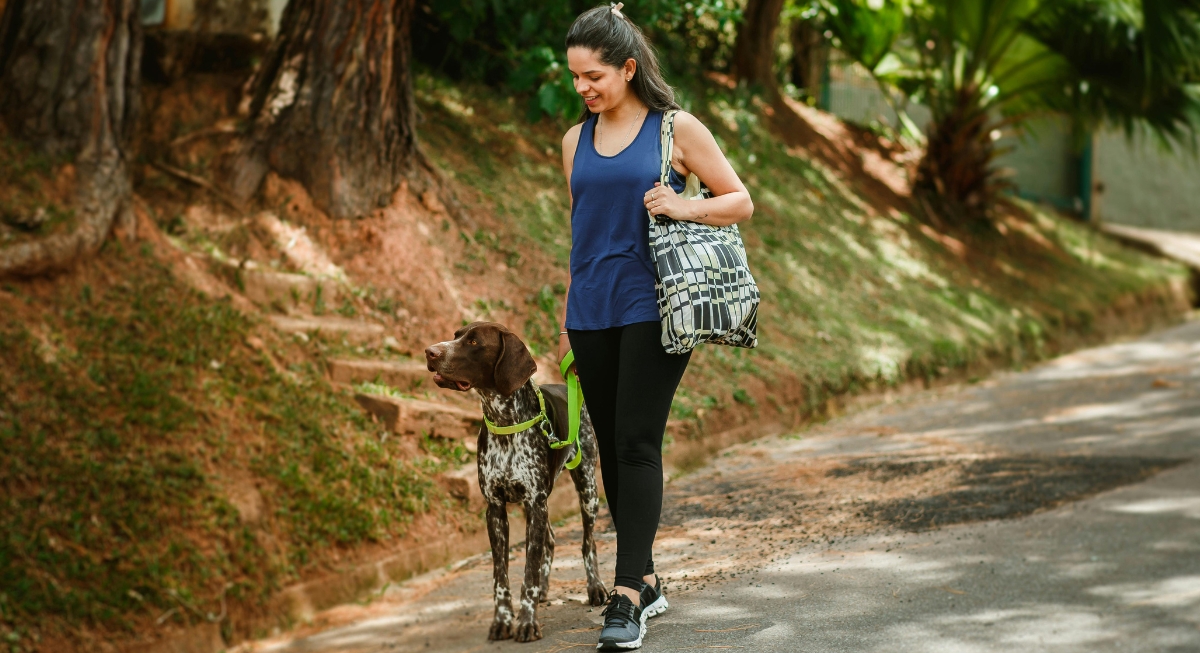
Routine provides comfort, but it can also become something your dog moves through without thinking. You can keep the usual structure while changing one small element to bring their attention back. It could be as simple as shifting the order of events or pausing before something they expect. The slight break from predictability encourages awareness without disrupting stability.