Kentucky Family Rejects Multimillion-Dollar Offer for an AI Data Center
A family in northern Kentucky was offered $26 million for part of their land, and they chose to walk away.
Ida Huddleston and her relatives own about 1,200 acres near Maysville. A major AI company approached them about buying around half of it to build a data center and offered well above typical local land prices. Even with that kind of money on the table, the family decided to keep their land.
Land That Still Has A Job To Do
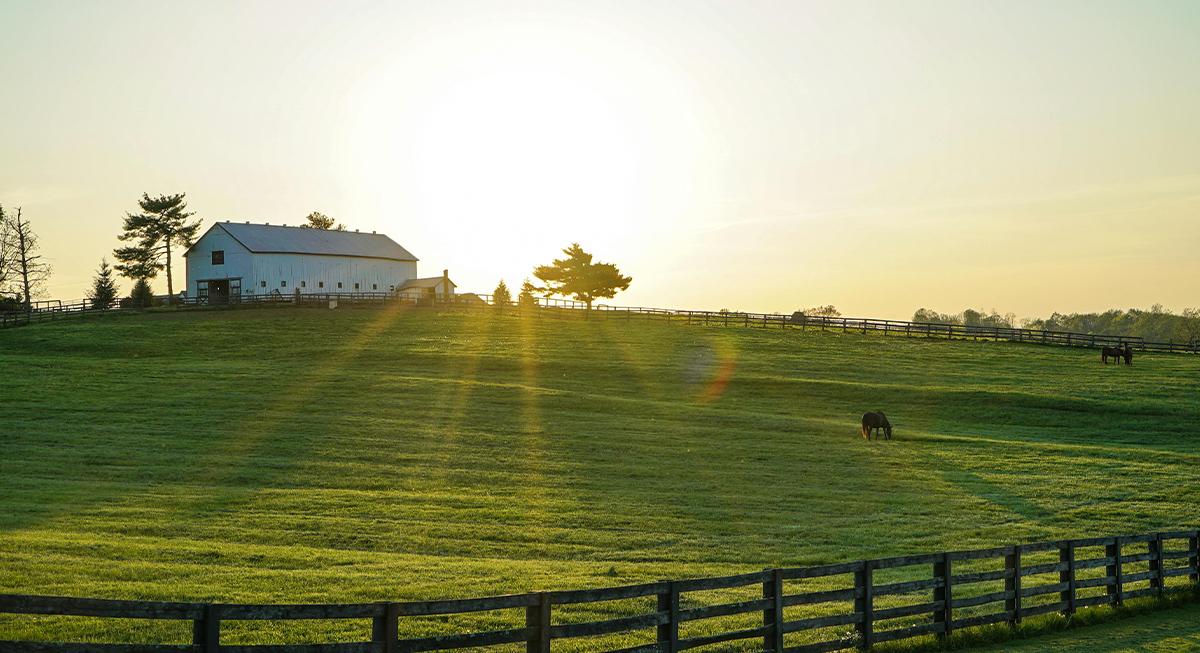
Image via Pexels/Brandon Randolph
The decision wasn’t complicated on their end. The land already serves a purpose. Huddleston’s family has farmed that property for generations. It has produced crops through major economic swings, including the Great Depression. The land continues to support food production today.
Selling would have meant replacing working farmland with industrial infrastructure. That trade didn’t make sense to them, even with a multimillion-dollar check on the table.
Why AI Companies Want Land Like This

Image via Canva/nuttapong punna
This offer didn’t come out of nowhere. AI companies are expanding rapidly, and data centers aren’t small buildings that can be built just anywhere. They require hundreds of acres, steady electricity, and large amounts of water for cooling.
Recent data shows that the average land deal for these projects has grown significantly, with some developments spanning hundreds of acres.
In northern Kentucky alone, a proposed project tied to Huddleston’s area involves plans that could cover around 2,000 acres. Power demand for similar projects has reached levels that rival or exceed local energy production. That scale explains why rural farmland has become a target.
The Pressure Doesn’t Stop With One Offer

Image via Canva/Doina Craciun’s Images
Reports show that multiple landowners in the same county were approached with similar deals. Some were even told they could name their price. In one case, a company pursued zoning changes for a large tract of land nearby after facing resistance. That means development can still move forward even if one family refuses to sell. The project simply shifts around them.
Kentucky isn’t the only place where this is playing out. Farmers in other states have rejected offers that would have sounded unthinkable a few years ago. One farmer in Pennsylvania declined a $15 million offer. Another in Wisconsin turned down $80 million. Some landowners have walked away from offers exceeding $120,000 per acre.
These numbers show how aggressively companies are trying to secure land. But clearly, not every decision comes down to price.
The Economics Aren’t As Simple As They Sound
The numbers behind projects like this can look convincing at first, but they don’t tell the whole story.
Local officials usually support data centers because they bring tax revenue and jobs. In Mason County, estimates suggested about 1,000 construction jobs during the building phase. Once the project is up and running, that number drops to around 50 full-time roles. That difference matters, especially for families thinking long term.
For landowners, the decision goes beyond a one-time payout. Many are weighing that against land that has supported them for years and still provides steady value.
There are also practical concerns about how these facilities operate. Data centers need a lot of electricity and water, and similar projects have raised questions about water use, soil impact, and changes to surrounding land. For farmers, those aren’t distant issues. They directly affect how the land can be used in the future, and once farmland is converted, it’s very difficult to restore.