A Predator Gone For Centuries Is Coming Back to Britain, and It’s Scary
Britain hasn’t had a proper apex predator in a long time. The biggest carnivore roaming the UK’s countryside today is the badger. That could change soon, as plans are underway to reintroduce the Eurasian lynx. The idea of reintroducing these medium-sized wild cats has sparked debates, thrilled conservationists, and terrified sheep farmers. Here’s what you need to know about Britain’s bold plan to resurrect a predator that disappeared centuries ago.
They Vanished Long Ago
Credit: Wikimedia Commons
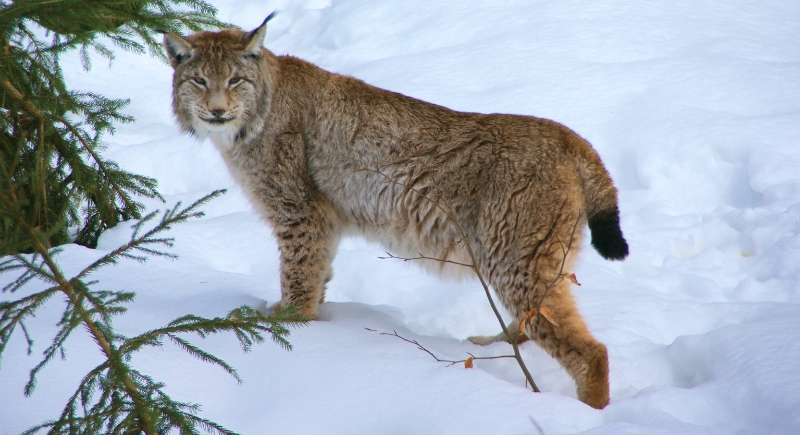
Lynx roamed Britain for thousands of years after crossing a land bridge from Europe around 27,000 years ago. Bones discovered in Yorkshire caves confirm they survived here until at least 600 AD, and poems and drawings suggest populations clung on through the 11th century. Habitat destruction and relentless hunting likely drove lynx to disappear from Britain during the medieval period, though an 18th-century Scottish record later hinted at large cats without confirming they were lynx.
Kielder Forest Is the Top Candidate

Credit: Wikimedia Commons
Northumberland’s Kielder Forest is a potential new home for the wild cats. England’s largest forest offers the sprawling woodland habitat lynx need, along with healthy deer populations for prey. “The Missing Lynx Project” has identified multiple locations, including northwest Northumberland, as areas where lynx could thrive. The “Lynx UK Trust” submitted a draft application for Kielder in 2018, but Natural England rejected it due to insufficient detail.
Europe Has Successfully Brought Them Back
Credit: Wikimedia Commons
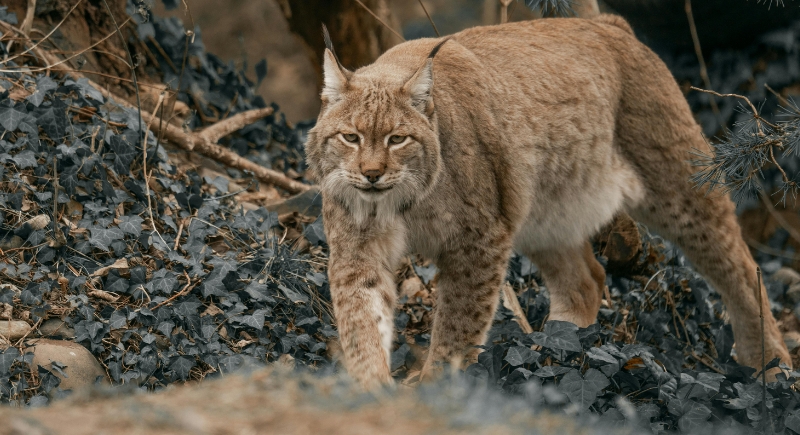
By the 1950s, barely 700 Eurasian lynx were left across Europe. Today, that number has rebounded to tens of thousands, according to some estimates, thanks to reduced persecution and successful reintroductions in some European countries. The Harz Mountains in Germany saw significant success, and Bavaria is now planning a second reintroduction. According to the chief executive of the “Lynx UK Trust,” the cats have also adapted well in Belgium and the Netherlands, raising hopes that the same can also be replicated in the UK.
The Rogue Rewilding Disaster Changed Everything
Credit: Wikimedia Commons
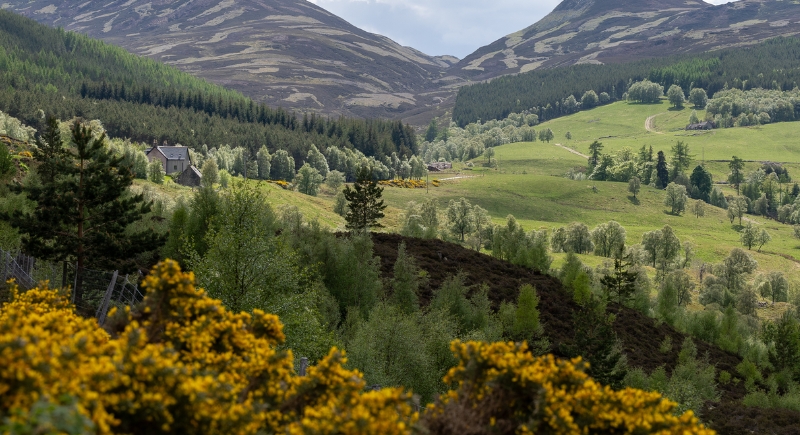
Someone released four lynx illegally in Scotland’s Cairngorms National Park in January 2025. The animals weren’t wild and were unprepared for survival. When authorities captured them weeks later, they showed signs of starvation, and one died from the ordeal. Nobody knows who released them, but the incident had negative effects. Scottish First Minister John Swinney ruled out any reintroductions for his term, and conservationists who had spent decades planning legitimate projects were devastated.
They’re Labrador-Sized Killing Machines
Credit: Wikimedia Commons
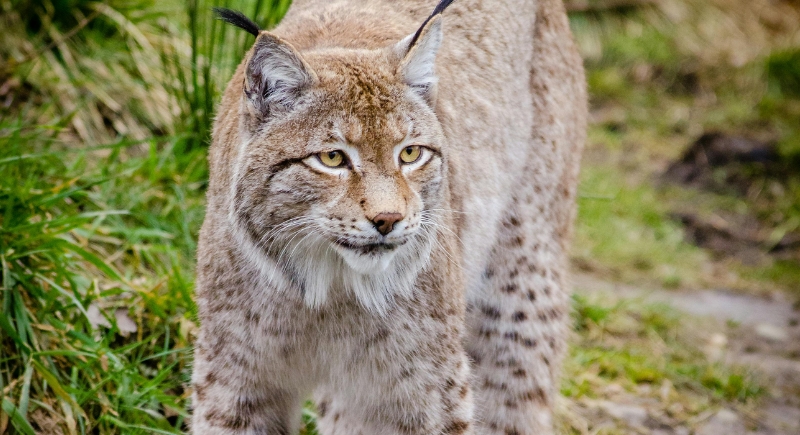
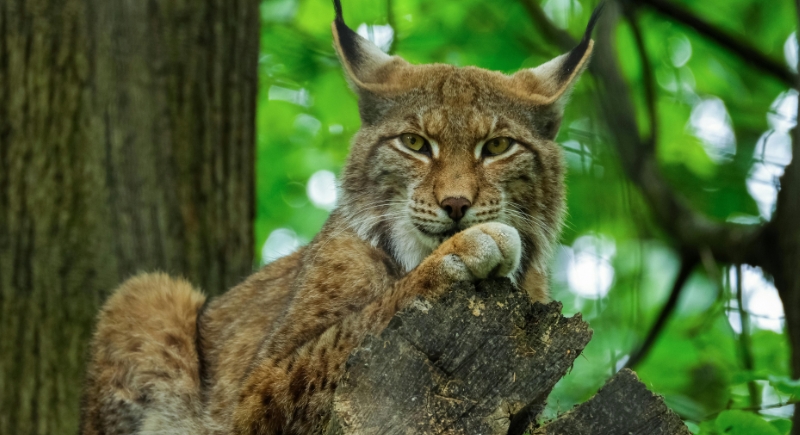
Eurasian lynx are the largest of the four lynx species, weighing between 40 and 79 pounds and stretching up to 51 inches long. These cats usually stalk prey through thick vegetation before pouncing and killing with a bite. Roe deer and chamois are preferred meals, but lynx will tackle elk if given the chance. Between big kills, they snack on foxes, rabbits, and rodents.
Sheep Farmers Are Terrified
Credit: Getty Images
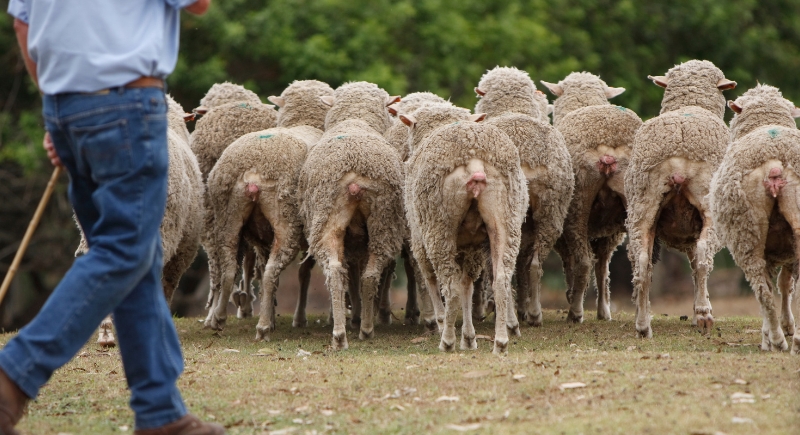
The livestock debate dominates every conversation about lynx reintroduction. Cows and horses are too big for lynx to hunt, but sheep are vulnerable. Farmers worry that lynx might occasionally kill their flocks, especially where forests meet pastureland. Roy Dennis, a conservationist involved in beaver reintroductions, acknowledges the risk is real. He insists that compensation schemes and protective measures must be in place from day one.
Public Support Is Surprisingly Strong

Credit: Getty Images
The Missing Lynx Project conducted extensive public consultations through traveling exhibitions, focus groups, workshops, and community meetings across potential reintroduction areas. Of the 1,000 responses collected, 72 percent supported the introduction of lynx to Britain. That’s remarkable considering the country hasn’t had large carnivores for centuries. Dr. Deborah Brady, project manager for “The Lifescape Project,” emphasized in August 2025 that potential reintroduction plans must be developed in collaboration with local communities.
The Government Keeps Blocking Applications

Credit: Canva
“Natural England” officials told the “Lynx UK Trust” that trial reintroductions can’t proceed because the Department for Environment, Food and Rural Affairs(Defra) considers them illegal. According to the trust, this obstacle could be solved with a simple statutory instrument. But Environment Secretary Steve Reed hasn’t responded to meeting requests. One of the last means to get the government to approve the trust’s license application will be a lawsuit.
Britain’s Deer Problem Is Out of Control
Credit: Canva
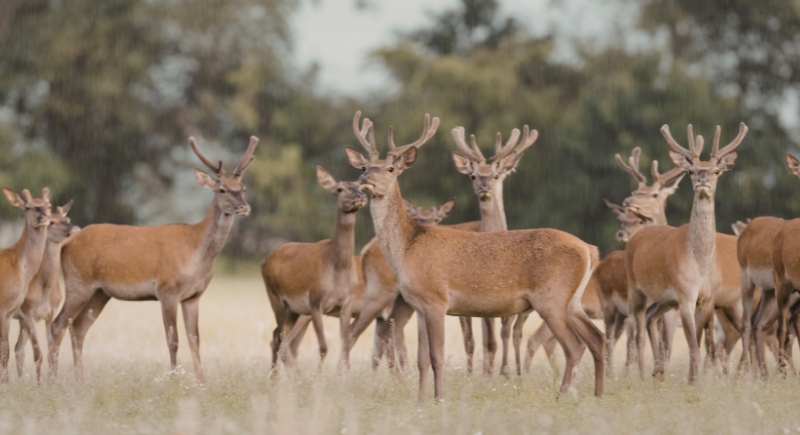
Without predators to keep them in check, deer populations have exploded across the UK. The consequence is overgrazing, which damages ecosystems and causes soil erosion. Woodlands can’t regenerate naturally when deer eat everything before it matures. This blocks the recovery of forests, peatlands, and heathlands that support other species. Lynx could potentially regulate deer numbers while creating a landscape where animals are on the move and not destroying vegetation.
The Timeline Could Take a Century
Credit: Wikimedia Commons
Bringing lynx back to Britain isn’t a quick process. Most animal reintroductions need a 30-year timescale, but large carnivores sometimes take up to a century, especially animals like this that reproduce slowly. The transition from enclosures to wild release would be in stages. Since the cats have been absent for so long, planners must carefully consider every aspect to avoid failure and help the animals survive without human intervention.