10 Marine Animals With Lifespans That Make Tortoises Look Young
Tortoises are usually known for living a very long time, with some giant species reaching close to 200 years. But the ocean takes that even further. Beneath the surface, there are animals that have lived through major shifts in human history, with lifespans so long that even the oldest tortoises start to look short-lived in comparison.
Greenland Shark
Credit: Getty Images
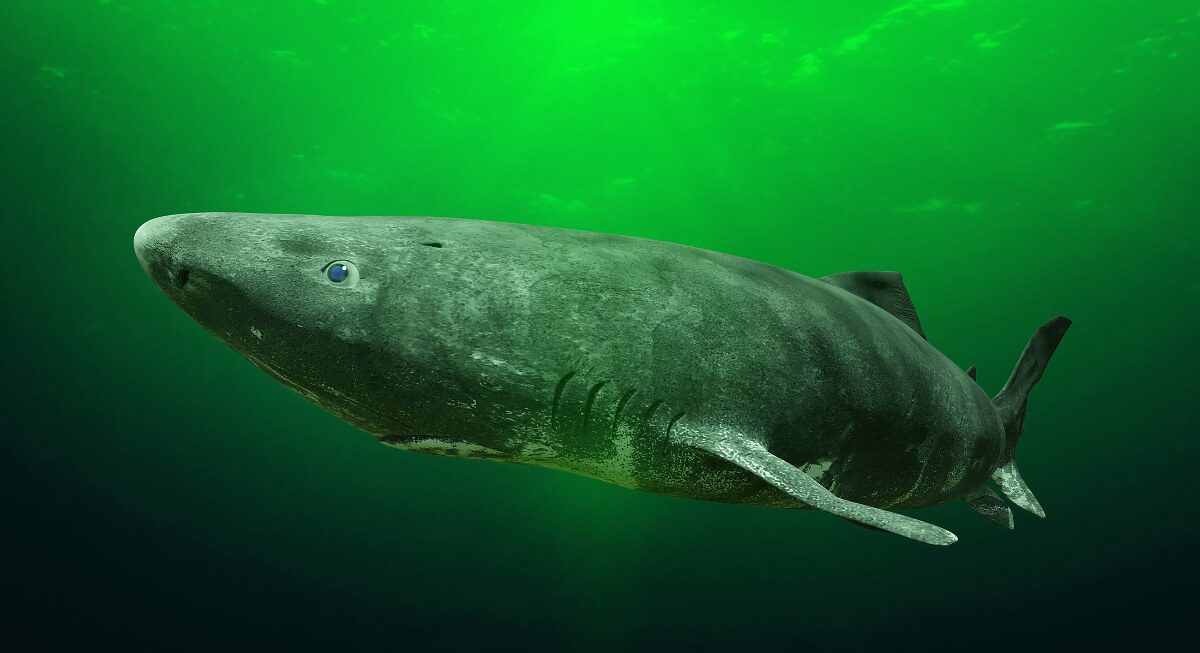
The Greenland shark moves through the icy Arctic waters at an extremely slow pace, spending most of its life in deep, cold environments. That slow rhythm seems to come with an unusually long lifespan. Scientists estimate they can live anywhere from 250 to 500 years, with one female, dated using radiocarbon methods, believed to be around 400 years old.
Ocean Quahog
Credit: Getty Images
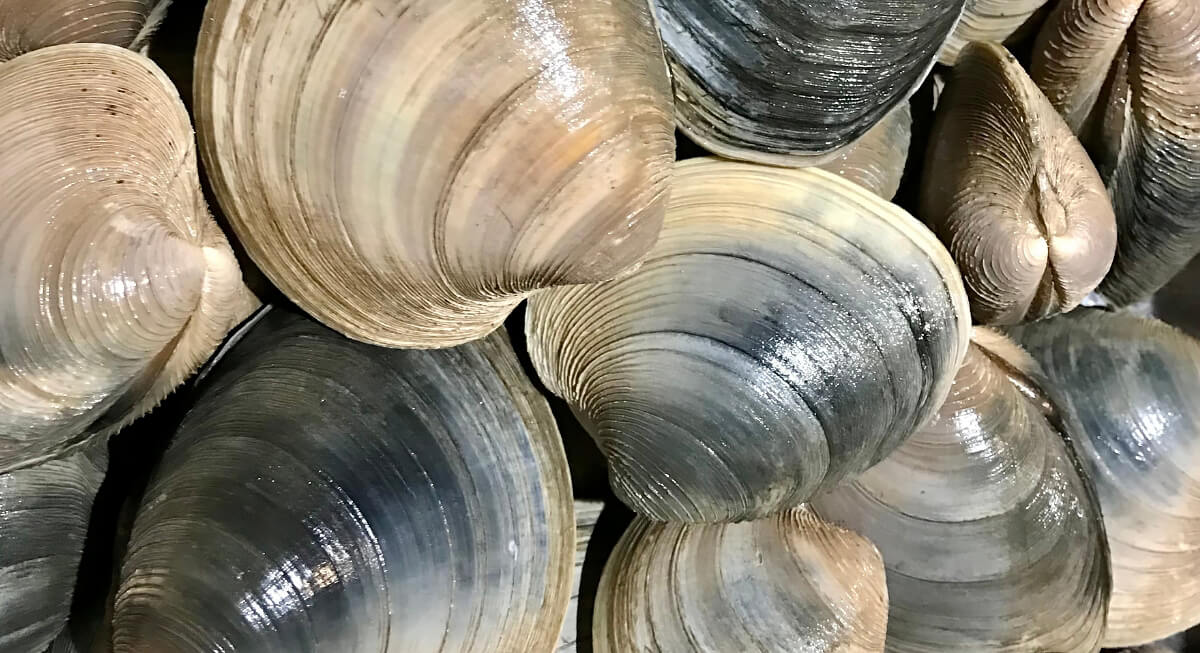
The ocean quahog looks like a simple clam on the outside, but its shell tells a very different story. By counting its growth rings, scientists discovered just how old it can get. The most famous example, nicknamed Ming, lived to an estimated 507 years. Born around 1499, it survived through the Renaissance, the rise of global exploration, and hundreds of years of human change.
Bowhead Whale
Credit: Wikimedia Commons
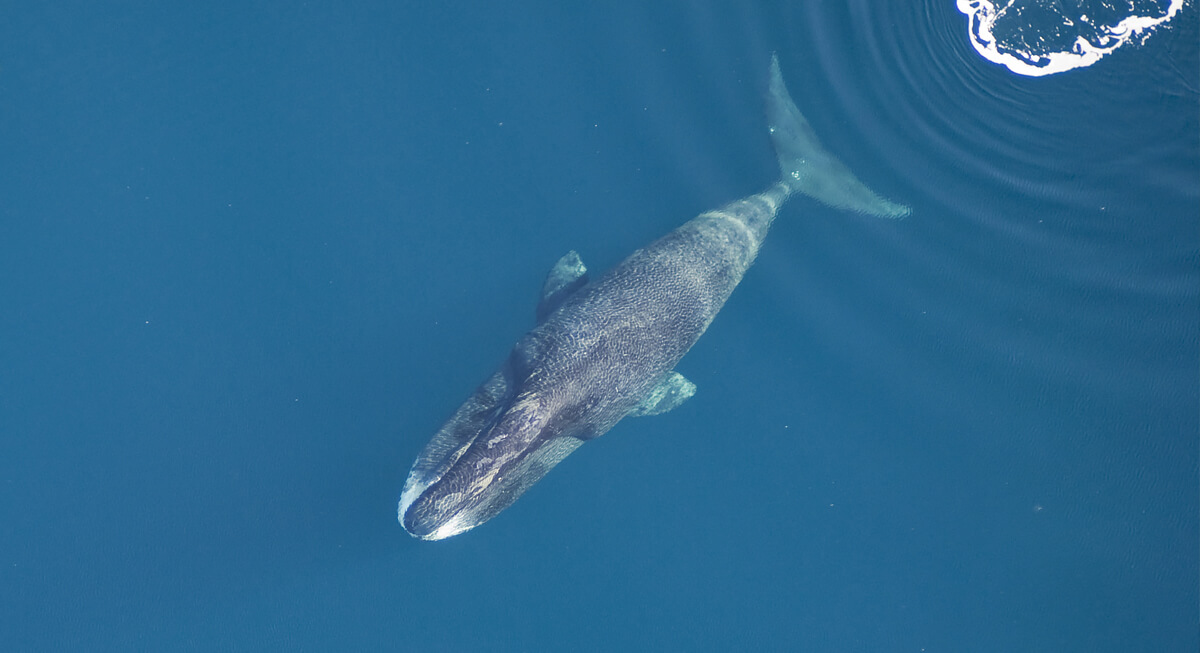
The bowhead whale holds the longevity record among mammals. Researchers have found evidence suggesting these Arctic giants can live for more than 200 years. One clue came from old stone harpoon points discovered embedded in whales harvested during modern times. Those weapons had not been used for generations.
Rougheye Rockfish
Credit: Youtube
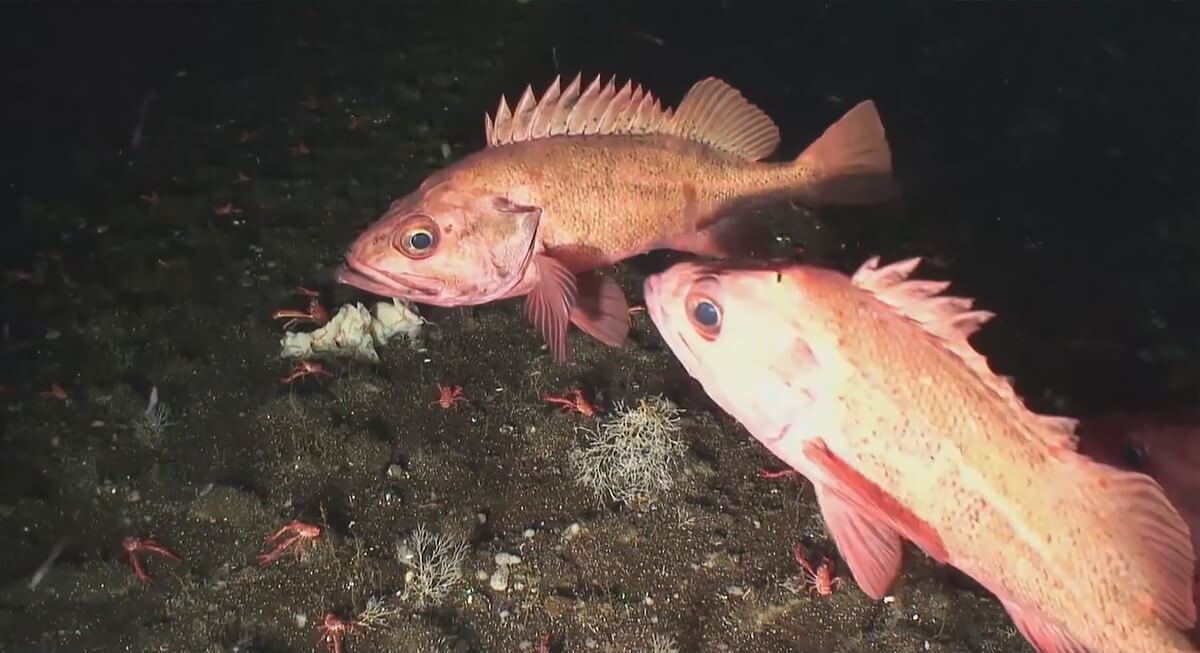
Living hundreds of feet below the surface along the Pacific coast, the rougheye rockfish grows slowly and matures later than many other species. Scientists have aged individuals to more than 200 years old. A fish hatched during the early nineteenth century could still be swimming today. That longevity also leaves the species vulnerable to heavy fishing pressure.
Black Coral
Credit: Wikimedia Commons
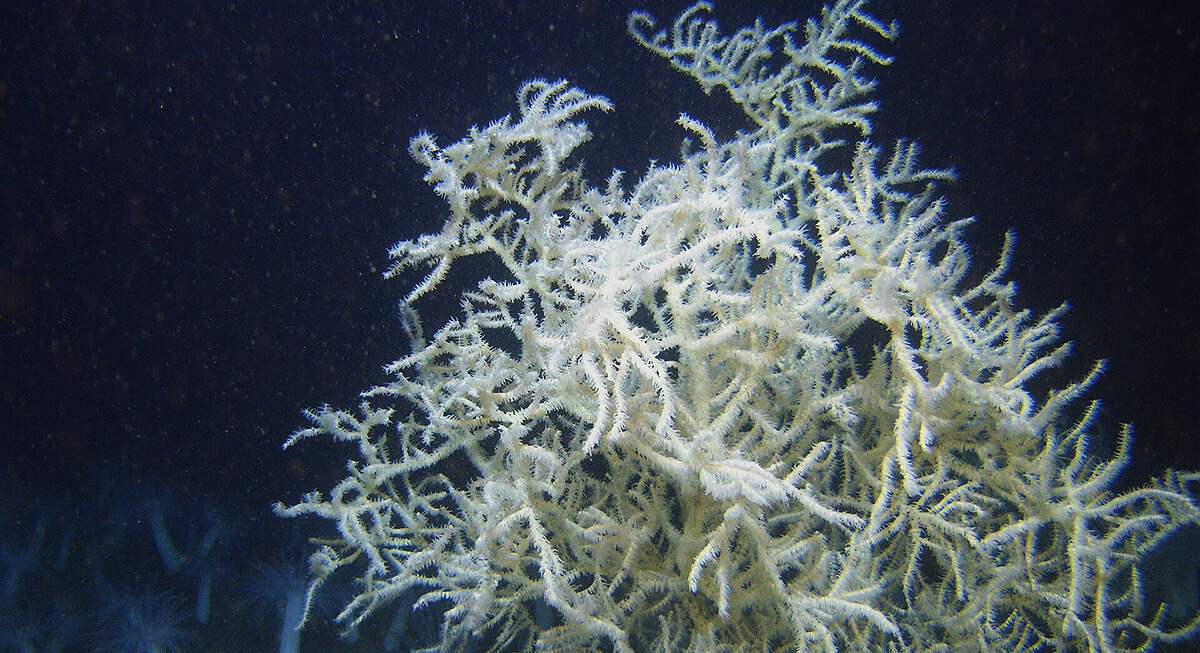
Black coral is often brightly colored underwater, with living colonies showing shades of yellow, red, or orange. Its name comes from the dark skeleton hidden beneath the surface. In 2009, scientists studied a deep-water specimen estimated to be over 4,000 years old. That colony began growing long before the Roman Empire reached its peak.
Geoduck
Credit: Wikimedia Commons
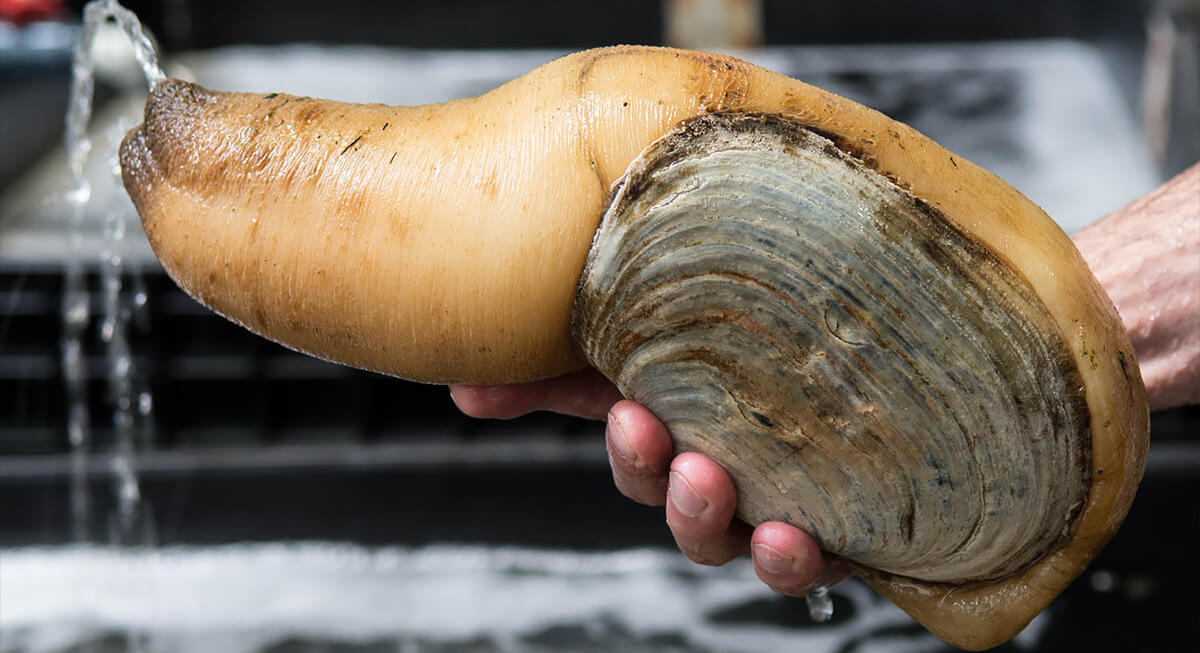
The geoduck has become famous for its unusual appearance, yet its lifespan deserves equal attention. Found along the Pacific Northwest coast, this giant burrowing clam can survive for more than 160 years. Young geoducks grow rapidly before settling into a much slower pace. Once buried deep in sediment, they gain protection from many predators. A
Red Sea Urchin
Credit: Getty Images
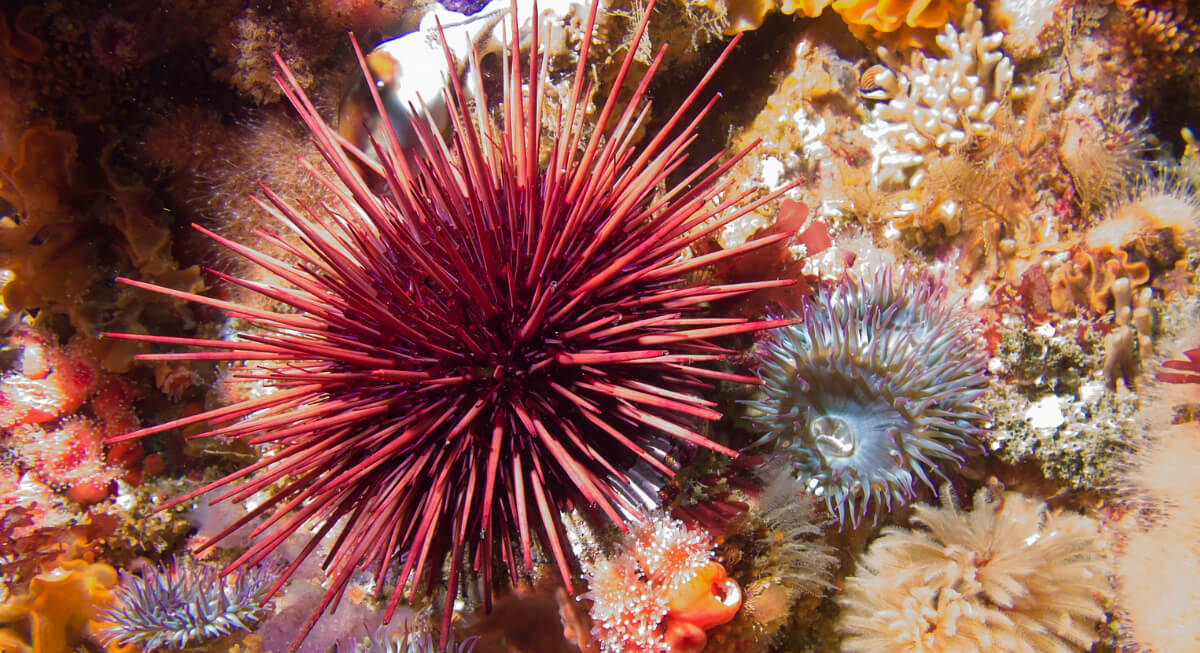
Red sea urchins living off British Columbia have been estimated to be nearly 200 years old. Researchers once assumed they survived only a fraction of that time. These spiny animals spend decades grazing on algae and kelp. Their growth slows dramatically with age, making it difficult to judge their years without careful scientific study.
Glass Sponge
Credit: Wikimedia Commons
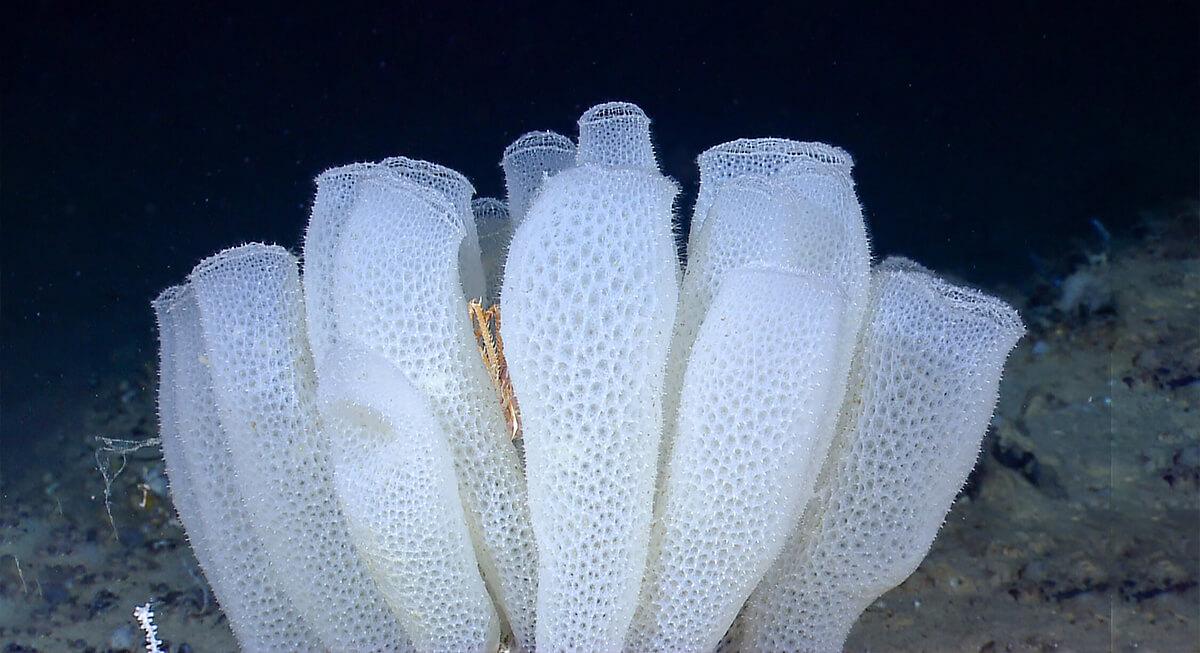
Glass sponge skeletons are made of silica, the same material found in glass. Deep beneath the ocean surface, vast reefs formed by these animals have persisted for thousands of years. Scientists studying reefs off Canada’s Pacific coast have identified structures estimated to be around 9,000 years old.
Immortal Jellyfish
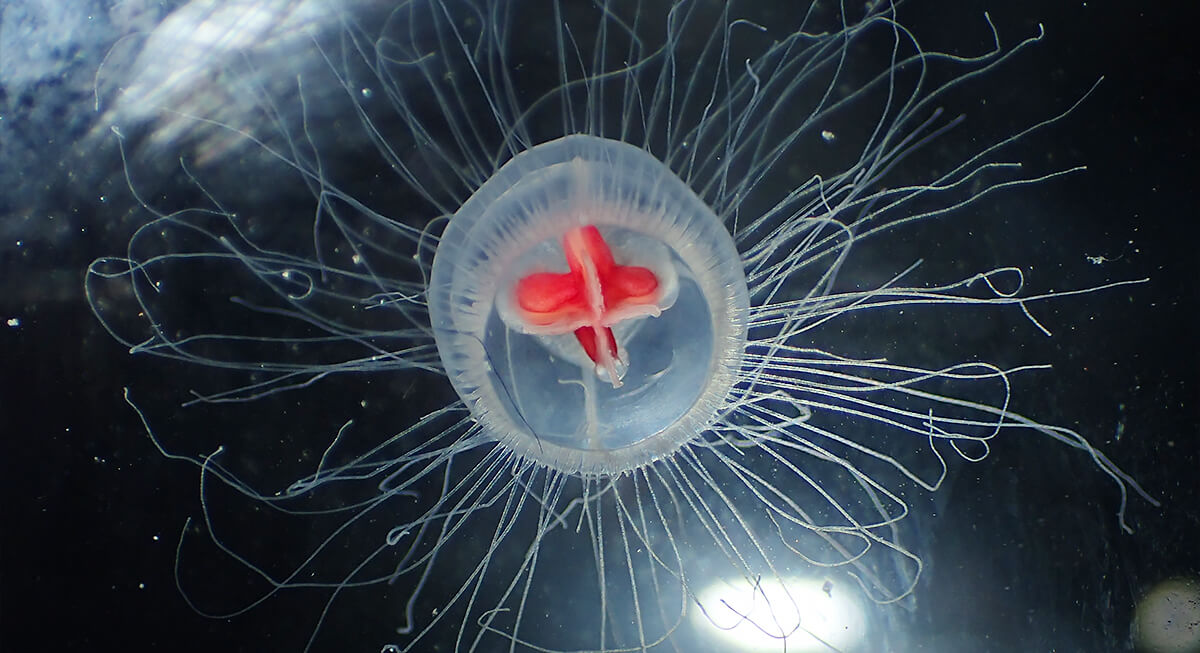
Credit: Wikimedia Commons
When faced with stress or injury, it can reverse its life cycle and return to an earlier developmental stage. Instead of progressing toward death through old age, it effectively starts over. Predators and disease still pose risks, so individuals are not guaranteed endless lives. Even so, few animals possess anything remotely comparable.
Farrea Occa
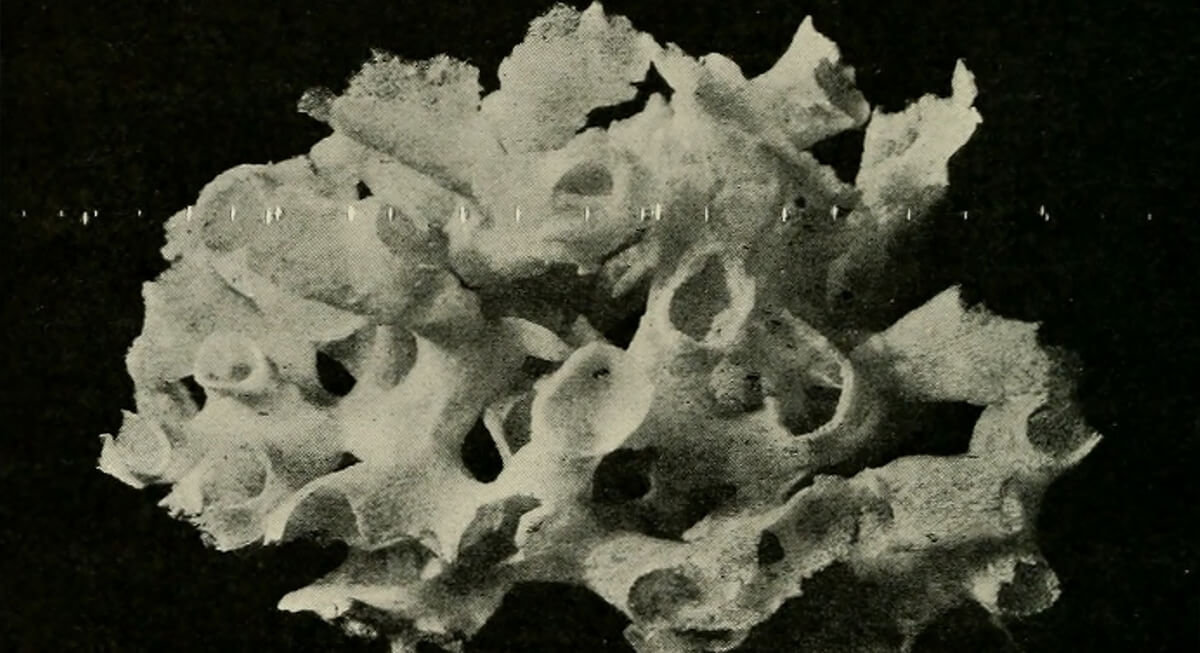
Credit: Wikimedia Commons
Farrea occa belongs to a group of glass sponges associated with some of the oldest living reef systems on Earth. Scientists estimate that certain formations linked to these sponges may be more than 10,000 years old. Surprisingly, the longest-lasting residents are not giant predators but stationary animals anchored to the seafloor.