Meet The New Aldi Style Disruptors Taking A Bite Out Of Sky-High Vet Bills
Vet bills are no longer the small, predictable costs many pet owners remember. In the United Kingdom, veterinary care prices rose by 63 percent between 2016 and 2023, and routine visits can now turn into major expenses. It is common to hear about four-figure charges, even for situations that start off as manageable concerns.
Some cases show how quickly costs can escalate. One dog owner was charged £7,783.77 for an emergency procedure in October 2023, with insurance covering less than half. Another faced a £12,000 bill after what began as a normal walk. Experiences like these have pushed more owners to ask why prices have climbed so sharply and whether more affordable options are finally emerging.
Why Vet Bills Keep Climbing

Image via Canva/Pressmaster
Veterinary care has advanced fast. Clinics now offer complex surgeries, imaging, and long-term treatments that were once out of reach. That level of care comes with higher staffing costs, expensive equipment, and rising overheads. A single CT scanner can cost around £250,000, and running a clinic means covering wages, utilities, and specialized supplies.
Ownership has also changed. Back in 2013, only 10 percent of vet practices were controlled by large corporate groups. Today, that number is around 60 percent. Data from regulators show that corporate-owned clinics charge about 16.6 percent more, on average, than independent ones. At the same time, transparency has lagged. Around 84 percent of vet practice websites still don’t list prices, leaving pet owners in the dark until they’re already in the exam room.
The Transparency Crackdown

Image via iStockphoto/gorodenkoff
Regulators have stepped in with a series of changes aimed at pulling back the curtain. The Competition and Markets Authority confirmed that written prescription fees will not go past £21, with additional medicines capped at £12.50. Clinics will also need to publish clear price lists for common services and provide written estimates for treatments costing £500 or more.
Ownership disclosure is part of the plan, too. Clinics will state if they belong to a larger group, giving pet owners a clearer picture of who they’re dealing with. A price comparison system tied to the Royal College of Veterinary Surgeons is also on the way, designed to make it easier to shop around.
The Rise Of Budget-Style Vet Clinics
While regulators focus on transparency, a new group of clinics is trying something different. Independent practices and startups are developing pricing models that feel more predictable. Subscription plans are gaining traction, bundling routine care like checkups, vaccinations, and preventive treatments into a monthly fee.
This changes a lot of things because instead of reacting to surprise costs, pet owners can plan. Clinics also benefit by seeing animals earlier, catching health issues before they escalate into expensive emergencies. It’s a model that echoes what budget supermarkets did years ago by simplifying pricing and building trust through consistency.
Changing Expectations Around Pet Care
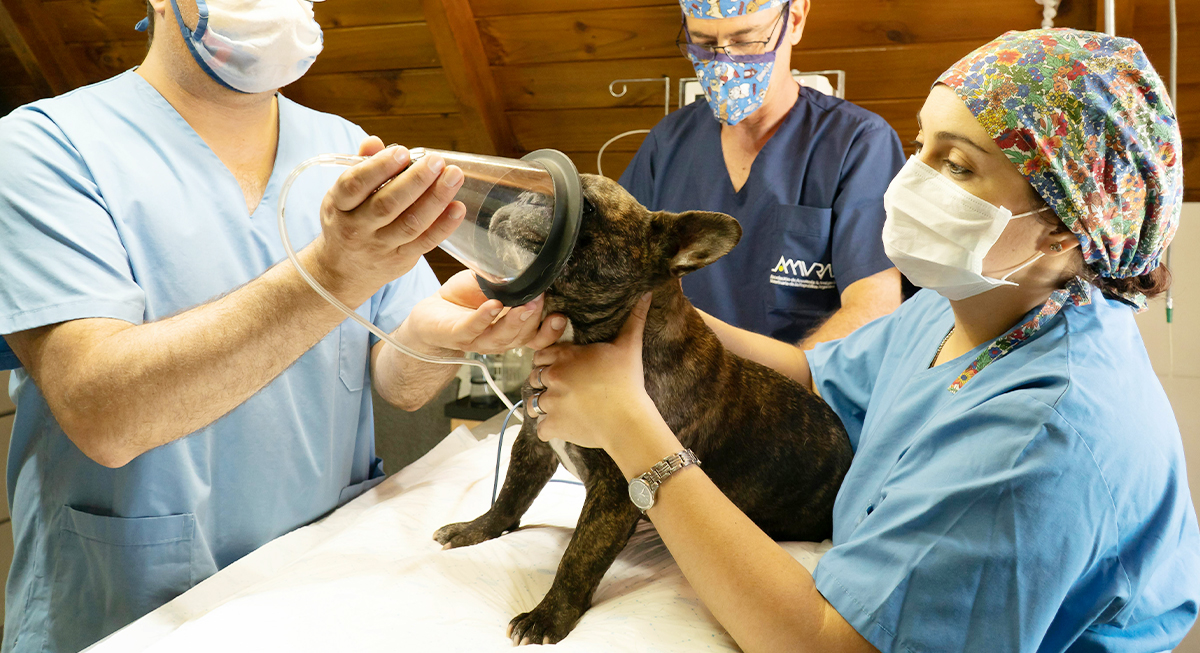
Image via Pexels/JUAN FIGUEROA
A growing number of owners expect care that is similar to human healthcare, and vets can now deliver it. That expectation increases costs, especially when advanced treatments become the standard option.
People should know that flat-faced dogs like pugs and French bulldogs often require ongoing care due to breathing issues, while other breeds carry genetic conditions that lead to frequent vet visits. These decisions incur long-term costs that many expect at the start.