How Much Milk From Different Animals Is Really Worth
Take a closer look at the dairy aisle, and it seems simple at first glance. You see cow’s milk, maybe a few plant-based options, and move on. Beyond that shelf, though, animal milk comes from far more sources than most people realize. Prices range from everyday affordable to extremely expensive, shaped by how much each animal produces, how rare it is, and how strong the demand is.
Cow Milk
Credit: Getty Images
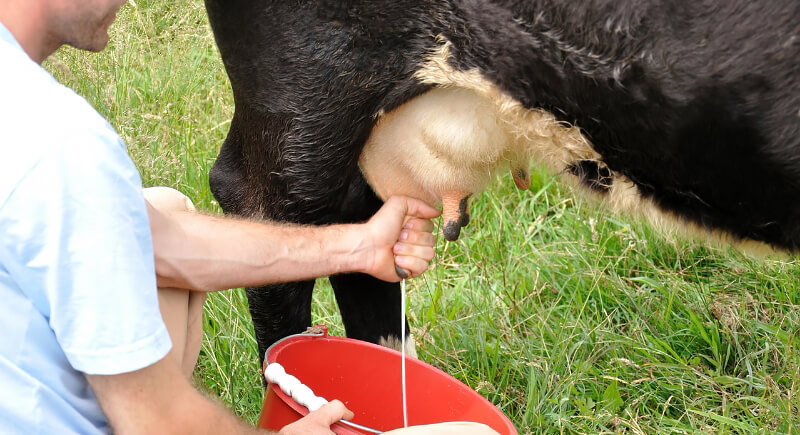
At around $0.98 per liter, it’s no surprise that this milk is a global default. Cows consistently produce large volumes, which keeps the supply high and the price relatively low. Nutritionally, it’s rich in protein, calcium, vitamin B12, and potassium in solid amounts. There’s hardly anything too fancy about it, but the numbers back up its reputation as a reliable staple.
Camel Milk
Credit: Youtube
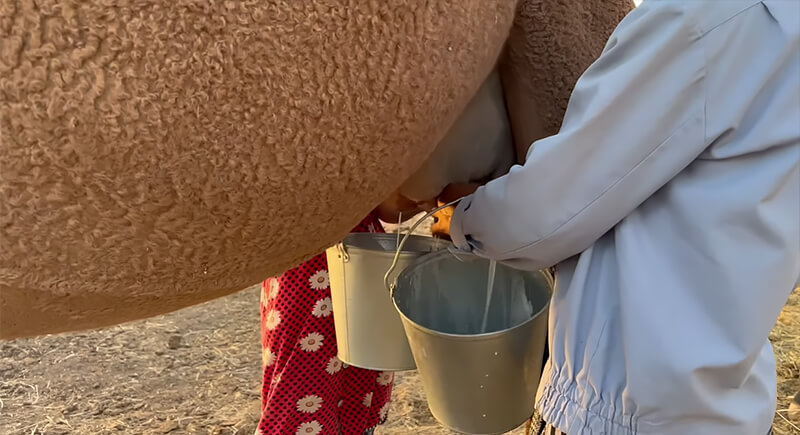
Milking camels commercially is hard because they don’t respond well to mechanical milking and require their calves nearby to produce milk. Retail camel milk can reach $26 per liter due to that logistical challenge. The nutritional profile is another justification because it contains low fat, high vitamin C, and insulin-like proteins that researchers have linked to improved blood sugar regulation.
Buffalo Milk
Credit: Wikimedia Commons
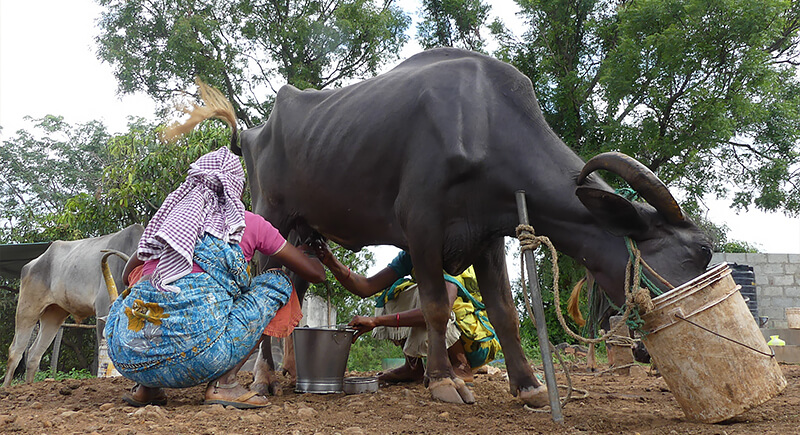
Buffalo milk usually costs a bit more than cow’s milk, ranging from about $1.10 to $1.80 per liter in some countries. It contains nearly twice the fat of cow’s milk, which makes it ideal for producing ghee and firm, high-quality paneer across South Asia. India and Pakistan produce most of the world’s buffalo milk. Its higher protein and fat content also mean it delivers more calories per serving.
Llama Milk
Credit: Youtube
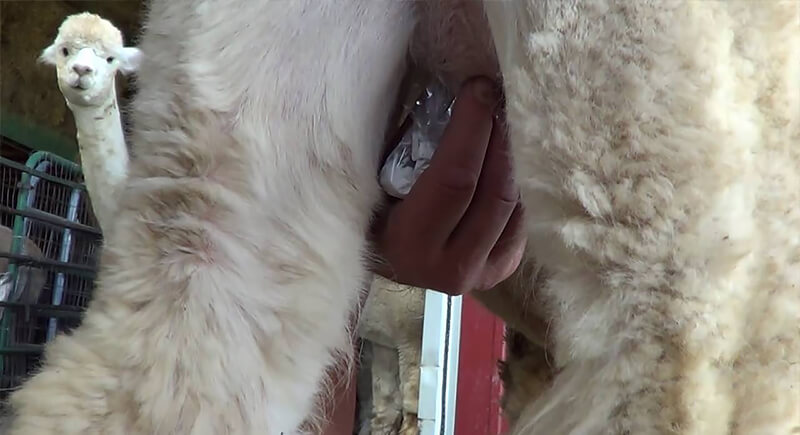
Llama milk doesn’t get much global attention, but some researchers are paying closer attention to it. Produced in small quantities across the Andean regions of Peru and Bolivia, it’s known for its varied composition. Market pricing data is limited, but the limited supply and high production costs might suggest a premium price. While scientists have flagged it as a potential hypoallergenic alternative, anyone with a severe cow’s milk allergy should follow a healthcare professional’s advice.
Sheep Milk
Credit: Getty Images
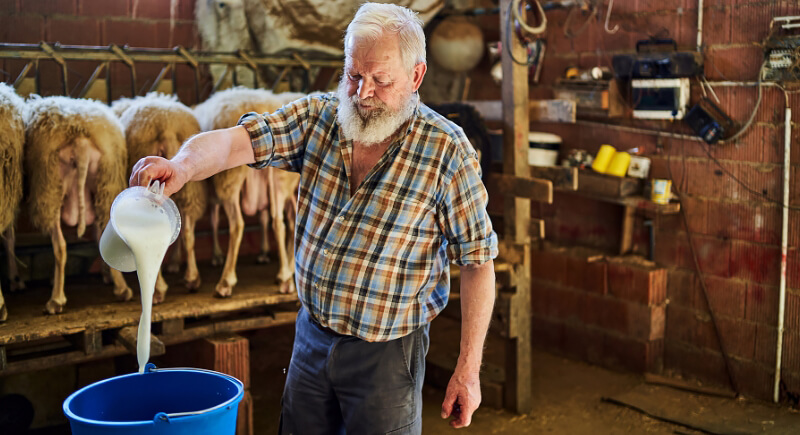
Sheep milk often costs more than $8 per liter, though many people consume it in cheese without realizing it. Well-known cheeses like Pecorino Romano and Manchego are made from sheep’s milk. It contains significantly more calcium than cow’s milk, and its fat-to-protein balance makes it ideal for aging. Ewes usually produce about one liter per day, and that limited yield keeps prices high.
Goat Milk
Credit: Wikimedia Commons
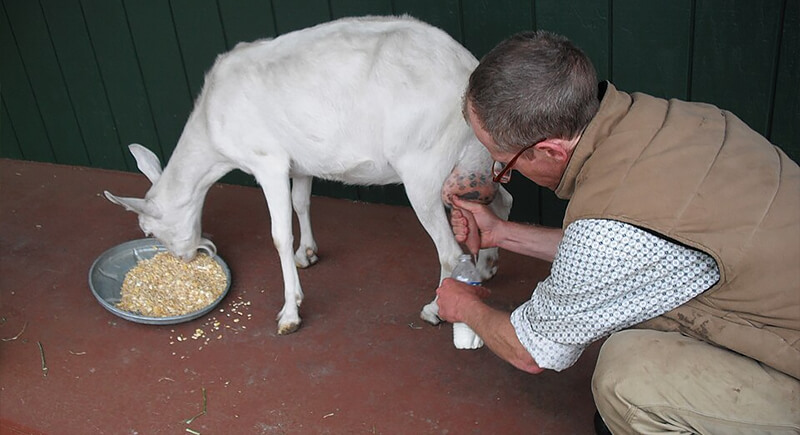
Goat milk contains smaller fat molecules, which makes it easier for many people to digest. This structure allows digestive enzymes to break it down more efficiently. Regular goat milk typically costs between $6 and $9 per liter. Cultured versions cost more and contain probiotics that support gut health. In the U.S., sales of goat milk products have steadily increased over the past decade.
Donkey Milk
Credit: Youtube
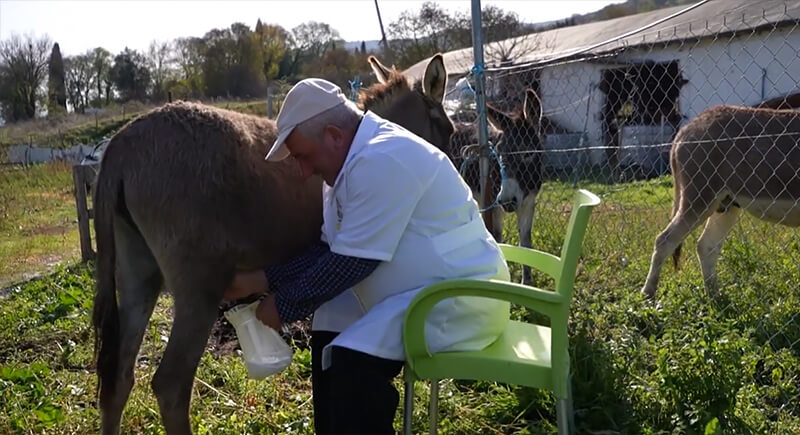
A donkey produces only about one liter of milk per day, which keeps supply low and prices high. Its whey protein and lactose levels are closer to human breast milk than cow’s milk, drawing interest as a possible option for infants with cow milk allergies. Donkey milk also appears in historical beauty traditions, though modern dermatology research does not consistently support those skincare claims.
Yak Milk
Credit: Youtube
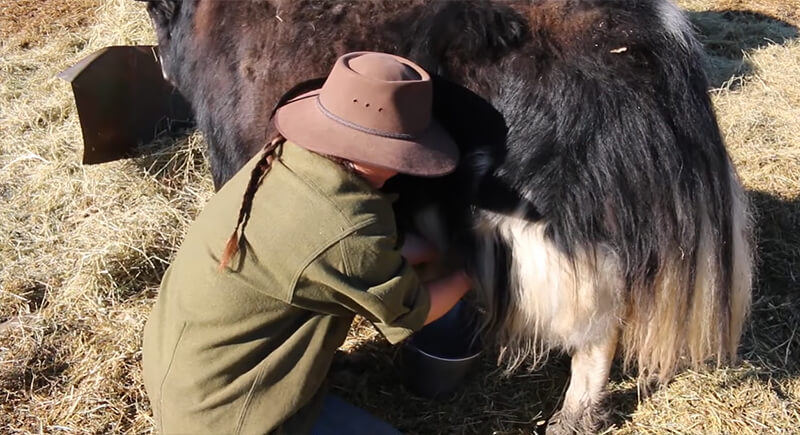
Yak milk contains around 7% fat and is an important ingredient in the traditional butter tea consumed daily in Tibet and the Himalayan regions. The animals aren’t factory-farmed, which keeps supply tight and the target audience and price rate vague. What makes yak milk nutritionally distinct is its high conjugated linoleic acid content, though clinical outcomes studies on potential benefits in humans remain unsettled.
Reindeer Milk

Credit: Youtube
Few documented milks come close to reindeer milk in fat concentration. For context, it contains roughly 22%, compared to cow milk’s 3.5%. That richness is vital for reindeer calves that need energy storage to survive Arctic conditions. Indigenous Sámi communities across Scandinavia and Russia have relied on it for centuries as a high-calorie food. While it’s absent in retail markets, prices can exceed $30 per liter in rare trades.
Mare’s Milk

Credit: Youtube
Kazakhstan and Mongolia have built an entire cultural tradition around horse milk, fermenting it into a mildly alcoholic drink for centuries. The milk itself is low in fat and high in lactose, giving it a noticeably thinner consistency than most animal milks. In European specialty markets, fresh mare’s milk sells for $9.5 per liter. A trial from Jena examined potential benefits for people with skin conditions.