10 Animals Whose Names Are Shockingly Misleading
Animal names often say more about the people who coined them than the creatures themselves. Early explorers, sailors, traders, and scientists relied on first impressions, loose comparisons, and familiar words to label unfamiliar life. Once those names caught on, they rarely changed, even as biology filled in the details. These animals carry labels shaped by history, habit, and misunderstanding.
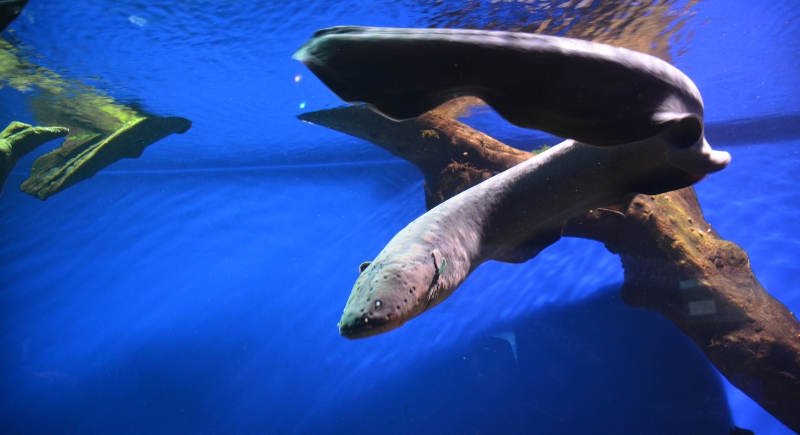
Electric Eel
Credit: Wikimedia Commons
Nineteenth-century naturalists grouped animals by shape long before genetics entered the picture. The long, slippery body of the electric eel pushed it into the eel category by default. Later research unraveled that assumption by revealing a freshwater knifefish with air-breathing habits and specialized electric organs that no true eel possesses.
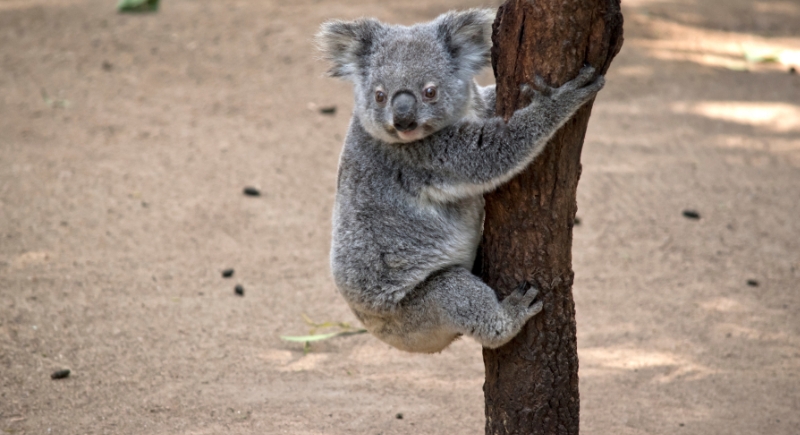
Koala Bear
Credit: Getty Images
When British settlers first encountered koalas, they reached for the closest reference they had. A round body, dense fur, and tree-dwelling behavior felt familiar enough to borrow the word “bear.” The name settled into everyday use long before zoologists clarified its marsupial biology and deep evolutionary separation from placental mammals.
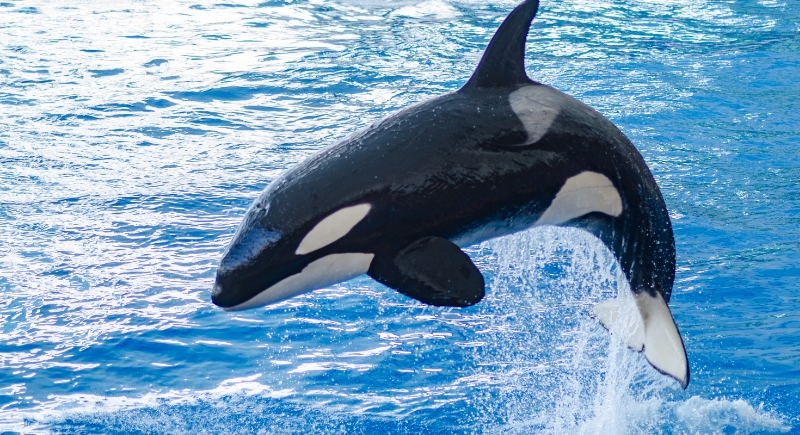
Killer Whale
Credit: Getty Images
Whaling crews in the 18th and 19th centuries paid close attention to cooperative hunters at sea. They watched orcas work together to attack much larger whales and described the behavior in plain language. Later anatomical studies showed that these animals share skull structure, teeth, and communication patterns with dolphins, not with baleen whales.
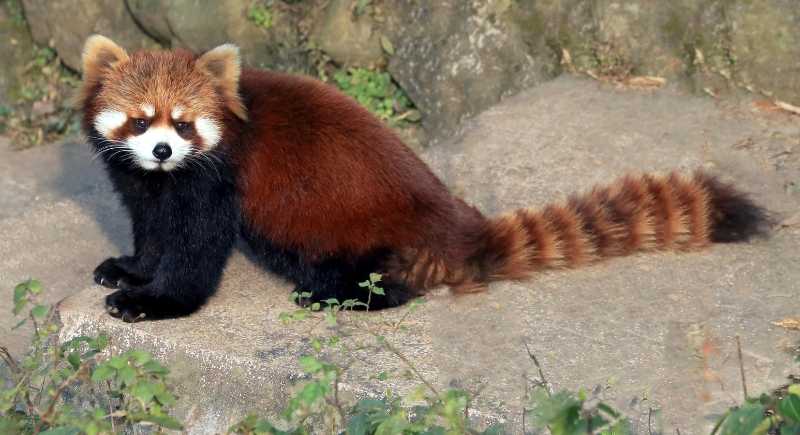
Red Panda
Credit: pexels
Long before zoos or textbooks existed, Himalayan communities named a small tree-dwelling mammal that fed heavily on bamboo. European naturalists adopted that local word in the 1800s. Decades later, a larger black-and-white species entered Western science and borrowed the same name, which led many people to assume the two animals were closely related. Genetics later showed that they are not.
Mountain Goat
Credit: Getty Images
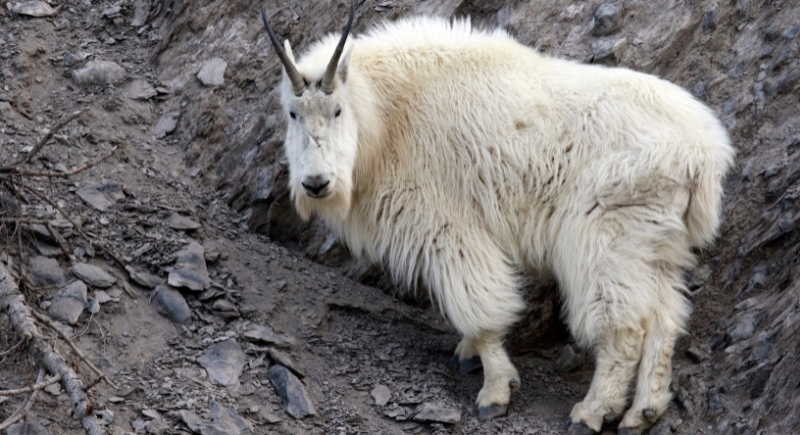
People didn’t give the mountain goat its name after studying bones or genetics. Early explorers mapping the Rockies in the early 1800s kept encountering this animal on steep cliffs where goats were already known to live. Based on that resemblance, the name stuck. Later anatomical and genetic studies showed it is not a true goat at all and is more closely related to antelope-like species than to goats.
Maned Wolf
Credit: Wikimedia Commons
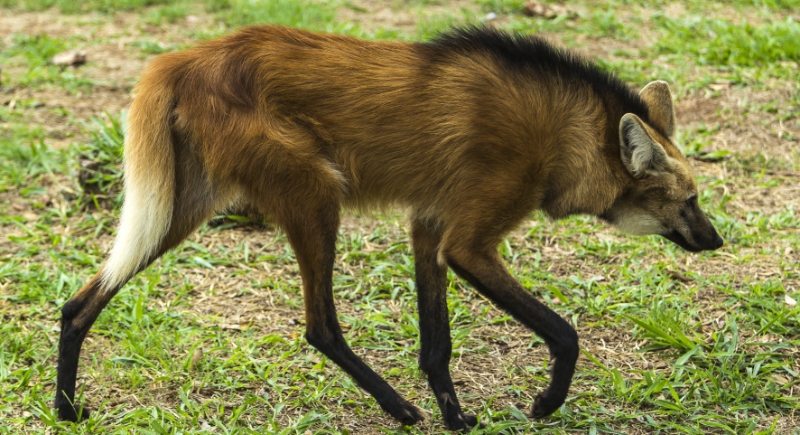
In Brazil’s grasslands, locals knew this animal as a long-legged hunter that didn’t behave like a wolf pack member. It prowls alone, eats rodents, and relies heavily on fruit, especially the lobeira. The name “Maned wolf” came from its tall frame and dark mane, but genetics put it in its own genus.
Flying Fox
Credit: Getty Images
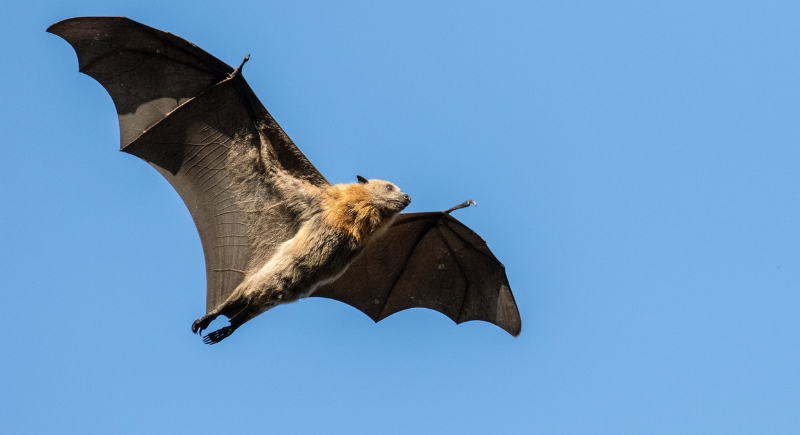
The name came from a face people couldn’t ignore. Hanging in daylight with long snouts and watchful eyes, these bats reminded early observers of foxes more than rodents or birds. The visual shorthand stuck, especially on islands, where it became a key pollinator and seed disperser for entire forest systems.
Guinea Pig
Credit: pexels
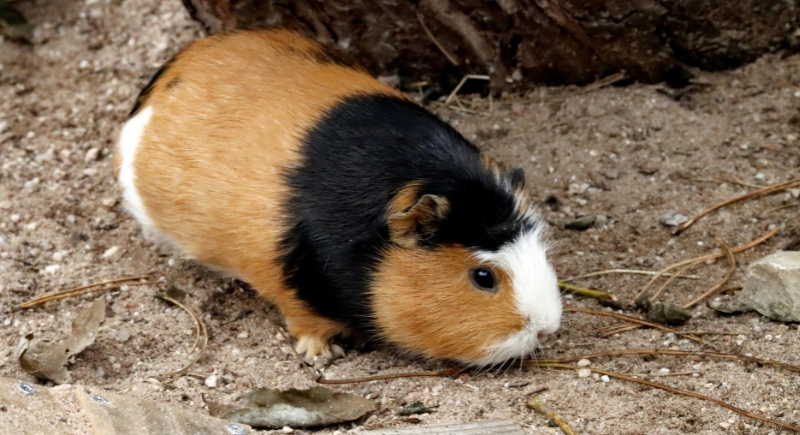
Spanish traders encountered this rodent in the Andes, where it had already been domesticated for food for thousands of years. When it reached Europe, no one knew its origin. The name likely mixed shipping routes, squealing sounds, and unfamiliarity, turning a South American animal into something that sounded African and porcine.
Horned Toad
Credit: Wikimedia Commons
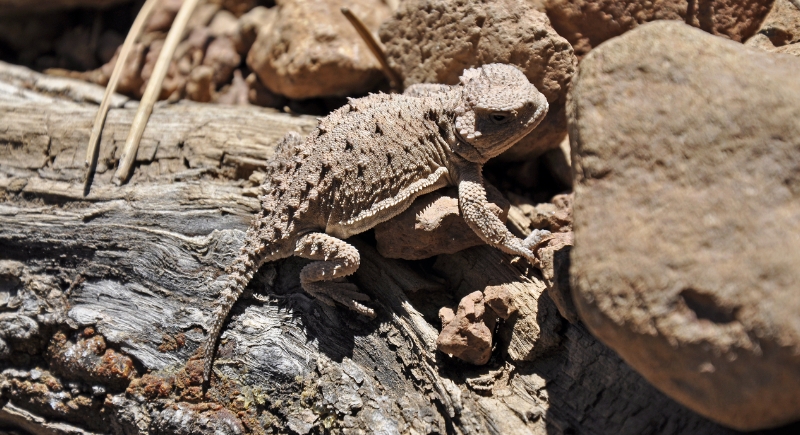
Early field guides in the American West often named animals by silhouette. A squat body, blunt face, and still posture made this lizard look “toad-like,” so “horned toad” spread. It’s actually a Phrynosoma lizard, famous for eating ants and, in some species, shooting blood from the eyes.
American Buffalo
Credit: Wikimedia Commons
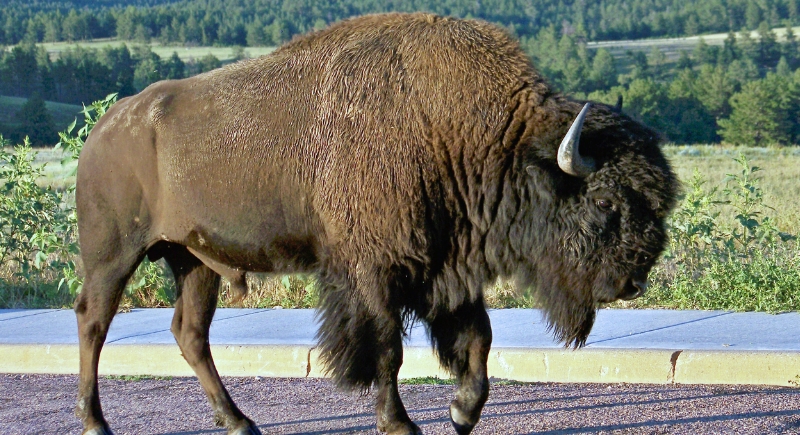
As wagon trains crossed the plains, settlers borrowed the word “buffalo” from earlier travel accounts to describe the massive herds they encountered. The name stuck in everyday use long before scientific classification clarified that the animal is actually a bison, not a true buffalo. Despite the inaccuracy, the label stayed, even as the species became central to Indigenous cultures, westward expansion, and a near-catastrophic population collapse caused by overhunting.