10 Commonly Misread Dog Body Language Signals and What They Actually Mean
Dogs are always communicating, even when they are not making a sound. The challenge is that many of their signals are easy to misread. A wagging tail, a yawn, or a belly-up position can seem friendly at first glance, but they often mean something else entirely. Misunderstanding these cues can create stress for the dog and lead to situations that escalate quickly if the warning signs are missed.
Tail Wagging Doesn’t Always Mean Happiness
Credit: Canva
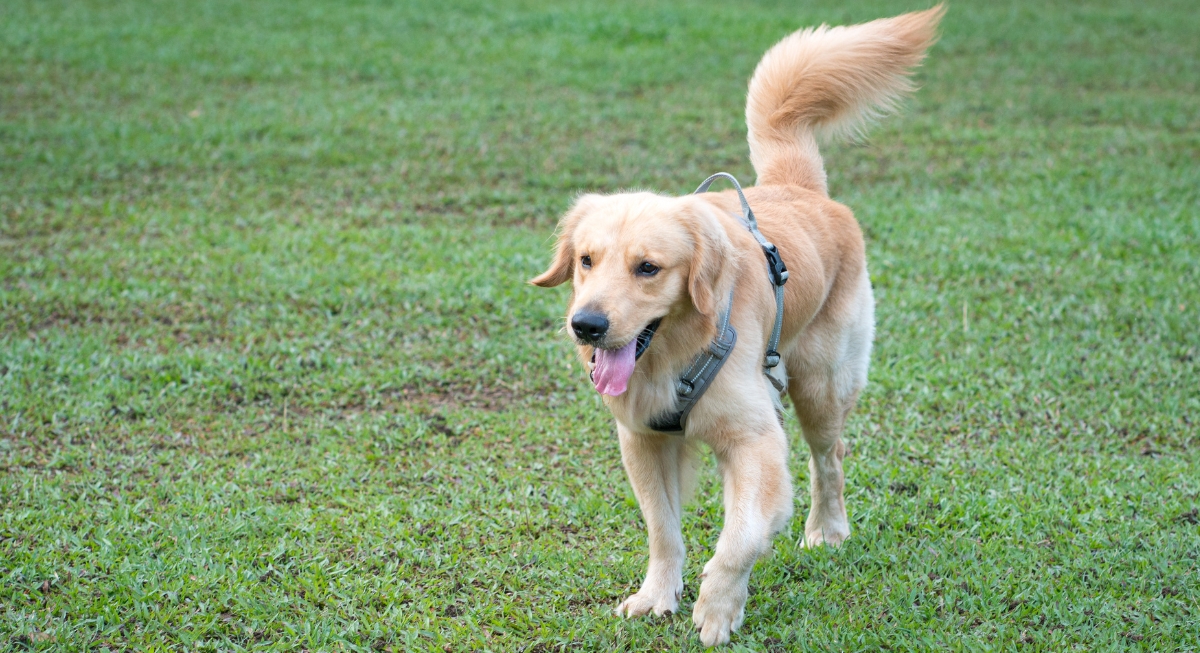
A wagging tail does not automatically mean a dog is happy. It signals emotional arousal, which can range from excitement to tension. A loose, wide wag at a neutral height usually reflects a relaxed state, while a high, stiff wag can indicate alertness or discomfort. To understand what a dog is feeling, you need to look beyond the movement and pay attention to the tail’s position, speed, and stiffness.
Showing the Belly Isn’t Always an Invitation
Credit: Getty Images
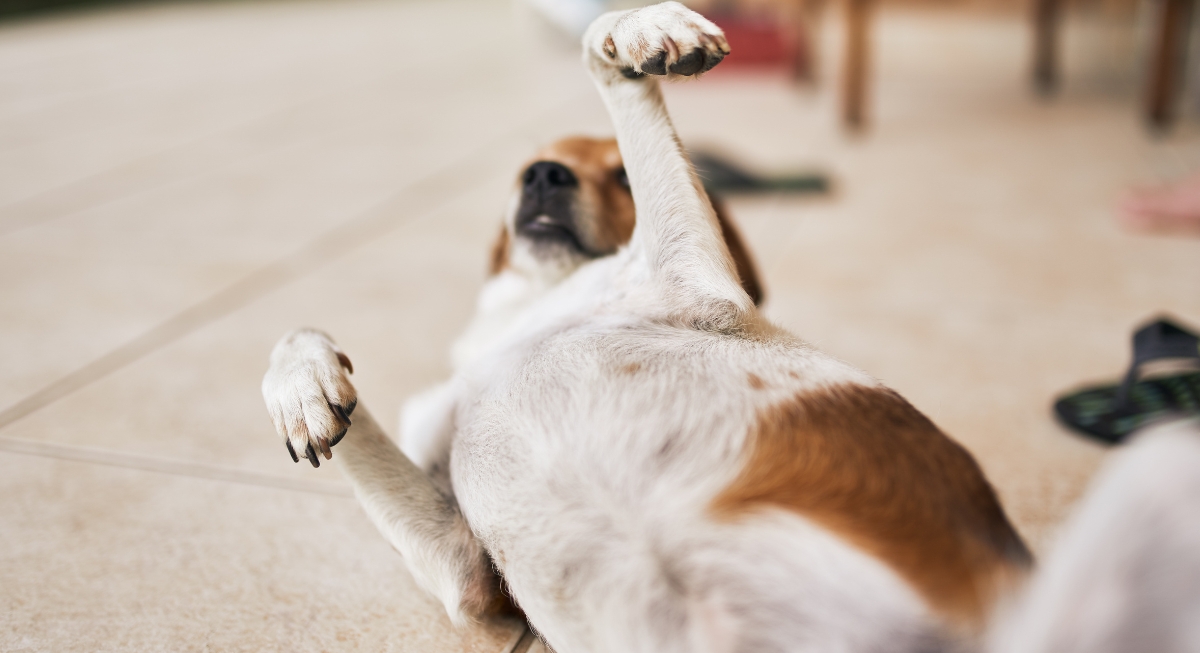
Rolling onto the back often gets read as a request for belly rubs, but that is not always the case. Many dogs do this to signal submission or uncertainty, trying to show they are not a threat. Moving in too quickly at that moment can make them more uneasy rather than building trust, so it helps to pause and read the rest of their body before reacting.
The Play Bow Isn’t Aggression
Credit: Getty Images
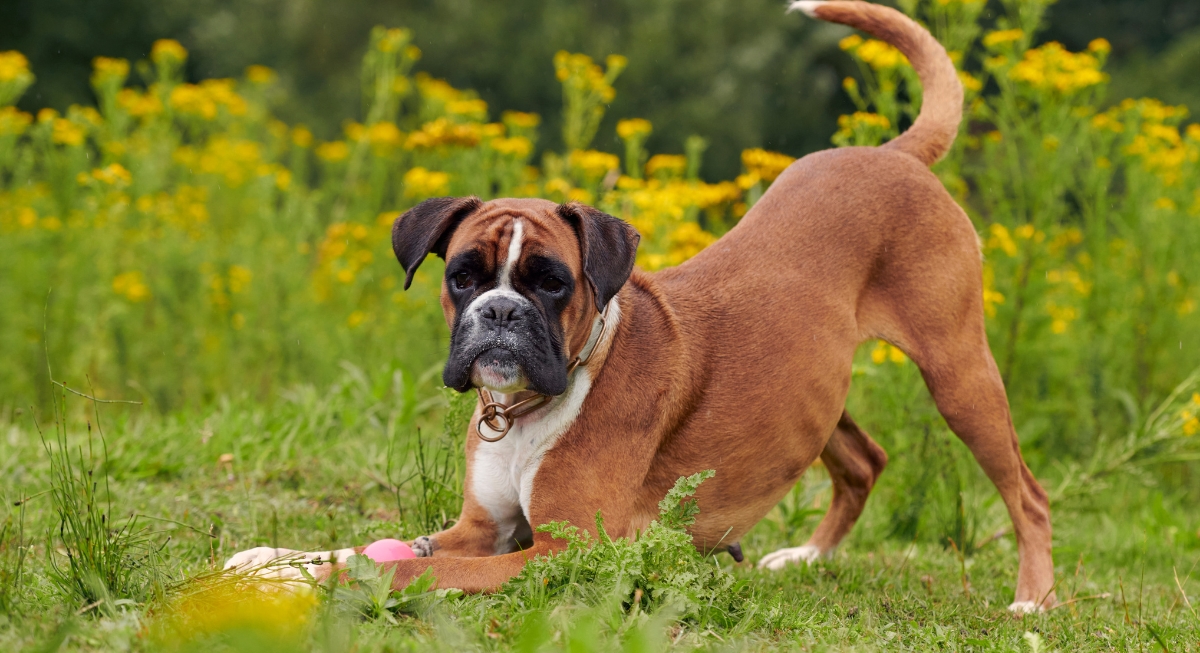
When a dog lowers its front legs and keeps its rear raised, it can look like a lunge setup. In reality, this posture is a clear invitation to play. Dogs use it to signal that any following actions are friendly, even if they appear rough. It often appears before chasing, bouncing, or mock attacks.
Lip Licking Often Signals Stress
Credit: Getty Images
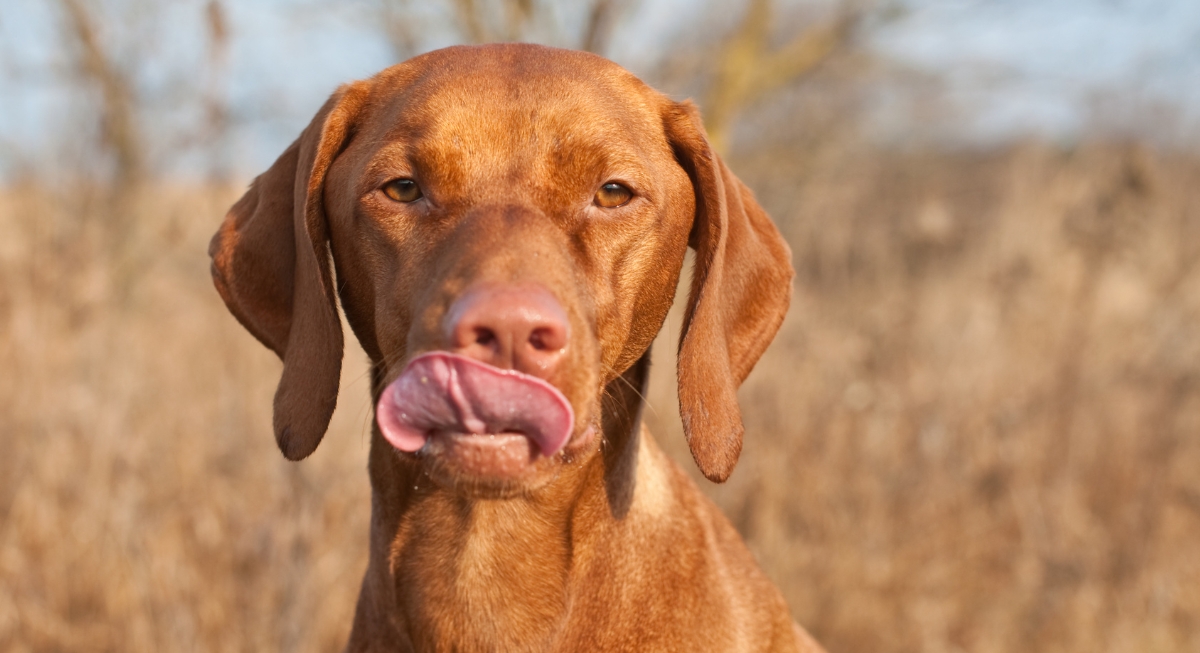
Lip licking is often mistaken as a sign of hunger or anticipation, but in many situations, it points to stress. Dogs use it as a calming signal when they feel uneasy or unsure. If you notice repeated lip licking in a new or tense environment, it usually means the dog is trying to cope with discomfort and is not fully at ease.
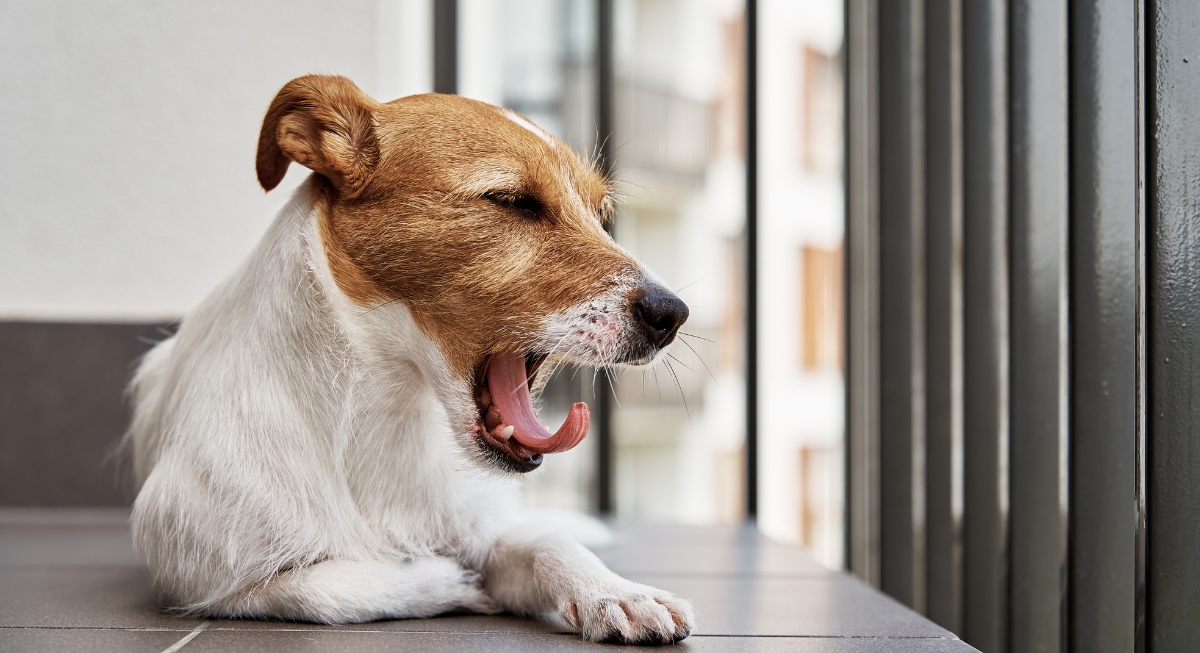
Yawning Isn’t Just About Being Tired
Credit: Canva
When your dog yawns, it does not always mean they are sleepy. It often shows up in moments when they feel uneasy or overwhelmed, helping them release tension. You might notice it during training, at the vet, or when they are around new people. When it comes with other signals, it usually reflects discomfort rather than simple tiredness.
“Whale Eye” Signals Discomfort

Credit: Getty Images
You might notice your dog turn their head slightly while keeping their eyes locked on something, with the whites clearly visible. This look, often called “whale eye,” usually means they are feeling uneasy or on edge. They are trying to avoid direct conflict while still tracking what is bothering them. In that moment, stepping back and giving them space helps prevent further stress.
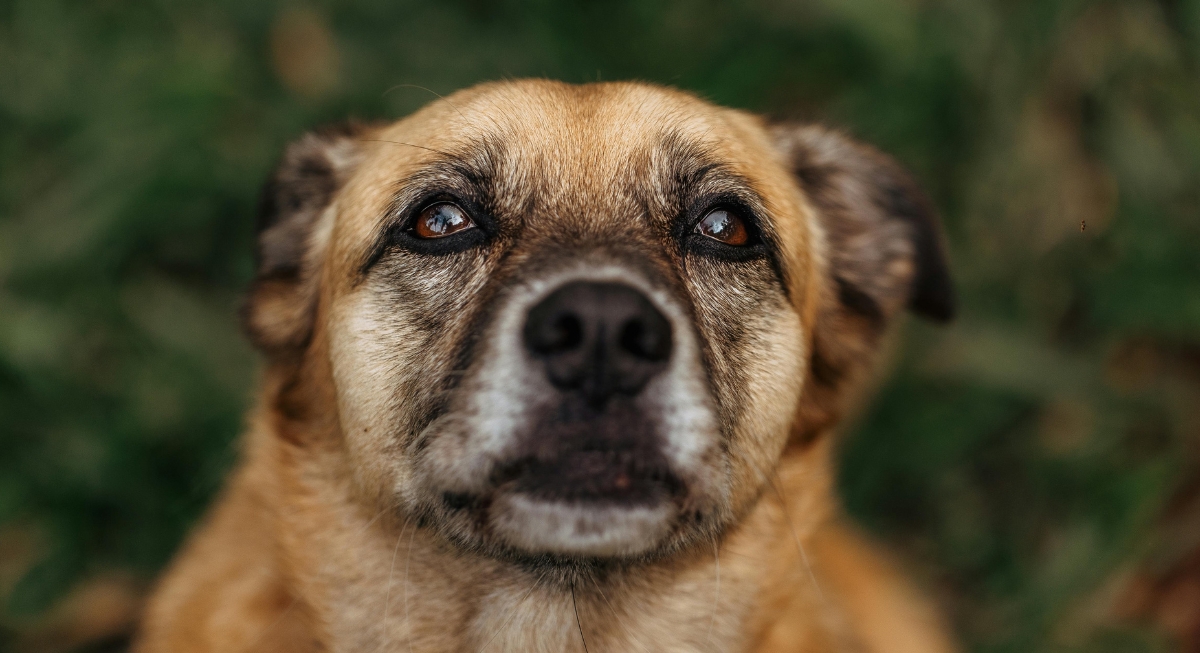
Pinned-Back Ears Aren’t Always Friendly
Credit: pexels
Ears pulled back are sometimes mistaken for a relaxed or affectionate expression. In many cases, they signal fear, stress, or submission. When combined with a tense body or lowered posture, they indicate the dog is uncomfortable and trying to avoid escalation. Context is key when interpreting ear position.
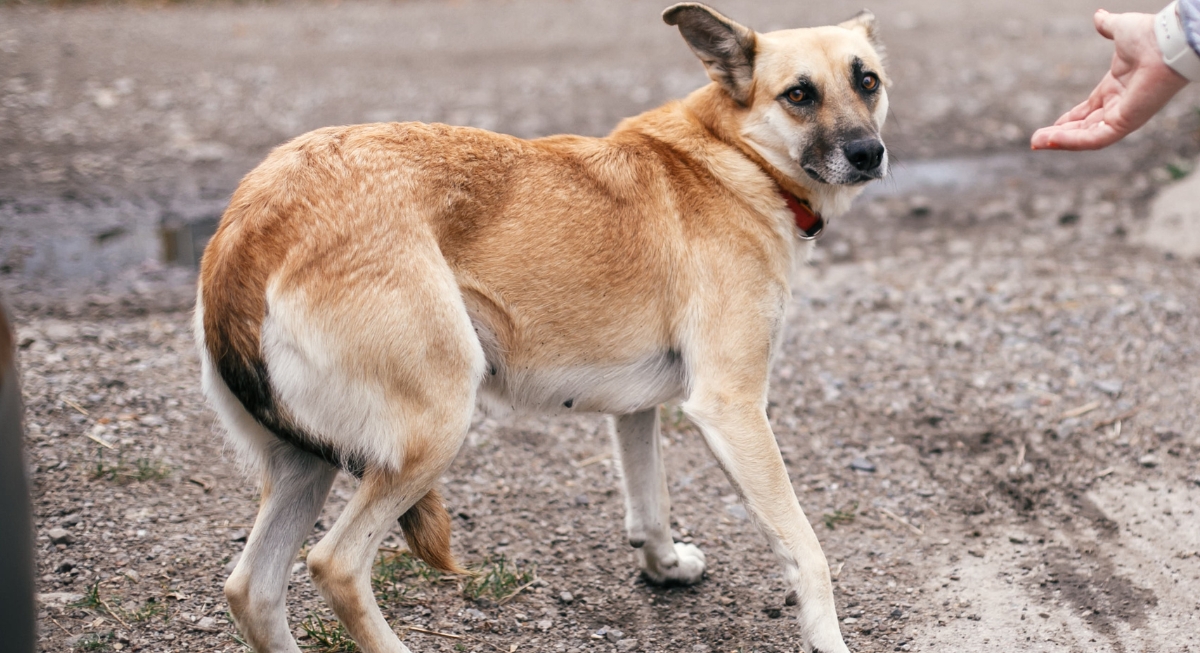
A Stiff Body Is a Warning Sign
Credit: Canva
Stillness can be mistaken for calm behavior, but a frozen or rigid posture often signals the opposite. Dogs tend to stiffen when they feel threatened or unsure. This moment can come right before a defensive reaction. A loose, moving body signals comfort, while stiffness signals caution.
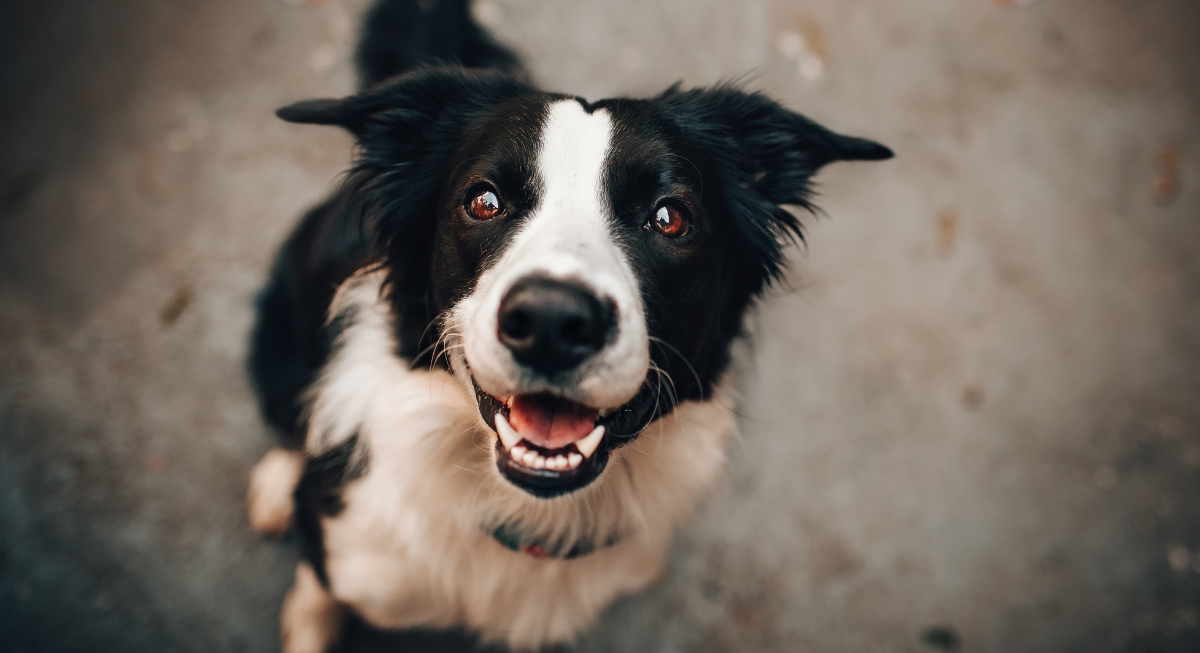
Direct Eye Contact Can Be a Challenge
Credit: pexels
People often view eye contact as a sign of trust, but in dogs, it can signal tension or a challenge. A hard stare with little blinking may indicate discomfort or readiness to react. Softer eyes and relaxed facial expressions are more reliable indicators of a calm and friendly dog.
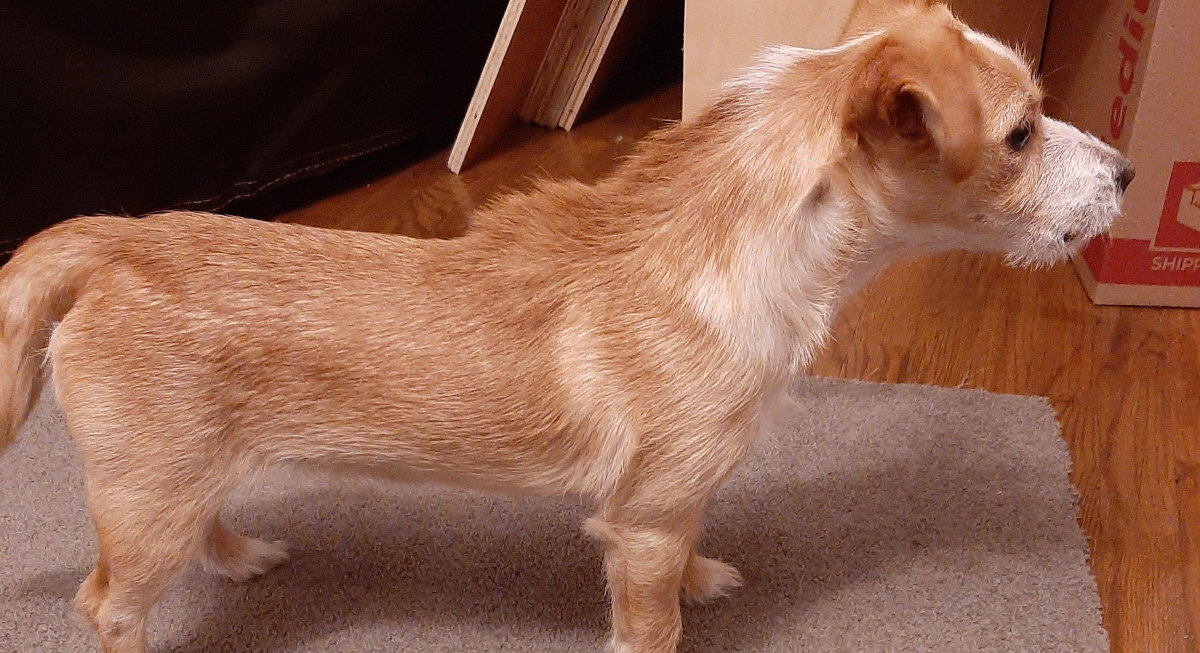
Raised Hackles Don’t Always Mean Aggression
Credit: Reddit
When a dog’s fur stands up along its back, many assume it’s aggressive. In reality, raised hackles signal arousal, which can include excitement, fear, or alertness. It simply means the dog is highly stimulated. The surrounding body language determines whether that energy is positive or negative.