10 Signs Your Mixed-Breed Puppy Might Surprise You
Bringing home a mixed-breed puppy comes with a strange little thrill. Shelter labels can only guess so much, and young dogs often change in ways nobody expects. A fluffy pup may end up looking sleek and athletic. A sleepy couch companion could suddenly start herding children around the kitchen. Mixed breeds keep people guessing in the best way possible, and many owners discover their dog’s personality long before they fully understand its genetics.
Those Tiny Legs Never Get Taller
Credit: pexels
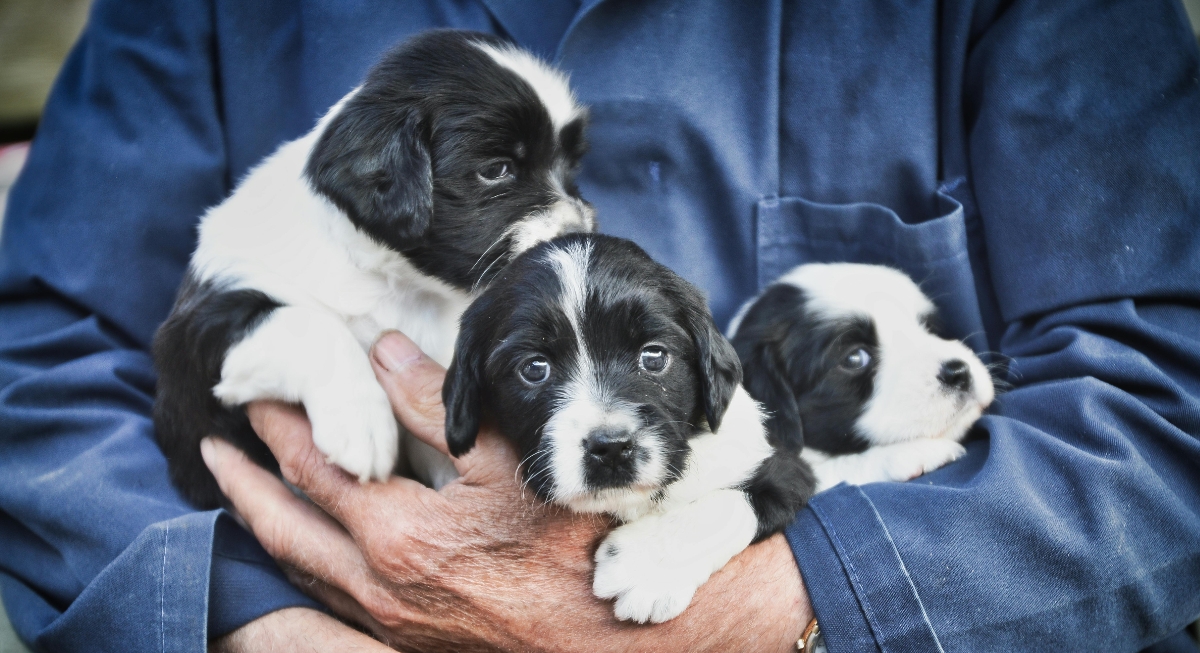
A puppy can look built for long-distance running at eight weeks old, then stop growing halfway up. Owners often notice this with dogs carrying dachshund, corgi, or basset hound genes that stayed hidden early on. One viral Labrador mix online grew into a dog with a full Lab head attached to legs barely taller than a coffee table.
The Bark Sounds Completely Wrong
Credit: Getty Images
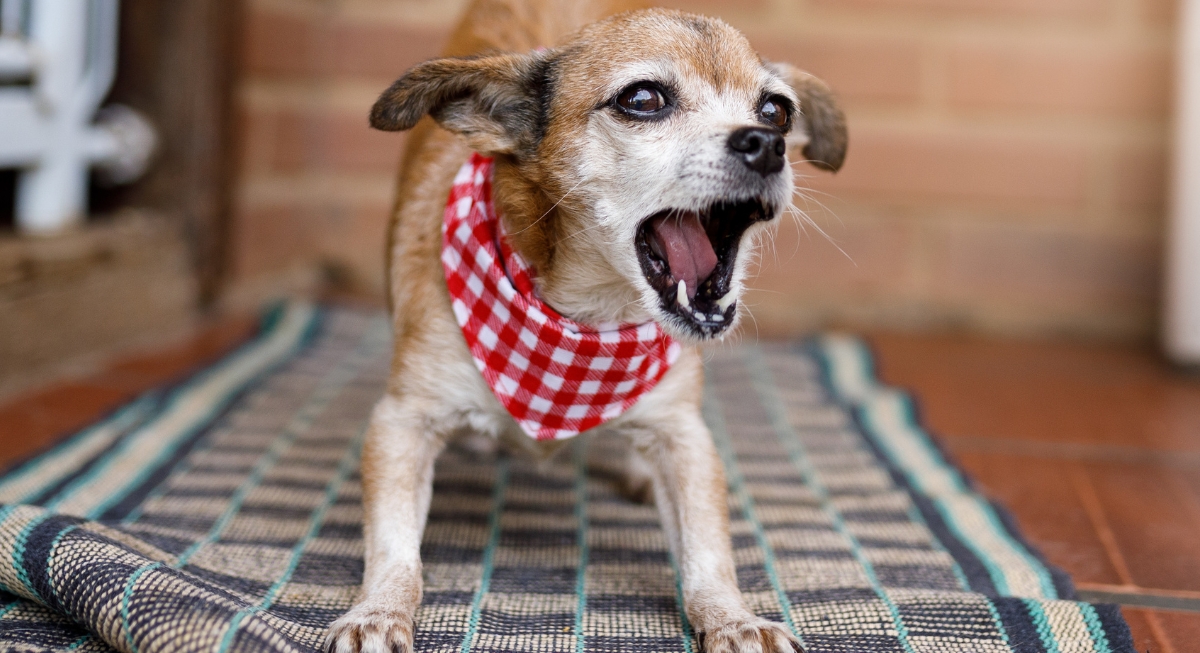
People expect a deep bark from a large dog, but mixed breeds love ruining that assumption. Husky mixes sometimes squeak, hound mixes howl at delivery trucks. Veterinarians say vocal habits come from several inherited traits working together. That explains why a sixty-pound dog can bark like it swallowed a squeaky toy by accident.
The Puppy Starts Herding Guests
Credit: Getty Images
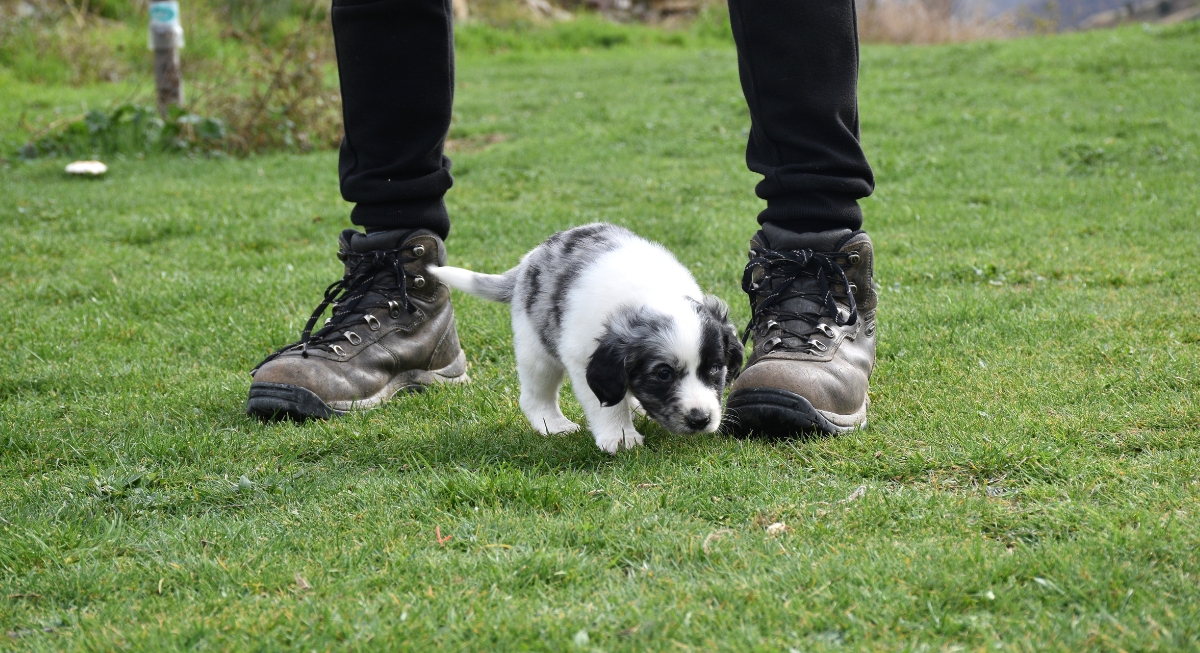
The puppy suddenly starts circling groups of people or lightly bumping ankles during walks. Herding breeds were developed to control movement, and those instincts can appear in dogs that barely resemble a collie. Trainers often encourage owners to redirect the behavior into games or agility work because bored herding mixes tend to invent jobs nobody assigned them.
The Fur Changes Texture Overnight
Credit: Wikimedia Commons
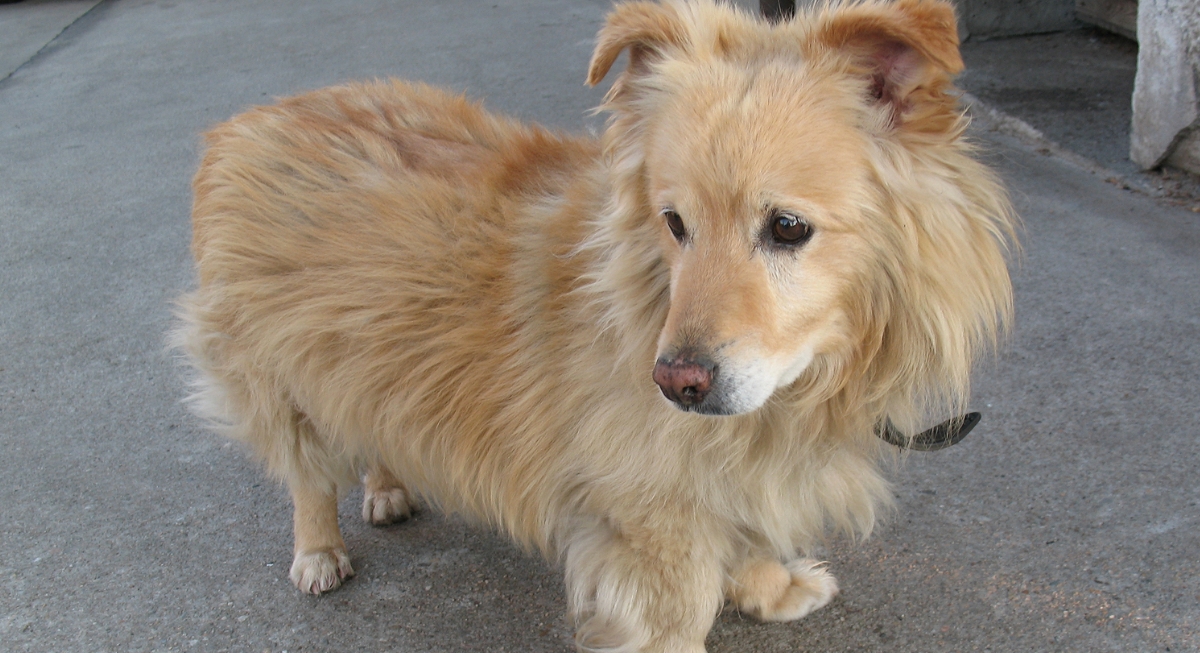
Groomers sometimes warn new owners not to get too attached to puppy fluff, since it rarely lasts. Around six months old, mixed-breed dogs can go through a strange transition period where patches grow curly, wiry, or rough almost overnight. Poodle crosses are famous for this. Terrier mixes do it too.
Strangers Invent New Breeds On The Spot
Credit: pexels
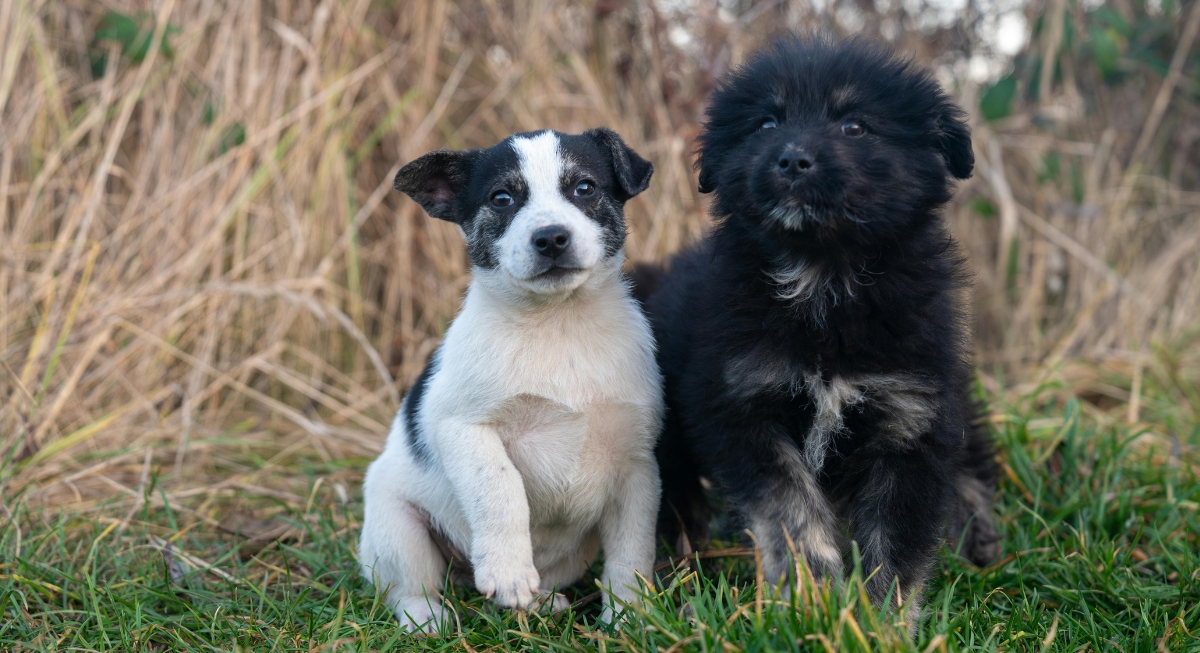
Mixed-breed owners hear the same question constantly during walks: “What kind of dog is that?” The guesses can get wild. A pug mix gets labeled a terrier. A shepherd cross somehow becomes a wolfdog. DNA companies regularly publish examples showing dogs that barely resemble their strongest breed percentages.
Suddenly, the Couch Potato Wants A Job
Credit: Getty Images
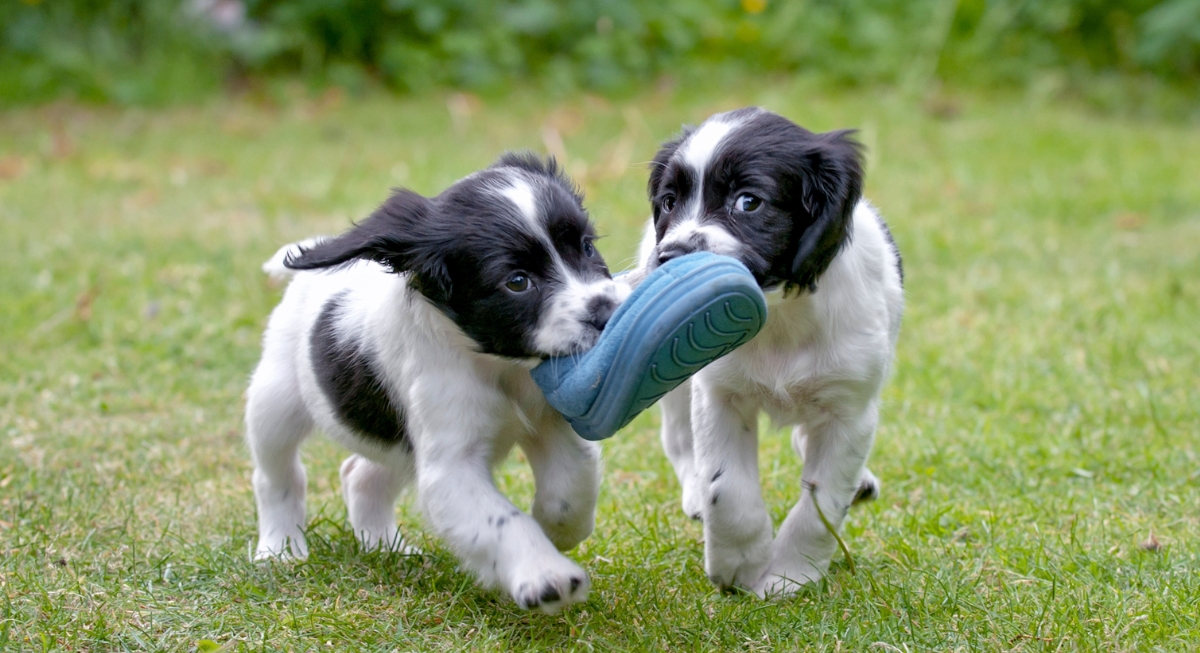
The sleepy puppy phase can fool people into thinking they adopted the calmest dog on earth. Then adolescence hits, and the dog starts carrying shoes around the house or digging suspicious holes near the fence. Working breeds mature mentally at different speeds, which explains why energy levels often shift months after adoption.
The Dog Gets Weirdly Specific About Food
Credit: Canva
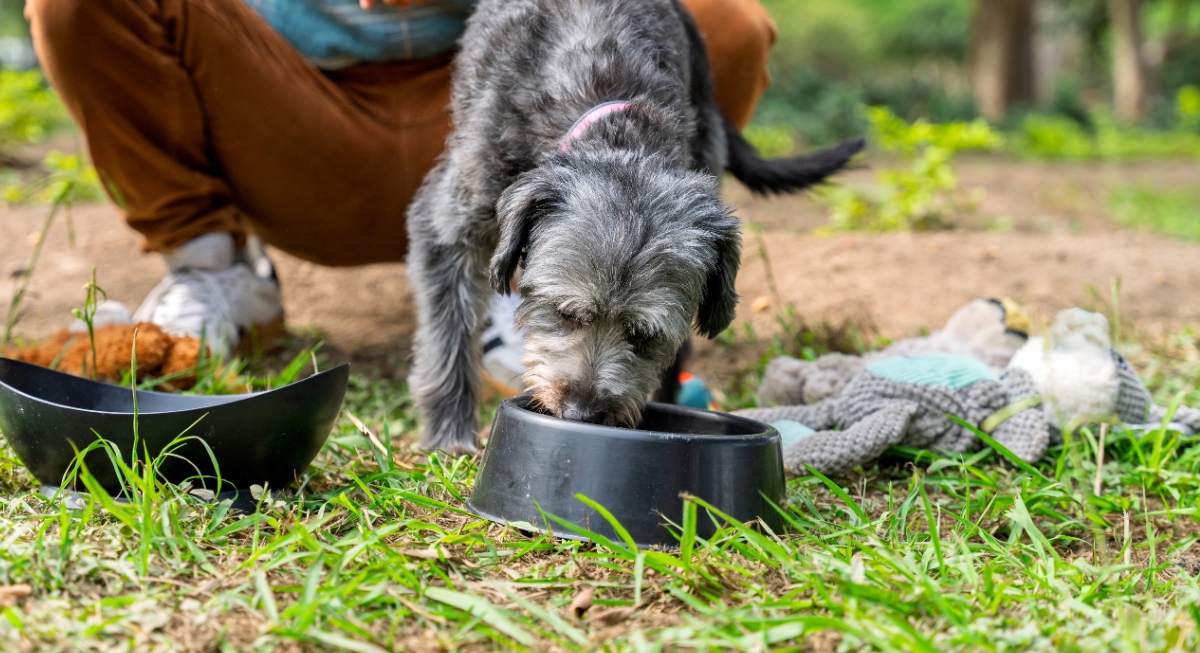
One dog refuses peanut butter but steals broccoli right out of grocery bags. Another ignores expensive treats and loses its mind over ice cubes. Behaviorists say texture matters more to dogs than many people realize. Crunchy foods, frozen snacks, and chewy treats all trigger different responses.
One Person Becomes The Chosen Human
Credit: pexels
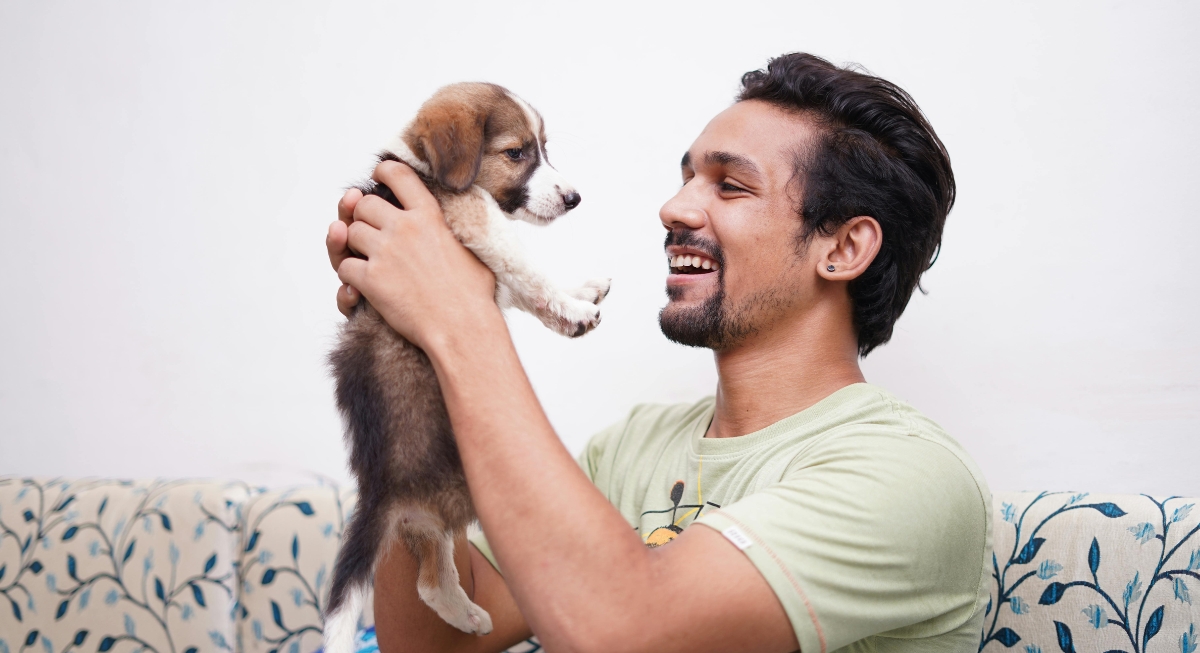
A mixed-breed puppy often picks a favorite human faster than people expect. Suddenly that person has a shadow following them into the kitchen, hallway, and even outside the bathroom door. Rescue workers see this all the time after adoptions, especially with dogs that relied heavily on one person during their first few weeks in a new home. Feeding routines, walks, and early training sessions tend to build that bond quickly.
The Face Keeps Changing For Months
Credit: Getty Images
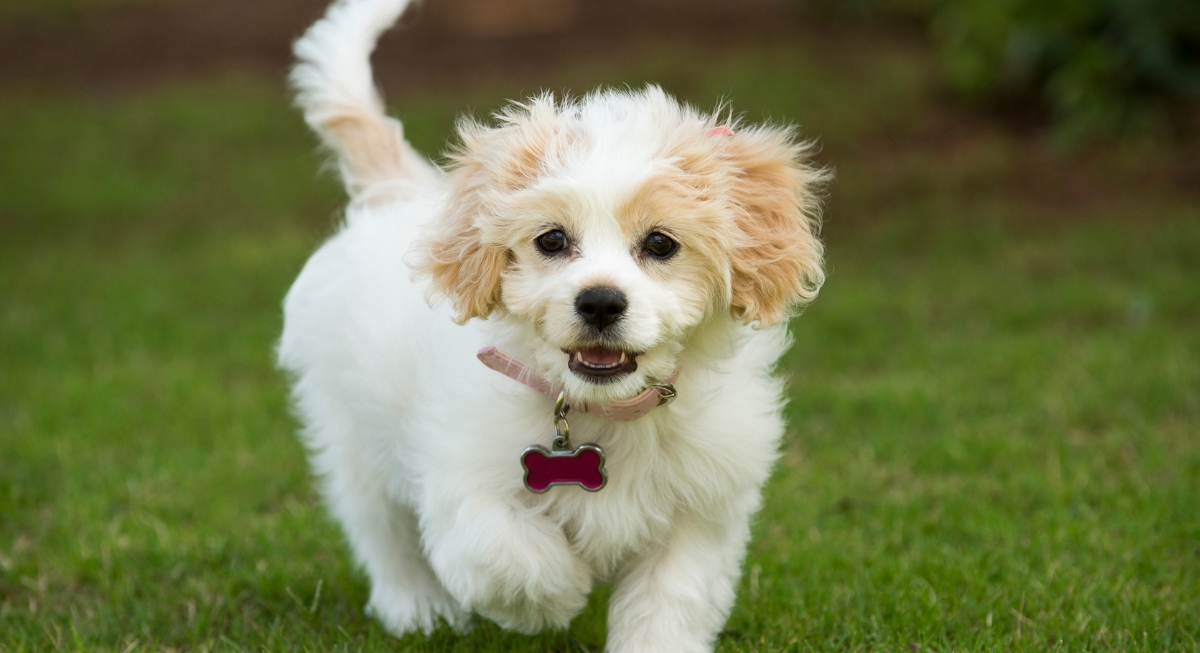
Mixed breeds can look completely different every few months as they grow up. Ears change direction, faces stretch out, coats thicken, and body shape shifts longer than many owners expect. Some puppies go through awkward stages where nothing seems to match yet. Even dogs from the same litter sometimes look like they came from entirely different breeds.
The Personality Ends Up Totally Original
Credit: Canva
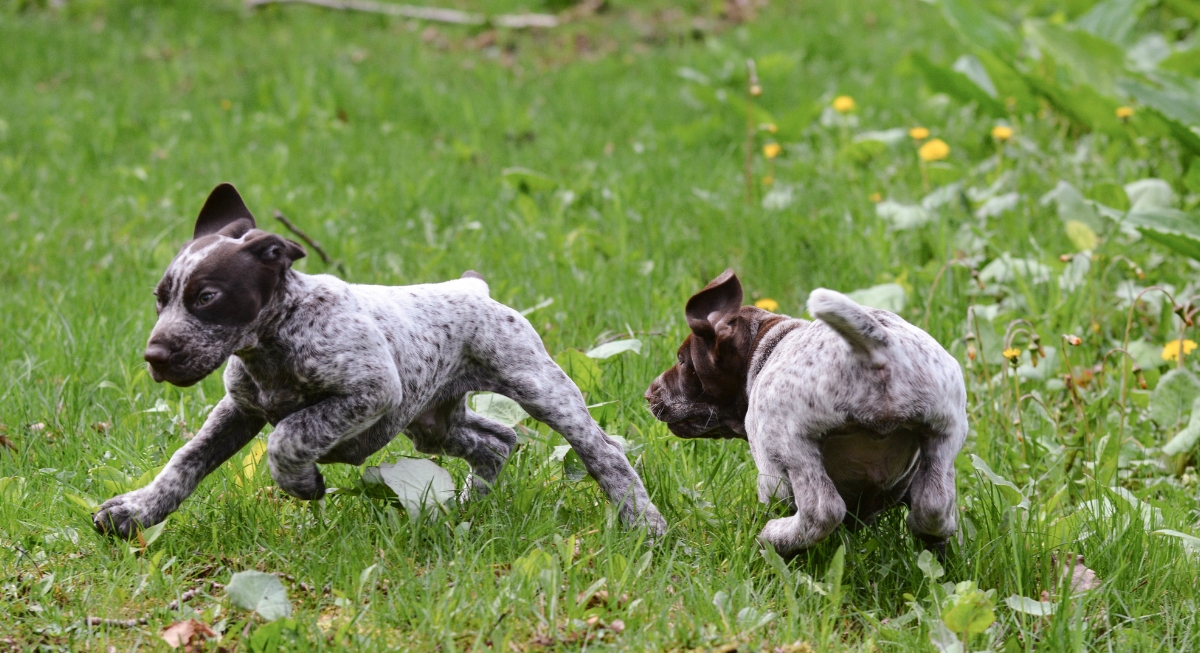
Mixed-breed dogs rarely behave exactly how breed descriptions suggest. The real clues come from daily routines and odd little habits over time. A dog with husky genes might refuse cold weather, while a terrier mix may not care about chasing anything at all. Owners usually stop focusing on breed labels once the dog’s actual personality starts showing up day by day.