Is It a Good Idea to Keep a Monkey as a Pet?
Monkeys seem like fascinating pets that are clever, expressive, and even human-like in their behavior. Social media often shows them wearing clothes, riding scooters, or cuddling with their owners. But behind those viral clips is a much harder truth. Monkeys are wild animals with needs that go far beyond what a typical home can offer.
They require complex care, space, and constant attention. They can also pose real health and safety risks. Even well-meaning owners often find themselves overwhelmed. If you’re thinking about getting a monkey, or just curious why experts discourage it, here’s what you really need to know.
Monkey Ownership Is Often Illegal or Tightly Restricted
Credit: Getty Images
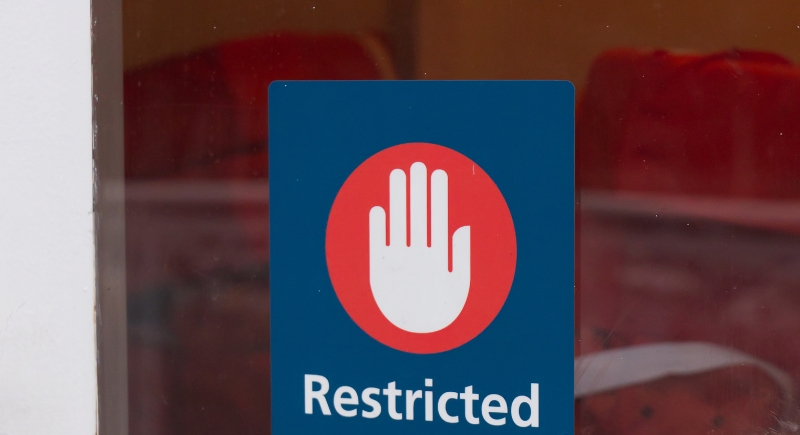
Over half of U.S. states prohibit keeping monkeys as pets, while others require special permits, inspections, or proof that facilities meet exotic animal standards. In the U.K., ownership requires a license, and there are ongoing debates about the implementation of national bans. Violating these laws can result in fines, confiscation, or criminal charges.
They Do Not Become Domestic Animals
Credit: Canva
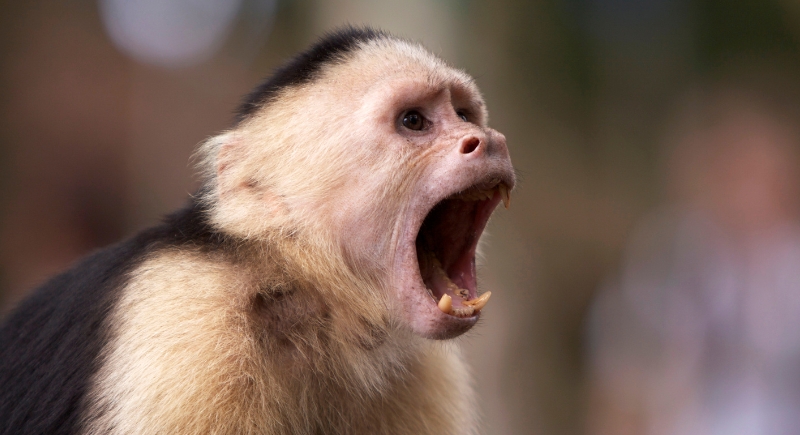
Even bottle-fed monkeys don’t shed their wild instincts. They retain dominant behaviors, and many become aggressive as they hit maturity, sometimes around age three. Hormonal changes can trigger unpredictable outbursts, and no amount of socialization or training completely overrides their inherited tendencies.
They Can Transmit Dangerous Diseases to Humans

Credit: Canva
Monkeys may seem healthy, but they can silently carry serious viruses like herpes B, simian immunodeficiency virus (SIV), or tuberculosis. Herpes B, in particular, is fatal to most humans if not diagnosed and treated immediately. Scratches, bites, or exposure to fluids can transmit infections, which can put everyone in the household at risk.
Proper Housing Requires More Than Most Homes Can Provide
Credit: Getty Images
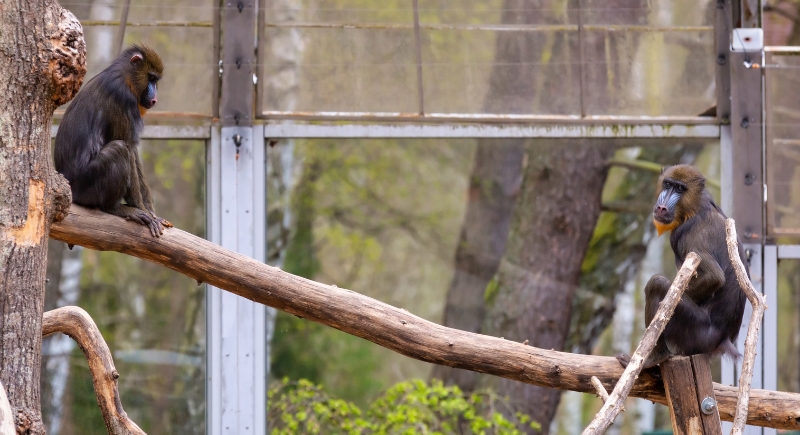
The Association of Zoos and Aquariums recommends a minimum of 2,000 square feet of indoor and outdoor space, with vertical structures for climbing and social grouping with other primates. Most private homes cannot meet these space, enrichment, or safety requirements. Monkeys in cramped environments exhibit elevated stress and aggression.
Most Insurance Plans Don’t Cover Monkey-Related Incidents

Credit: 89Stocker
Most home insurance policies exclude exotic pets. That means if a monkey bites a visitor or damages property, the financial burden falls directly on the owner. Some insurers may even cancel coverage once they find out a primate lives on the premises, no matter how small or well-behaved.
Captive Monkeys Develop Abnormal Behaviors
Credit: Getty Images
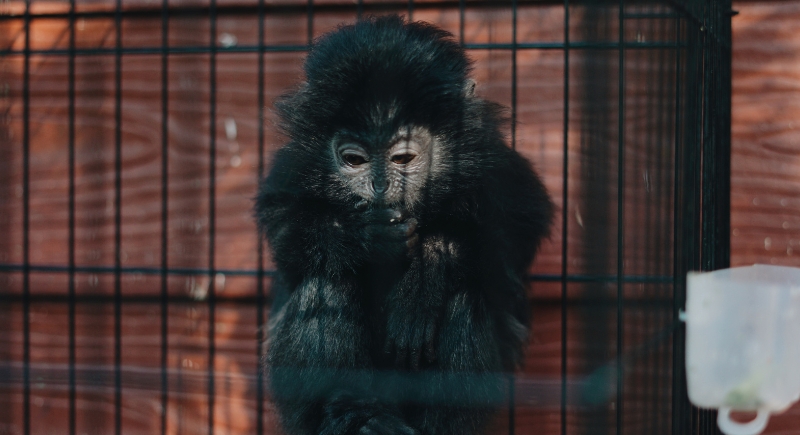
Primates raised without others of their species frequently develop stereotypies, such as repetitive behaviors like pacing, rocking, or self-injury. These are indicators of psychological distress and are common in monkeys kept as pets or in substandard enclosures. Even monkeys relocated to sanctuaries may never fully recover normal behavior patterns.
They Cannot Be Reliably Toilet-Trained

Credit: Getty Images
Adult monkeys rarely manage full bladder or bowel control. Many will urinate on furniture or defecate during handling. Diapers may work temporarily, but they often lead to skin infections and are usually rejected as the animal grows. The cleanup is frequent, and the smell is hard to ignore.
Nutrition Is Complex and Frequently Mishandled
Credit: Getty Images
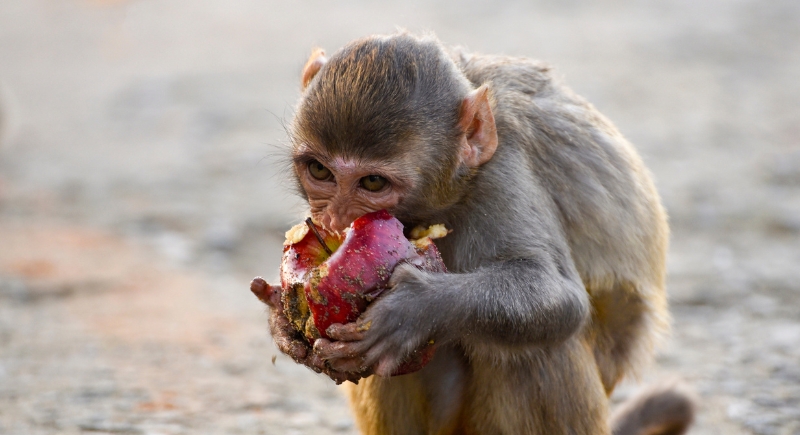
Monkeys require diets that vary by species but often include fruits, insects, leaves, seeds, and protein sources. Many pet owners provide processed human food or commercial treats, which can cause malnutrition, obesity, and diabetes. Veterinary oversight is necessary for balanced nutrition, but most general vets won’t treat primates.
Their Vocalizations Are Loud and Disruptive
Credit: Getty Images
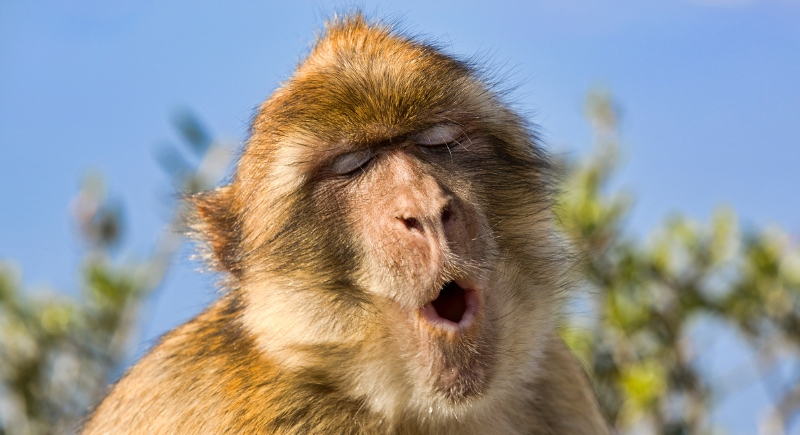
Even small monkeys make noise, and some species—like howlers—can be heard for miles. Their calls are frequent, unpredictable, and loud enough to disturb neighbors. Ironically, city sounds like sirens or horns can upset the monkey in return, and trigger a cycle of stress and vocalizing.
Buying Monkeys Supports Wildlife Trafficking and Species Decline

Credit: Getty Images
The exotic pet trade contributes to population loss in wild monkey species. Some animals are illegally captured from the wild, while others are bred in poor conditions. Even legal sales can indirectly support networks involved in poaching and trafficking. Demand from private owners fuels ongoing threats to primate conservation.