Top 10 Most Unique Jobs Performed by Dogs
Dogs are still assigned certain jobs because their senses and judgment work reliably in situations where people fall short. Their noses, focus, and adaptability solve problems that technology still struggles with. Here are ten real jobs that dogs perform.
Airport Wildlife Patrol
Credit: Youtube
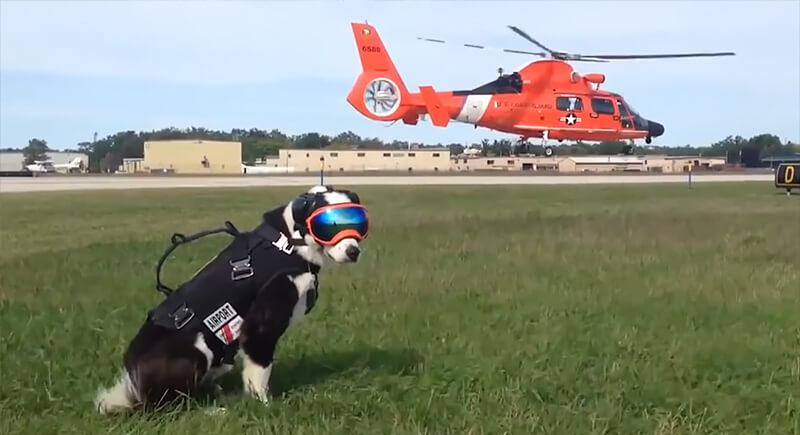
Bird strikes cost airlines hundreds of millions of dollars each year, which is why some airports have turned to dogs instead of noise cannons or traps. At Cherry Capital Airport, a Border Collie named Piper patrolled runways daily, chasing birds away safely. The approach reduced strike incidents without harming wildlife or disrupting flights.
Courtroom Comfort Dogs
Credit: Wikipedia
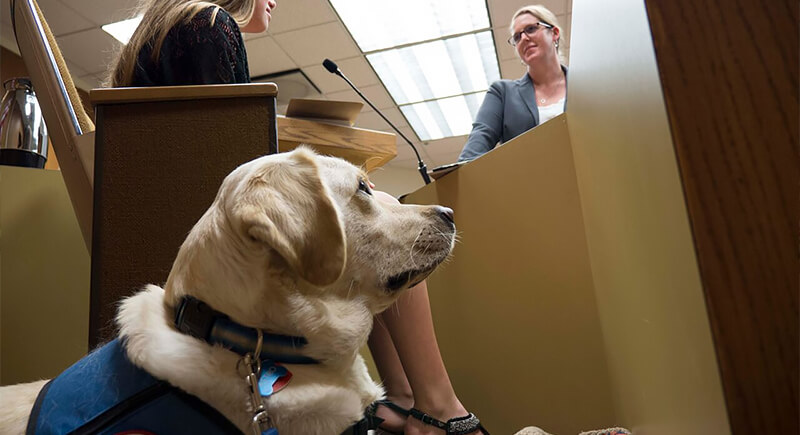
Courtroom comfort dogs are brought in for one reason: to enhance the quality of testimony. In child abuse cases, stress can affect memory and communication. These dogs sit close to witnesses during testimony, often out of the jury’s view. Studies show children speak more clearly and with less distress when a trained dog is present.
Truffle Hunting Specialists
Credit: Getty Images
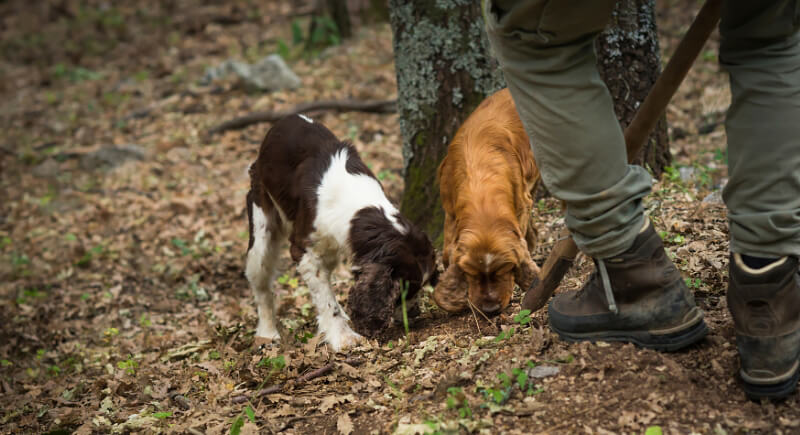
Truffles sell for hundreds of dollars per ounce, but harvesting them improperly damages the soil. Dogs trained to detect truffles by scent locate them precisely without digging wide areas. In Italy, this method protects farmland while speeding harvests during short seasons where timing directly affects quality and market price.
Museum Pest Detection Dogs
Credit: Wikipedia
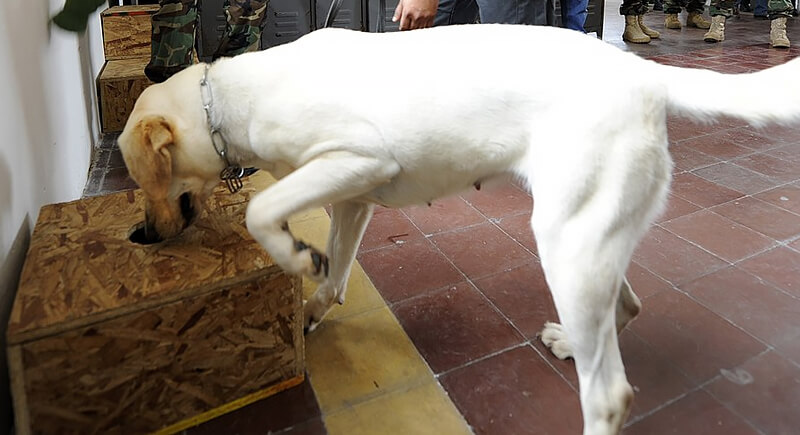
Insects can destroy historical artifacts long before staff notice damage. Pest detection dogs are trained to identify live infestations by scent, not sight. At major museums, dogs alert conservators early, allowing targeted treatment. This method avoids chemical exposure, protects delicate materials, and prevents losses worth millions of dollars.
Disease Detection Dogs
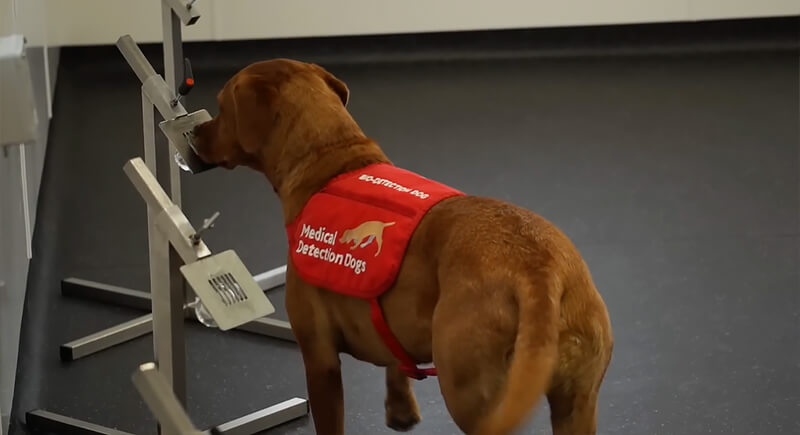
Credit: Youtube
Medical detection dogs are trained to recognize chemical changes in breath, sweat, or urine samples associated with specific diseases. Some have identified cancers and infections with surprising accuracy. Research programs study their consistency, especially for early screening. Hospitals value the speed of canine alerts while scientists work to standardize results.
Penguin Protection Patrol
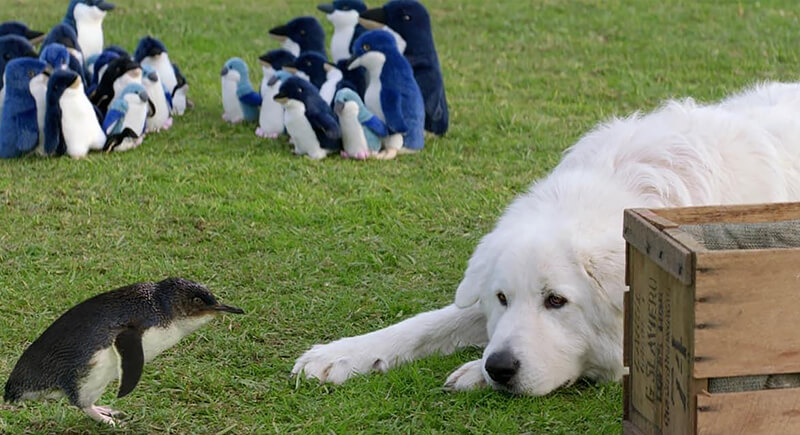
Credit: Reddit
Middle Island in Australia nearly lost its fairy penguin colony after foxes wiped out nests year after year. Conservationists introduced Maremma sheepdogs to patrol the shoreline, rather than fencing it off. The dogs deter predators simply by being present. Penguin numbers rebounded quickly, and the program became a long-term conservation solution.
Canine Mayors
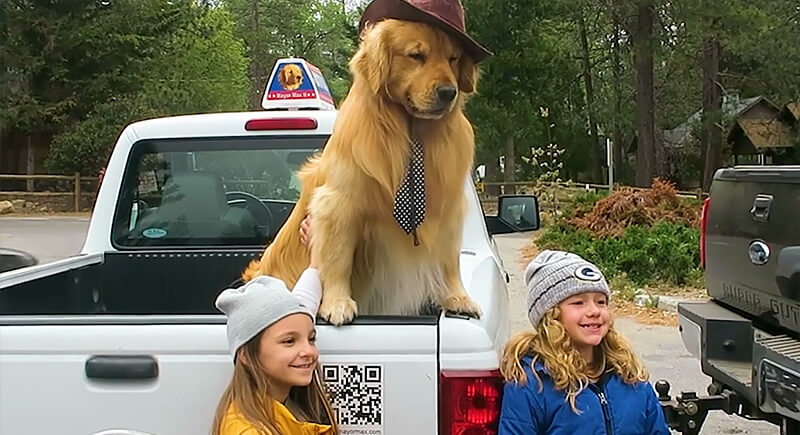
Credit: Youtube
In Idyllwild, California, a Golden Retriever named Maximus Mighty-Dog Mueller II holds the ceremonial title of mayor. The role began as a fundraiser rather than a political statement. Public appearances, charity events, and tourism followed. While symbolic, the position increased local visibility and donations without requiring any formal authority or governance.
Wine Fault Inspectors
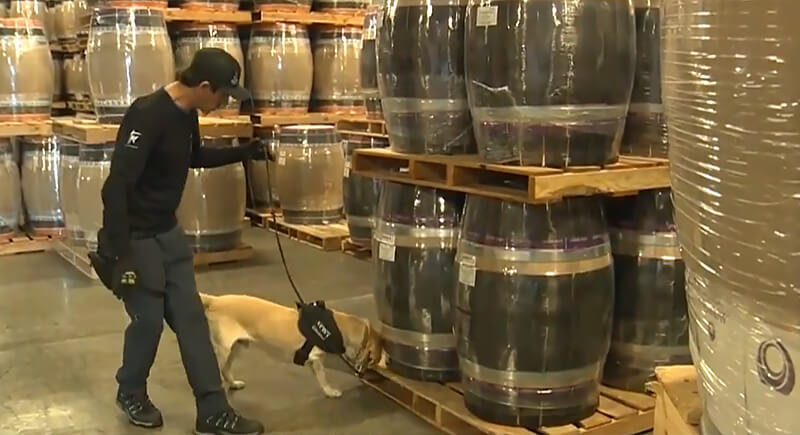
Credit: Youtube
Cork taint can ruin entire wine batches, often before humans detect it. Trained dogs used by programs like the Natinga Project sniff barrels and corks for contamination measured in parts per trillion. Early detection prevents costly losses. Wineries use short work shifts to maintain accuracy and avoid fatigue in production environments.
Search and Rescue Teams
Credit: Getty Images
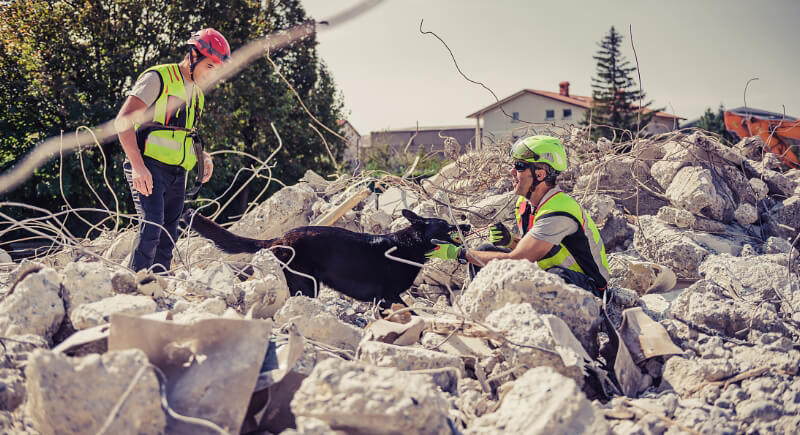
Search dogs are deployed when time matters more than precision mapping, as their ability to follow scent through rubble, forests, or snow often narrows search zones quickly. Certification standards regulate training and deployment. Handlers rely on trust built through repetition, as alerts may direct crews toward survivors or confirm areas already cleared.
Serum Delivery Heroes
Credit: Wikipedia
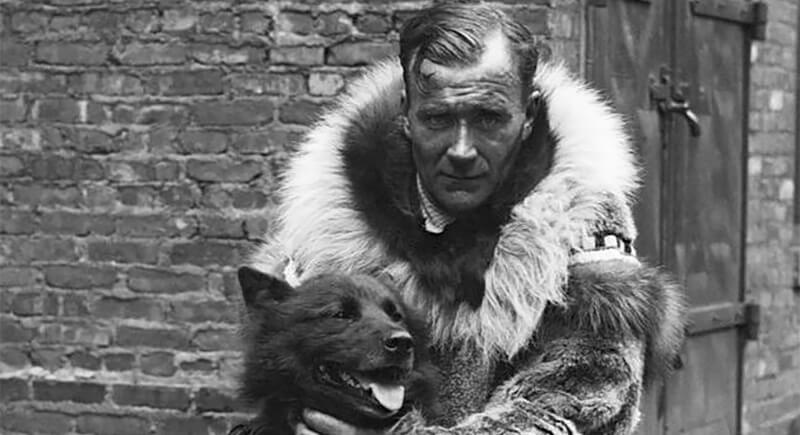
During a 1925 diphtheria outbreak in Nome, Alaska, sled dog teams transported antitoxin across frozen terrain when planes failed. The relay covered hundreds of miles in brutal conditions. Balto led the final leg, but records credit multiple teams. The operation shaped emergency transport planning in remote regions long before modern infrastructure existed.