How to Help Your Dog Recover After Giving Birth
Caring for a dog after she gives birth involves managing an environment that shapes long-term health. Many owners focus heavily on the newborns while unintentionally overlooking the mother’s physical recovery and emotional state. In those early weeks, even small oversights can trigger behavioral issues and cause developmental delays.
By knowing what is often overlooked, owners can give their dogs a smoother, healthier transition into this demanding but rewarding phase of life.
Skipping the Vet Visit
Credit: pexels
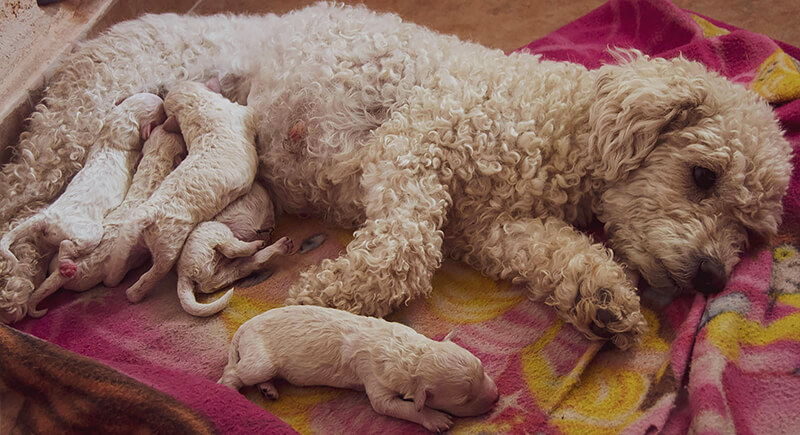
After birth, it is essential to take the mom and the pups to the vet. Problems that aren’t obvious, like retained placentas or infections, can put the mother’s health at risk in just a few days. Puppies, too, need confirmation that they’re nursing properly. Owners who skip this step regret it when small warning signs develop into big problems.
Turning the Whelping Box Into a Tourist Spot
Credit: Wikimedia Commons
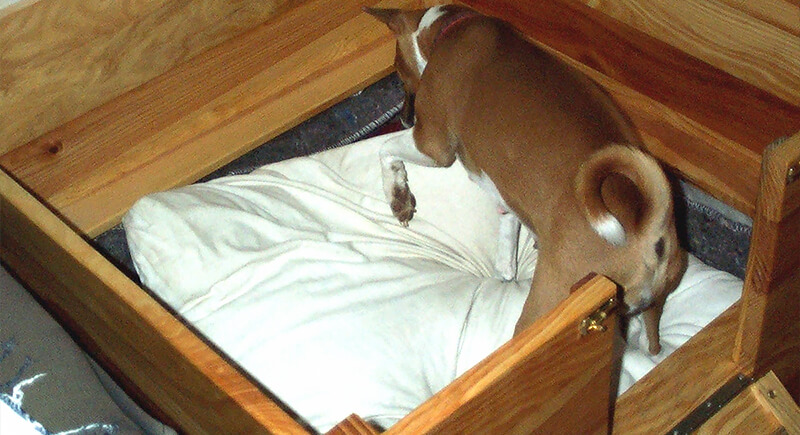
Everyone wants to see the little paws and hear the squeaks, but having a lot of people over is stressful for the little ones. Some mothers get restless and even defensive around a lot of noise and activity. Limiting early access shows respect for her space.
Forgetting How Fragile Temperature Control Is
Credit: pexels
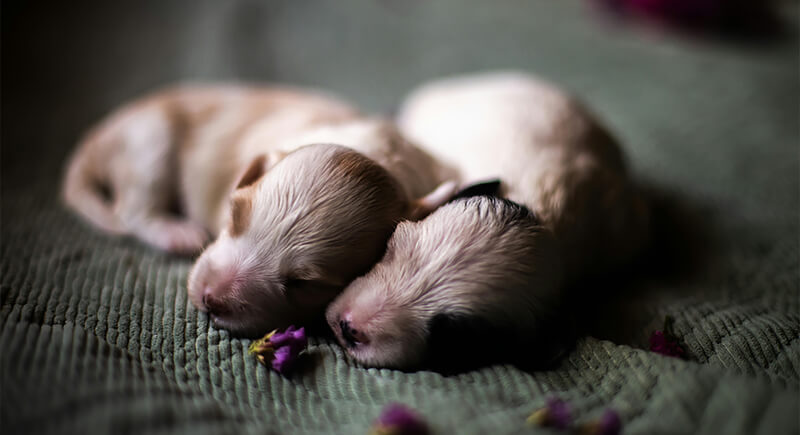
Newborns aren’t built to regulate body heat. A drafty corner or cold tile floor can sap their strength in hours. The solution is to provide consistent warmth using safe heating pads or lamps. Some owners lose puppies even when everything else is perfect because they don’t think about this risk enough.
Using the Wrong Medications
Credit: Youtube
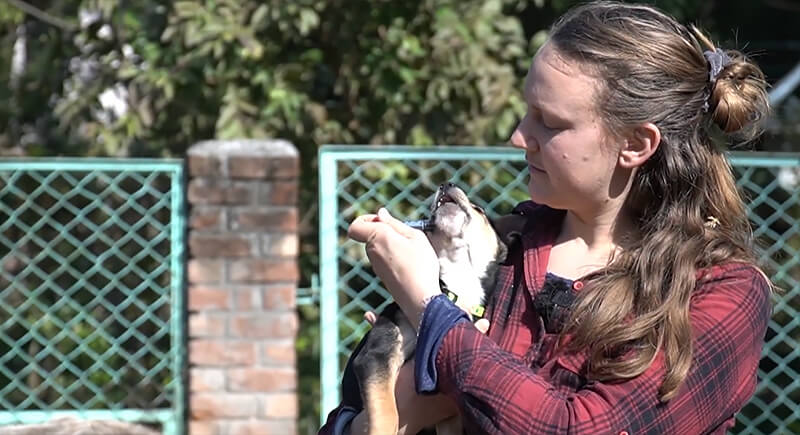
Using flea drops or dewormers without first getting advice can be harmful to the pups. Some treatments that are safe for adults can get into milk and hurt the litter. Getting veterinary advice for fleas/ticks can make the difference between healthy puppies and poisoning them by taking well-intentioned but dangerous shortcuts.
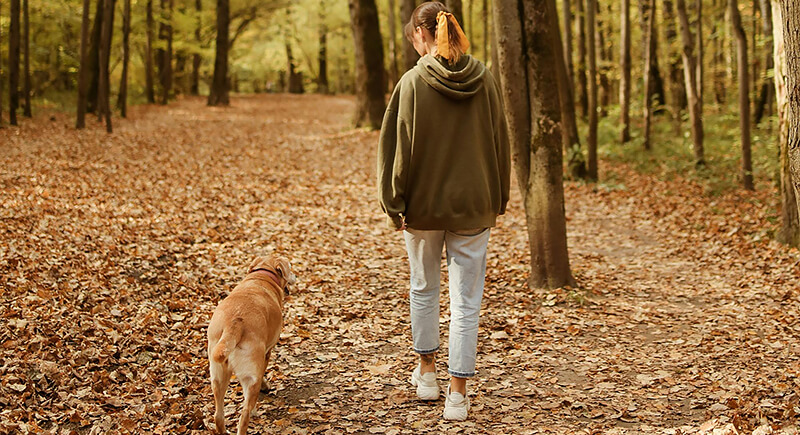
Pushing Mom Back Into Workouts
Credit: pexels
A new mother dog needs time to recover. Owners sometimes get eager and take her on long walks too soon, but her body is still healing from pregnancy and nursing. Overexertion can leave her exhausted and may even reduce her milk supply. Keep it gentle: short, slow walks are enough until she regains her strength.
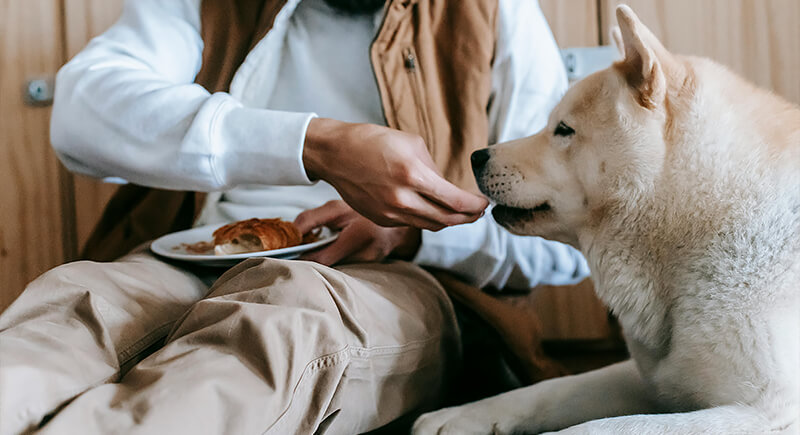
Underestimating Nutritional Demands
Credit: pexels
Lactation burns calories faster than being pregnant. Some moms need almost twice as much food as usual, and regular kibble won’t do. Eating a lot of protein and fat keeps the weight stable and milk flowing.
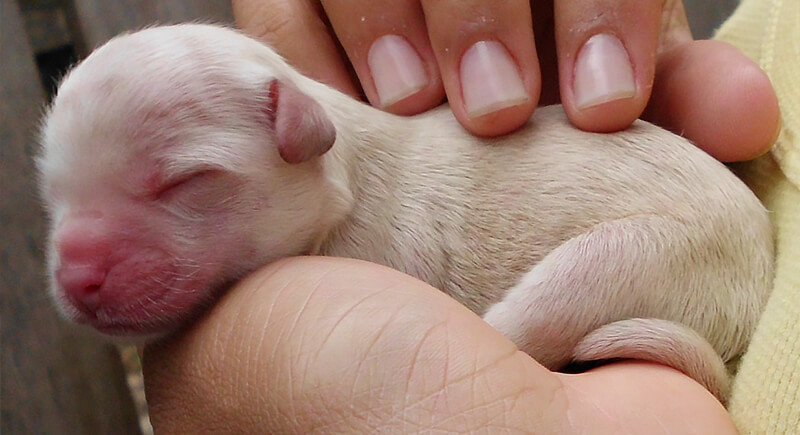
Treating Puppies Like Toys
Credit: Wikimedia Commons
Puppies that are touched too much may have trouble nursing or sleeping. Early restraint safeguards their immunity. Later, when they are stronger, handling becomes important, but in the first two weeks, timing is everything.
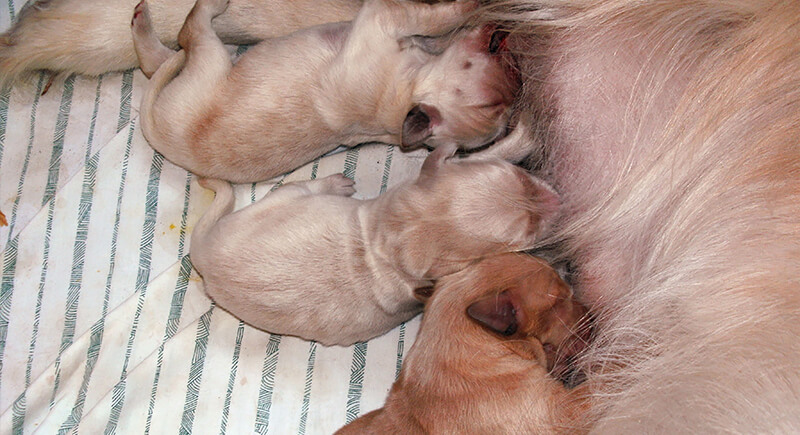
Overlooking Post-Birth Discharge
Credit: Wikimedia Commons
After giving birth, a dog’s discharge should gradually lessen and turn darker in color. If it suddenly increases or develops a strong odor, it’s a warning sign of infection. Some owners dismiss it as just a messy part of recovery, but monitoring it closely is one of the simplest ways to catch problems early.
Missing the Socialization Window
Credit: pexels
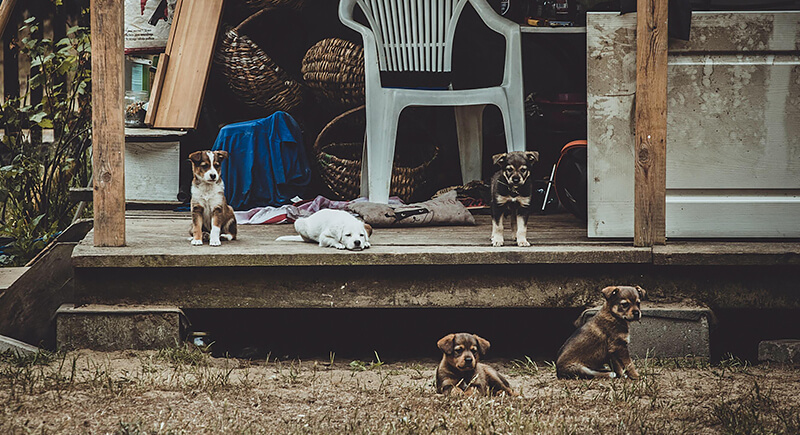
Between three and twelve weeks, puppies are learning how the world works. If they spend that time isolated, they may grow up fearful or anxious. The solution isn’t to calmly introduce new sights, sounds, and experiences so they gain confidence.
Rewarding Clinginess
Credit: pexels
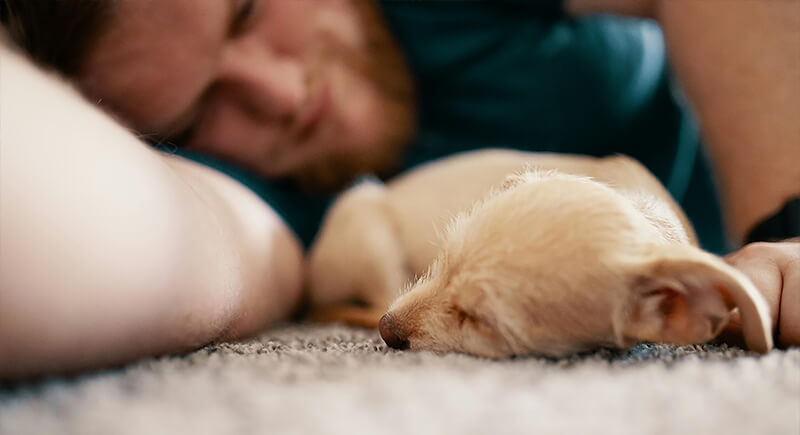
It feels sweet when a puppy always wants to be near you, but constant attention can create unhealthy dependence. As the dog grows, that bond can turn into separation anxiety. Teaching independence early—through short periods alone, crate time, and calm routines—helps them relax when you’re not around. Without it, even brief absences can trigger panic that’s much harder to correct later.
Waiting Too Long to Train

Credit: pexels
Many owners assume puppies are too young to learn, so they postpone training. But basics like name recognition, crate time, and simple commands can start right away. Delaying only allows bad habits to form, and those become much harder to change later.
Mishandling Biting Phases
Credit: pexels
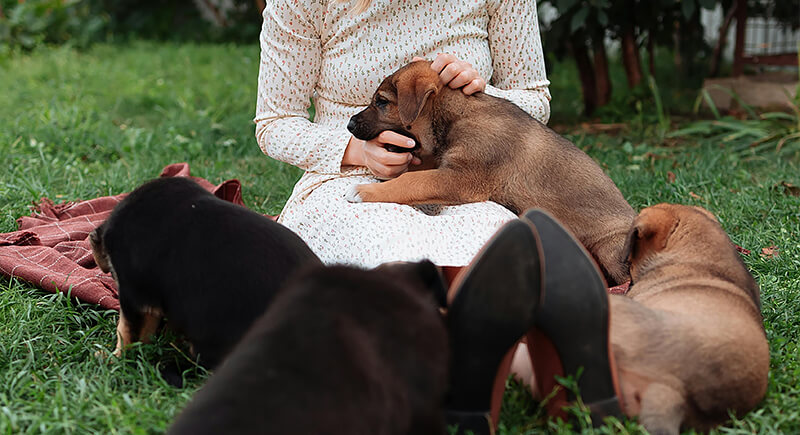
Teeth on skin is normal during exploration, but how people react changes the outcome. Not doing anything about it lets habits stick. On the other hand, harsh correction makes the puppies afraid. Calm redirection with chew toys teaches them what they can and can’t do without breaking their trust.
Overlooking Mom’s Emotional State
Credit: pexels
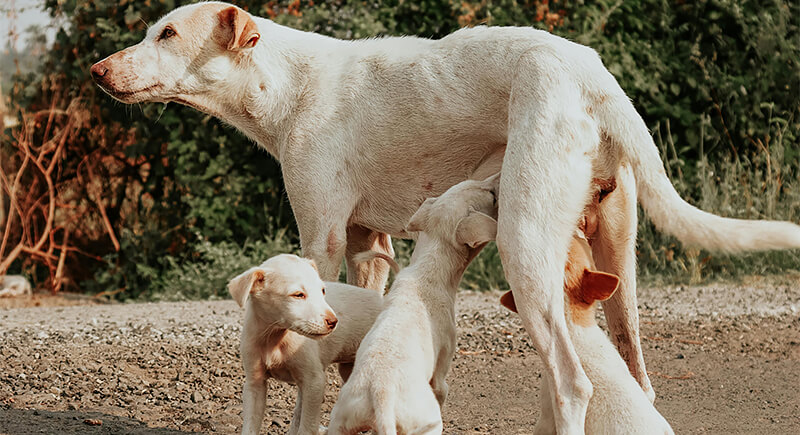
People sometimes think that behavioral changes, like being restless or even losing interest, are just strange quirks of the mom’s personality. But they could be postpartum anxiety. A calm setting and constant reassurance are helpful. Taking care of her mental health is part of making sure she takes good care of her dogs.
Expecting Too Much, Too Soon
Credit: pexels
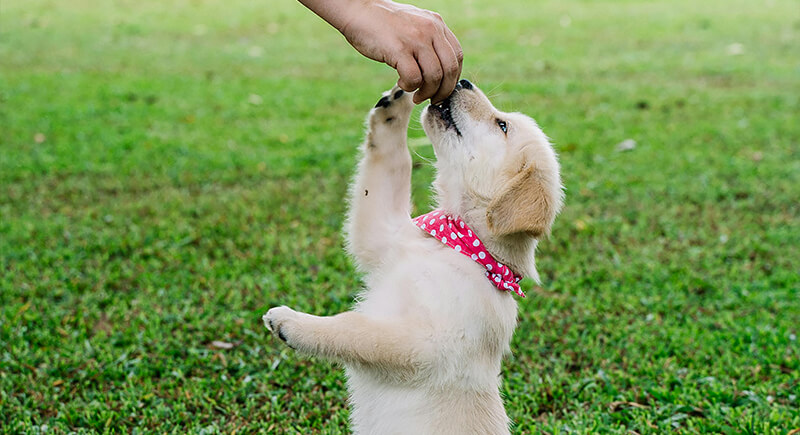
Puppies aren’t miniature adults. Slow progress or accidents aren’t defiance—they’re part of growing up. What looks like stubbornness is usually immaturity, and impatience only makes things worse. Training works best when you match your expectations to their stage of development instead of pushing too hard.
Forgetting Self-Care
Credit: iStockphoto
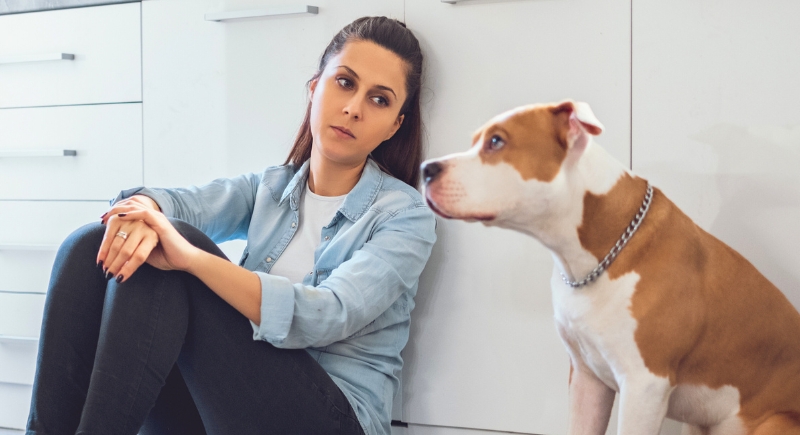
Without rest, owners lose patience and consistency, both of which are important for training. Using playpens, asking for help, or even planning naps can help you get back on track. Dogs get their energy from people, so when their owners are tired, the whole house is less stable.