Myth or Fact: Humans Eat 8 Spiders Per Year in Their Sleep
The claim sounds precise enough to pass as true. Eight spiders a year, eaten while asleep. It’s the kind of fact people insist they picked up in school or heard repeated often enough to trust. The image lingers, whether you want it to or not.
This rumor has been circulating for decades. Despite how frequently it comes up, no scientific research, medical documentation, or credible source has ever supported it. Researchers, doctors, and spider experts all agree on one point. The number is made up, and the idea itself rests on very shaky ground.
Where The Spider Myth Came From
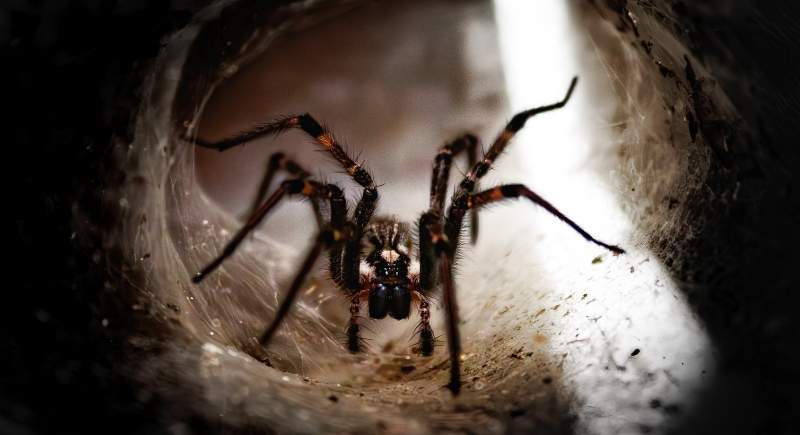
Image via Pixabay/SandboxedThoughts
No one has been able to trace the claim. It appears to be an urban legend that gained traction because it’s unsettling and oddly precise. Some researchers believe it spread as an early example of how easily false facts can circulate when they sound convincing.
Stories that trigger fear tend to stick. Spiders already make many people uncomfortable. Combine that with sleep, a time when we feel vulnerable, and the rumor practically markets itself. Over time, repetition gave it the appearance of truth.
What Science Says About Spiders And Sleeping Humans
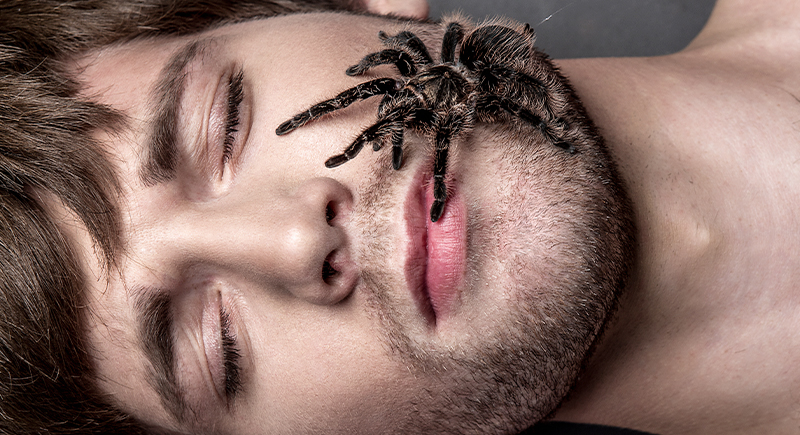
Image via iStockphoto/Multipedia
Spider specialists point out that people are one of the least appealing environments a spider could choose. Even while sleeping, humans breathe constantly, produce heat, shift positions, and create vibrations. Spiders rely heavily on sensing movement through surfaces. Those signals tell them to stay away, not investigate further.
An open mouth adds even more deterrents. Airflow, moisture, and sudden changes in movement make it an unstable and risky place for a small animal that depends on self-preservation. There’s also no food source there, which removes any incentive.
Experts also note that if spiders regularly crawled onto people’s faces, there would be documentation. Bites inside the mouth, medical reports, or repeated cases would exist. They do not.
Would You Even Sleep Through It?

Image via Getty Images/Antonio_Diaz
Another problem with the claim is human awareness. Most people move during sleep. Many wake easily when something brushes their face. Even light contact tends to trigger a reaction. Researchers say the sensation of a spider’s legs would likely wake someone long before it reached their mouth.
The few documented spider bites reported at night almost always involve hands or arms. Faces and mouths are rarely involved, and swallowing incidents are virtually unheard of.
Is Swallowing A Spider Dangerous?
In the rare event that a spider were accidentally swallowed, most species would not pose a serious risk. That said, spiders can bite defensively. If someone experienced swelling, pain, or difficulty breathing, medical care would be the right move. These situations are considered extremely uncommon and not tied to routine sleep behavior.
Because spiders already live in many homes, the story feels plausible enough, but ironically, spiders spend most of their time avoiding people and controlling insect populations. Only a small number of species even share indoor spaces, and most prefer quiet corners far from beds and faces.
So when it comes to the question itself, myth or fact, the answer is clear. Humans are not eating eight spiders per year in their sleep.