Chilling Facts That Show the Dark Side of Nature
We all know a few basic laws of nature, like predators hunt to stay alive, prey stay alert to avoid becoming food, and animals reproduce to pass on their genes. Those rules are straightforward and predictable. Then you look closer and realize not every pattern fits that simple outline.
Some creatures take survival to extremes that challenge our assumptions. Scientists continue to uncover examples that complicate the tidy version of nature we learned growing up.
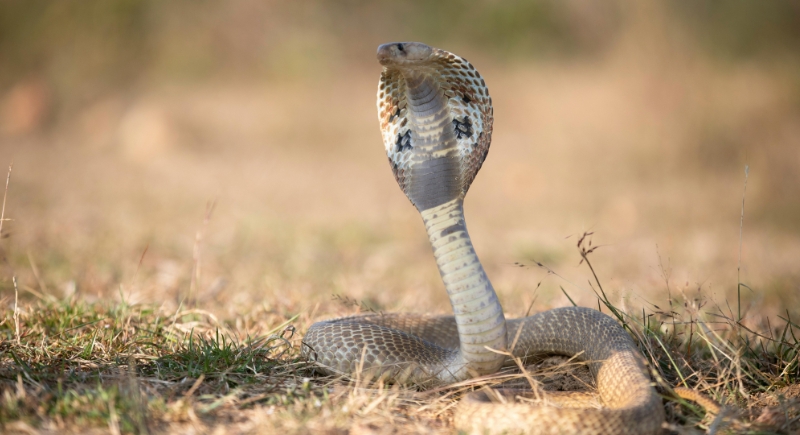
King Cobras Hunt Their Own Species
Credit: pexels
In dense forests across South and Southeast Asia, a large venomous snake feeds primarily on other snakes. King cobras do not avoid members of their own species when hunger sets in. Biologists describe this behavior as opportunistic feeding that may also reduce competition in areas where prey is limited.
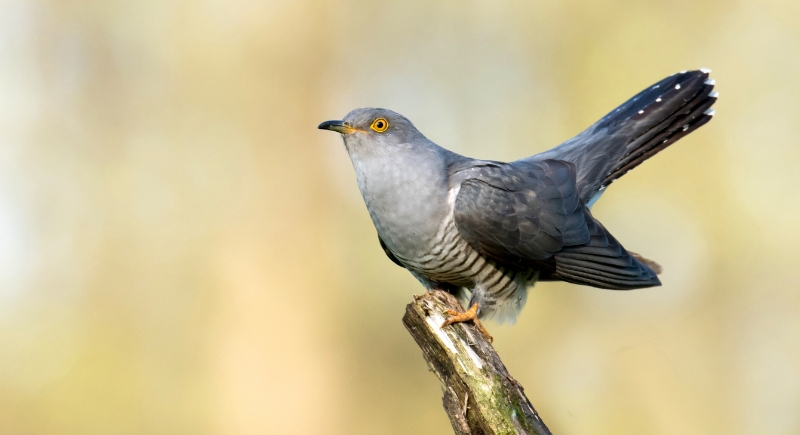
Cuckoos Outsource Parenting
Credit: Getty Images
Across Europe, Asia, and Africa, cuckoos avoid raising their own young. They place their eggs inside the nests of other creatures and leave the responsibility behind. Field studies show that these chicks often hatch earlier and push rival eggs out. The host parents continue feeding the intruder, unaware of the switch.
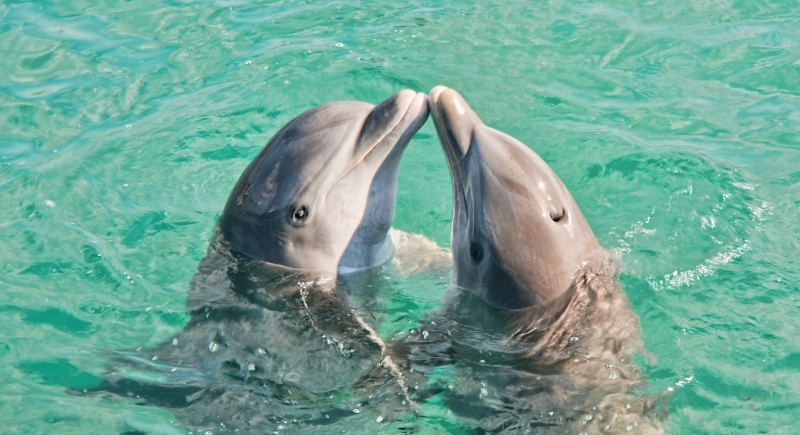
Male Dolphins Take Action to Reopen Mating Opportunities
Credit: Canva
Marine researchers have observed troubling behavior among certain dolphin populations. Adult males sometimes take the lives of newborn calves, which is meant to bring the mother back into reproductive condition sooner. By shortening the interval between births, males improve their chances of passing on genes in competitive coastal waters.
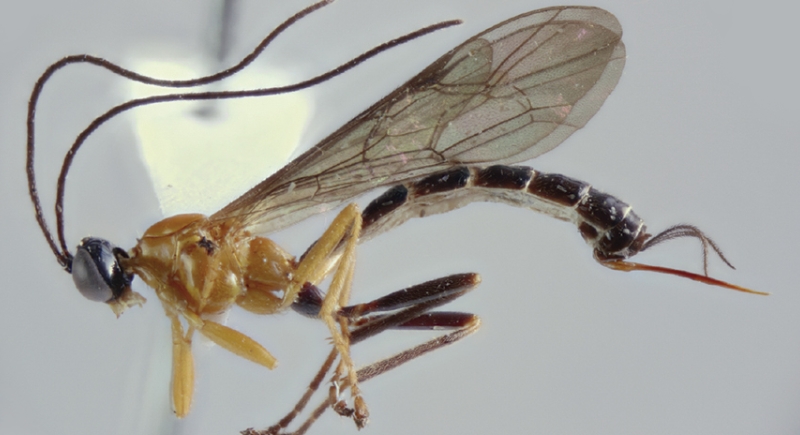
Hymenoepimecis Argyraphaga Manipulates Spider Webs
Credit: Wikimedia Commons
A single sting from Hymenoepimecis argyraphaga starts a slow takeover. The wasp targets orb-weaving spiders and injects venom that alters how the spider builds its web. Instead of spinning its usual delicate orb, the spider creates a much stronger, simplified web. This reinforced structure is built to support the wasp’s cocoon. Once the web is ready, the wasp larva kills and consumes the spider. It then hangs safely in the sturdier web while it develops into an adult wasp.
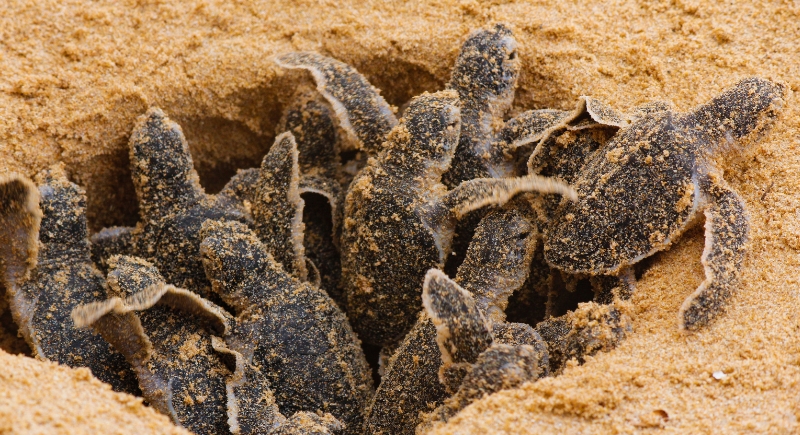
Sea Turtle Survival Depends on High Egg Numbers
Credit: Getty Images
You may have pictured baby sea turtles scrambling safely into the ocean, but their first journey is one of the most dangerous stages of their lives. Estimates suggest that roughly 1 in 1,000 hatchlings reach maturity, though survival rates vary by species and location. Birds, crabs, and fish quickly target them as they move across the sand and into the water.
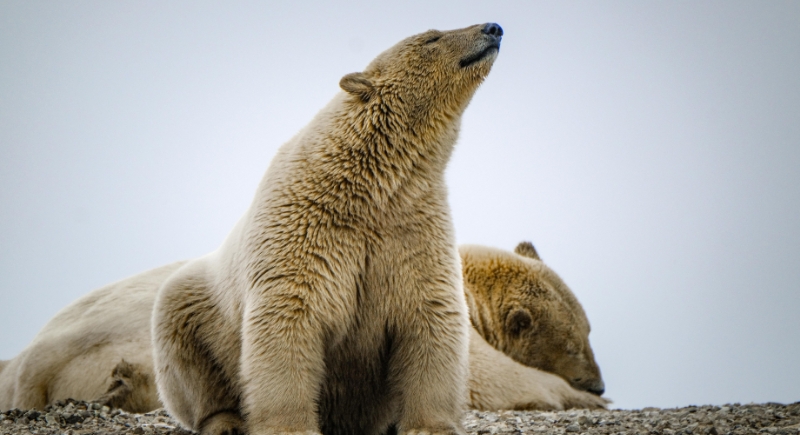
Polar Bears Resorting to Cannibalism
Credit: pexels
Struggling to find enough seals during periods of limited sea ice, polar bears sometimes turn on their own kind. Researchers have documented cases of adult bears hunting and eating other polar bears, including cubs, during lean seasons. This is mainly because these creatures require high caloric intake to survive Arctic conditions.
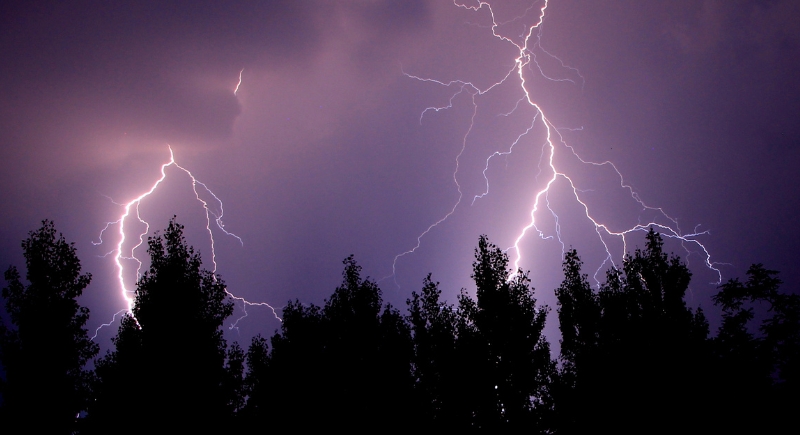
Lightning Destroys Millions of Trees Each Year
Credit: Getty Images
Studies estimate that lightning may eliminate as many as 320 million trees globally each year. Experts in Panama used camera-based detection systems to track strikes and their effects. Their findings suggest that a single bolt can jump across neighboring trees, often killing several in one event.
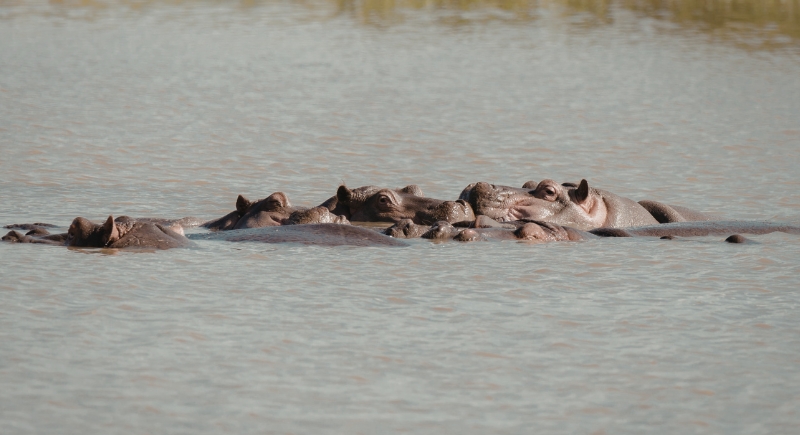
Hippos Trigger Fish Die-Offs
Credit: Canva
After monitoring 171 hippo pools upstream in the Mara River, professionals estimated that hippos deposit roughly nine tons of waste into the system each day across Kenya and Tanzania. As the material decomposes, it lowers oxygen levels and can release compounds such as ammonium and hydrogen sulfide. Heavy rains can flush this low-oxygen water downstream, where fish die-offs have been documented.
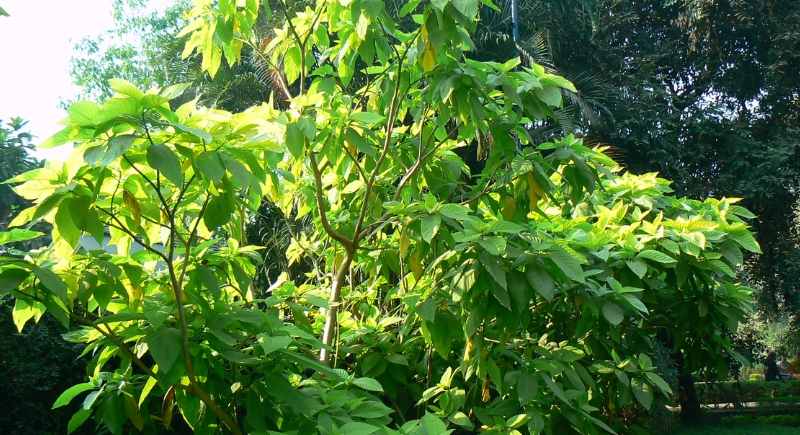
Pisonia Trees Trap Birds with Sticky Seeds
Credit: Wikimedia Commons
There are trees on tropical islands in the Pacific and Indian Oceans that produce unusually sticky seed pods. Pisonia species grow long pods covered in small hooks that cling tightly to feathers. Birds landing in the branches can collect large clusters of seeds without realizing it. Smaller birds may also become too weighed down to fly and lose their life nearby.