10 Mistakes New Puppy Owners Keep Making, According to Veterinarians
Bringing a puppy home shouldn’t involve much guesswork. Still, most new owners don’t realize how quickly small decisions start shaping behavior and health. Vets see the same patterns over and over, and almost all of them trace back to the first few weeks. Getting those early choices right makes everything easier later. Getting them wrong usually means fixing problems that didn’t need to exist in the first place. The early stage sets the direction for everything that follows.
Skipping the First Vet Visit

Credit: Getty Images
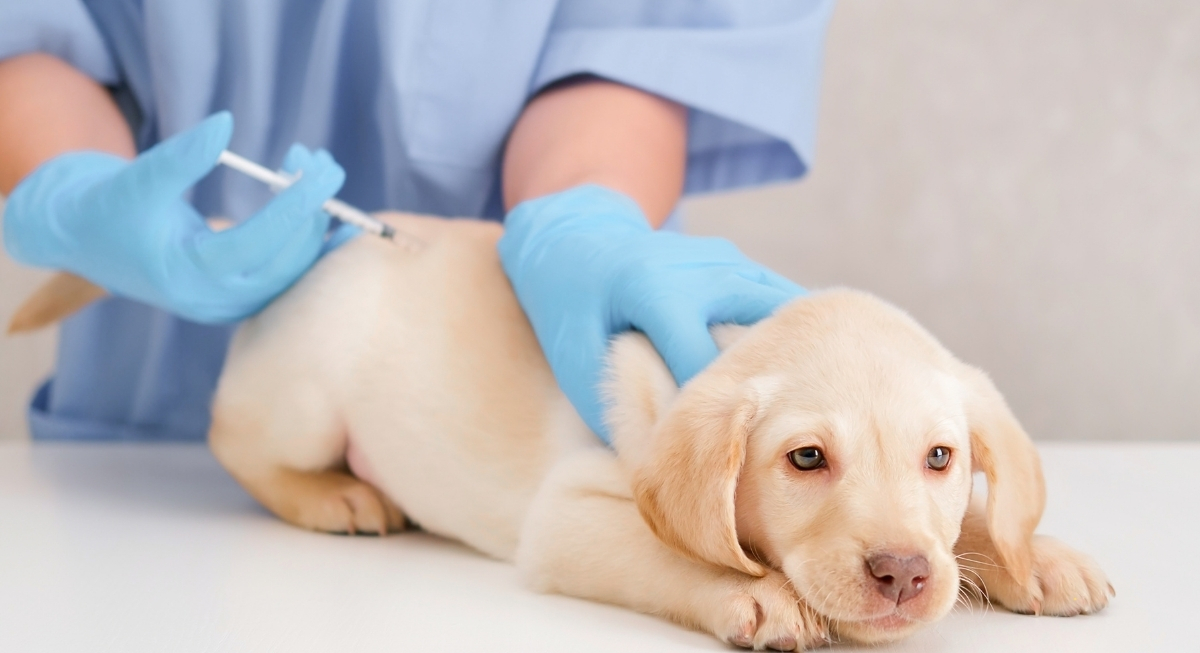
It’s easy to assume your puppy is fine if they seem active and playful, but that first vet visit isn’t optional. It’s where a veterinarian checks for parasites, congenital issues, and anything that might not be obvious yet. It also sets up your puppy’s vaccination schedule.
Missing Vaccination Schedules
Credit: Canva
A single round of vaccines doesn’t fully protect a puppy. Their immune system is still developing, so they need a series of shots spaced out over the first few months. You don’t want to create gaps in protection by missing any appointment or delaying it. The risk increases once your puppy starts going outside or interacting with other dogs.
Not Understanding Puppy-Specific Needs
Credit: Getty Images
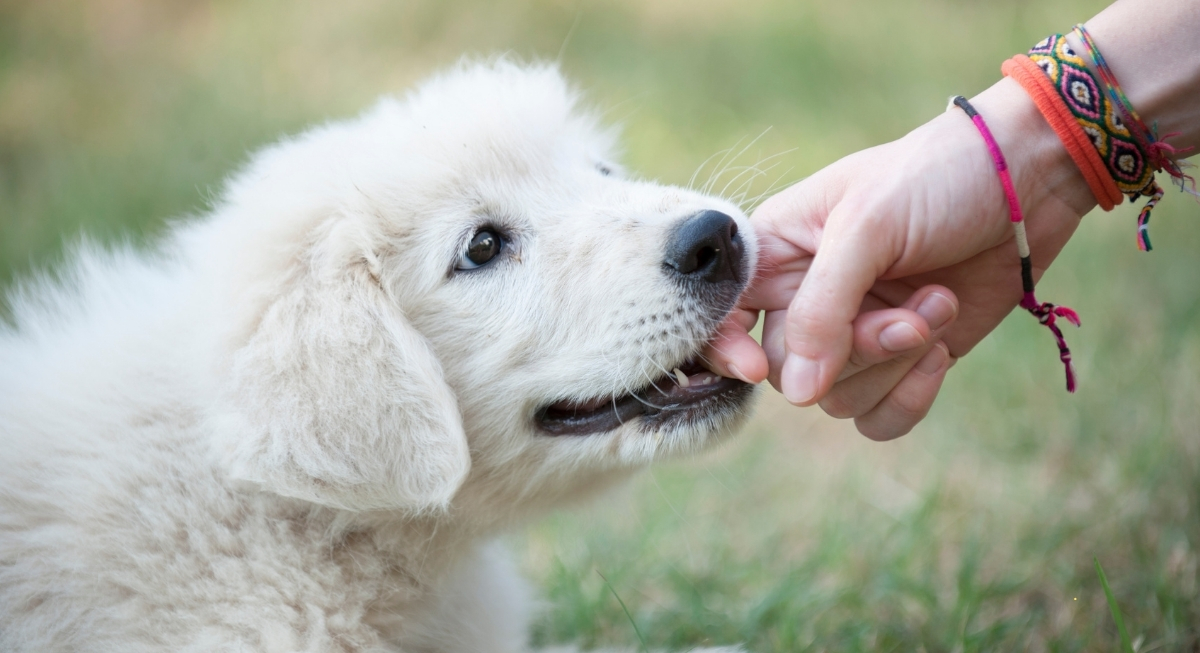
Expecting a puppy to behave like an adult dog is unreasonable. Puppies need more meals throughout the day, far more sleep, and shorter bursts of activity. They’re also still learning basic control over their bodies and behavior. When expectations don’t match that reality, it often leads to overexercising, inconsistent feeding, or unnecessary discipline.
Delaying Training Until Later
Credit: pexels
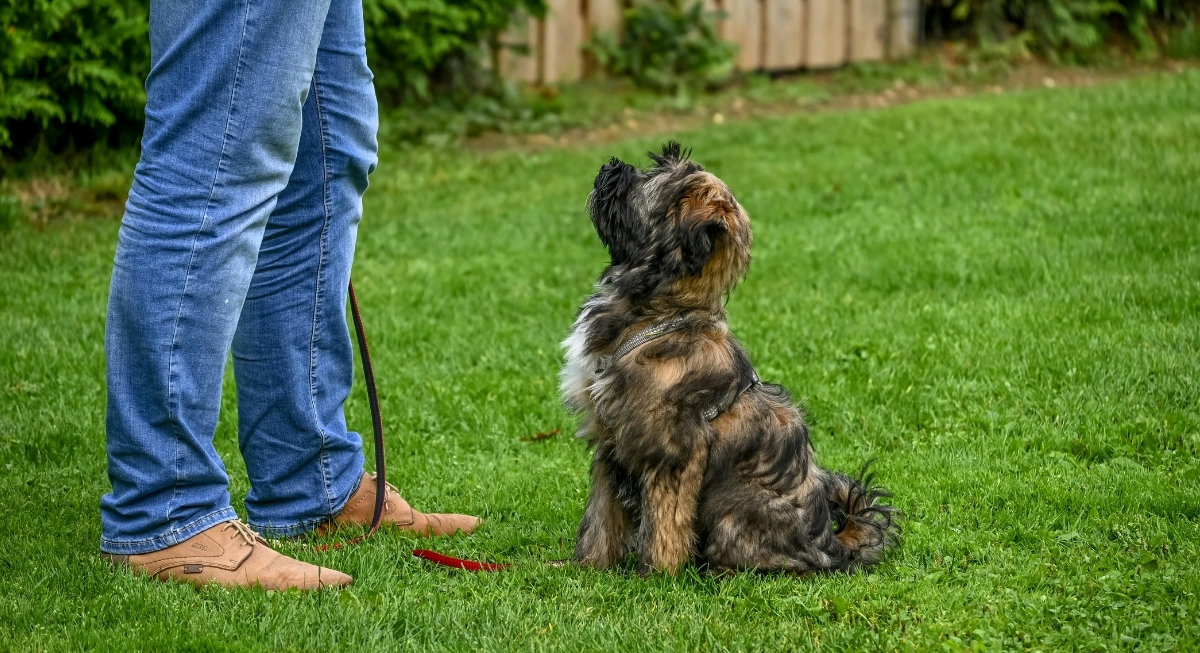
Many owners wait until their puppy is older before taking training seriously. By then, the dog has already learned what works and what doesn’t, including behaviors you don’t want. Starting early means introducing short, consistent training that becomes part of their daily routine. It keeps things manageable as your puppy grows.
Being Inconsistent With Rules
Credit: Getty Images
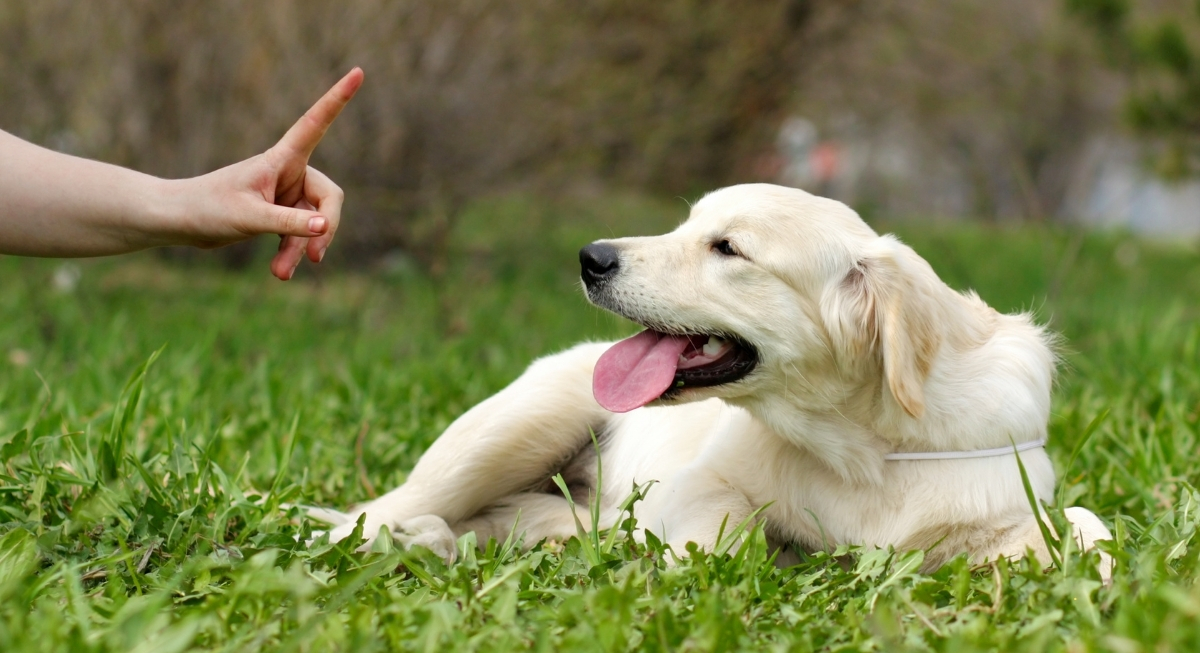
Puppies learn through repetition, so mixed signals slow everything down. If one person allows jumping while another corrects it, the puppy doesn’t understand what’s expected. The same goes for using different commands for the same behavior. Consistency across the household is what turns training into something the puppy can actually follow.
Not Socializing During the Critical Window

Credit: Getty Images
There’s a short period early in their life when puppies are most open to new experiences. During that time, they need safe exposure to different people, sounds, and environments. Skipping this step or doing it too late can lead to fear or defensive behavior. Socialization done right won’t overwhelm them and is important to help them feel comfortable in situations they’ll face regularly.
Ignoring Parasite Prevention
Credit: Canva
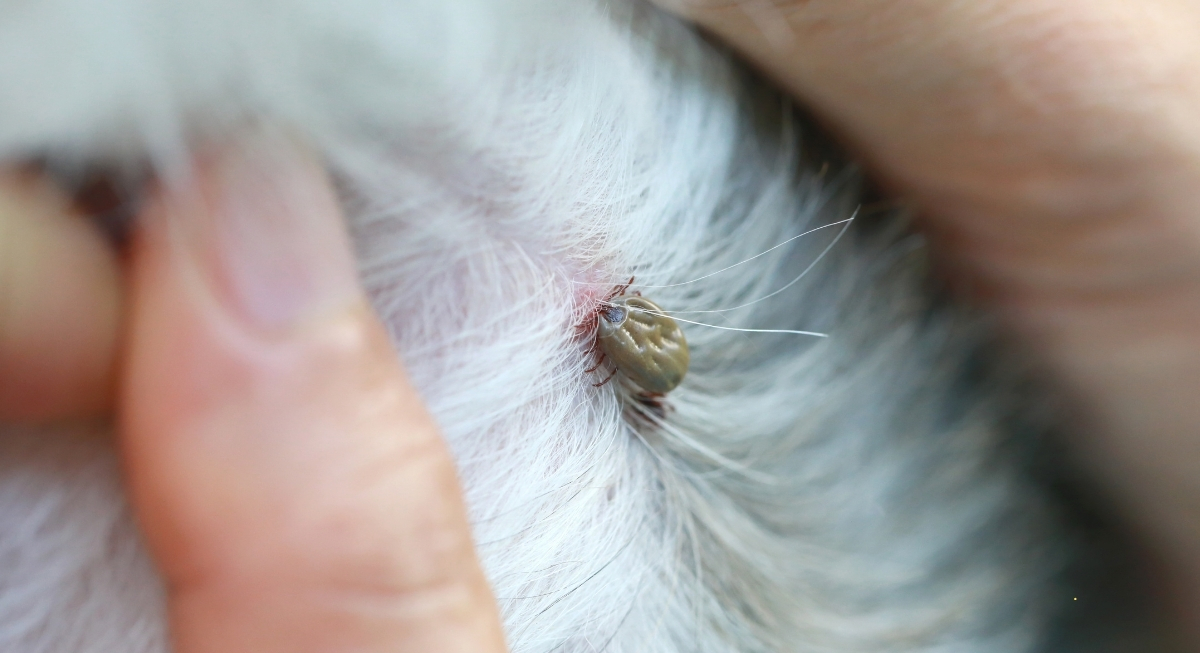
Prevention is everything when it comes to fleas, ticks, and worms. Once they take hold, they can affect your puppy’s health in ways that aren’t easy to reverse. Preventive treatments keep those risks under control instead of waiting until there’s already a problem to fix.
Skipping Dental Care Early
Credit: Getty Images
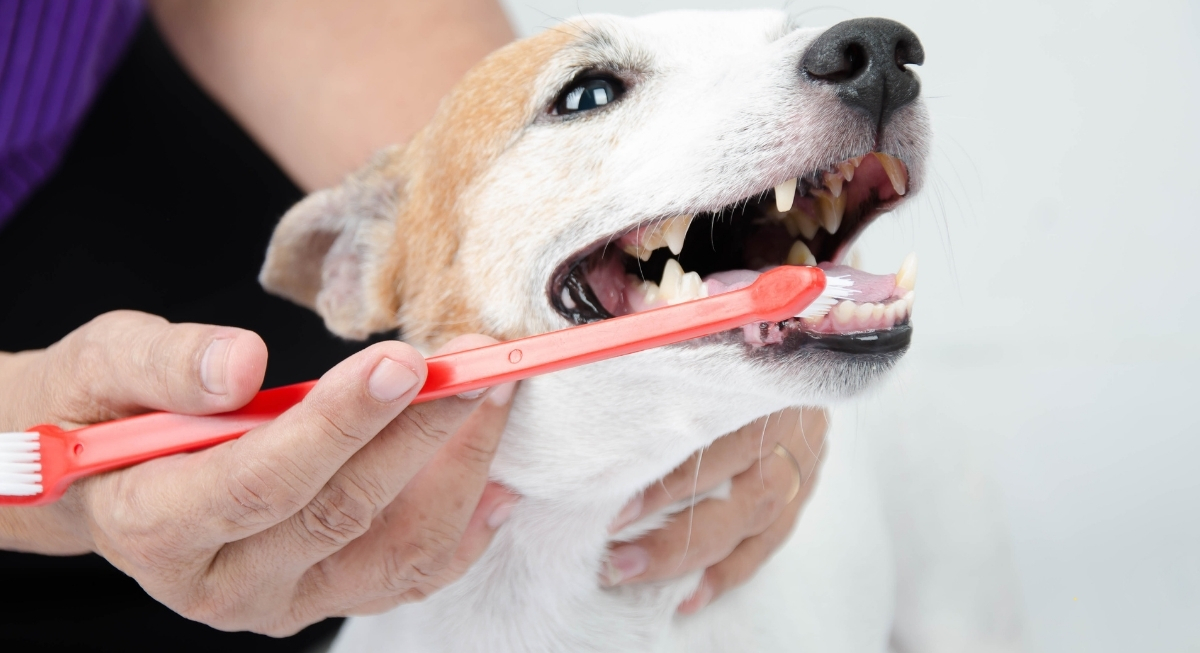
Dental care is one of the most overlooked parts of raising a puppy. Many owners don’t think about it until there’s bad breath or visible issues. If your puppy gets used to brushing from the start, it reduces the risk of infections. It’s much easier to maintain than to repair.
Missing Early Signs of Illness

Credit: Getty Images
Puppies don’t always show illness in obvious ways. Pay attention to small changes so it’s easier to act before things escalate. A slight drop in energy, changes in eating habits, or unusual behavior can be early warning signs. Waiting to see if it gets better often delays treatment.
Underestimating Attention and Stimulation Needs
Credit: Getty Images
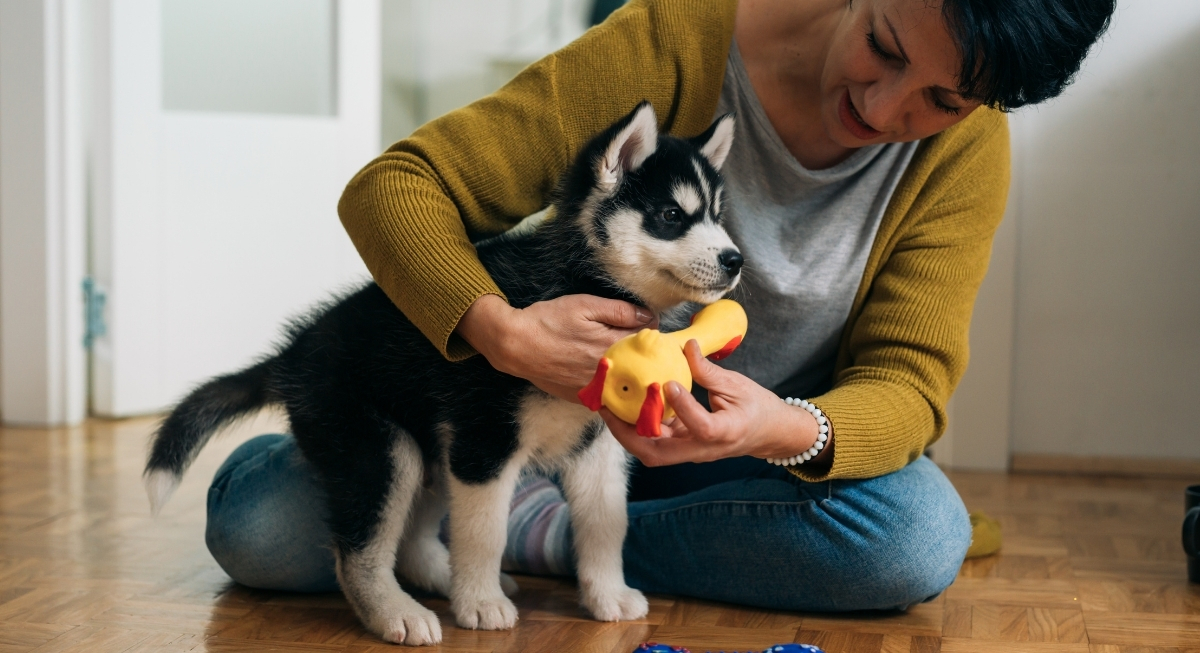
Puppies aren’t low-maintenance. They need interaction, play, and mental challenges throughout the day. Without that, boredom sets in quickly, and that’s when destructive behavior starts. Chewing furniture or constant barking is a sign that something important is missing from their routine.