New Research Shows Cats Meow More at Men and Scientists Think They Know Why
Most cat owners recognize that moment when they walk in, and their cat is already waiting by the door, ready to “say something.” It usually feels routine, like every meow means the same thing. But newer research suggests that isn’t quite true. Cats may actually adjust how they vocalize depending on who they’re interacting with, especially when it comes to men.
Scientists studying everyday cat–human interactions have started to notice a pattern. In many cases, cats appear to use more frequent or more noticeable meows around men, as if they’re being more deliberate about getting their attention.
A Small Detail That Stood Out Fast
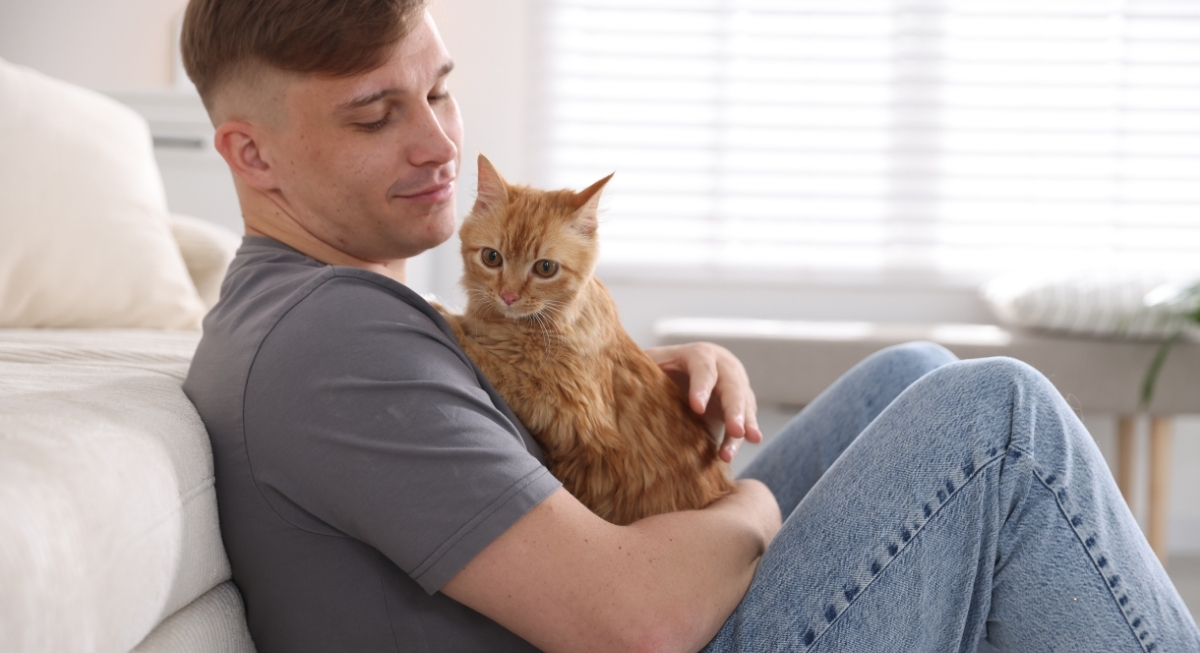
Image via Canva/Africa images
To get an honest look at how these interactions work, researchers didn’t just ask owners for their opinions. Instead, they used body cameras to record the first 100 seconds of a person coming home. This short window is usually when a cat is most expressive and least influenced by things like upcoming meal times.
After examining 31 households, a clear trend emerged. Cats were significantly more vocal when greeting men than when greeting women. On average, cats gave about four meows to the men in the house, while women usually received fewer than two. It didn’t matter how old or what breed the cat was; the primary factor in how much a cat talked was the gender of the person walking through the door.
It Doesn’t Mean What People Think
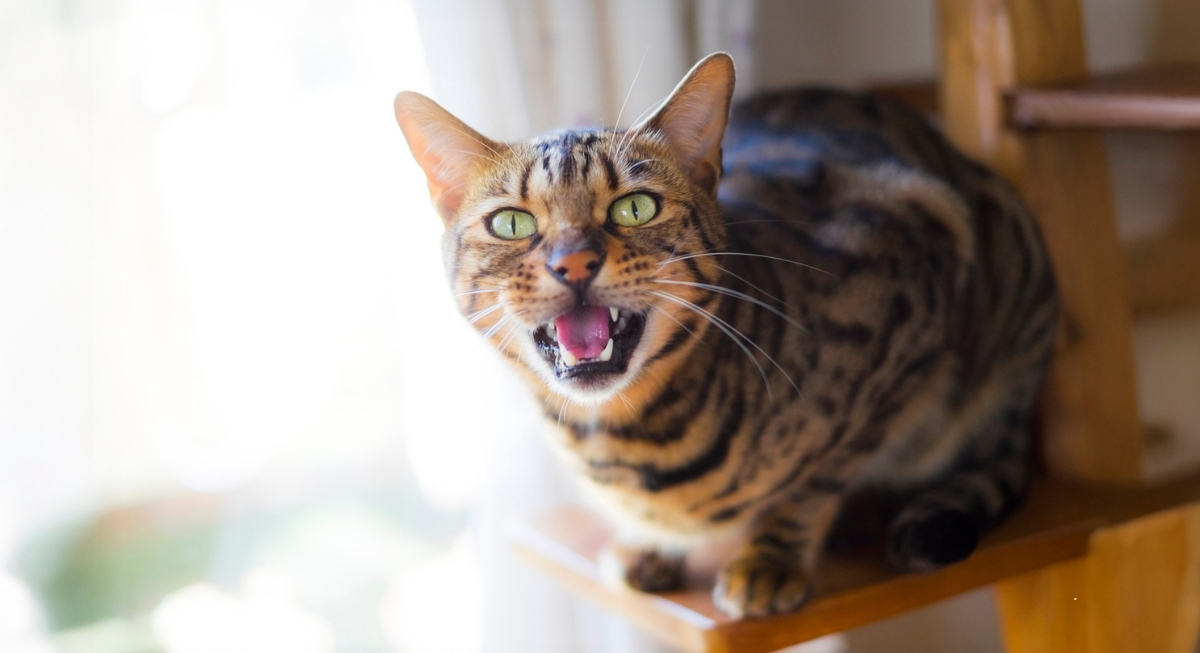
Image via Canva/Aflo Images
When a cat gets loud, it’s easy to assume they are more excited to see that person or that they have a “favorite.” However, the study found that the physical signs of affection didn’t change at all. Whether a man or a woman walked in, the cats showed the same friendly body language, like walking up with a vertical tail or rubbing against the person’s legs.
The cats weren’t necessarily happier to see the men; they were just being noisier about it. The bond was the same across the board, but the communication method was dialed up for one group and dialed down for the other.
Why Cats Turn Up The Volume
The reason for this lies in how we, as humans, behave. Past studies have shown that women generally talk to their cats more often and are quicker to notice subtle signs, like a twitch of a tail or a soft look.
Men, on average, tend to be less verbally interactive with their pets and might miss those subtle, silent signals. Cats are turning up the volume to make sure they aren’t ignored.
More Than Just Noise
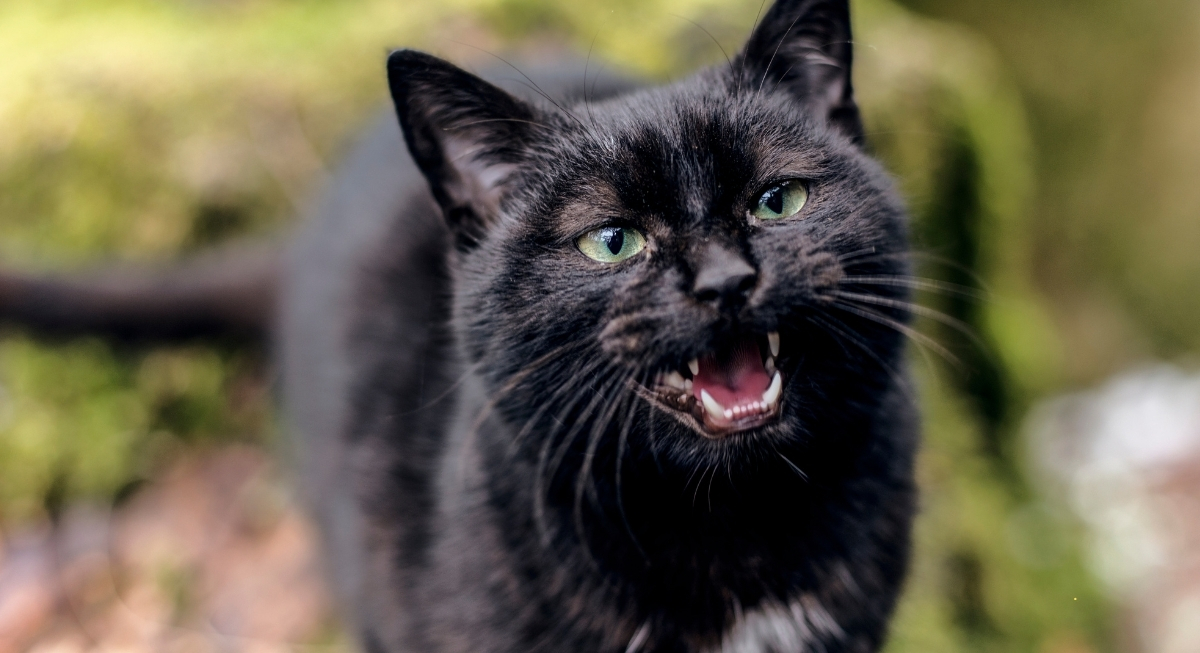
Image via Getty Images/Edyta Bartkiewicz
This research also helps debunk the old cliché that cats only “love” us because we feed them. The cats weren’t hanging out by their bowls or acting like they were starving; they were simply looking for a social connection. It suggests that the meow is a social tool used to maintain a relationship rather than a demand for a snack.