Forget Dogs: Here are the New World Animals Humans Have Considered Domesticating
Pets and livestock have long been selected based on traits such as friendliness, diet, and ease of management. But not every animal that could be useful ever got the spotlight. In the Americas, a surprising number of species show real potential for domestication—if not as pets, then as future farm animals, rodent control, or something entirely unexpected. These 10 species might be next in line.
Capybaras Might Just Walk Onto the Farm
Credit: Wikimedia Commons
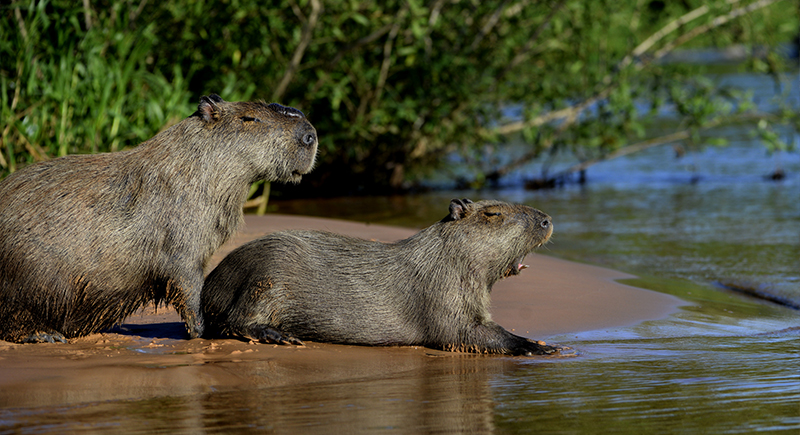
Capybaras are the largest rodents in the world and among the most sociable. In South America, they’re semi-domesticated in some areas for meat. They breed well in captivity and are not intimidated by humans. Their calm, herd-based behavior makes them easier to manage.
Raccoons Are Accidentally Domesticating Themselves
Credit: Wikimedia Commons
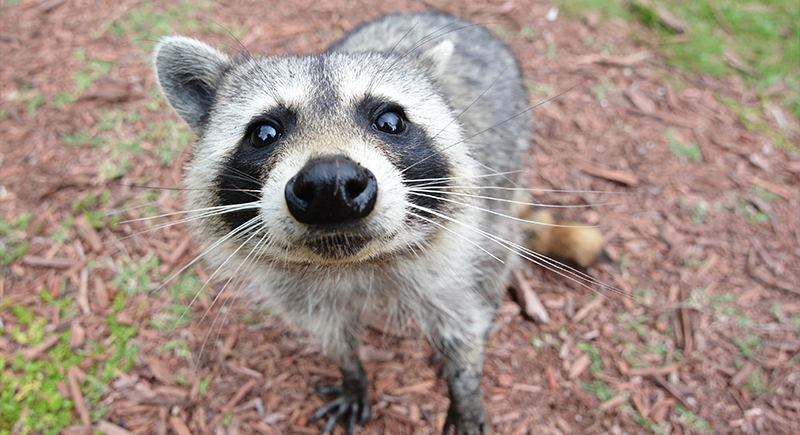
Urban raccoons are already adapting to life alongside people. Studies show changes in their skull shape and behavior, hinting at early domestication traits. Researchers from the University of Arkansas observed shorter snouts and reduced fear responses in raccoons living in urban areas.
Muscovy Ducks Can Handle More Than Just a Pond
Credit: Getty Images
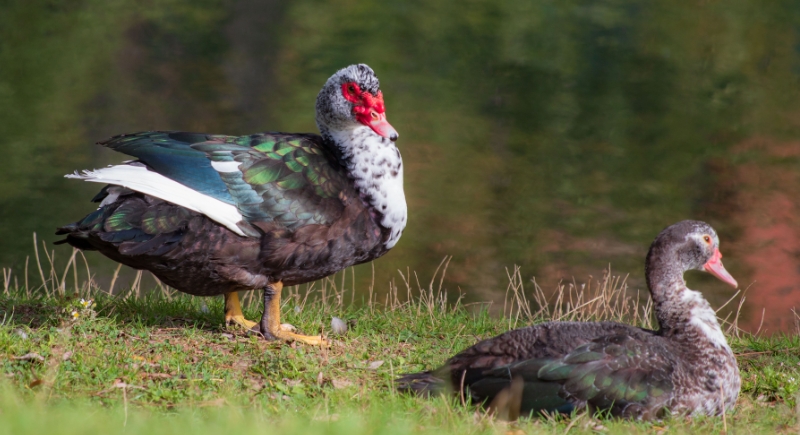
These ducks don’t quack like mallards. Instead, they hiss. They’re quieter, hardier, and better at pest control. Muscovies already work double duty on some farms, eating insects while also laying eggs and providing meat. They even get along with chickens.
Ringtail Cats Already Got a Head Start
Credit: Wikimedia Commons
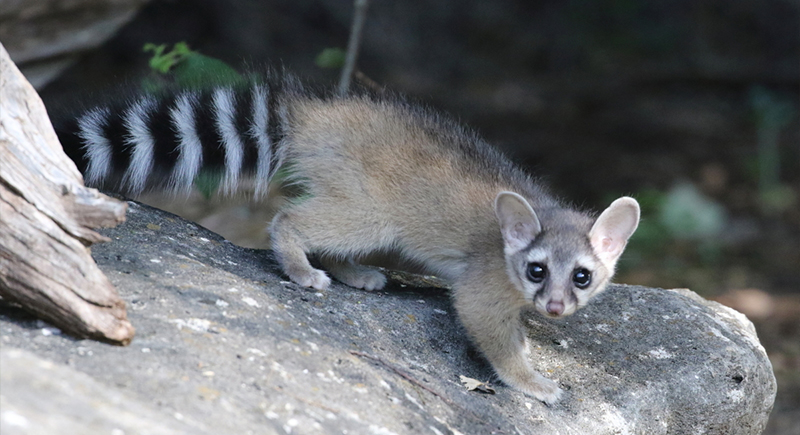
Centuries ago, miners in the American Southwest welcomed ringtails into their cabins for rodent duty. People even made sleeping spots for them by the stove. They’re not true cats, but they’ve got similar instincts. Unlike housecats, they’ll eat pretty much anything and handle desert heat with no problem.
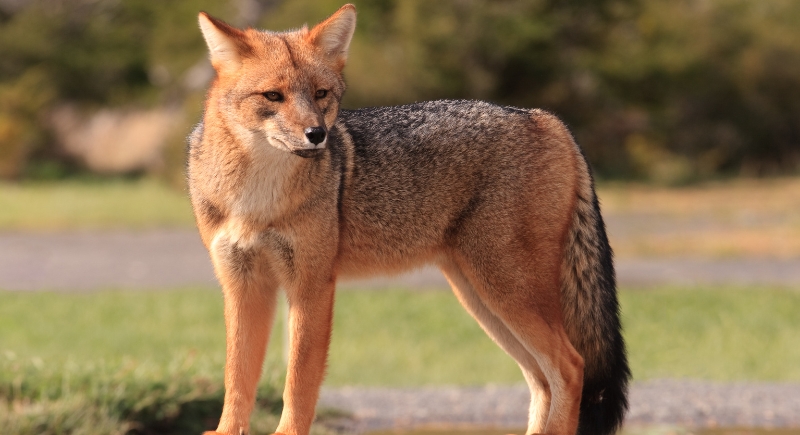
Culpeo Foxes Were Kept Like Pets—For a While
Credit: Getty Images
Long before European dogs arrived, some South American cultures kept culpeo foxes. Although they eventually disappeared with the rise of more familiar dogs, evidence suggests that they served as working pets for thousands of years.
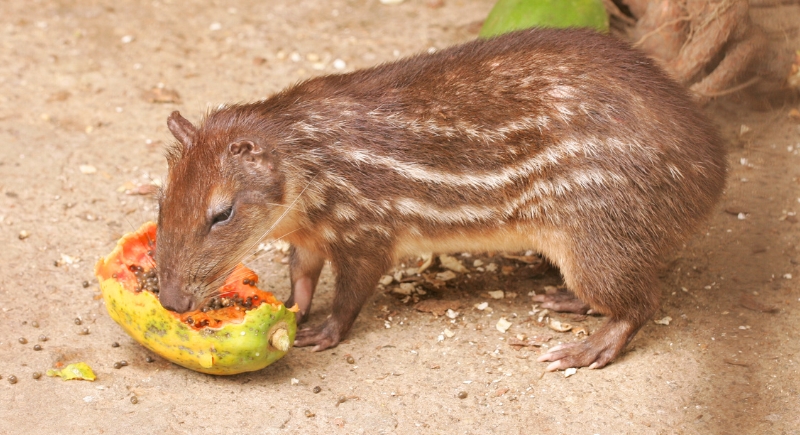
Tepezcuintles Were on the Menu, but Not the Farm
Credit: Getty Images
The lowland paca, also known as tepezcuintle, was eaten in ancient Mesoamerica but never truly domesticated. They’ve got traits that make them promising for meat farming. The challenge is that they’re nocturnal and a bit solitary, which complicates breeding.
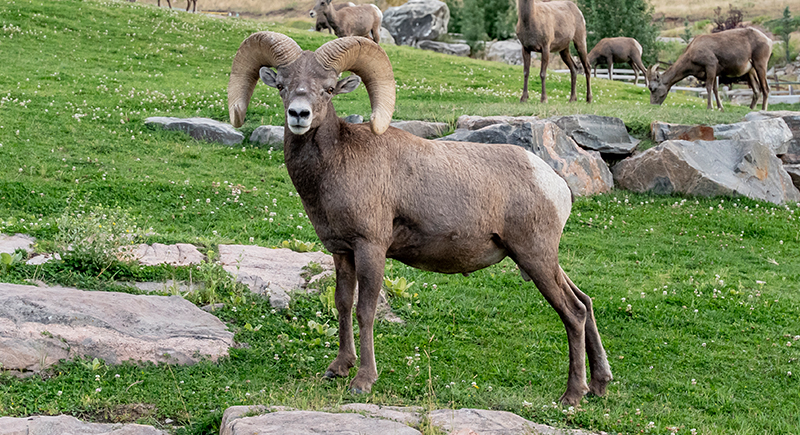
Bighorn Sheep Have the Right Kind of Family Drama
Credit: iStockphoto
They’ve got close relatives in sheep and goats, two domestication all-stars. Bighorn sheep are social, live in herds, and rely on strong group dynamics. Though wild and flighty now, they likely would’ve followed a similar path as mountain goats if herding cultures in North America had taken root early enough.
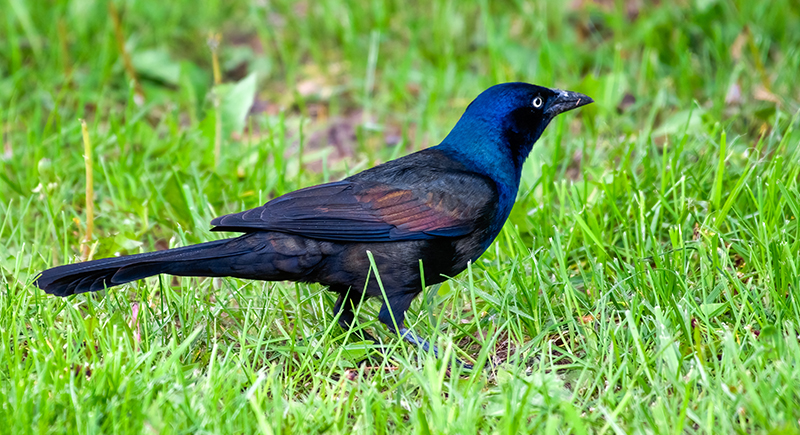
Grackles Are Already Getting Comfortable
Credit: iStockphoto
Grackles aren’t picky eaters. These loud, adaptable birds thrive in cities and eat anything from insects to fast-food scraps. In ancient Mesoamerica, they were given special grounds and may have been semi-managed by humans. If any bird could fill the “urban chicken” role in a New World scenario, grackles might do it.
Ocelots Could Fill the Cat Gap—With Caveats
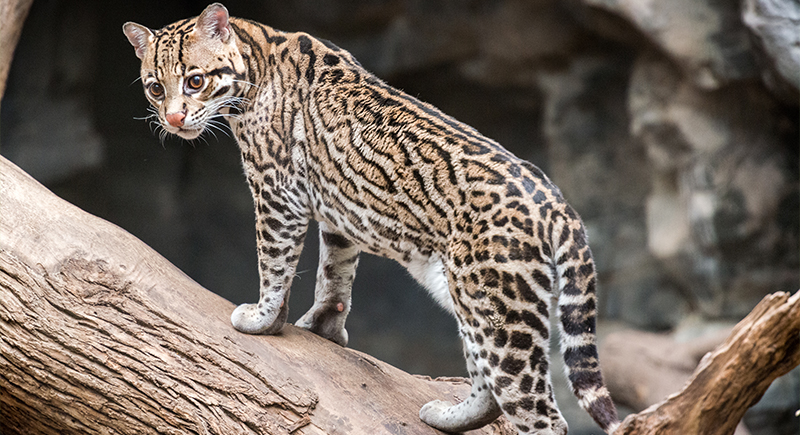
Credit: Wikimedia Commons
Ocelots are stealthy and efficient hunters. Their diet consists of mice, rats, and other small rodents. They’ve been tamed in some historical contexts, but keeping them together has been the issue—they need big territories. With targeted breeding, that independence might soften over time, much like the early wildcats that led to the domestication of house cats.
Reindeer Already Have a Track Record
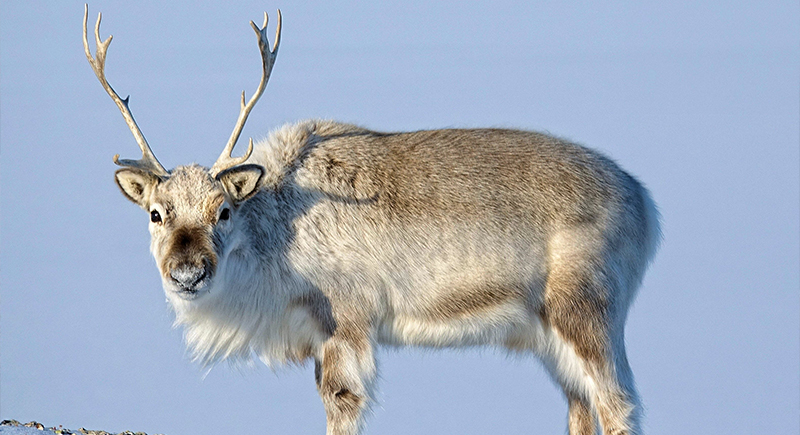
Credit: Wikimedia Commons
It’s easy to forget that North American caribou are the same species as Eurasian reindeer, which have been domesticated. Herding cultures in Siberia and Scandinavia have used them for transport and food. Though wild caribou populations in North America haven’t followed suit, they technically could.