10 Best Dog Breeds for Night Owls
If you’re someone who feels most active late at night, your dog’s routine needs to line up with that. Some dogs settle down early and expect structure around that, which can feel restrictive. Others are more flexible, staying engaged in the evening and taking their time in the morning. That difference shows up in small, everyday moments.
Choosing a dog that fits your natural timing makes things easier without forcing you to adjust how you live. Your evenings stay relaxed, your mornings don’t feel rushed, and the routine builds itself in a way that feels natural for both of you.
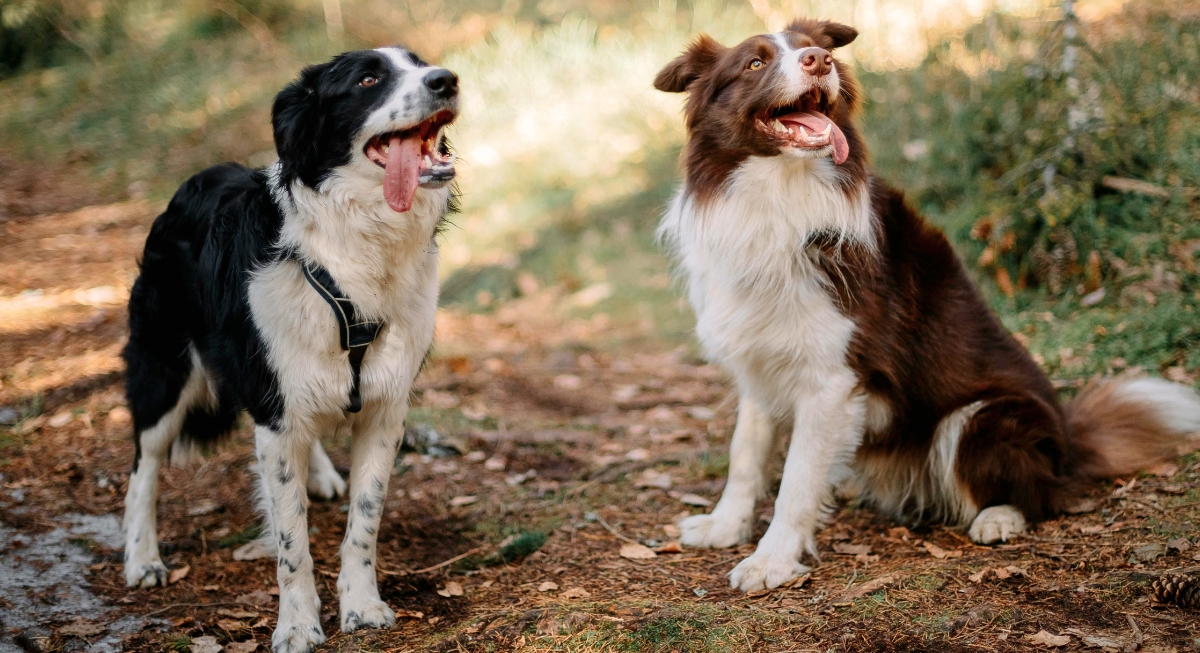
Border Collie
Credit: pexels
Give this breed something to figure out at midnight. It gets to work no matter the time. Training drills, pattern games, and problem-solving tasks hold their attention longer than casual play. Without that kind of engagement, curiosity often turns into mischief. Owners who spend evenings thinking, planning, or working through ideas usually notice how quickly this breed keeps up. New commands can be quickly learned during this time.
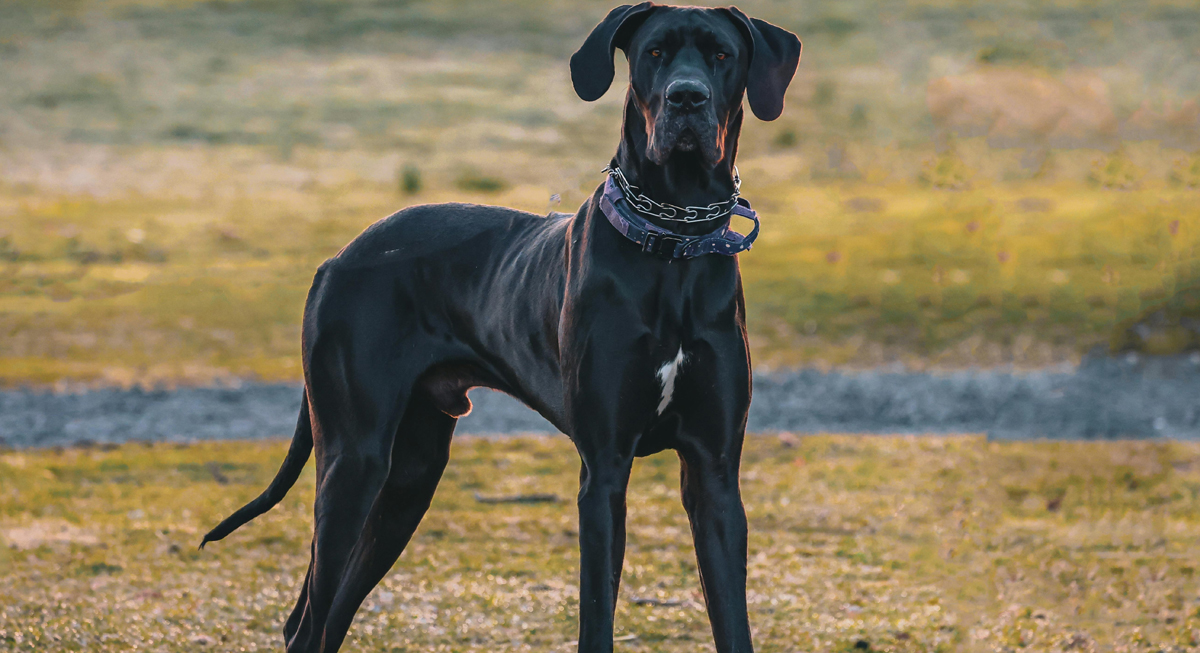
Great Dane
Credit: pexels
A Great Dane’s size influences its day. They trace back to hunting dogs used for boar hunting in Europe, which required strength more than stamina. Movement happens in shorter bursts, followed by long stretches of rest. One solid walk later in the evening often covers most exercise needs. Outside of that, their large frame naturally shapes a slower rhythm across the day.
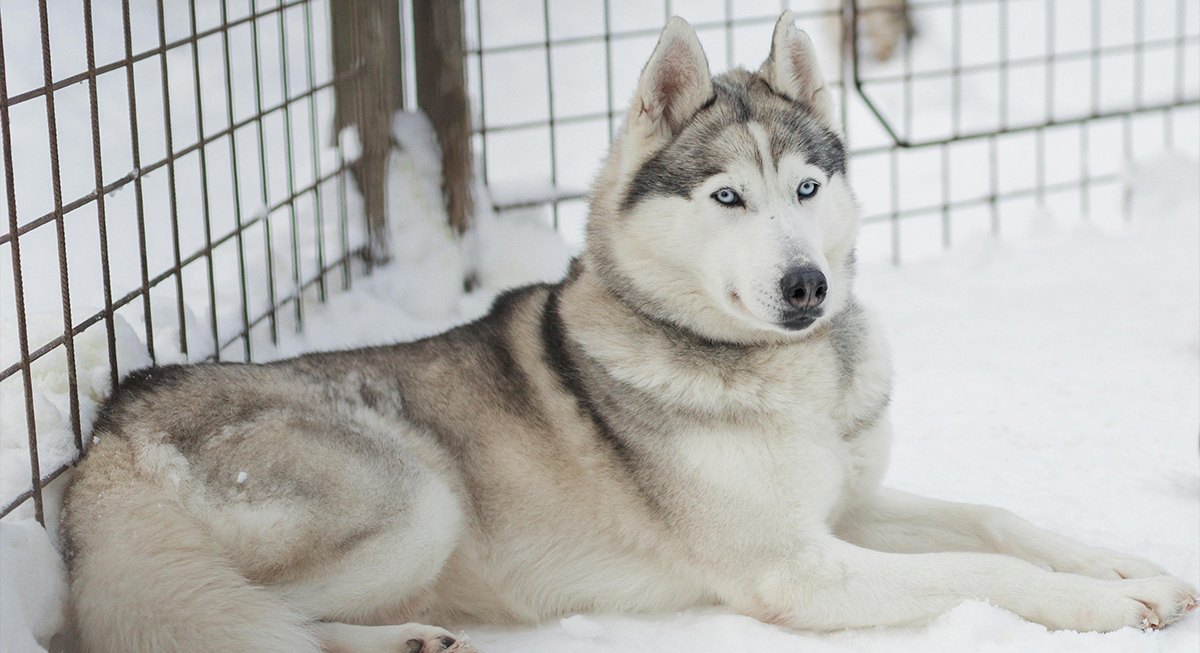
Siberian Husky
Credit: pexels
Cooler air makes a visible difference for this breed. Energy that builds during the day finally gets an outlet once temperatures drop. Evening runs or longer walks often work more naturally than daytime activity. Sound becomes part of the experience as well. The howling and light chatter characteristic of the breed usually intensifies during these hours. It can significantly change the vibe of a late-night routine.
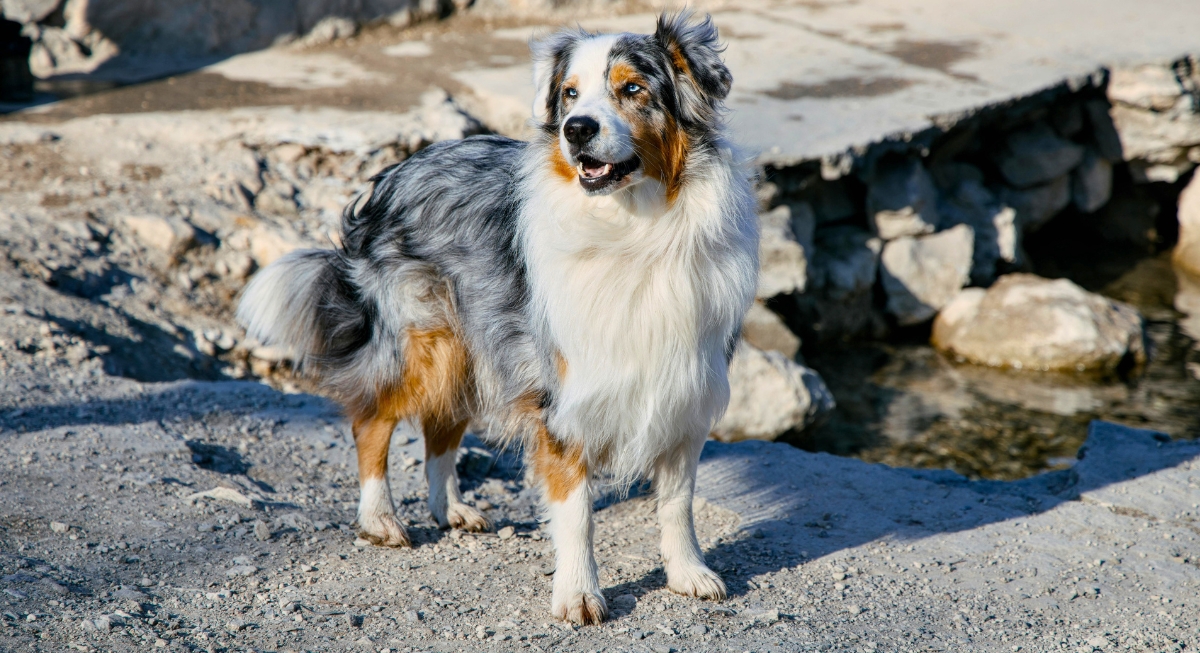
Australian Shepherd
Credit: pexels
This breed requires specific tasks to prevent restless behavior. Introducing a structured routine of fast drills, agility games, or short obedience sessions effectively channels them into productive habits. Because they identify patterns quickly, consistent repetition sharpens their responsiveness. Eventually, the routine runs smoothly without constant correction.
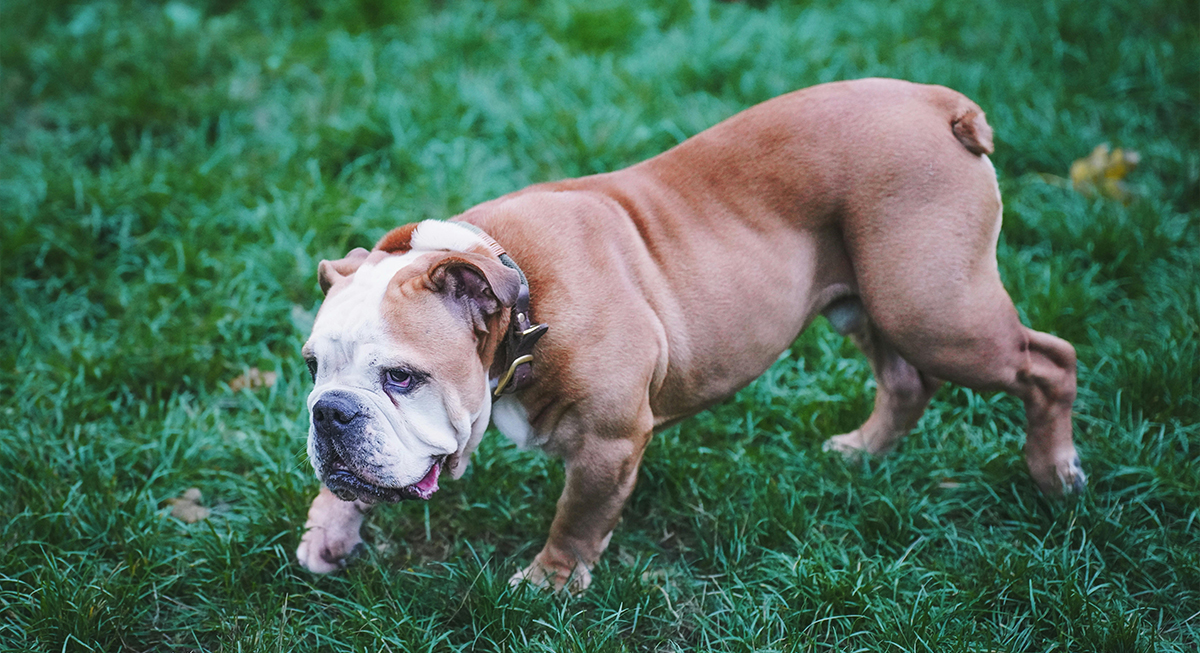
Bulldog
Credit: pexels
The shortened snout of a Bulldog affects breathing and heat regulation. So they’re resting most of the time. It’s more manageable to give them their walks in the cooler hours of the day, even at midnight and early hours. They are perfectly happy sticking to a predictable, slow-moving schedule.
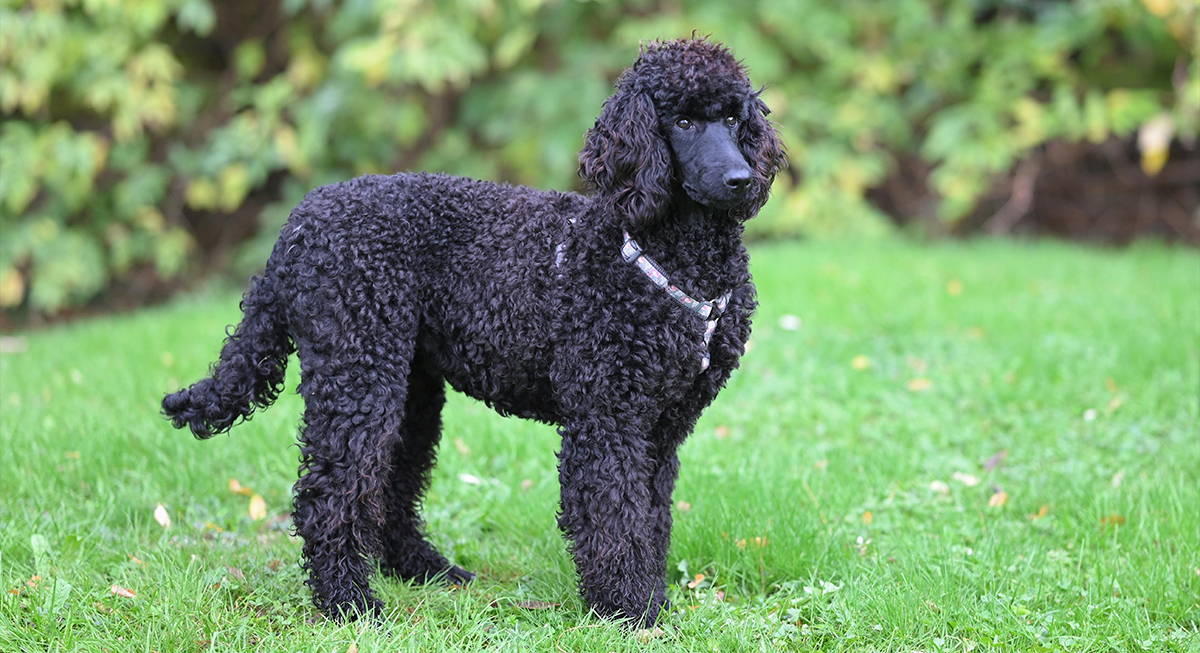
Poodle
Credit: pexels
Your poodle could be ready to spend an hour with you on a puzzle toy during a work break, while the next three are spent sitting totally still at your feet. The transition between these states happens without friction. The routine is never forced and mirrors the room’s energy. It’s a seamless fit when working on a high-focus deadline.
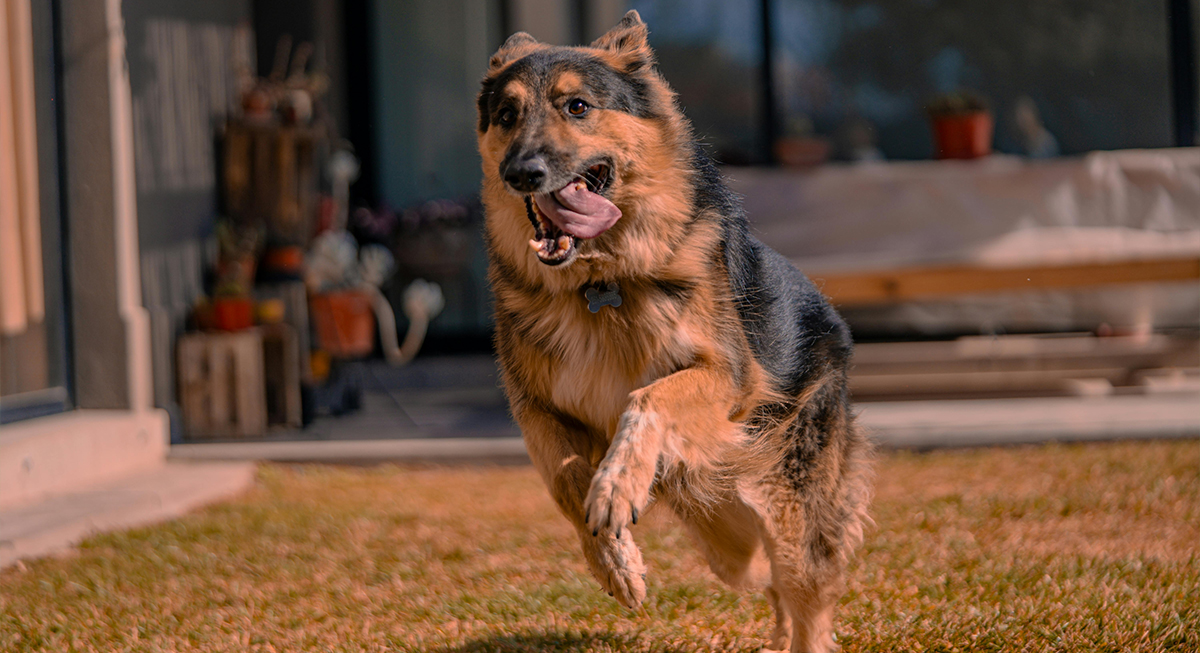
German Shepherd
Credit: pexels
When it’s late, a German Shepherd is super aware of small sounds, subtle movement, and changes in the environment. That responsiveness comes naturally, but training shapes how it shows up. With clear guidance, reactions are controlled and measured. Without it, behavior can feel harder to predict during those quieter moments.
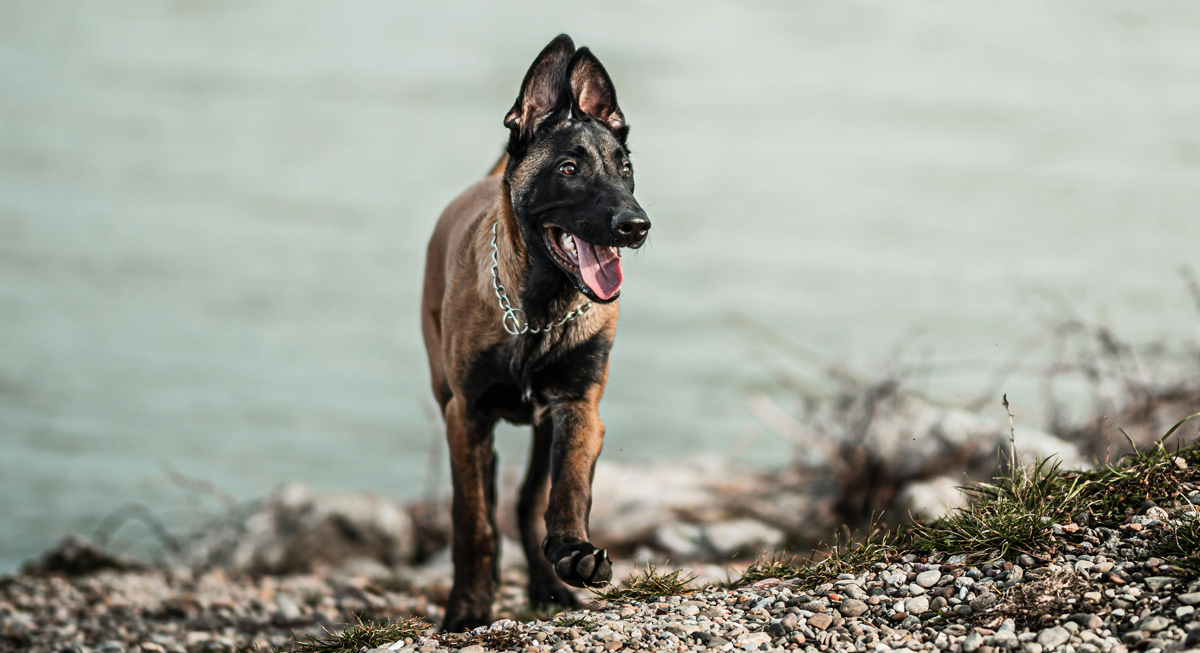
Belgian Malinois
Credit: pexels
Belgian Malinois are often used in elite military and law enforcement units due to their focus and endurance. Their energy builds up quickly, and if they don’t have a job to do, they can become a handful to manage. Instead of just tossing a ball, try specific training drills that mentally engage them for a long. If you’re someone who already lives by a disciplined, steady routine, you’ll find that their drive fits right in with yours.
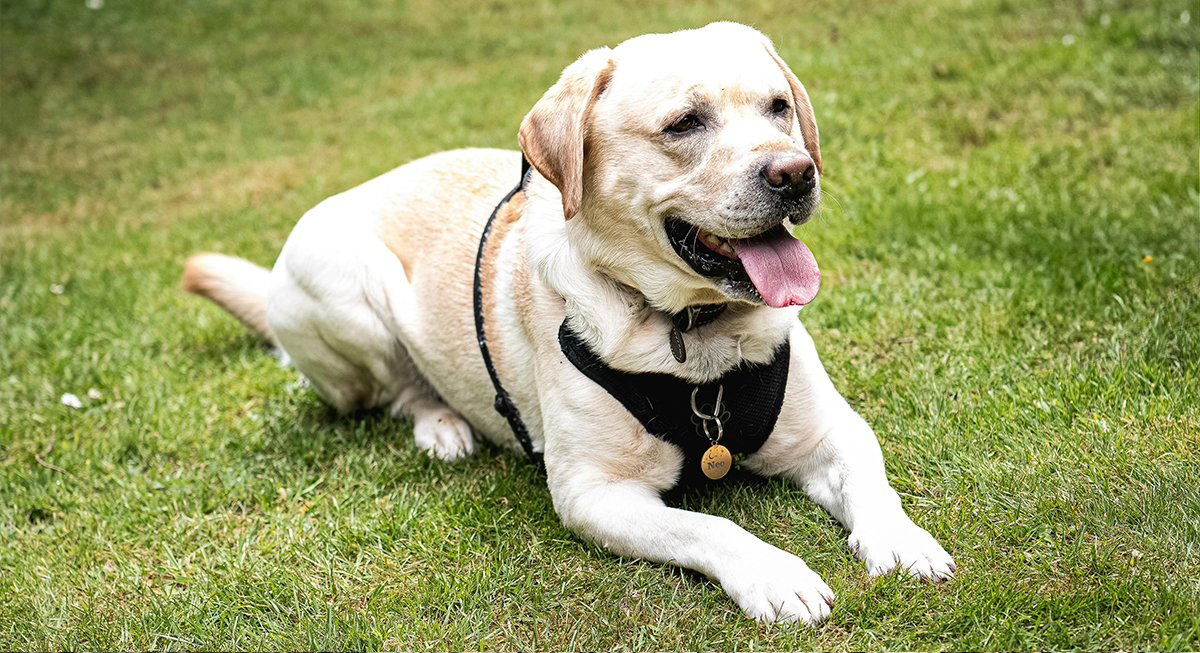
Labrador Retriever
Credit: pexels
Schedules shift, plans move, and this breed handles the change without much disruption. A walk at midnight works just as well as one earlier in the day. Skipping high-energy activities occasionally doesn’t throw things out of balance. Interaction matters more than timing, so daily life can be consistent even when routines need to adapt later.
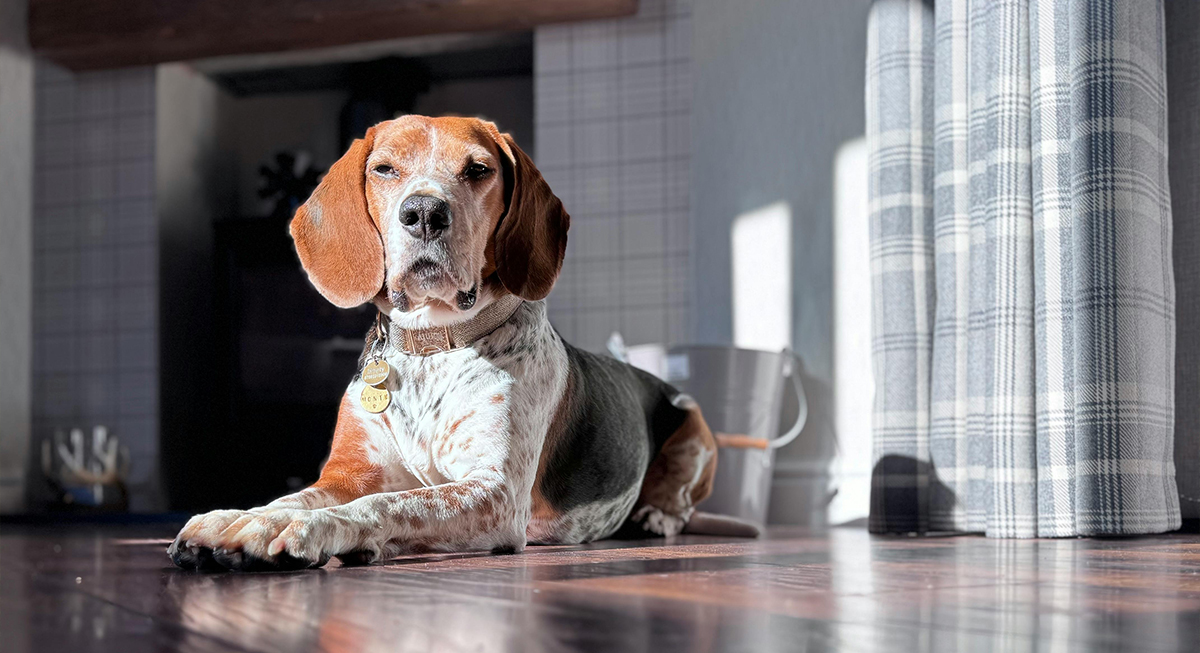
Basset Hound
Credit: pexels
Scent drives almost every decision this dog makes. They have one of the strongest noses in the canine world, second only to the Bloodhound. Their long ears even help trap scent particles closer to the nose. Walks can shift direction or slow down depending on what gets picked up along the way. Late, unhurried outings are a better match than rushed early routines.