Non-Human Species That Have Successfully Passed the Mirror Test
The mirror test has fascinated scientists for decades due to its simplicity and revealing nature. First introduced in 1970 by psychologist Gordon Gallup Jr., the experiment places a visible mark on an animal’s body in a spot it cannot see without a mirror. Researchers then watch what happens. Does the animal treat the reflection as another creature, or does it notice the mark on its own body and try to inspect it? Humans tend to reach this stage of self-recognition at around 18 months of age. Beyond that, only a small number of non-human species have shown similar behavior.
Chimpanzee
Credit: Wikimedia Commons
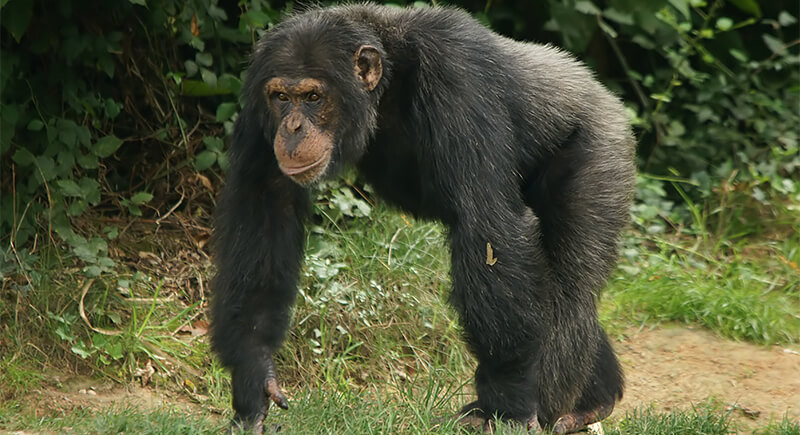
Gallup’s first subjects were chimpanzees, and the discovery that many young adults pass the mirror test changed how scientists think about primate cognition. Around 75% of young adult chimps react to facial marks placed with dye by touching those same spots on their real faces. Some chimps fail, which shows how age and stress can shape testing conditions.
Bonobo
Credit: Wikimedia Commons
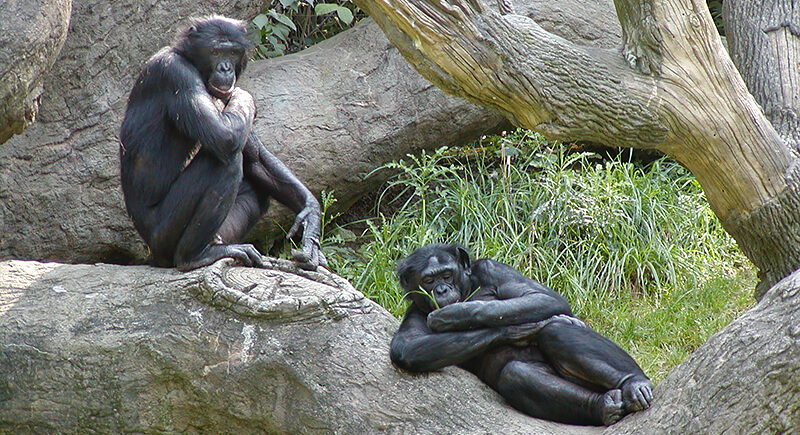
Bonobos stepped into the spotlight in 1995 when Emory University researchers used red lip paint to see if they would notice the unfamiliar color on their bodies. Most adults reacted by inspecting the paint while monitoring the mirror, which links them to other species already known for their advanced problem-solving abilities.
Orangutan
Credit: Wikimedia Commons
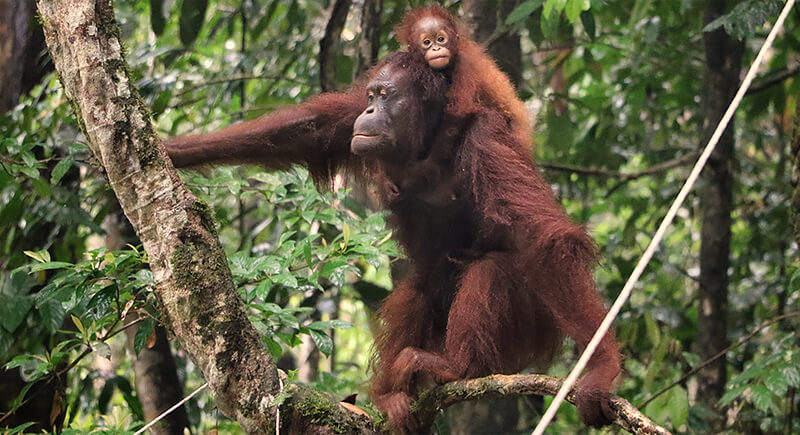
When Bornean orangutans are shown a mirror, their response is calm and attentive. They do not treat the reflection as a separate entity. Instead, they use it to look at parts of their own bodies that are usually out of view. Researchers have observed them touching their faces, peering into their mouths, and slowly examining areas revealed only through the mirror, using their long arms with precise control.
Western Gorilla
Credit: Wikimedia Commons
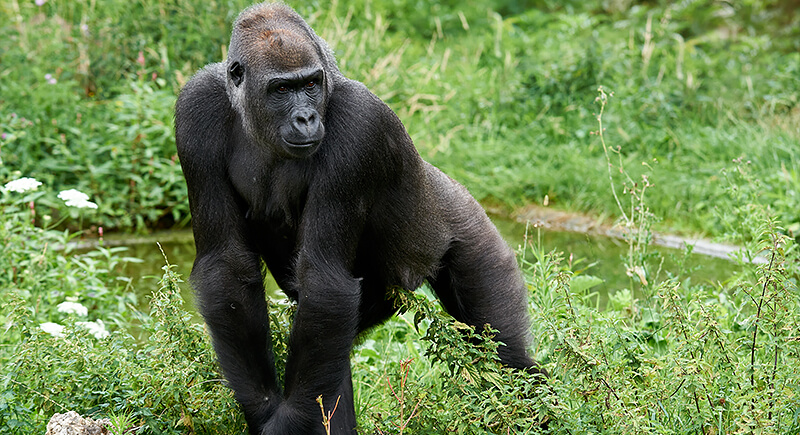
Gorillas bring more unpredictable reactions, because many silverbacks respond aggressively to their reflections. Researchers testing gorillas with mark tests and video setups, including eye-tracking, found mixed results. Koko became the first gorilla to pass, which fueled interest in how social patterns and eye contact affect recognition.
Bottlenose Dolphin
Credit: Wikimedia Commons
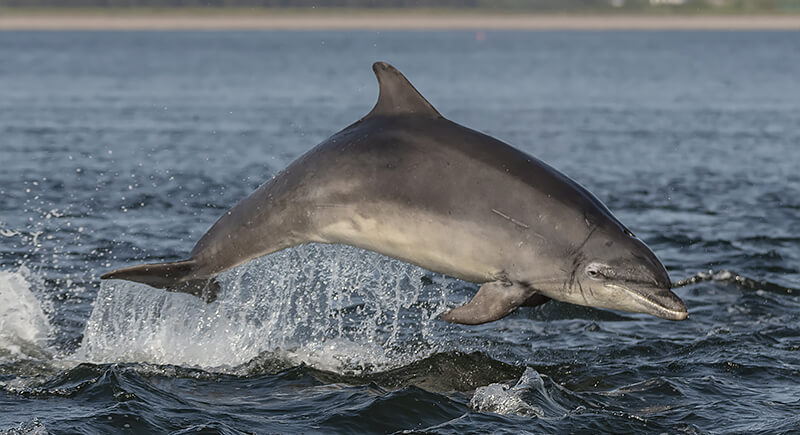
When dolphins were tested with mirrors in the 1990s, their reactions were strikingly purposeful. They twisted and turned, clearly trying to view marks placed on their bodies with temporary dye. Follow-up studies years later suggested that young dolphins may develop this awareness earlier than many other animals. Their habit of checking themselves from multiple angles reflects how finely tuned they are to visual information underwater.
Orca
Credit: Wikimedia Commons
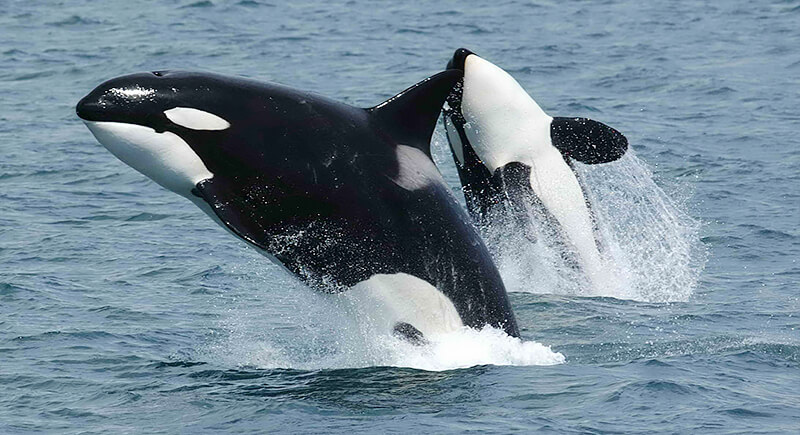
Orcas brought something new to the study when it was discovered that they checked mirrors after being marked and seemed to anticipate changes in their reflection. Researchers noticed that orcas looked for corresponding alterations on their mirrored bodies, which signals an ability to link image and reality. Tilikum, a well-known captive orca, was documented sticking out his tongue during testing sessions.
Asian Elephant
Credit: Wikimedia Commons
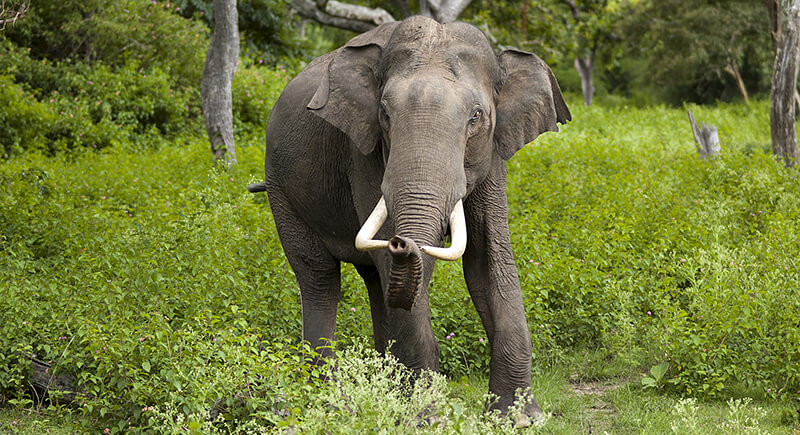
An enormous mirror that allowed full-body viewing was used on Asian elephants tested in 2006. One female named Happy became the standout who recognized her reflection. Elephants sometimes struggle with the mark test because they often add materials like mud to their bodies rather than remove them. Their size also means repositioning takes more effort, which affects how quickly they respond.
Eurasian Magpie
Credit: Wikimedia Commons
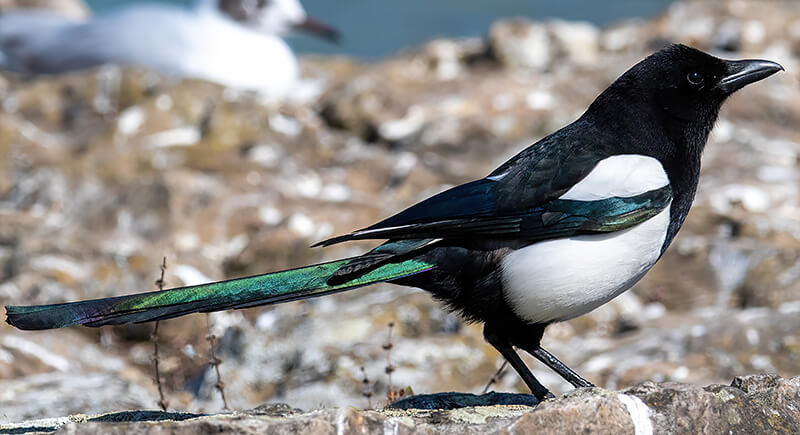
Magpies became the first birds to pass the mirror test in 2008 when they attempted to remove colored stickers placed on their feathers. Birds with transparent stickers showed no reaction, which strengthens the case that they weren’t just responding to the sensation of something on their bodies. Their success surprised researchers because magpies lack a mammalian neocortex.
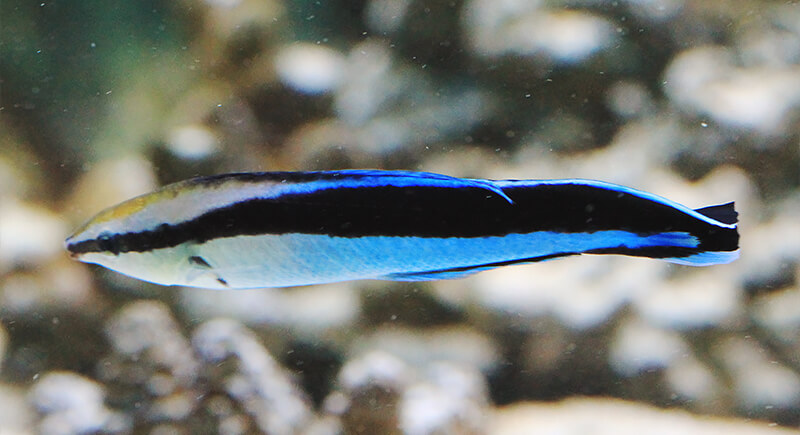
Bluestreak Cleaner Wrasse
Credit: Wikimedia Commons
Cleaner wrasses created debate in 2019 when they scraped their bodies against surfaces after seeing parasite-like marks in a mirror. A 2022 follow-up study strengthened the idea that their reactions align with self-recognition behavior. Mark-scraping only occurred when the fish were in front of mirrors and only when the mark looked meaningful to them.
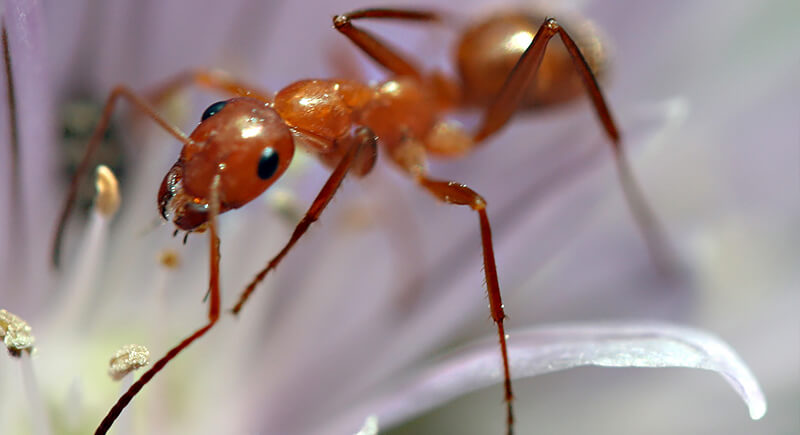
Ant
Credit: Wikimedia Commons
A 2015 study tested ants with blue dots placed on their clypeus and found that marked individuals groomed themselves when they could see their reflections. Ants with dots that blended in or dots placed on the back of the head showed no grooming. Researchers also noted that ants responded aggressively to blue-marked colony mates, which helped them rule out social confusion when interpreting the mirror results.