10 Strange Cat Behaviors That Are Actually Completely Normal
Living with a cat can feel confusing at times. Some of their habits seem random or inconvenient, but most of them come from natural instincts rather than mischief. Once you understand that, their behavior starts to make more sense. What looks strange at first is usually tied to how cats communicate, stay safe, or feel comfortable in their environment.
Midnight Zoom Sessions Across The House
Credit: Getty Images
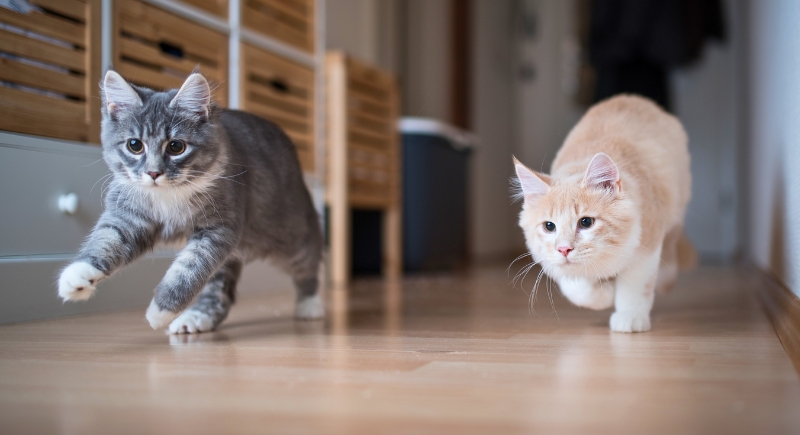
Late at night, cats often sprint through rooms with no warning, knocking into furniture and skidding across floors. This burst of energy aligns with their natural hunting rhythm, which peaks at dusk and dawn. Indoor life limits real hunting opportunities, so stored energy needs an outlet.
Knocking Objects Off Tables And Shelves
Credit: Getty Images
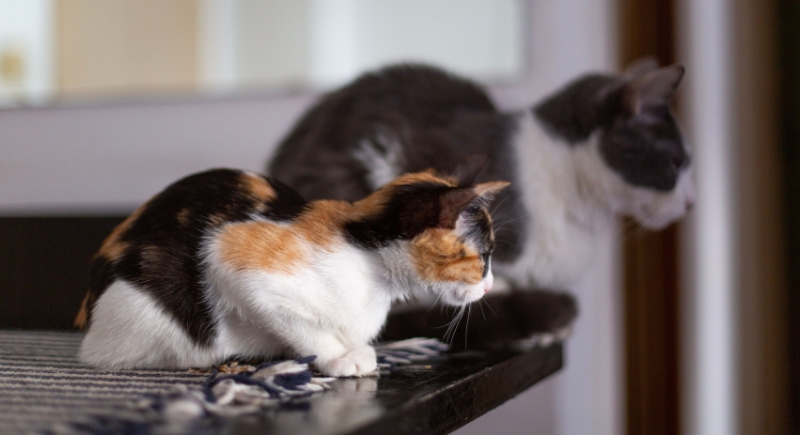
A glass near the edge or a pen left unattended often becomes an easy target for a curious paw. Cats rely heavily on touch to assess their surroundings, especially when something catches their attention. Tapping and pushing objects helps them test movement and reaction. The added benefit is human attention, which reinforces the behavior.
Slow Blinking During Quiet Moments
Credit: Getty Images
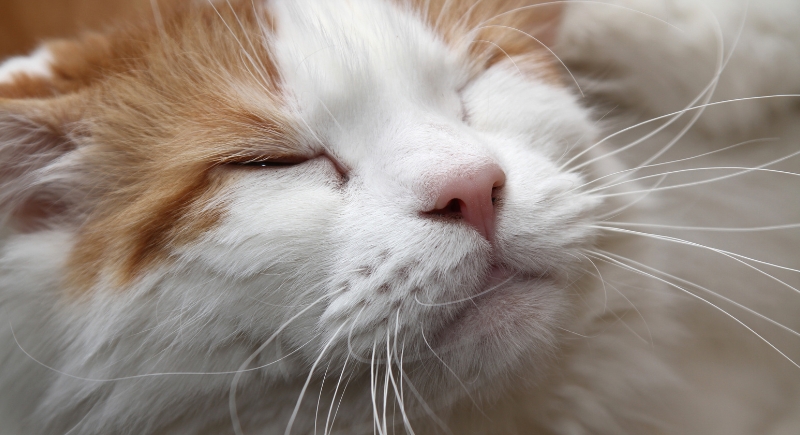
A cat that locks eyes and then slowly blinks is not losing interest or getting sleepy. That gesture signals comfort and trust. In the animal world, sustained eye contact can feel threatening, so a relaxed blink shows there is no tension. Many cats repeat this behavior with people they feel safe around.
Choosing Tiny Boxes Over Comfortable Beds
Credit: pexels
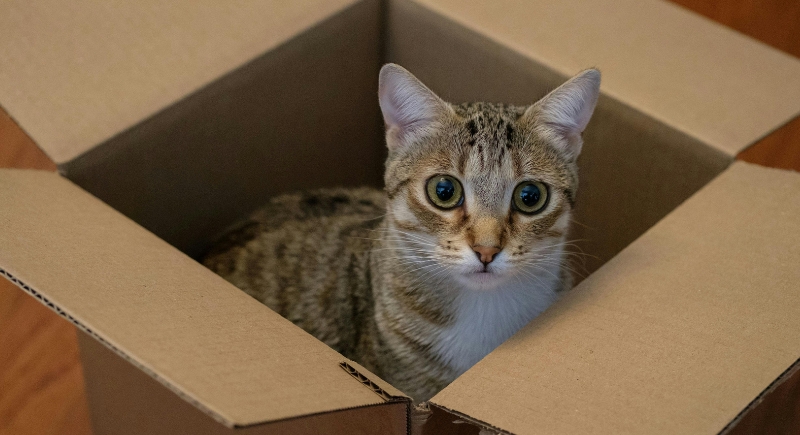
Expensive pet beds often sit unused while a cardboard box becomes the preferred resting spot. Tight spaces provide a sense of protection. This matters for an animal wired to be both hunter and potential prey. The enclosed shape also helps conserve body heat. Even large cats in the wild show similar preferences.
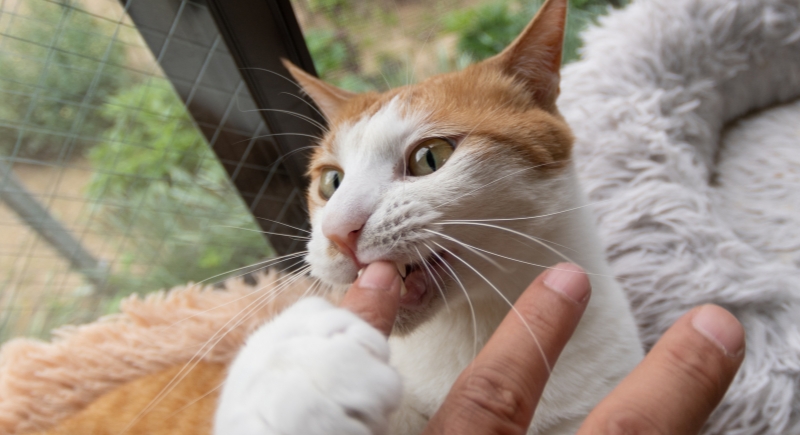
Sudden Bites During Petting Sessions
Credit: Getty Images
A calm petting session sometimes shifts when a cat gives a quick nip. This usually signals overstimulation rather than aggression. Repeated touch increases sensitivity, especially around areas like the lower back. Subtle signs often appear first, including tail flicking or slight ear movement, though they are easy to miss.
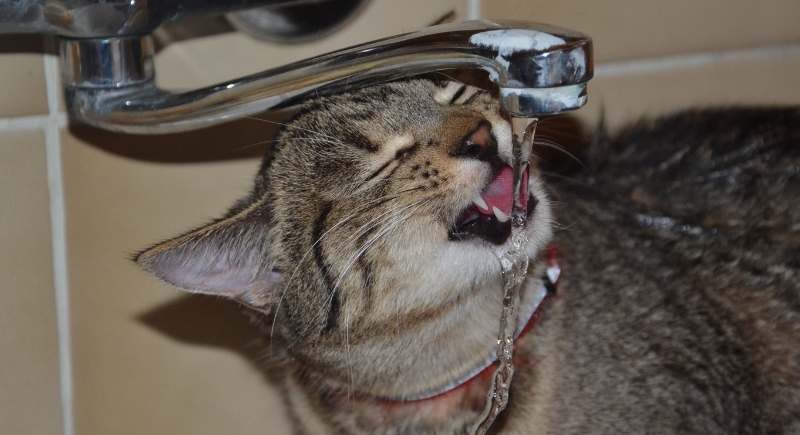
Drinking From Running Water Instead Of Bowls
Credit: Canva
A full water bowl may sit untouched while a faucet draws immediate attention. Flowing water is naturally more appealing because it signals freshness in the wild. Standing water carries a higher risk of contamination, so cats developed a preference for movement. The sound also grabs their interest.
Bringing Home Unwanted “Gifts”

Credit: Wikimedia Commons
Cats sometimes leave bugs or small animals in visible spots. This behavior comes from their hunting instinct and is linked to sharing or teaching. In multi-cat environments, adults bring food to others. At home, that same instinct extends to you as part of their social group.
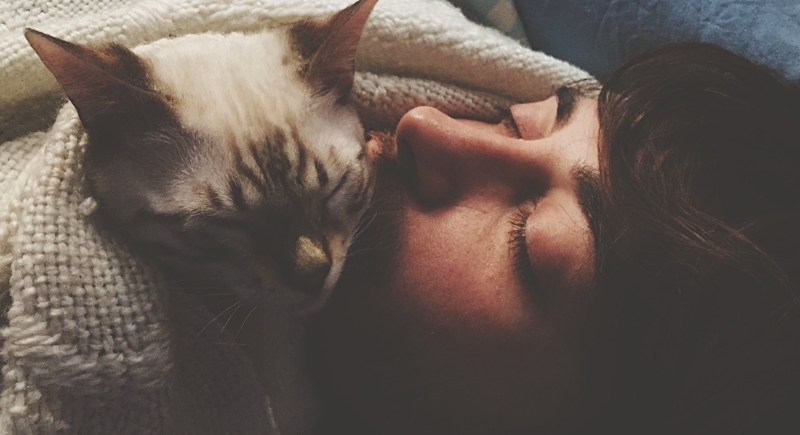
Sleeping Directly On A Person’s Head
Credit: Getty Images
Out of all available sleeping spots, the top of a person’s head often wins. That choice offers warmth, stability, and a familiar scent. Cats seek proximity to those they trust. The position may feel inconvenient, yet it combines comfort and security in a way few other spots provide.
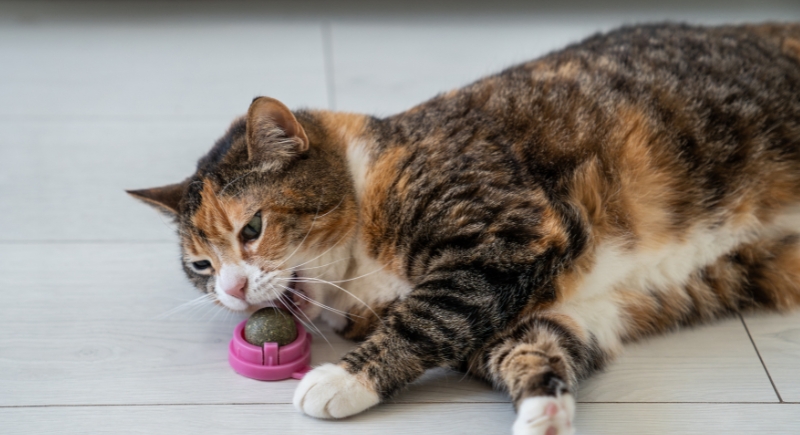
Chewing On Non-Food Items Around The House
Credit: Canva
Cats sometimes chew on plastic bags, fabric edges, or other non-food items. This behavior, known as pica, often links to curiosity or leftover kitten habits. Certain textures, especially ones that crinkle or offer slight resistance, attract their attention. Providing safe alternatives helps redirect the habit without suppressing the instinct.
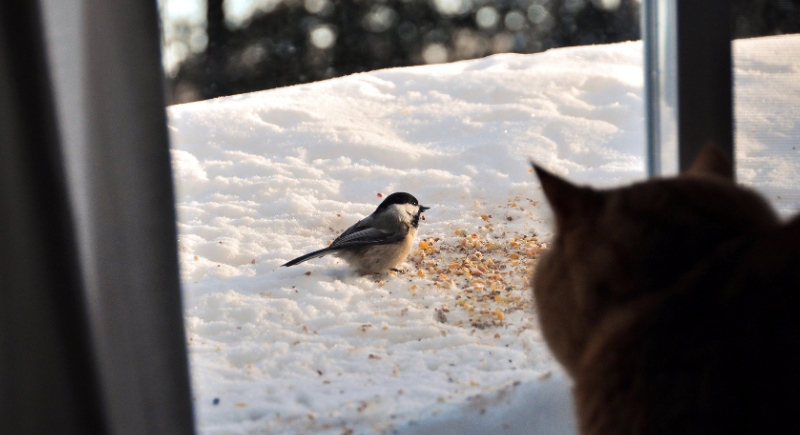
Chattering Teeth While Watching Birds
Credit: Getty Images
Cats often make a rapid clicking sound when they spot birds or insects through a window. This behavior connects to their hunting instinct. The movement of prey triggers excitement, but the lack of access creates a build-up of energy. The sound reflects a focused, instinct-driven response rather than something unusual.
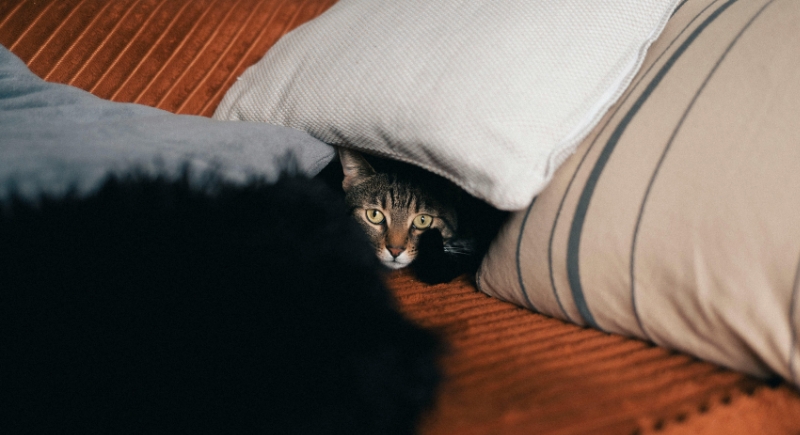
Hiding In Small Or Unexpected Spaces
Credit: pexels
Bathroom sinks, cabinets, and even laundry baskets can become favorite hiding spots. These locations offer a clear view of the surroundings while keeping the body protected. In nature, concealment helps both hunting and avoiding danger. Indoor cats retain that preference, especially in busy households.