10 Things Researchers Have Learned About the Octopus’s Decentralized Mind
Most of us think of the brain as a single command center that controls everything the body does. Octopuses work differently. Their arms can sense, explore, and even solve simple problems on their own while still staying connected to the animal’s larger goals. That unusual setup has fascinated researchers for years, and each new discovery reveals a creature whose intelligence is spread throughout its body in ways that challenge our understanding of how minds work.
Most Neurons Are Not In The Brain
Credit: Getty Images
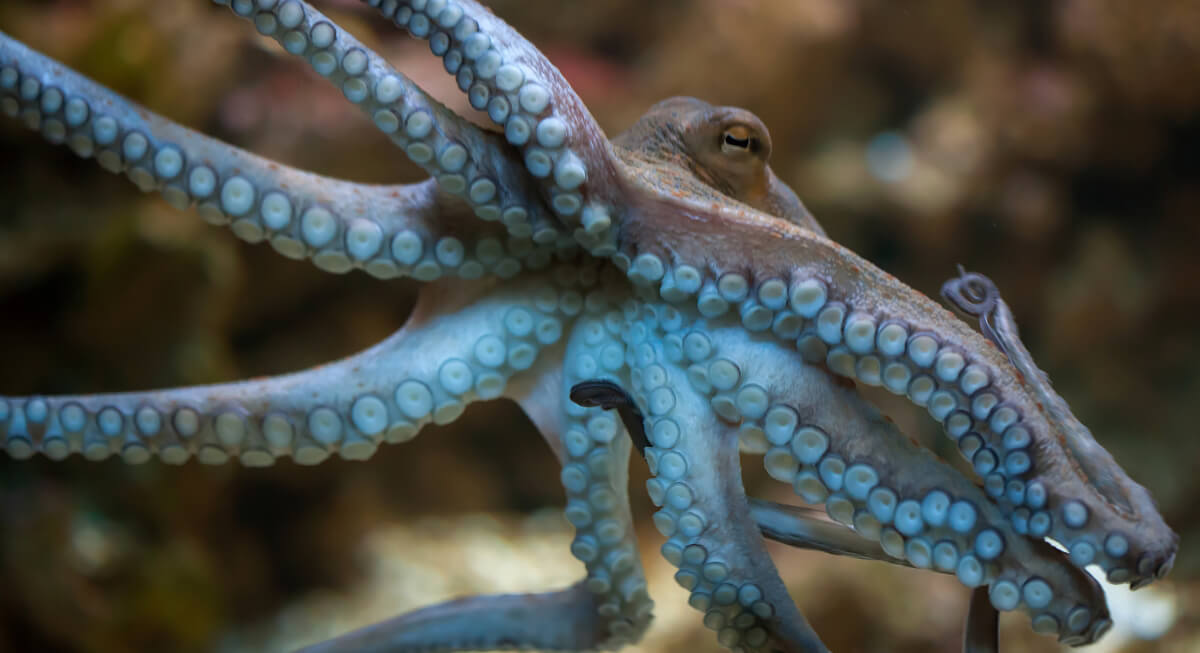
A common octopus has about 500 million neurons, but a large share of those neurons is spread through the arms rather than packed into the central brain. That arrangement alters the brain’s job description. It does not need to micromanage every bend, grip, and adjustment. The arms can handle much of the local work themselves. Researchers see this as one reason octopuses can manage eight flexible limbs without a skeleton, joints, or a fixed body plan. Intelligence here is not centralized control. It is distributed coordination.
The Arms Can Sense And Act Locally
Credit: pexels
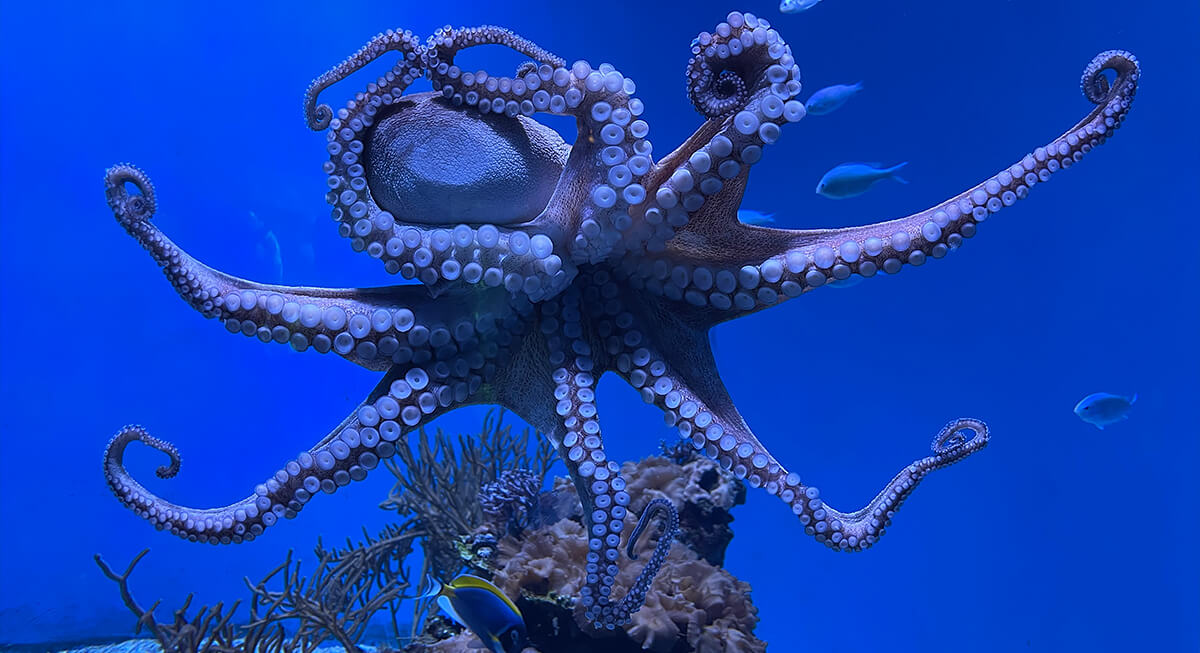
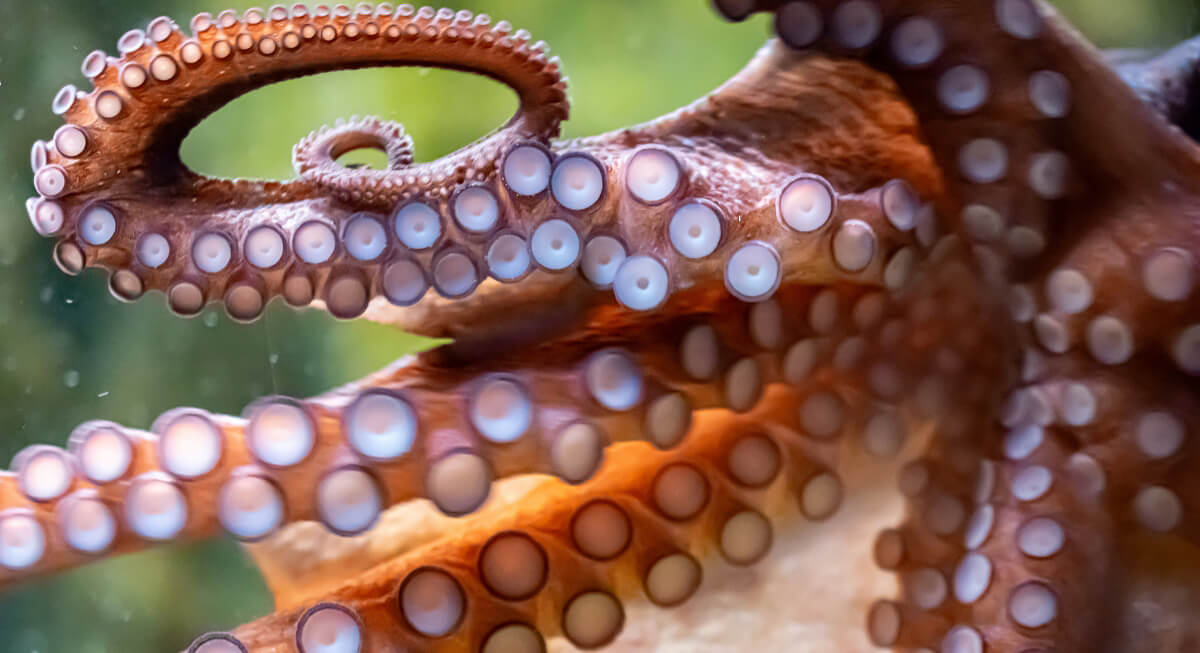
An octopus arm is packed with suckers, receptors, motor neurons, and local processing centers. Each sucker can gather chemical and tactile information, which allows the arm to taste and touch the world simultaneously. That matters because an octopus often investigates objects by contact rather than sight alone. An arm may explore a shell, rock, crab, or human hand while the animal watches from behind. The central brain still matters, but the arm does not wait passively for every command. It participates in the decision-making loop.
“Nine Brains” Is Too Simple
Credit: Getty Images
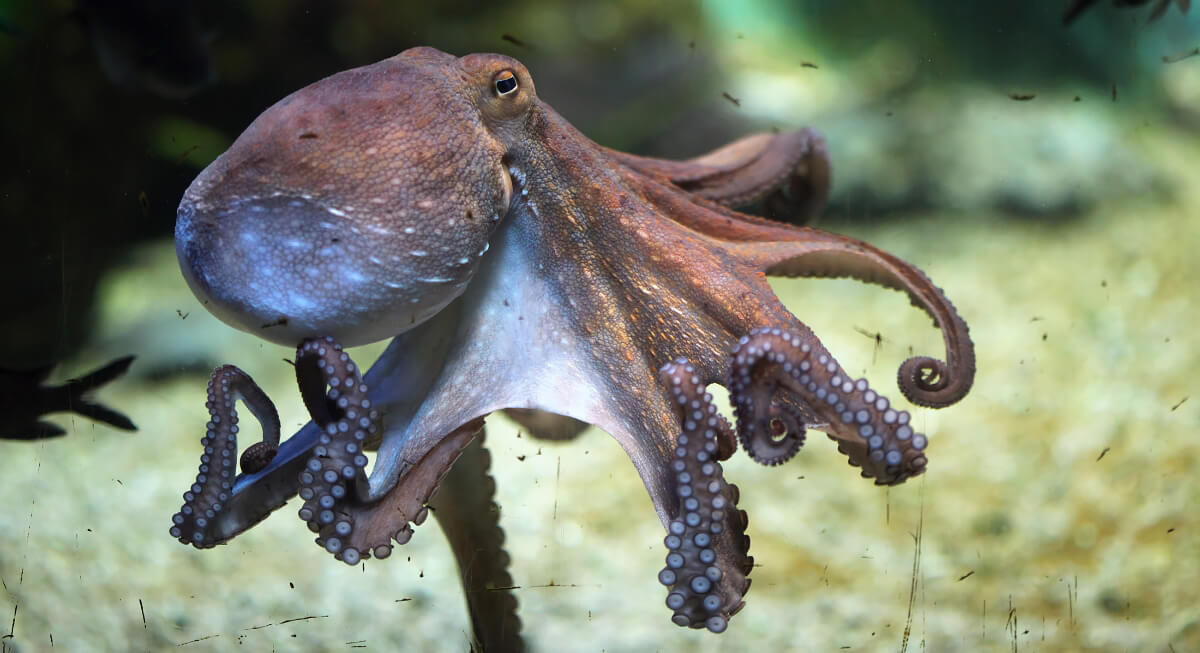
The popular line says an octopus has nine brains, but researchers tend to be more careful. The animal has a single central brain, major visual processing centers, and highly developed neural networks in its arms. That system can look like eight extra brains because each arm has substantial local control. Still, the arms are not completely separate minds with independent goals. Information flows between the arms and the central nervous system. A better phrase is one brain and eight clever arms. That keeps the wonder without turning the biology into a cartoon version of what the animal is actually doing.
The Brain Gives Broad Direction
Credit: Getty Images
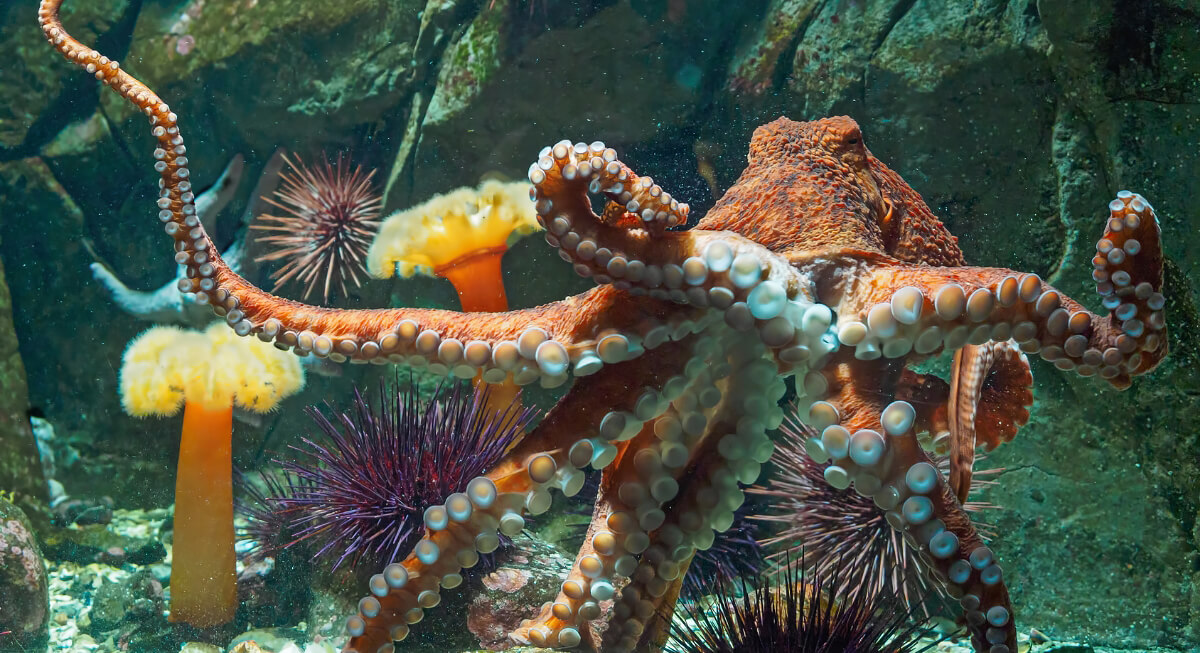
The central brain appears to guide big-picture behavior, while the arms handle many of the details. That division makes sense for a body with almost endless movement options. A vertebrate limb has bones and joints that narrow the possibilities. An octopus arm can bend, twist, shorten, lengthen, curl, stiffen, and squeeze through tiny gaps. If the brain had to calculate every motion in full, the system would become overloaded. Instead, the brain can select an action or goal, while arm-level circuitry works out the mechanics. The result is not chaos. It is a flexible partnership.
Vision Can Still Guide The Arms
Credit: Getty Images
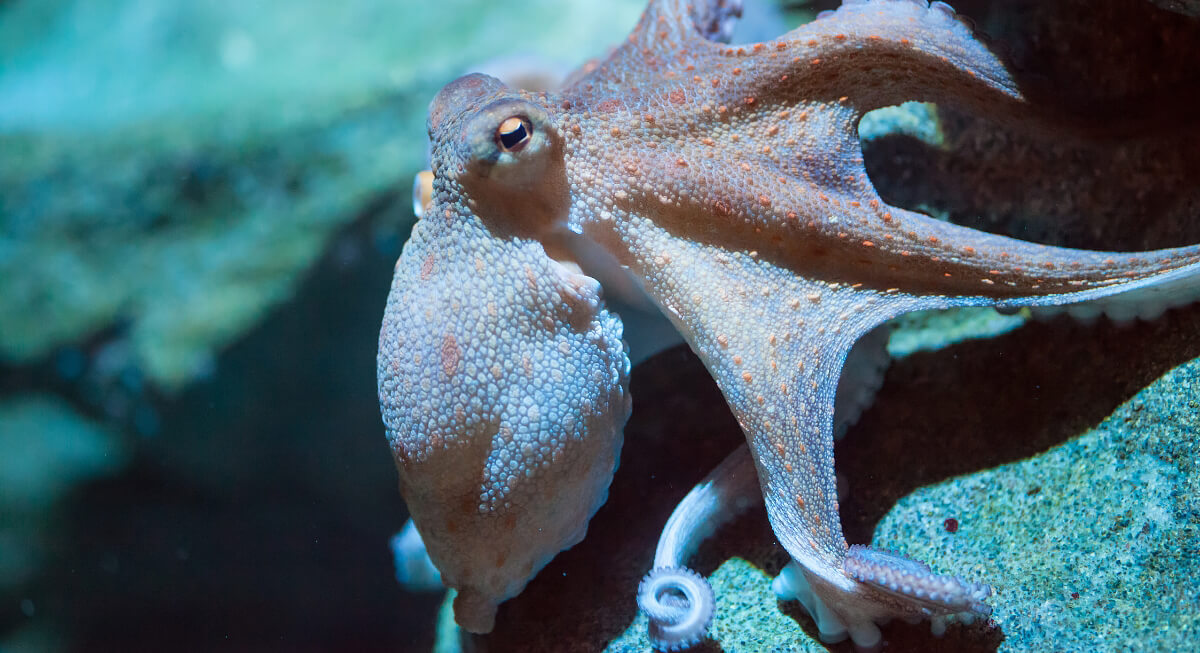
The decentralized system does not mean the octopus is all touch and no central planning. In maze experiments, octopuses learned to guide a single arm toward food using visual information. That matters because the setup forced the animal to coordinate what the eyes saw with what one arm did. The arm still explored locally, but the route was not random. The animal could use sight to direct movement toward a goal. This finding helped researchers move past a simple independence model. Octopus control is mixed: the brain can guide, while the arm adjusts along the way.
The Arms May Have Their Own Memory
Credit: pixabay
Researchers have suggested that arm-level networks may store short-term information about movement and contact. That idea fits the way suckers gather location-specific details as an arm moves over a surface. One sucker touches first, another later, and the arm’s nervous system receives a sequence of signals. Those patterns may help the arm track what it has just done and where contact happened. Scientists are still cautious about calling this memory in the human sense. Still, the possibility is striking. Some useful information may be held close to the limb rather than sent upward for the brain to process.
The Body Creates A Control Problem
Credit: pixabay
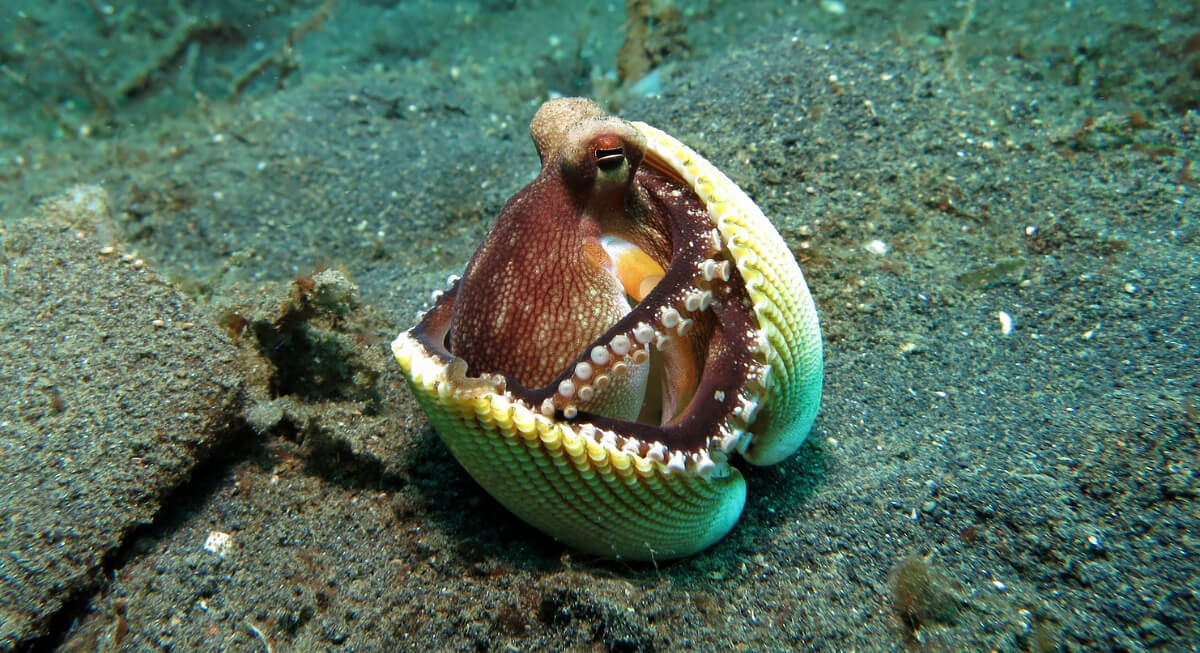
The octopus’s body is one of the hardest bodies imaginable to control. It has no rigid skeleton, no fixed arm joints, and no stable body shape. It can walk, crawl, swim, squeeze, reach, pull, fold, flatten, and jet away. That freedom gives the animal amazing options, but it also creates a control nightmare. Researchers think the decentralized nervous system helps solve that problem. Local circuits can manage local movement, while the central brain avoids being buried under endless mechanical details. The octopus mind is partly shaped by the challenge of running a body made almost entirely of possibility.
Suckers Are Information Stations
Credit: Getty Images
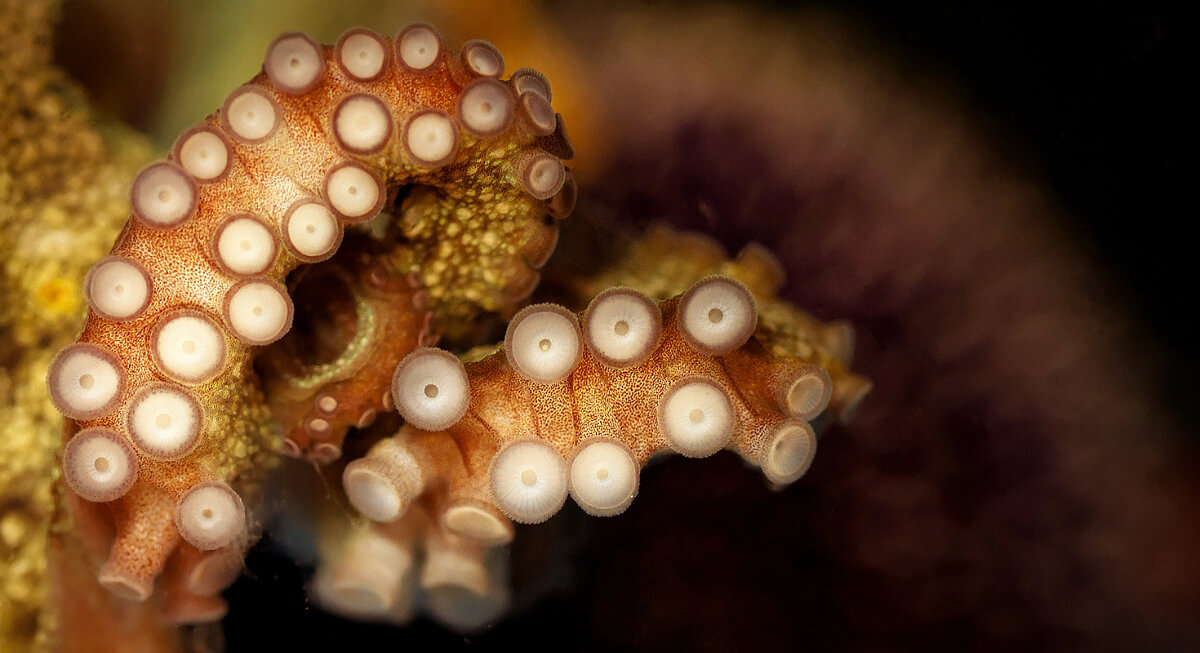
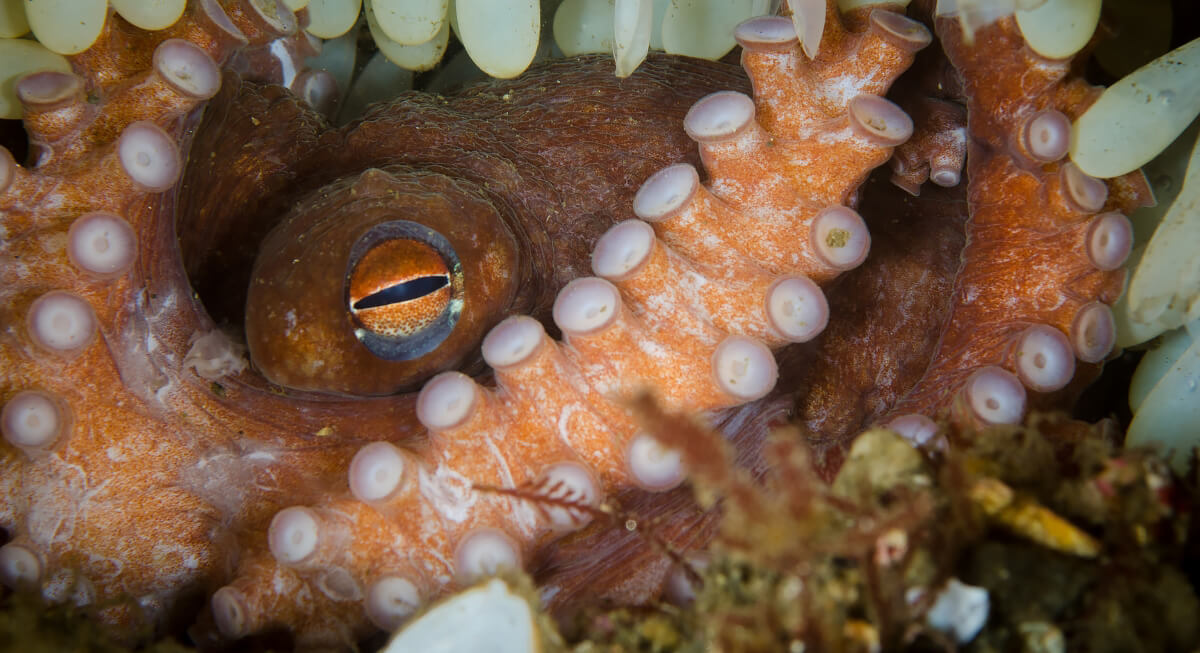
Each sucker is more than a suction cup. It can grip, taste, touch, and send information into the arm’s nervous system. This makes every arm a moving sensory surface. When an octopus investigates an object, it is not simply feeling texture. It may be sampling chemicals, testing shape, locating edges, and deciding whether something is food, shelter, danger, or junk. That helps explain why octopuses can be so exploratory. The world does not arrive only through eyes and a central brain. It arrives through hundreds of small contact points that turn the arms into active search tools.
Intelligence Includes Play And Curiosity
Credit: Getty Images
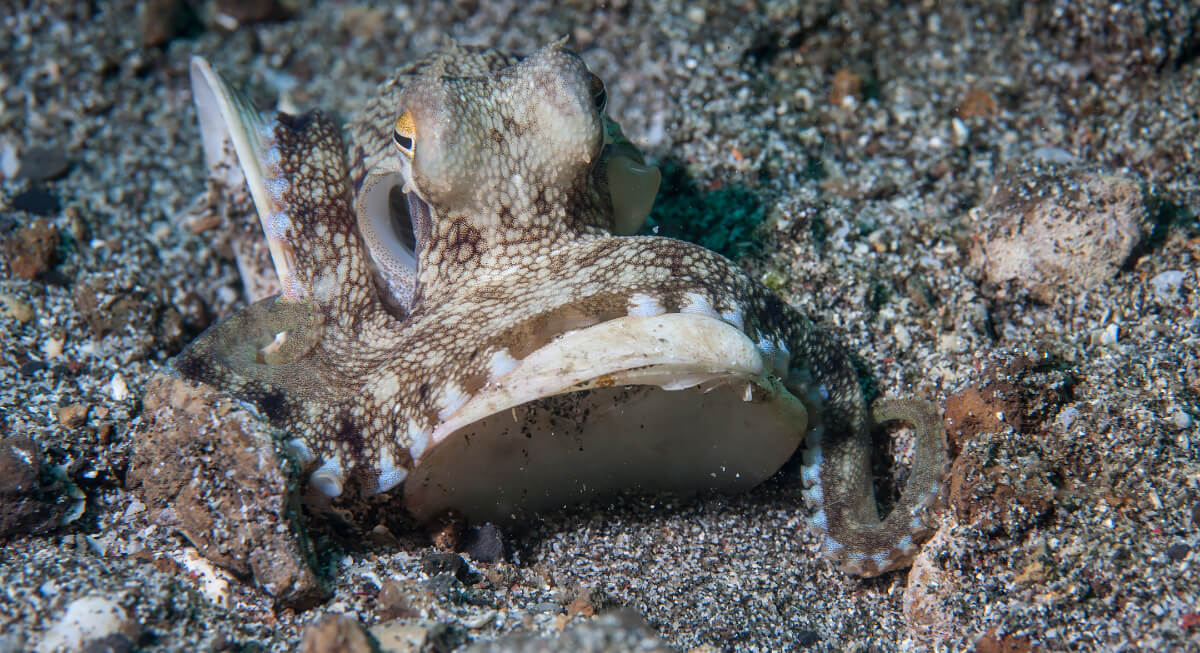
Octopus intelligence is not limited to escape tricks or food rewards. Researchers have documented exploratory behavior that appears to be play, including octopuses pushing objects around with jets of water. Not every octopus does this, which makes the behavior even more interesting. Some individuals seem more curious or more willing to manipulate objects after learning they are not food. This matters because play suggests flexible behavior beyond immediate survival. A decentralized mind can support investigation, preference, novelty, and individual differences.
The Mind Is Hard To Locate
Credit: Getty Images
The deepest lesson is not that the octopus has a brain in each arm. It is that the usual boundary between the brain and the body becomes blurred. The animal’s intelligence depends on a central brain, visual systems, arm circuits, suckers, muscles, and feedback moving among them. Researchers still debate what this means for consciousness, but the basic point is already powerful. The octopus shows that complex behavior does not have to be organized like a mammal’s.