Official State Dogs of the US: The 2025 List
Most states have official symbols, like flowers, birds, and even fossils. However, a few went even further and chose a state dog. Each breed reflects something real about the state: how people lived, what they needed, and which animals helped get the work done.
Here are some states that have official state dogs.
Alaska
Credit: Getty Images
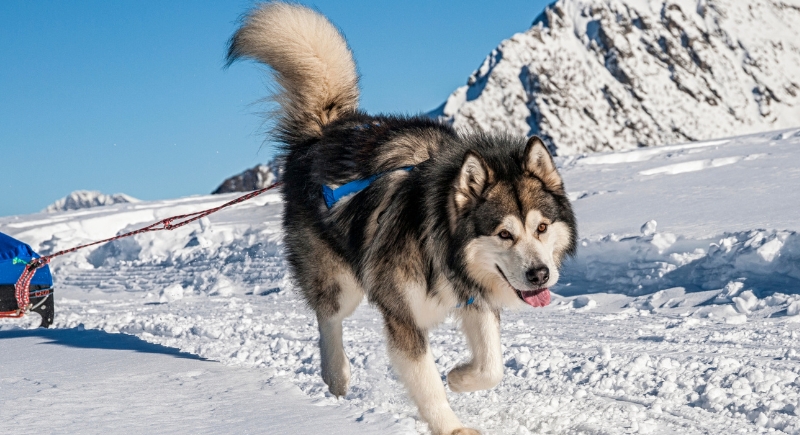
The Alaskan Malamute earned its title in 2010, but its story reaches back centuries. Indigenous communities bred these dogs to pull freight in freezing terrain. This breed was built for endurance, and it shaped early Arctic transport and continues to play a part in Alaska’s mushing heritage and winter recreation culture.
Delaware
Credit: pexels
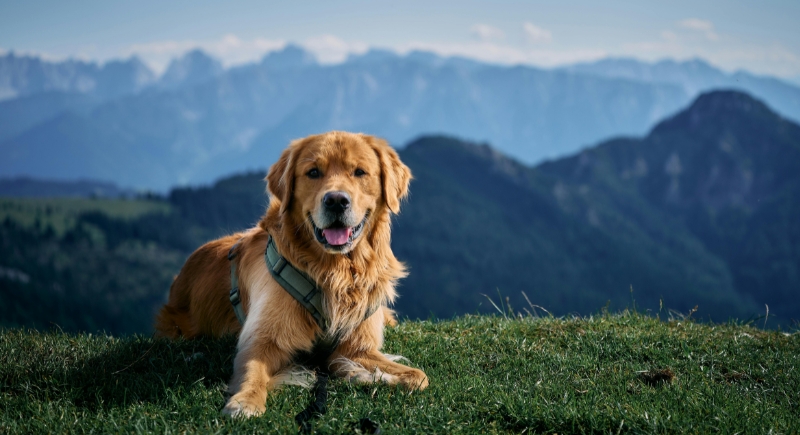
Delaware’s state dog is the Golden Retriever, selected in 2016 after a campaign by local students. Beyond its soft looks, the breed’s popularity comes from its service. Goldens are widely used in rescue work, therapy, and assistance programs.
Louisiana
Credit: Getty Images
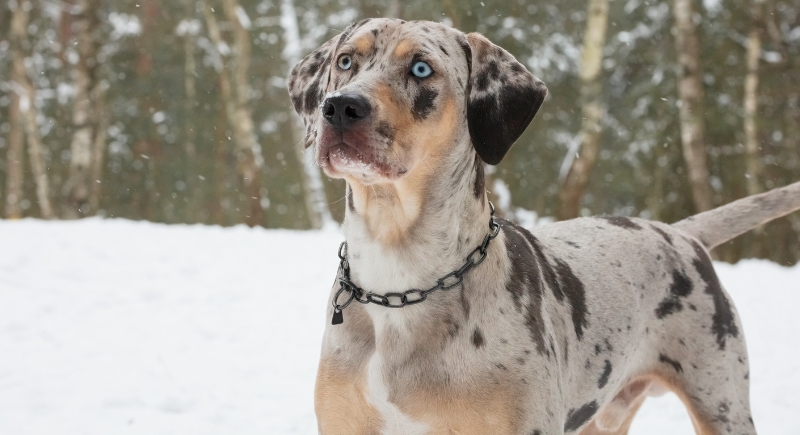
The Catahoula Leopard Dog was used to track feral hogs and manage cattle. Its distinctive coat patterns and glassy eyes are secondary to its problem-solving ability, which remains central to the breed’s continued working use. It was designated as Louisiana’s state dog in 1979.
Maryland
Credit: Getty Images
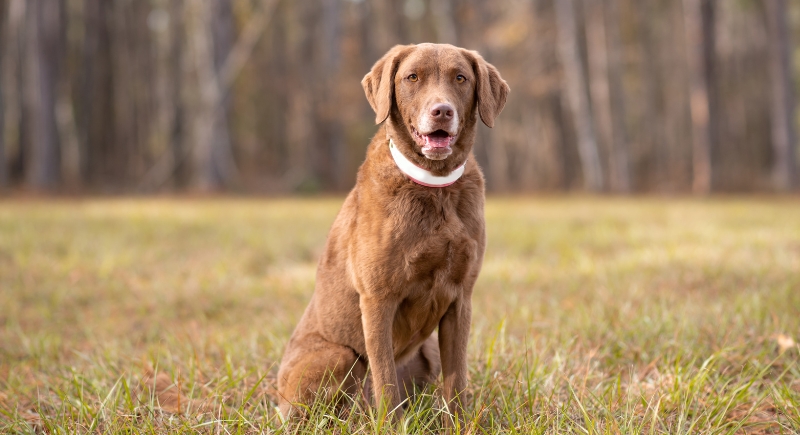
The Chesapeake Bay Retriever has been Maryland’s state dog since 1964. It was built for cold, choppy water and shaped by duck hunters who needed a strong swimmer. Its thick coat resists icy temperatures, and the breed remains tightly tied to the region’s waterfowl hunting traditions and sporting culture.
Massachusetts
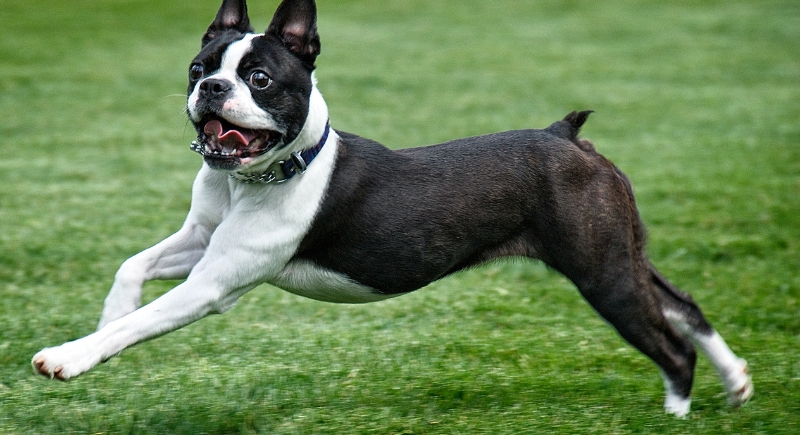
Credit: Getty Images
The Boston Terrier, named state dog in 1979, was originally bred in the city it’s named after. Its early roots were in fighting, but careful breeding emphasized friendliness and size. That shift turned it into a popular urban companion. It’s also one of the few breeds with a direct link to American cities.
New Hampshire
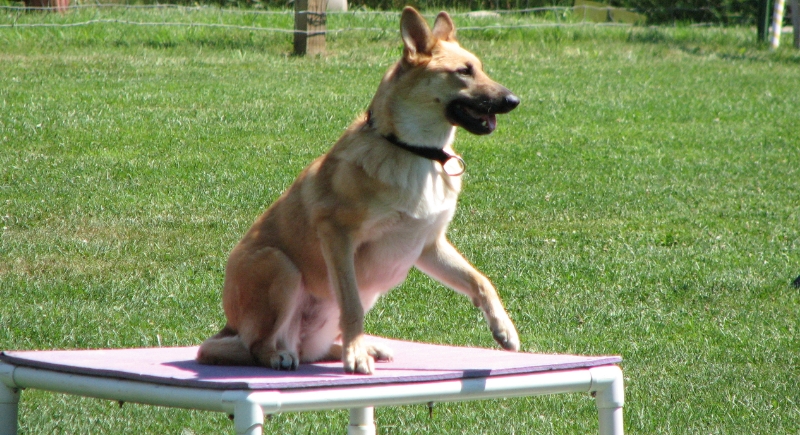
Credit: Wikimedia Commons
New Hampshire chose the Chinook in 2009, a nod to a rare sled dog developed by local adventurer Arthur Walden. Chinooks combined strength with a gentle temperament and helped with polar exploration. Their numbers fell dangerously low mid-century, but preservation groups have helped bring the breed back from near extinction.
New York
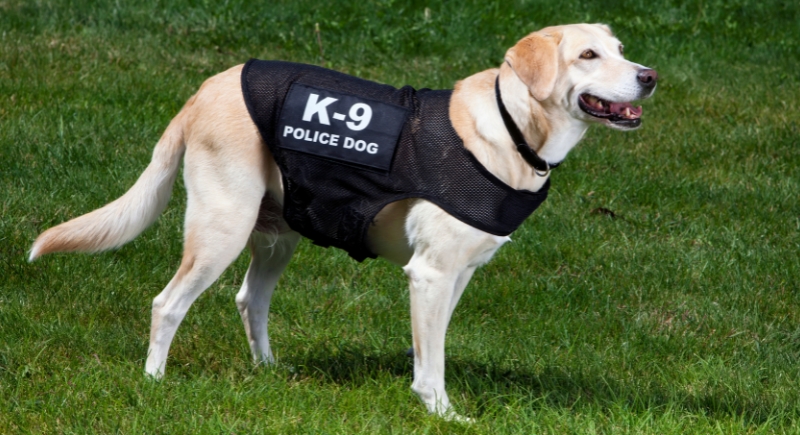
Credit: Getty Images
This state went breed-neutral in 2015, honoring all working dogs. The move celebrated guide dogs, service animals, and K-9 units, making it less about appearance and more about contribution. Whether aiding the visually impaired or supporting first responders, these dogs were recognized for what they do, not how they look.
North Carolina
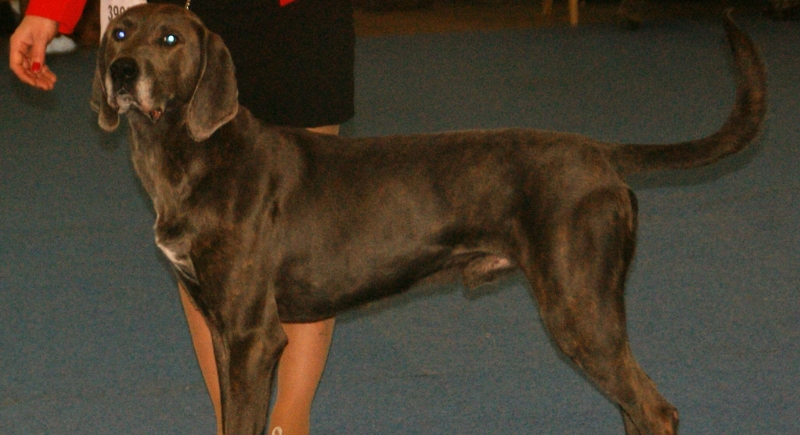
Credit: Wikimedia Commons
North Carolina adopted the Plott Hound as its state dog in 1989. The breed traces back to German hunting dogs brought to the region in the 18th century. It was refined locally for tracking wild boar and remains the only coonhound breed developed in the state.
Pennsylvania
Credit: pexels
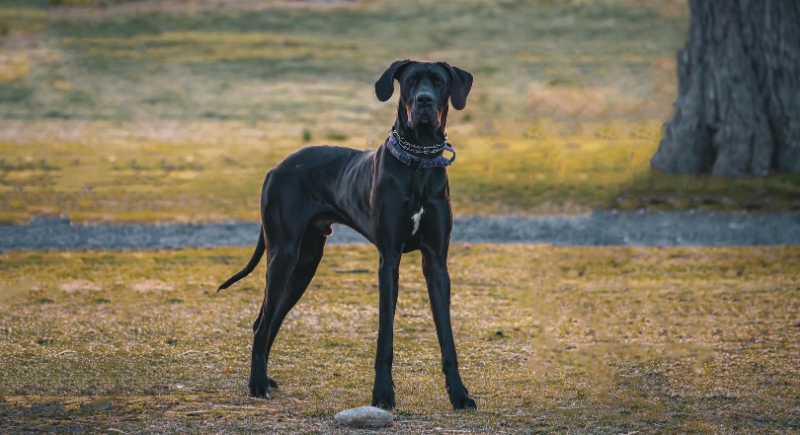
The Great Dane may seem more European than Pennsylvanian, but it became the state’s dog in 1965. Colonial farmers used them as estate guards and hunting companions. Their imposing frame discouraged threats, while their controlled nature made them manageable in homesteads. Over time, the breed became familiar across the region.
South Carolina
Credit: Wikimedia Commons
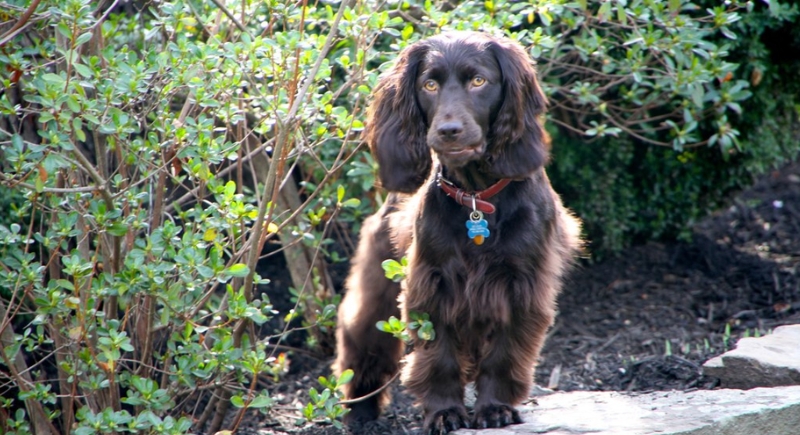
South Carolina went local in 1985 with the Boykin Spaniel, developed specifically for hunting wild turkeys in the state’s swampy lowlands. Medium-sized and strong swimmers, Boykins were a practical fit for boat hunts and marsh conditions. The breed remains widely used in sporting circles and is tied to rural heritage.
Tennessee
Credit: Wikimedia Commons
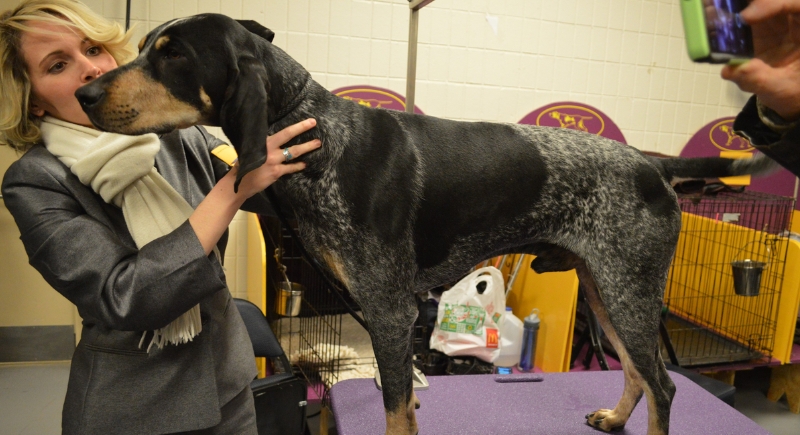
The state named the Bluetick Coonhound as its official dog in 2019. The breed is valued for scent-tracking accuracy and stamina during long hunts. Its distinctive coat pattern is secondary to its role as a reliable trailing dog used throughout the Appalachian region.
Texas
Credit: Getty Images
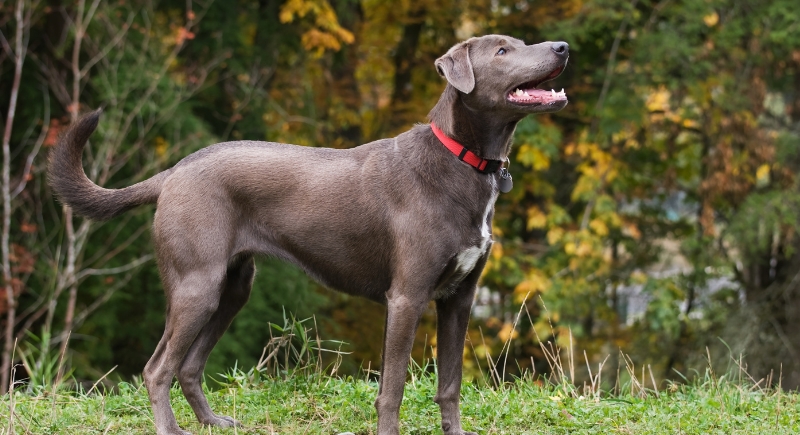
The Blue Lacy was named Texas’s state dog in 2005 and traces its roots to a ranching family in the mid-1800s. Bred to herd, hunt, and guard, it’s a multitasking breed tailored to frontier life. As rural use dropped, the breed faced near extinction, prompting modern conservation efforts in the state.
Virginia
Credit: Wikimedia Commons
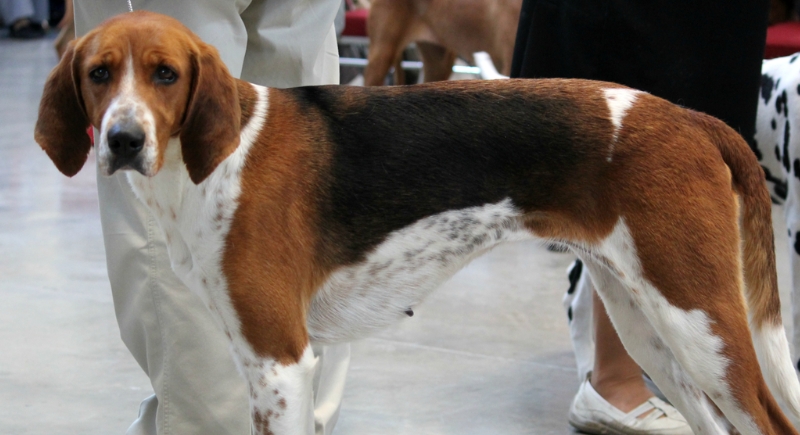
Virginia recognized the American Foxhound in 1966. The breed’s development is closely tied to colonial hunting traditions, including breeding programs associated with George Washington. Long legs and endurance suited it for extended pursuits, traits that still define the breed today.
Washington, D.C.
Credit: Wikimedia Commons
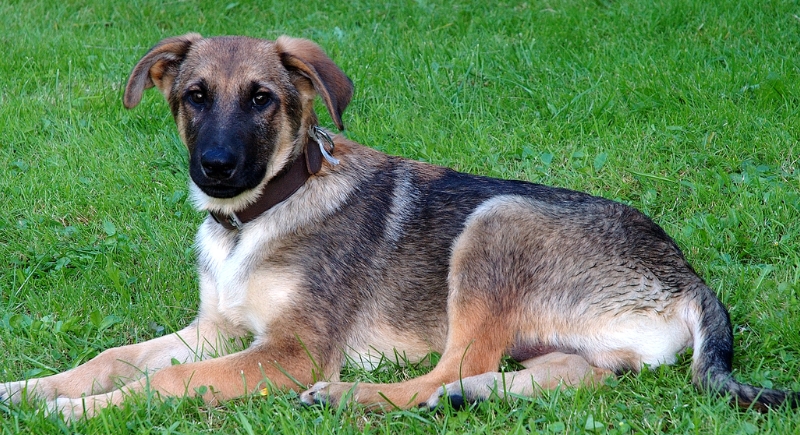
In 2015, Washington, D.C. declared mixed-breed dogs its official canine representatives. The designation was intended to promote shelter adoption and reflect the reality of urban pet ownership. Mixed-breed dogs account for a majority of adoptions in the district’s animal welfare system.
West Virginia
Credit: Wikimedia Commons
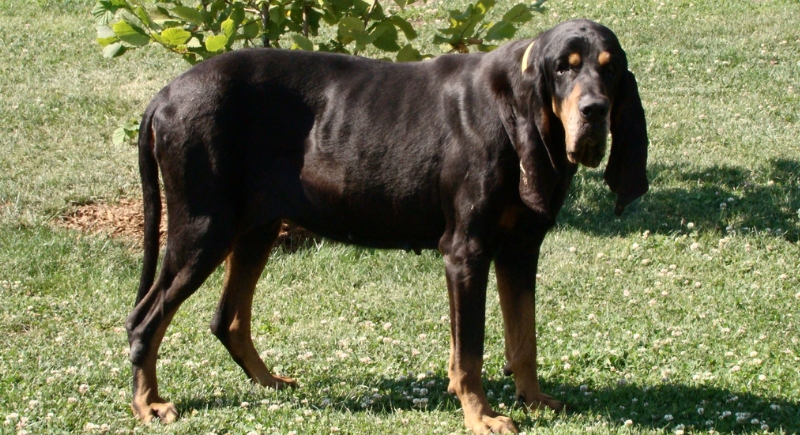
The Black-and-Tan Coonhound, adopted in 1973, was a fitting choice for West Virginia’s rugged hunting history. It thrives on mountain trails and is known for tracking raccoons at night. The breed’s strong nose and deep howl made it a reliable partner for generations of hunters navigating the state’s wooded landscapes.
Wisconsin
Credit: Wikimedia Commons
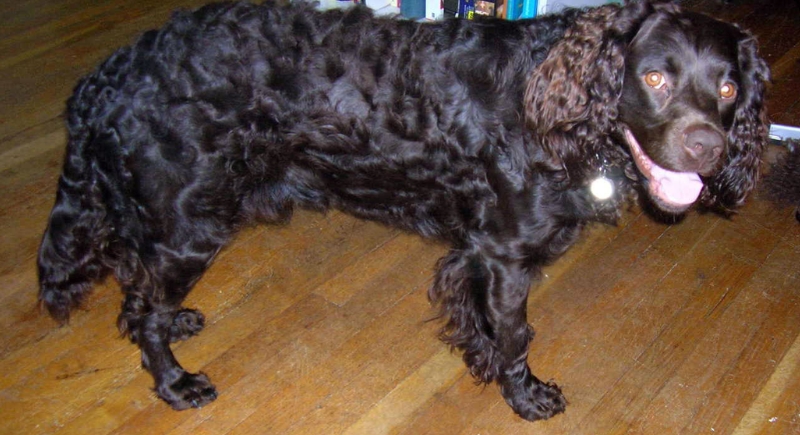
Wisconsin designated the American Water Spaniel as its official dog in 1985. Developed within the state, it was bred to retrieve game from cold lakes and rivers. Its compact size and water-resistant coating made it practical for small boats and variable weather conditions.