10 Outdated Cesar Millan Techniques That Modern Trainers Say Can Harm Your Dog
Dog training used to be based on intuition, rather than scientific evidence. People would watch something on television, including shows featuring Cesar Millan, a self-taught trainer known for his popular series The Dog Whisperer and his focus on dominance-based techniques. They would then try out these ideas on their dogs, sometimes without realizing that those methods could be a source of fear or confusion.
Most people still do that, not knowing that research is now exploring new ways to train their dogs. Trainers today rely on behavioral science, careful observation, and long-term results.
The Alpha Role Mindset

Credit: Canva
Cesar Millan’s approach centers on dominance theory, which suggests dogs aim to control their owners. This idea came from early wolf studies conducted in captivity. The original researcher later rejected those conclusions after observing wolves in natural settings. Scientists now understand wolves live in family groups, not strict hierarchies. Applying this theory to these animals leads to unnecessary conflict.
Alpha Rolls and Forced Submission
Credit: Getty Images
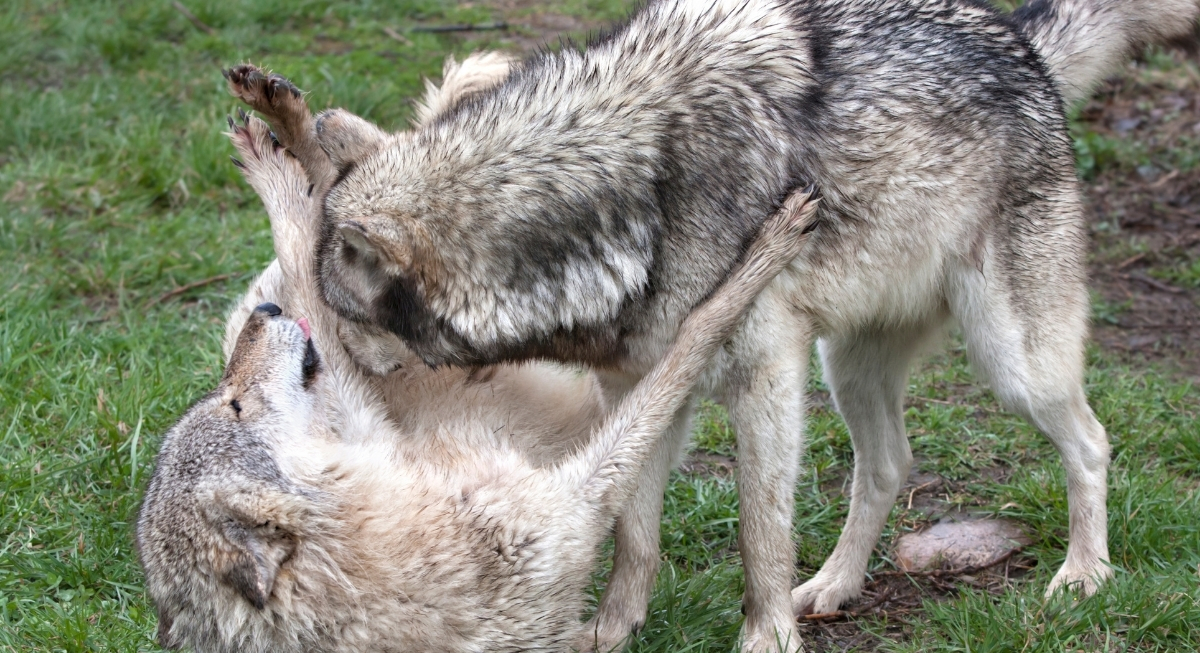
According to the alpha roll technique, a dog is placed on its back to mimic submission. This action assumes the dog understands a social signal that does not translate across species. Many dogs exhibit defensive tension during this interaction. That response increases the likelihood of escalation in close-contact situations.
Leash Corrections and Physical Interruptions
Credit: pexels
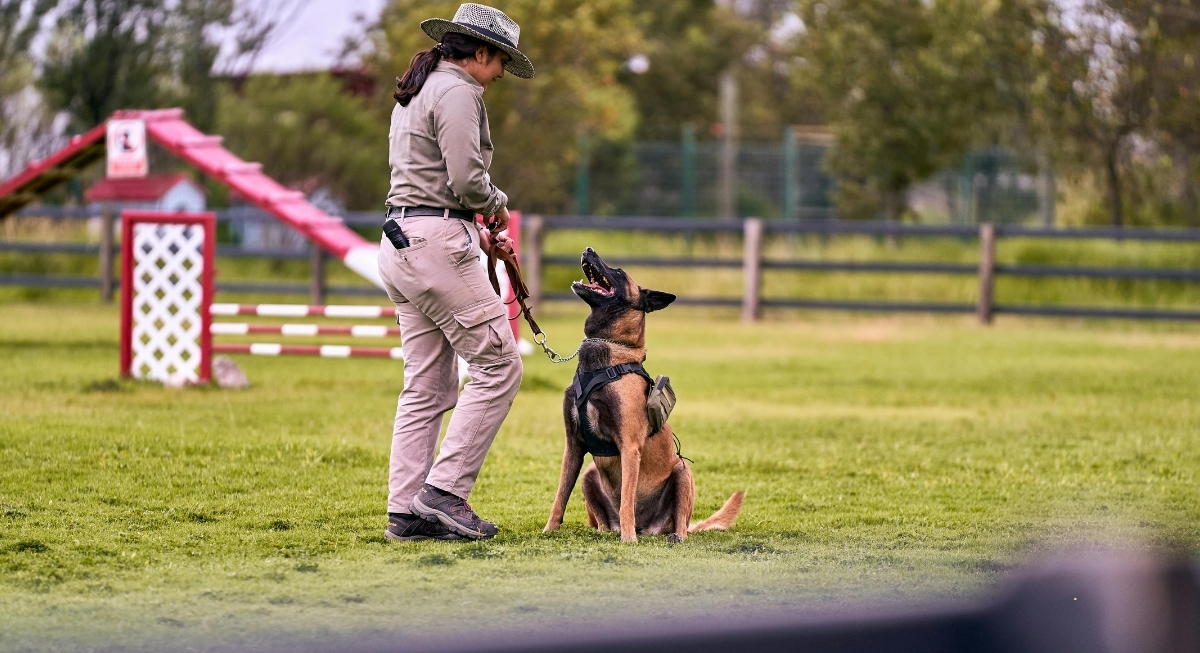
These days, trainers focus on teaching dogs what to do instead of correcting them through discomfort. They use consistent cues and reward-based methods to ensure clear communication and predictable outcomes. In contrast, Cesar Millan’s technique relied on leash jerks to stop behavior instantly. That approach may stop them in the moment, but it does not guide the dog toward a better response.
Fear-Based Control Methods

Credit: pexels
You might see instant results by intimidating your dog, but the effect tends to mask deeper stress rather than fix the issue. Tactics that rely on distress can push dogs into a heightened emotional state where learning becomes difficult. Over time, repeated exposure to intimidation can erode trust and lead to unpredictable reactions.
Flooding with Intense Exposure

Credit: Canva
The process of flooding involves exposing a dog to a fear trigger without giving any relief or distance. This strategy appeared in several televised training sessions, where the goal was to force acceptance. Research indicates that doing so can increase panic and create long-term stress responses. Experts now introduce triggers gradually to allow dogs to build confidence step by step.
Provoking Behavior to Correct It

Credit: Getty Images
Deliberately triggering unwanted behavior from dogs was part of Millan’s demonstrations. This approach meant creating a situation where the trainer could respond immediately. Unfortunately, repeated exposure to triggers may reinforce the reaction rather than reduce it. That is why it is up to you to prevent escalation before it begins, by teaching alternative responses in controlled conditions.
Overreliance on Physical Exercise
Credit: pexels
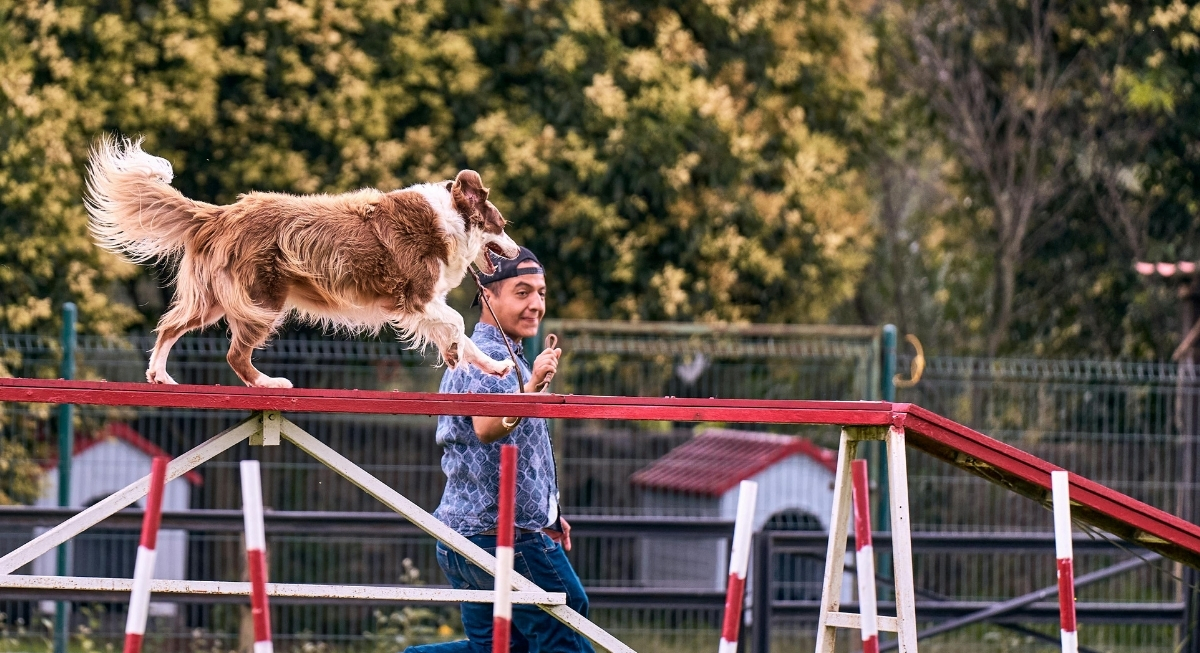
Millan often emphasized exercise as the key to solving behavior problems. And though physical activity plays an important role in a dog’s routine, their habits and reactions also depend on mental stimulation. Remember, dogs can remain restless after long exercise sessions if their minds stay under-engaged.
Misinterpreting The “Guilty Look”

Credit: Getty Images
When your dog makes a mistake, you may notice them avoiding eye contact or lowering their posture. Millan described this pattern as guilt, though past data suggests something different. Dogs respond to human tone and body language in the moment rather than reflecting on their prior actions. Punishing a dog after the fact may confuse them instead.
Ignoring Emotional Triggers

Credit: pexels
Milan usually explained canine behavior in terms of dominance rather than emotional causes. Dogs show signs of stress and anxiety in many situations, and ignoring these factors leads to incomplete solutions. It’s crucial to assess emotional context before addressing general habits.
Creating Learned Helplessness

Credit: Canva
If you put a dog under repeated pressure without giving them a clear way to succeed or avoid the situation, it can lead to learned helplessness. This condition occurs when a dog stops responding after facing situations they cannot control. The dog may appear calm, though they may actually be feeling withdrawn.