Ethical Way to Own a Pet Cat
You want a cat, and that should feel like a good thing. Conversations about bird safety and indoor versus outdoor living have made cat ownership feel complicated. Ethical ownership is not about chasing perfection. It is about making thoughtful choices that support your cat’s wellbeing while being mindful of the world they live in.
Adopt From a Shelter
Credit: Canva
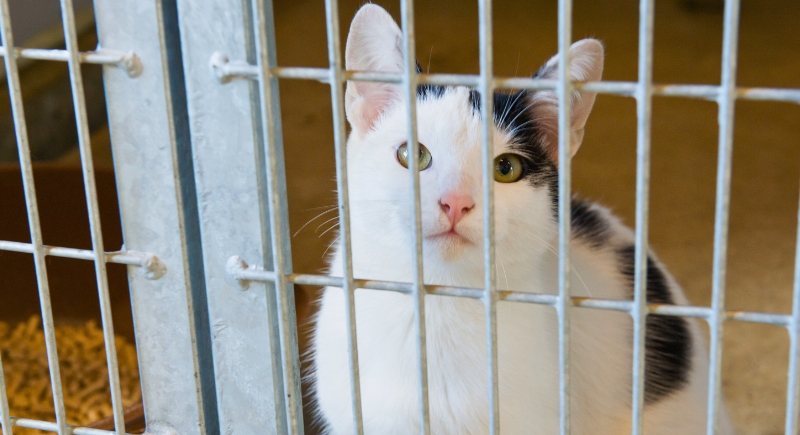
Animal shelters across the United States are overflowing with cats that need homes. By adopting, you’re directly saving a life and making room for another rescue. Shelters directly help prevent overpopulation. Millions of cats enter shelters annually, and some face euthanasia simply because there aren’t enough adopters.
Consider an Indoor-Only Lifestyle
Credit: Canva
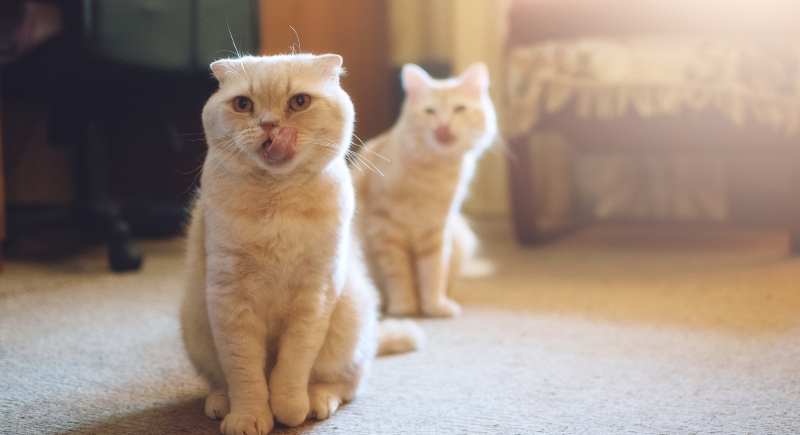
Cats kept indoors tend to live much longer, often reaching their late teens or even their twenties. They stay safe from traffic, predators, disease, and fights with other animals. Keeping them inside also reduces their impact on local bird populations, addressing a major ethical concern. With climbing spaces, window perches, and regular play, indoor cats stay active, curious, and mentally satisfied.
Use a Bell Collar for Outdoor Cats
Credit: Canva
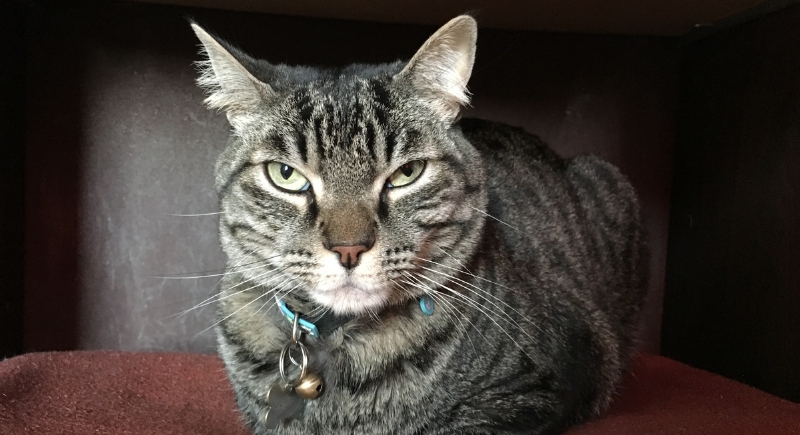
A bell collar gives birds and small mammals a warning before your cat gets too close. Research shows bells reduce hunting success by alerting prey in advance. Choose a breakaway collar so it releases if caught on a branch or fence. While hunting instincts remain, the number of successful catches drops. Plus, your cat carries a soft jingle wherever they go.
Spay or Neuter Your Cat
Credit: pixelshot
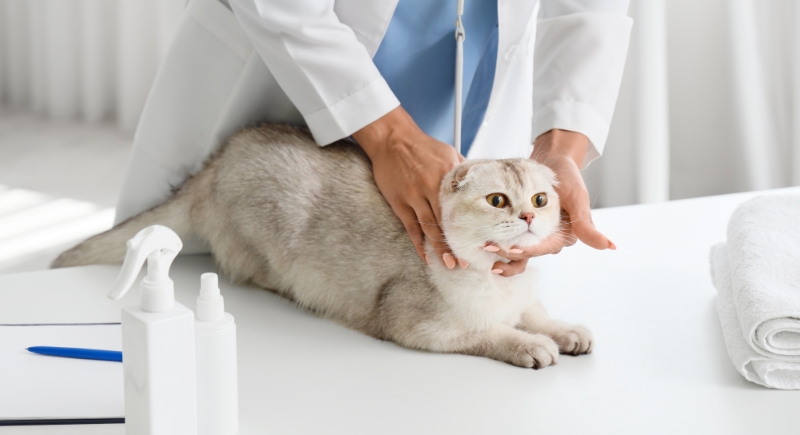
One unspayed cat and her offspring can multiply into thousands within a few years. Unaltered cats contribute to overpopulation, overwhelming shelters, and leaving many cats without homes. Spaying or neutering also reduces behaviors such as spraying, loud vocalizations, and roaming. The procedure reduces the risk of several cancers and infections, and most vets recommend it around 5 to 6 months of age.
Budget for Proper Veterinary Care
Credit: Canva
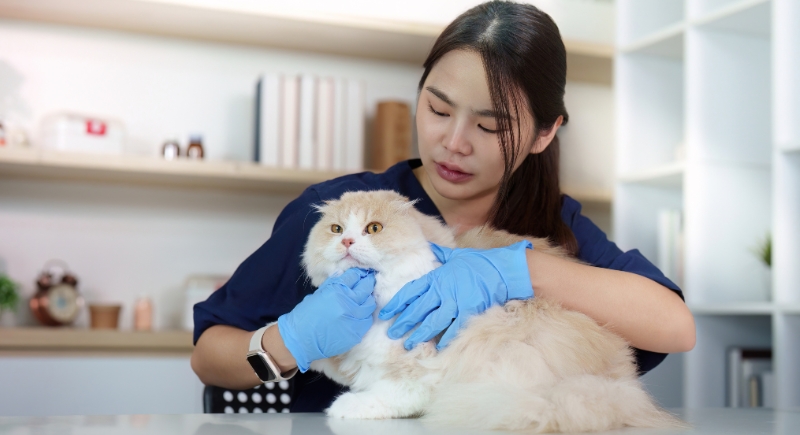
Regular checkups, vaccinations, and emergency care aren’t optional luxuries for responsible owners. Annual exams catch health problems early, which often translates to less expensive treatment down the line. Dental cleanings, flea prevention, and routine blood work are essential. Skipping vet visits to save money can mean untreated illnesses that spiral into more serious issues. Consider pet insurance or low-cost clinics in your area before committing to pet ownership.
Feed a Quality, Meat-Based Diet
Credit: Canva
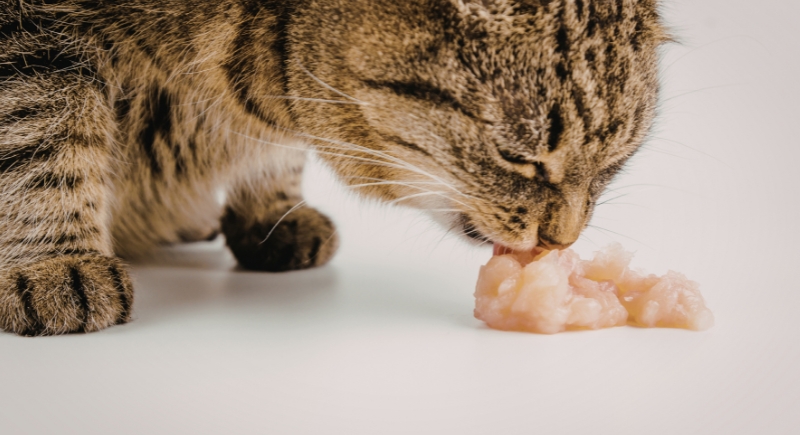
Obligate carnivores require nutrients found only in animal tissue, so cheap foods loaded with fillers like corn and wheat don’t meet feline nutritional needs. These low-quality diets can lead to diabetes, obesity, and urinary tract problems over time. Check ingredient labels and choose foods where real meat is the main ingredient. Although research on this connection remains mixed, some speculate that a protein-rich diet may reduce hunting behavior.
Provide Enrichment and Mental Stimulation
Credit: Getty Images
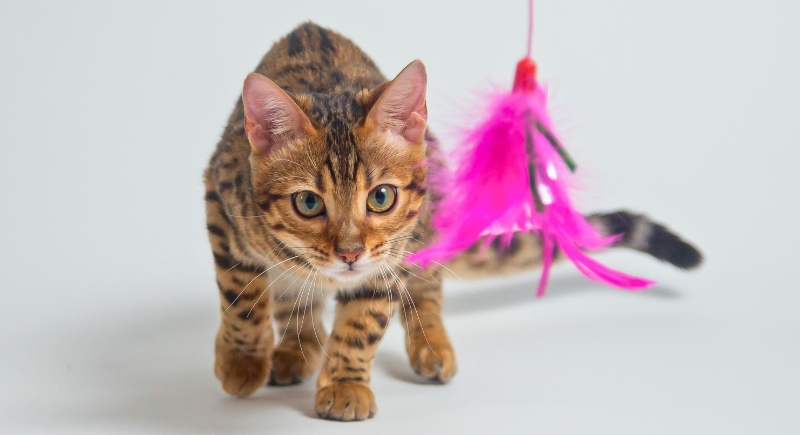
Boredom leads to behavioral problems and depression in cats who lack adequate mental challenges. Rotate toys regularly to maintain interest, and invest in options like feather wands or laser pointers for active play. Cardboard boxes, paper bags, and even crumpled receipts can provide surprisingly long entertainment. Vertical space matters too, so cat trees and wall-mounted shelves give them territory to claim and survey from above.
Consider Getting Two Cats
Credit: Canva
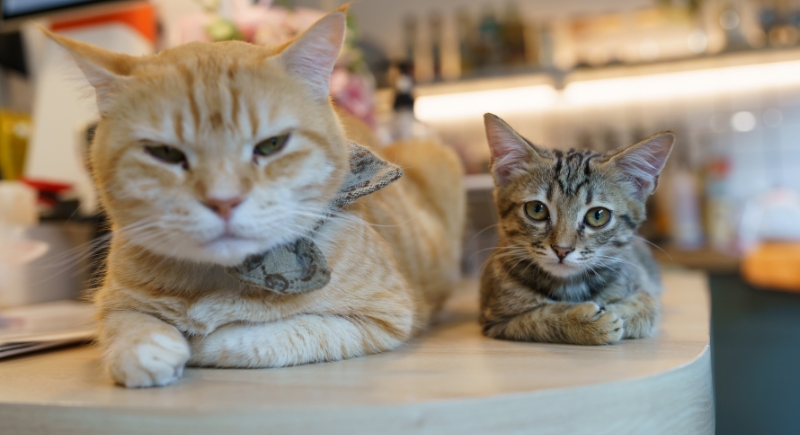
A single cat can grow bored or anxious, which often shows up as destructive behavior or constant vocalizing. Two cats keep each other company, play together, and handle time alone more easily when you are away. Shelters often recommend bonded pairs with established dynamics. Costs usually rise only slightly, and paired kittens burn energy with each other instead of your ankles.
Create a Safe Outdoor Enclosure
Credit: Canva
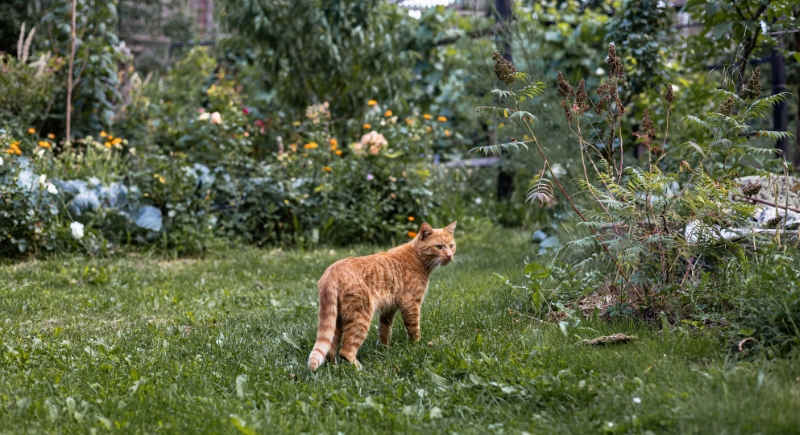
Catios provide cats with fresh air and outdoor stimulation without the dangers of free-roaming. These screened enclosures attach to windows or doors and range from simple window boxes to elaborate yard structures. Your cat gets to watch birds, feel the breeze, and lounge in the sunshine without facing traffic or predators. The setup also eliminates their impact on wildlife populations. Many designs are surprisingly DIY-friendly and relatively inexpensive to construct.
Place Bird Feeders Strategically

Credit: Canva
Positioning matters when you enjoy feeding birds but also have an outdoor cat. Mount feeders at least five feet high and away from bushes or structures that cats could use as launching pads for ambushes. Keep them at least ten feet from any cover where a cat might crouch and wait. Window feeders placed high up let you enjoy bird-watching while keeping feathered visitors safe from feline attention.