10 Ways to Peacefully Coexist With Raccoons in Your Backyard
A raccoon showing up in your yard can feel surprising, especially when you notice your trash disturbed or your garden dug up. Still, it’s not there to cause problems. It’s just looking for food and a place to pass through. With a few small changes, you can make your space less inviting without harming it. The goal is to avoid conflict while letting raccoons move on naturally, so both of you can coexist without stress.
Secure Trash Before Nightfall

Credit: Canva
Garbage is often the main reason raccoons keep coming back. Their front paws work almost like hands, which makes prying open loose lids surprisingly easy. A tightly sealed bin changes that quickly. Heavy lids, locking mechanisms, or even a simple strap can keep contents out of reach.
Skip Outdoor Pet Feeding

Credit: pexels
Leaving food outside, even for a short time, sends out a strong signal that a reliable meal is available. Raccoons have an excellent sense of smell and will track it down with little effort. If outdoor feeding is unavoidable, removing bowls immediately after use helps prevent unexpected visits.
Take a Closer Look at Entry Points
Credit: pexels
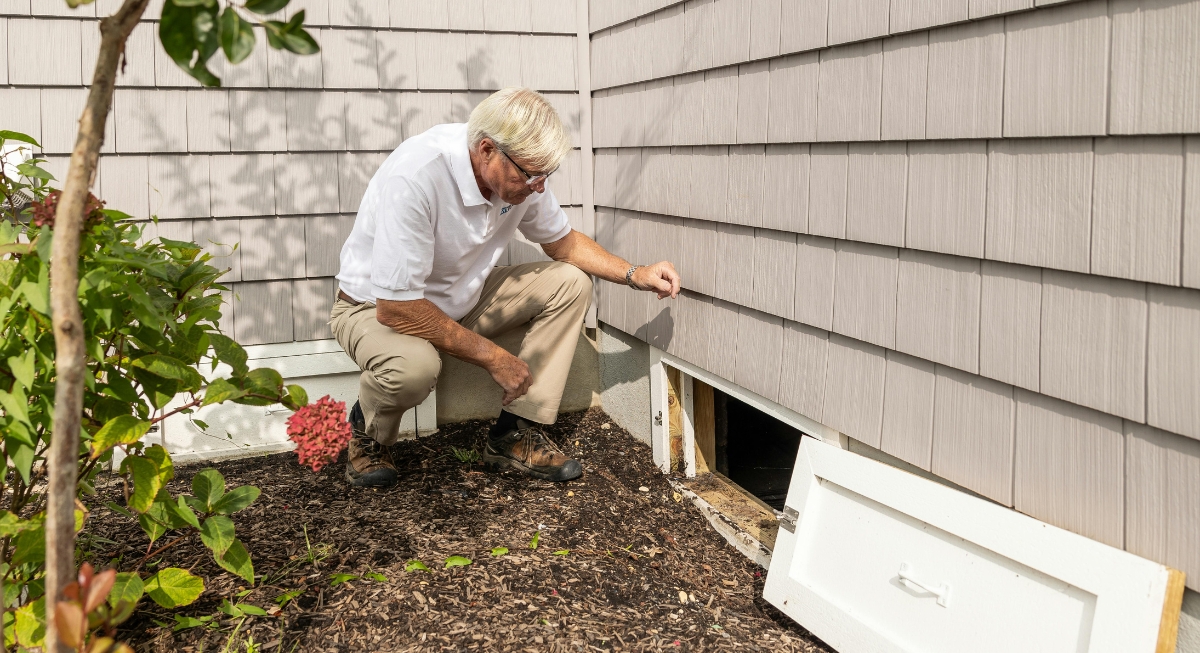
A raccoon doesn’t need much space to slip into a structure. Gaps along rooflines or crawl spaces can become den sites before anyone notices. A careful inspection around the home helps catch these spots early. Repairs work best after confirming no animals are already inside.
Give Them Time to Move On
Credit: Getty Images
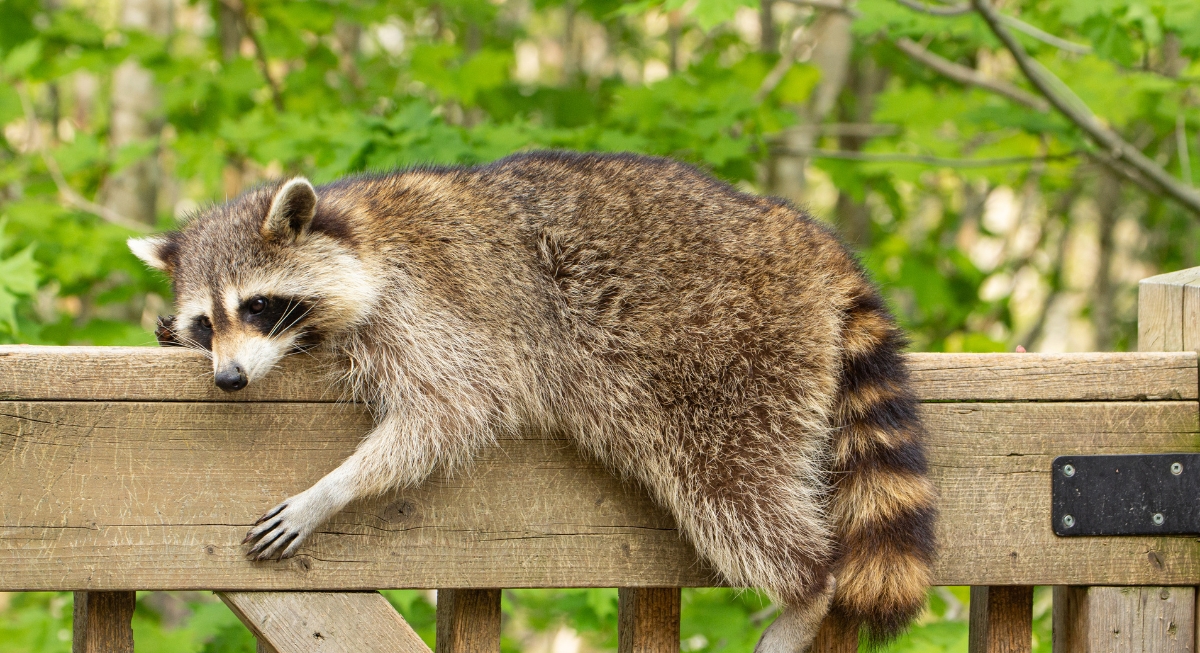
A raccoon resting under a deck or passing through a yard often isn’t planning a long stay. These animals shift locations based on food availability, weather, and disturbances. Waiting a few days can resolve the issue without any action. Sudden removal attempts tend to create more disruption.
Use Light and Sound Strategically
Credit: Wikimedia Commons
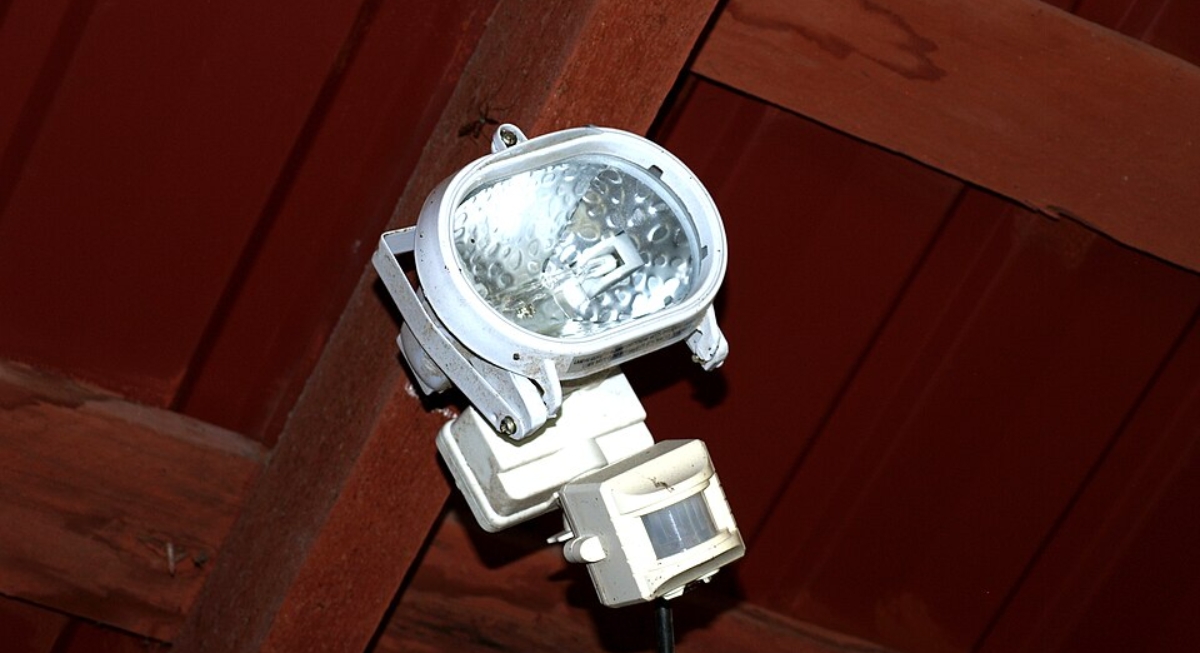
Raccoons prefer quiet, dim environments where they can explore without being noticed. Motion-activated lights or radios tuned to talk stations can make a familiar space feel unpredictable. The change doesn’t harm them, but it does encourage them to look elsewhere for a calmer setting.
Protect Gardens With Simple Barriers
Credit: Canva
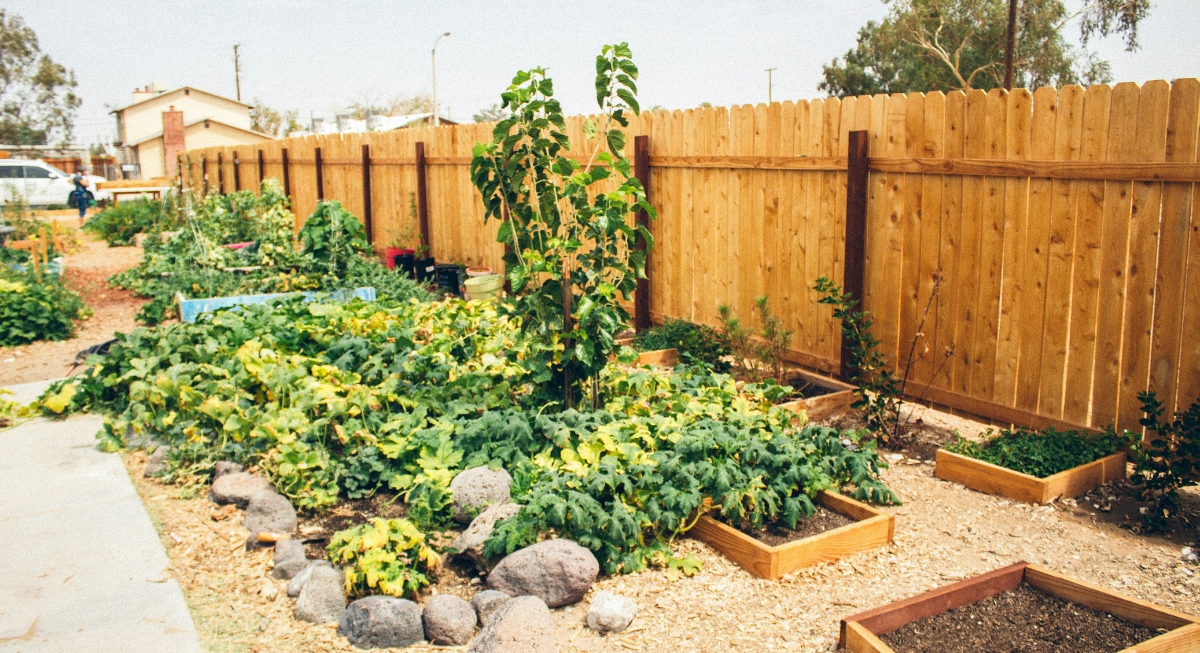
Fresh vegetables and fruits are easy targets, especially when they’re low to the ground. A well-secured fence provides reliable protection, but it must be sturdy and properly installed. Some gardeners install motion-activated sprinklers that startle raccoons without causing injury.
Plan Around Nesting Season
Credit: Canva
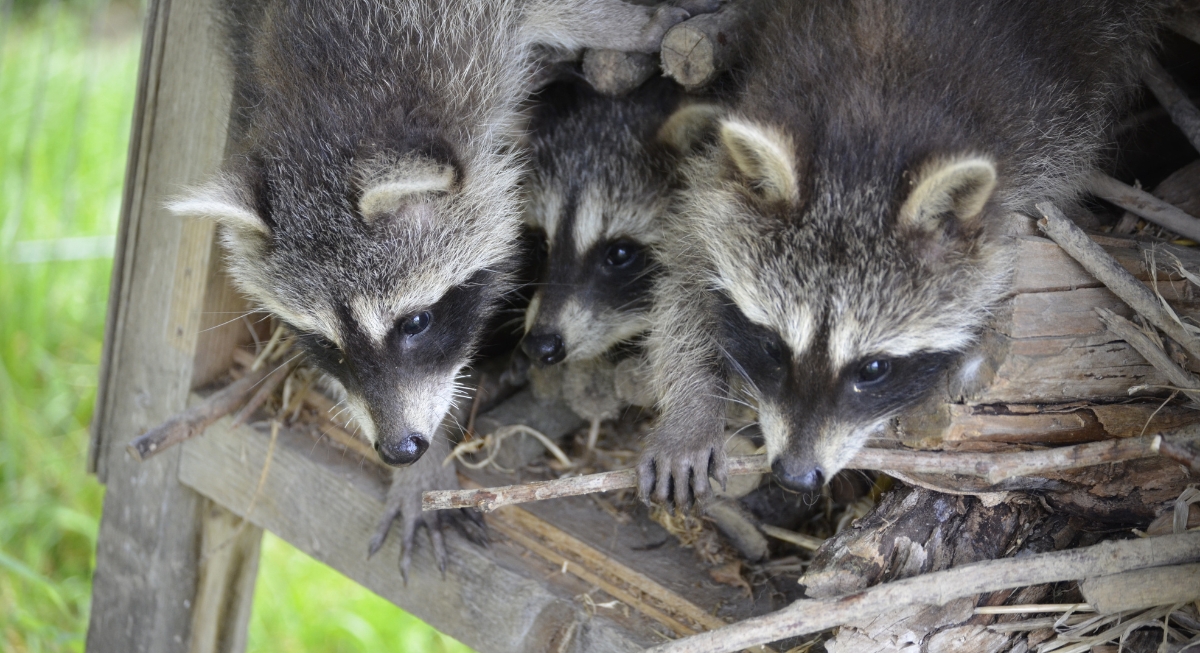
During spring and early summer, raccoons often raise their young in sheltered spaces like attics or under decks. Intervening too soon can separate mothers from their kits, which creates bigger problems later. Waiting until the young are old enough to leave on their own is a more humane approach.
Keep Tree Branches Trimmed Back
Credit: Canva
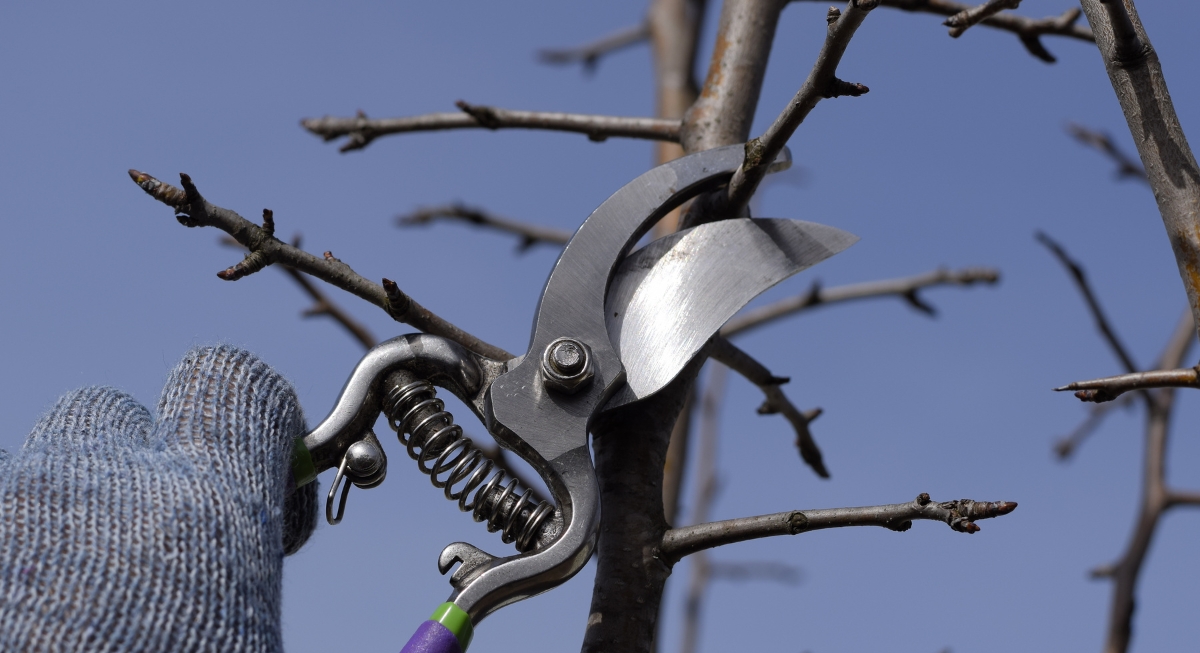
Overhanging branches can act like a bridge straight to the roof. Raccoons are skilled climbers and will use any convenient route to explore higher ground. Cutting branches a few feet away from the house removes that easy access point. It also limits their ability to reach attics or upper vents.
Keep Pets Vaccinated and Supervised

Credit: Getty Images
Encounters between pets and raccoons can happen, especially at night. Vaccinations provide an added layer of protection against diseases like rabies. Supervision also reduces the chance of direct contact. Bringing pets indoors after dark further reduces the risk and helps avoid situations where curiosity leads to a close, potentially unsafe interaction.
Accept That Occasional Visits Happen
Credit: Getty Images
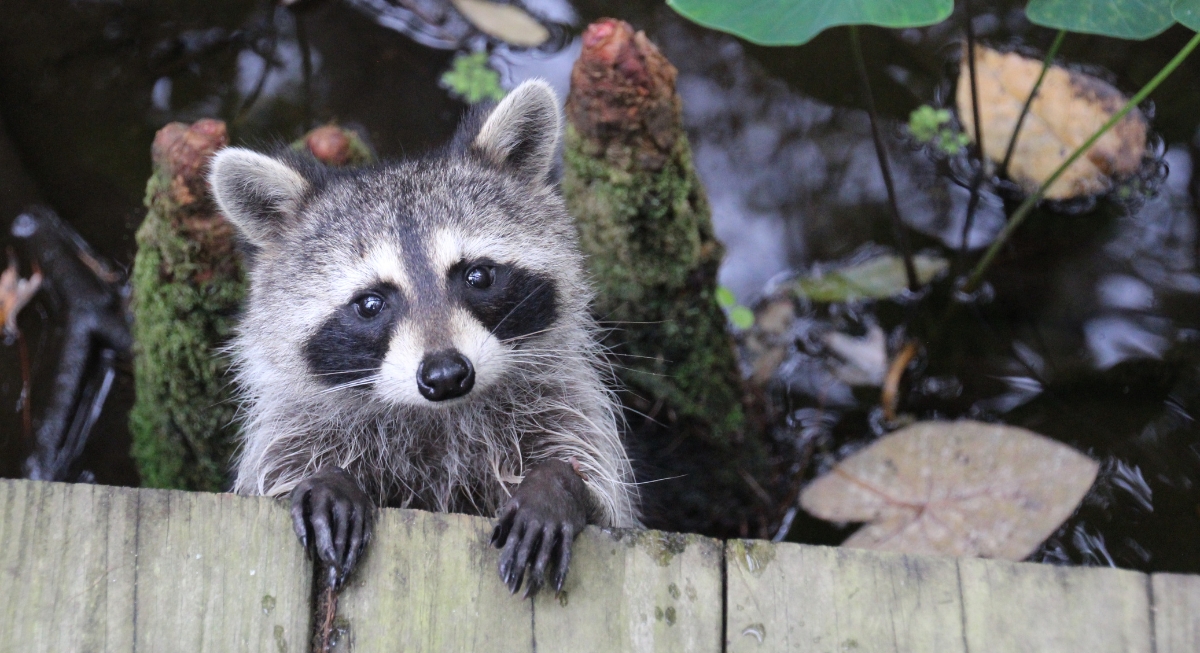
Even with careful planning, a raccoon may still pass through now and then. Urban and suburban areas overlap with their natural range, so brief visits are part of that shared space. Viewing these moments as temporary rather than problematic helps keep reactions measured.