Surprising Facts That Prove Penguins Are Anything but Ordinary
Penguins are far more resilient and complex than their playful image suggests. They endure extreme cold, exhausting journeys, packed breeding colonies, and declining food sources through a mix of physical traits and learned behavior shaped over millions of years. Built to withstand pressure and extremes, penguins reveal a side far more surprising than most people expect.
Built For Speed Underwater
Credit: pixabay
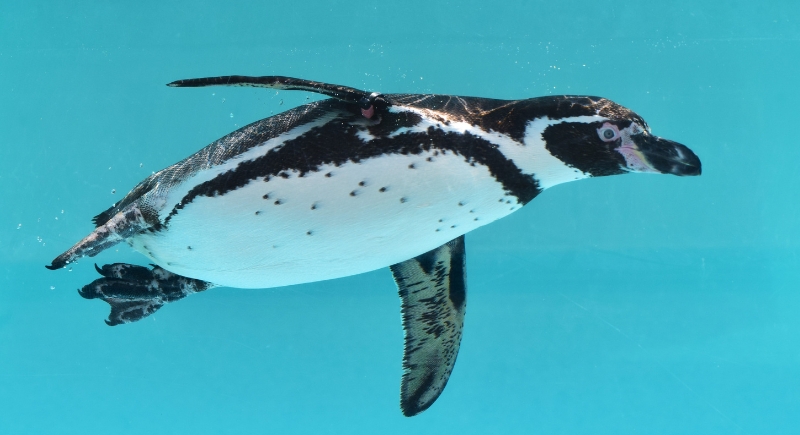
Speed is not what most people associate with penguins, yet emperor penguins can hit underwater bursts of about 22 miles per hour. That speed helps them catch fast prey like fish and squid. Their flippers work more like stiff wings than paddles, generating lift and thrust with each stroke. This design explains why penguins spend more time hunting in the water than staying on land.
Feathers That Fight Ice
Credit: pexels
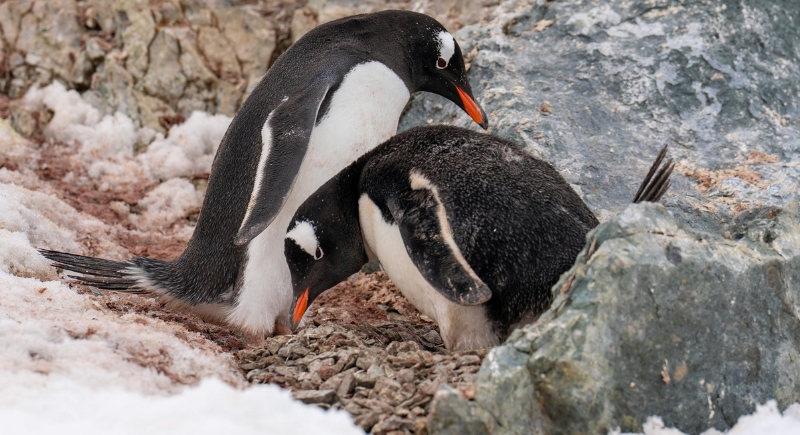
Penguin feathers are designed for function, and each bird carries thousands of them packed tightly together. These feathers repel water and help prevent ice from sticking to the body after cold dives. A gland near the tail produces oil that penguins spread across their feathers using their beaks. This routine keeps them dry and insulated in water that regularly drops below freezing.
Walking Machines With Endurance
Credit: Getty Images
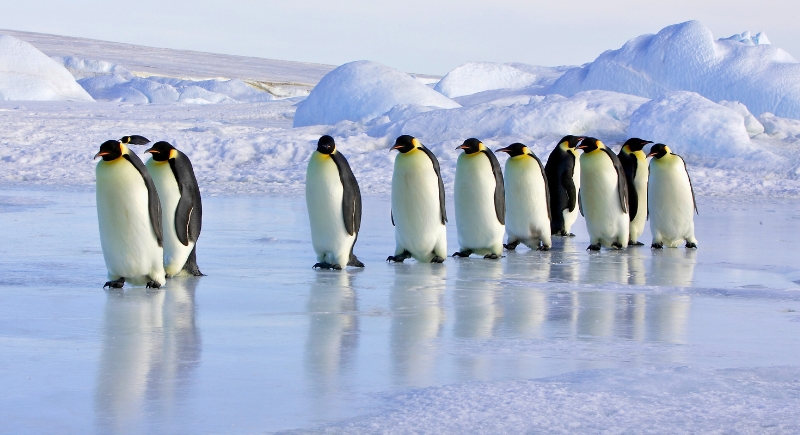
Their waddle may look awkward, but penguins are built for long distances. Some species have been recorded traveling more than 60 miles during breeding or feeding journeys. Their legs sit farther back on the body, improving control in water and stability on land. When ice is present, they switch to belly sliding to save energy and reduce strain on their feet.
A World Of Different Species
Credit: Getty Images
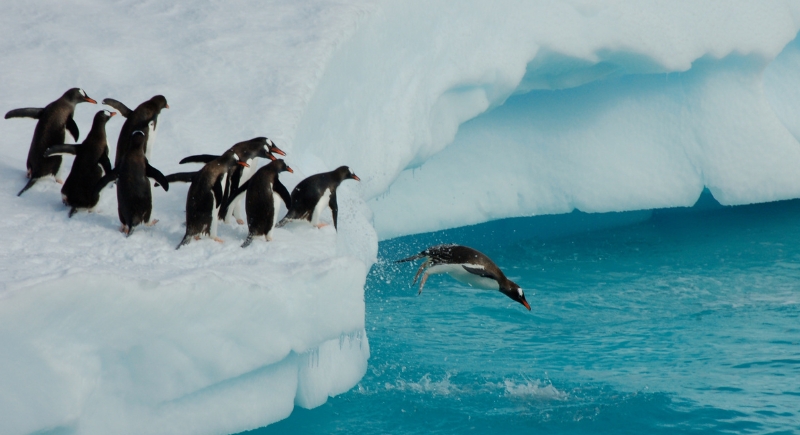
There are 18 widely recognized penguin species, and most live far from Antarctica. Penguins inhabit coastlines in South America, Africa, Australia, New Zealand, and even near the equator in the Galapagos Islands. Each species has its own size range, feeding style, and survival strategy. This diversity explains why penguin behavior varies far more than popular portrayals suggest.
Camouflage In Plain Sight
Credit: Canva
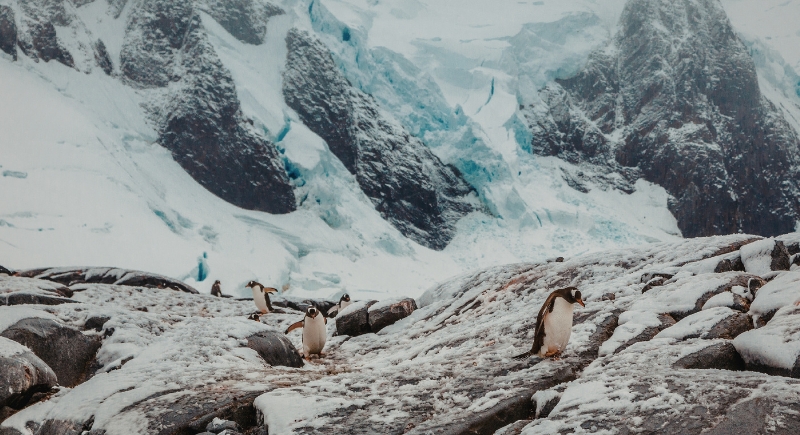
The black-and-white coloring common to many penguins is not decorative. It works as camouflage through a method called countershading. Predators looking up from below see a white belly that blends into the bright water surface, while predators looking down see a dark back that blends with the ocean depths.
No Teeth, But Effective Tools
Credit: Getty Images
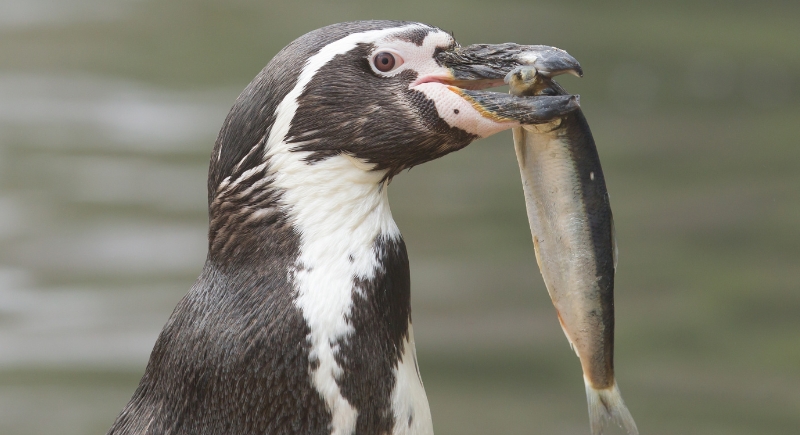
Another unexpected fact about them is that they don’t have teeth, even though their diet is entirely meat-based. Instead, they rely on stiff, backward-facing spines on their tongues to grip slippery prey. These spines guide fish and krill toward the throat and prevent escape. This adaptation allows penguins to swallow food whole while swimming.
Partners Change More Than Expected
Credit: Getty Images
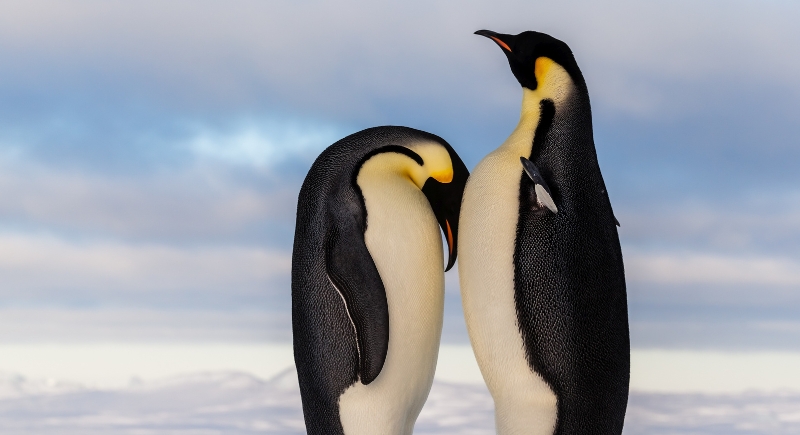
Although often described as loyal pairs, long-term studies tell a more flexible story. Many species remain with one partner for a single breeding season rather than for life. In Adélie penguins, researchers have found that a noticeable portion of pairs change partners between seasons. Even emperor penguins show high rates of partner change from one year to the next.
Complex Colony Behavior
Credit: Getty Images
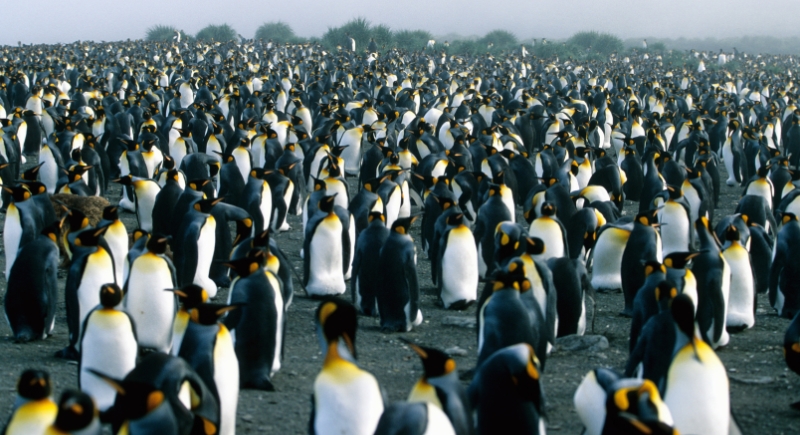
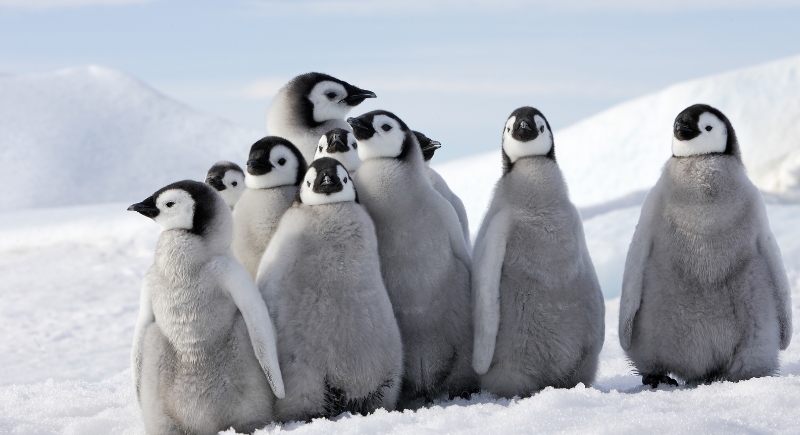
Life in their colony involves constant interaction and competition. Groups of penguins walking together are called waddles, while breeding groups are known as colonies or rookeries. Chicks often gather in creches for warmth and protection while parents hunt. These social structures reduce risk in crowded environments where thousands of birds share the same space.
Unique Voices In A Crowd
Credit: Getty Images
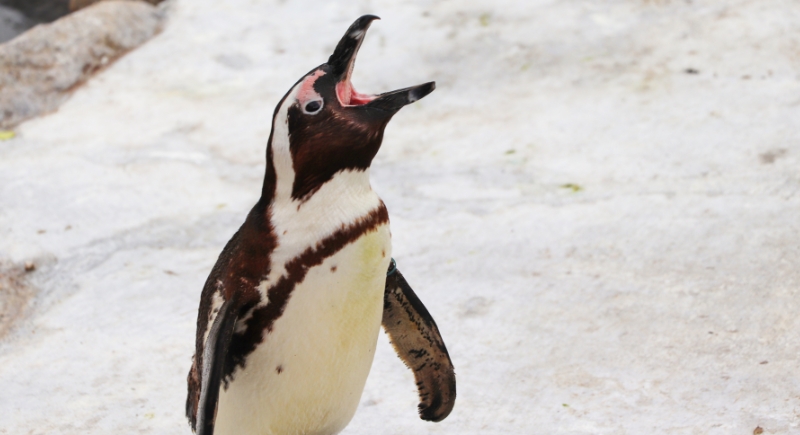
Every penguin has a distinct call that functions like a personal ID. Parents and chicks rely on sound rather than sight to find each other among thousands of nearly identical birds. This vocal recognition remains effective even in loud colonies filled with wind and movement. Without it, many chicks would struggle to survive.
Populations Under Pressure
Credit: Getty Images
Despite their toughness, many penguin species face serious decline. Climate change affects sea ice, food availability, and breeding success across multiple regions. The African penguin is classified as critically endangered, while the emperor penguin is listed as near threatened. Conservation efforts now focus on protecting habitats, regulating fishing, and monitoring population health.