15 Reasons People Euthanize Their Pets
Choosing euthanasia for a pet is one of the most gut-wrenching decisions anyone can face. And yet, it’s something nearly every pet owner will confront. It’s not always about terminal illness or visible pain. Sometimes it’s about subtle decline, emotional burnout, or impossible circumstances no one saw coming. Learning about valid reasons people make this decision can bring clarity, reduce guilt, and remind grieving owners they’re not alone.
This list isn’t here to convince, but to validate the difficult realities behind the choice. Because loving a pet often means doing what’s hardest, not what’s easiest, when the time comes.
Declining Quality of Life

Credit: Getty Images
A pet that no longer finds joy in daily life, such as ignoring food, isolating, or appearing confused, may be quietly suffering. Vets often use structured quality-of-life tools to help owners assess comfort versus decline. When “bad days” begin to outnumber the good, the changes often prompt owners to talk seriously about letting go.
Chronic Pain That Can’t Be Relieved

Credit: Getty Images
When pain stops being a symptom and becomes the whole story, even heavy meds can’t hide it. Limping turns into lying still. A scratch behind the ear earns a yelp instead of a nuzzle. When no relief is possible, owners often choose to end the suffering rather than let it continue indefinitely.
Severe Injury with No Chance of Recovery

Credit: Getty Images
Some injuries are too catastrophic to fix. When a pet’s been hit by a car or suffers internal trauma, waiting for a miracle isn’t humane. It’s a delay. In emergencies like these, sparing an animal from a slow, painful death can be a deeply painful but necessary act of compassion.
Dangerous or Aggressive Behavior

Credit: Getty Images
Some pets, due to trauma or neurological damage, become dangerously aggressive. If behavior can’t be managed with medication or training and poses a risk to humans or other animals, euthanasia might be considered. These are among the most heartbreaking decisions, often made to protect others when all options have been exhausted.
Cognitive Decline and End-of-Life Confusion

Credit: Getty Images
Age-related cognitive dysfunction can strip pets of their ability to recognize loved ones or feel safe in familiar environments. They may pace for hours, cry without reason, or lose house-training habits. For many, witnessing this mental decline is more distressing than physical issues, and becomes the deciding factor in choosing euthanasia.
No Longer Able to Eat or Drink

Credit: Getty Images
When a pet refuses food or water consistently, the body begins to shut down. When even hand-fed chicken or appetite stimulants don’t work, it’s often a signal that their body is giving up. If families avoid euthanasia, they’re opting for slow starvation for their pet, which they can’t reverse.
Respiratory Distress or Labored Breathing

Credit: Getty Images
Heavy breathing, wide eyes, and panicked movements. Watching a pet fight for air is terrifying. And for the pet, it’s worse. If a vet can’t ease their lungs, and oxygen tanks only buy hours, families often choose to end that distress before it turns into trauma—for both animal and human.
Combined Burden: Cost and Futility of Treatment

Credit: Canva
Treatments can cost thousands. And some only extend life by weeks or less. When the prognosis is grim and savings are thin, families face brutal decisions. Choosing euthanasia in this context isn’t about giving up; it’s about avoiding debt that can’t save a pet’s quality of life.
Emotional Toll on Caregivers

Credit: pexels
Around-the-clock care, sleepless nights, and watching a pet decline can chip away at a person’s emotional reserves. For some, the process of caretaking becomes a source of ongoing grief. Caregivers who once felt devoted can feel depleted and powerless. At that point, choosing to let go becomes less about the pet’s decline and more about the human’s breaking point.
Compassion After Years of Loyalty

Credit: Getty Images
Sometimes, making that tough decision is how people say thank you. A dog who never left your side, a cat who slept on your chest for fifteen years—letting them go peacefully, before pain takes over, can feel like the last loving favor you can return after a lifetime of loyalty.
Incompatible Life Circumstances

Credit: Getty Images
People don’t always choose to part with pets because of age or illness. Housing restrictions, serious illness, or unsafe environments can force impossible decisions. Rehoming is ideal, but when no one will take in a difficult or medically fragile animal, euthanasia may be the only remaining path.
Severe Psychological Trauma
Credit: Getty Images
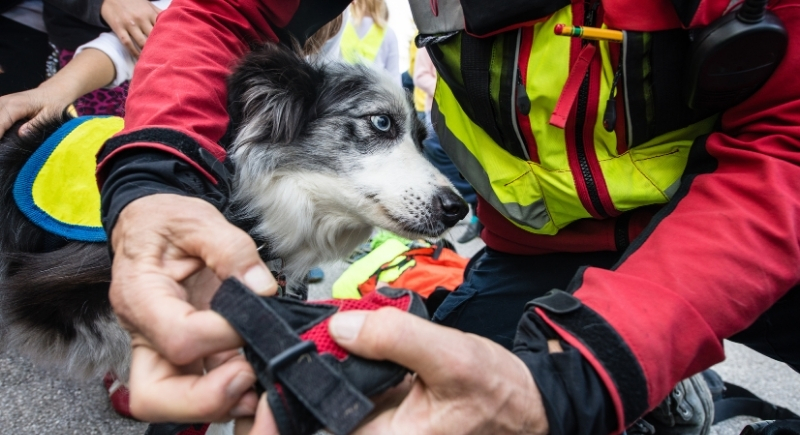
Rescued animals who’ve endured extreme abuse or neglect may struggle with lasting fear, aggression, or stress behaviors. Even with experienced trainers and behavioral therapy, some cannot adapt to a safe, manageable home life. Allowing the animal to go peacefully is better when mental suffering persists and leads to danger or total dysfunction.
Guidance from a Trusted Veterinarian

Credit: Canva
Veterinarians are often the ones who see what families can’t. They know that a pet isn’t rallying, and that treatment is hurting more than helping. Their calm, clear guidance often tips the balance. When a trusted vet says the kindest choice is goodbye, many people find the clarity they’ve been avoiding.
Grief Anticipation and Planning

Credit: iStockphoto
Not everyone waits until the worst day. Some plan euthanasia while their pet still has moments of peace, avoiding emergency rooms and crisis pain. This isn’t chosen as an early exit, but a carefully chosen goodbye, made while the pet can still be comforted, and the humans can say what they need to.
Desire to Prevent a Traumatic Natural Death

Credit: Getty Images
Natural deaths are rarely peaceful. Pets can seize, gasp, panic, or hang on in distress for hours or days. Families who’ve witnessed this often vow: never again. The decision is taken to prevent their pet from enduring similar distress.