Peru Makes History by Legally Recognizing Native Stingless Bees as Rights-Bearing Entities
For a long time, insects have barely registered in environmental law. Even as scientists warned that pollinators were disappearing and food systems were becoming more fragile, bees and other insects remained legally invisible.
In Peru, the warning signs felt close to home. Research linked the decline of native stingless bees to deforestation, pesticide use, and rising climate stress. Indigenous communities in the Amazon began noticing it too, as colonies that once thrived started to thin out or vanish altogether.
Meanwhile, environmental law was shifting toward recognizing nature as a rights-holder. In Peru, that shift translated into specific local decisions that extended legal protection to native stingless bees, placing them within a framework previously reserved for ecosystems and species, not insects.
A Legal Shift That Caught Global Attention

Image via Getty Images/Zolnierek from
Late in 2025, Peru approved local ordinances that changed how environmental law treats one of the rainforest’s smallest workers. Municipal governments in Satipo and Nauta adopted measures recognizing native stingless bees as rights-bearing entities. These laws grant the insects the legal right to exist, reproduce, and maintain healthy habitats, along with standing that allows people to defend those rights in court.
Legal scholars quickly noted the scale of the move. Other nations have extended rights to rivers, forests, and select wildlife, and insects had never crossed that threshold. Peru’s decision set a precedent that conservation groups had long argued was overdue.
The Importance of These Bees
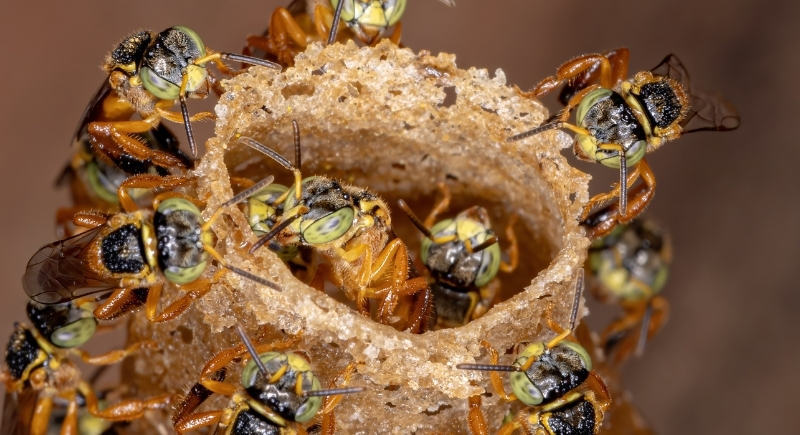
Image via Canva/Vinícius Rodrigues de Souza
Stingless bees play a central role in tropical ecosystems. Peru hosts more than 170 known species, many of which live deep within the Amazon Basin. Researchers credit them with pollinating a large share of rainforest plants, including crops that anchor local economies such as cacao, coffee, avocados, and blueberries.
Unlike European honeybees, stingless bees evolved alongside Amazonian forests. They thrive in complex ecosystems and support natural regeneration. Scientists also link their pollination activity to forest health and long-term carbon storage, which places these insects squarely within broader climate conversations. Despite their value, they received little legal attention for decades. Existing regulations focused on introduced honeybees, leaving native pollinators vulnerable to habitat loss, pesticides, and climate stress.
Indigenous Leadership Behind the Ordinances

Image via Wikimedia Commons/Ministério da Cultura
The legal breakthrough did not suddenly appear out of nowhere. Indigenous communities, including the Asháninka and Kukama-Kukamiria, have cultivated stingless bees for centuries, relying on their honey, pollen, and propolis for food, medicine, and cultural practices. Community leaders forewarned as colonies grew harder to locate and harvests declined.
Research coordinated through Amazon Research International documented population declines, pesticide contamination, and the presence of medicinal compounds in stingless bee honey. These findings reinforced concerns already voiced by beekeepers and elders. Legal advocates then translated those concerns into policy language. Support arrived via groups such as Earth Law Center, which helped frame the bees’ ecological role as a legal interest worthy of protection.
What Legal Rights Actually Change
The ordinances do more than signal support. They create enforceable standards that local governments can use when approving land use, regulating chemicals, and managing development. Activities that threaten stingless bee habitats now face legal scrutiny tied directly to the insects’ survival.
These measures also shift the conservation strategy. Instead of reacting after damage occurs, officials can intervene earlier. Habitat protection, pesticide controls, and restoration efforts gain clearer justification under the law. Environmental lawyers see the approach as practical, not symbolic. It offers a new toolset as biodiversity loss accelerates worldwide.
A Model Other Countries Are Watching
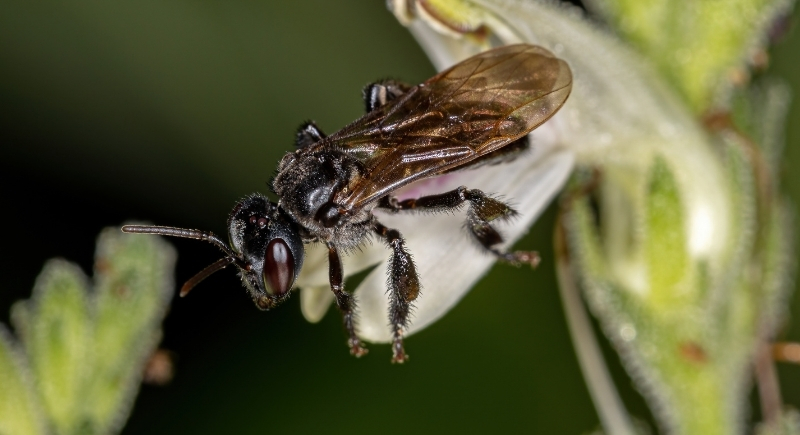
Image via Canva/Vinícius Rodrigues de Souza
International attention followed quickly, as conservation groups point to Peru’s example as proof that environmental law can evolve beyond traditional species lists. Petitions already call for expanding similar protections nationwide, drawing hundreds of thousands of signatures.
The broader implication feels unavoidable. If insects essential to ecosystems can hold legal standing, other overlooked species may follow. Peru’s ordinances suggest conservation does not require waiting for collapse. It can begin by recognizing value early, even when the subjects weigh less than a paperclip.