10 Signs Your Pet Has Officially Become the Master of the House
Living with a pet often begins with clear boundaries: feeding times, sleep schedules, and rules about where animals are allowed. Those boundaries tend to soften as routines settle in. Over time, though, the household starts organizing itself around one set of expectations, and those expectations usually belong to the animal.
They Set the Morning Routine
Credit: pexels
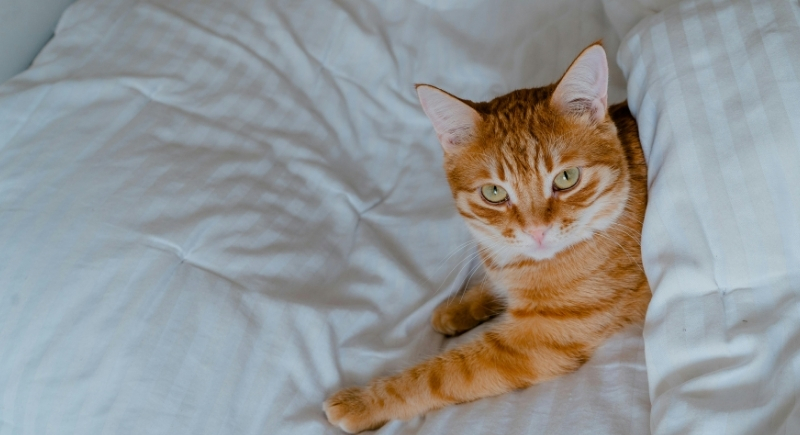
Cats learn exactly how much noise or movement gets someone out of bed, while dogs pace or hover until feet hit the floor. The pattern repeats daily, including weekends, until the household wakes consistently earlier than planned without questioning why.
Your Bed Becomes Shared Real Estate
Credit: Canva
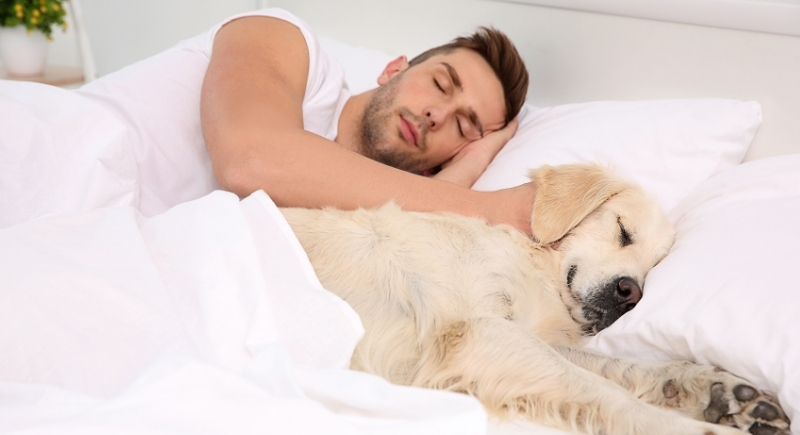
Animals stretch across the warmest spots, rotate through the night, and settle in ways that limit movement. Humans respond by shifting positions or staying still. The bed remains shared, but the arrangement reflects who gets priority once the lights go out.
Work Schedules Adjust Around Interruptions

Credit: Canva
Work schedules shift around interruptions. Pets do not interrupt at random. Dogs nudge during video calls because voices pull their attention, while cats target keyboards once typing settles into a rhythm. Without any formal decision, the workday reshapes itself around predictable animal needs rather than calendar blocks.
Furniture Choices Start With Durability
Credit: Canva
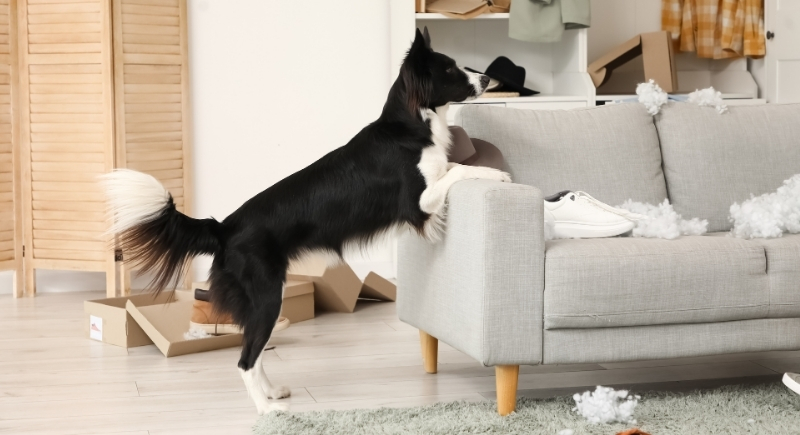
Living with a pet changes what gets considered before anything is bought. Sofas get picked for removable covers, and shelving for stability. Layouts account for scratching spots and jumping paths. Even replacements are planned ahead. The home still looks intentional, with surfaces chosen to withstand everyday use over time.
Meals Follow Their Internal Clock

Credit: Canva
Feeding time stops being flexible once a pet learns to signal hunger early. Dogs hover near bowls an hour ahead of schedule, and cats escalate from staring to pacing to noise. To avoid disruption, humans eat later, reheat plates, or rush meals entirely. Gradually, the household’s eating schedule aligns with those cues.
Personal Space Shrinks Without Discussion
Credit: Canva
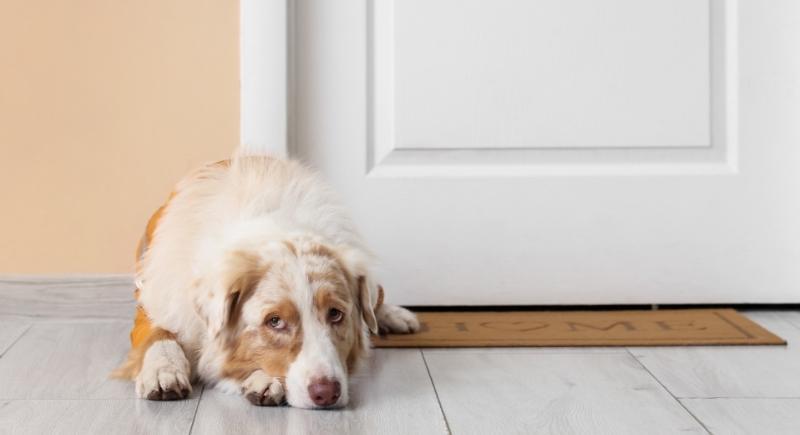
Pets tend to choose high-traffic resting spots for a reason. Doorways hold heat, hallways carry scent trails, and stair landings offer a view of movement. Dogs sprawl across thresholds, and cats curl up exactly where feet need to land. Rather than interrupting rest, owners slow down, step to the side, or pause mid-stride until stretching ends.
Bathroom Privacy Stops Existing
Credit: pexels
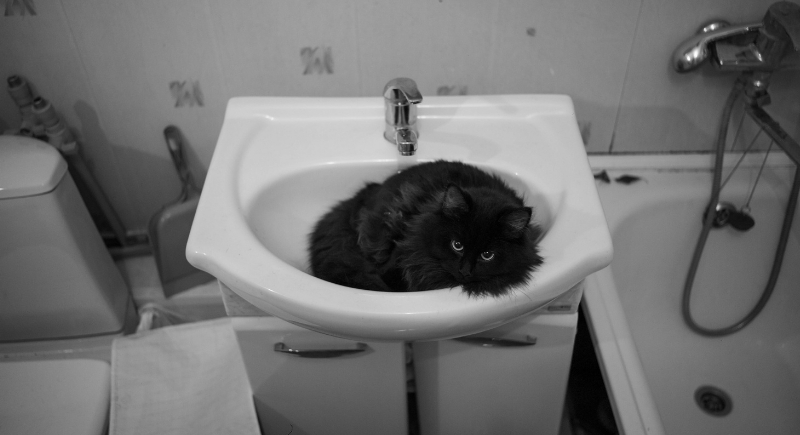
Bathrooms attract pets because they combine routine, warmth, and a temporarily stationary human. Dogs follow their humans inside and lie against the door, while cats jump onto counters or sit beside sinks watching water run. Scratching or vocalizing discourages closed doors, so many owners stop trying. Privacy quietly disappears from one of the last rooms that once had it.
Toys Take Over Shared Space
Credit: Canva
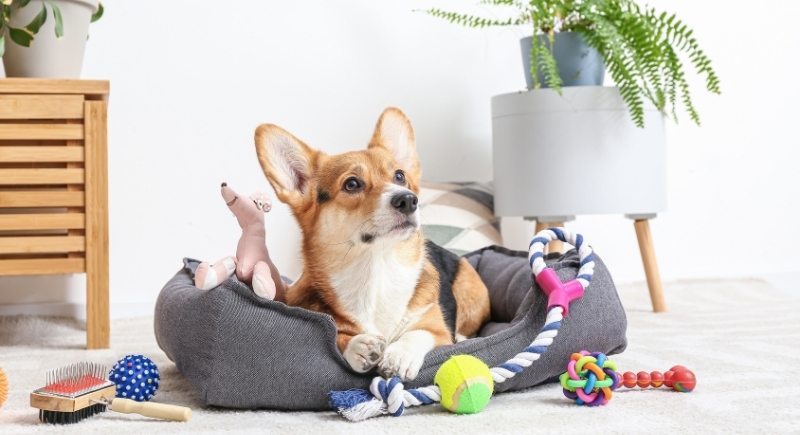
Pet toys spread because play doesn’t stay in one room. Balls get carried from the living room into the kitchen, dropped halfway, then forgotten until they’re kicked under a table. Chew toys migrate to where pets spend the most time. Owners pick everything up at night, only to find the same toys redistributed by morning.
Sounds Become Commands
Credit: Getty Images
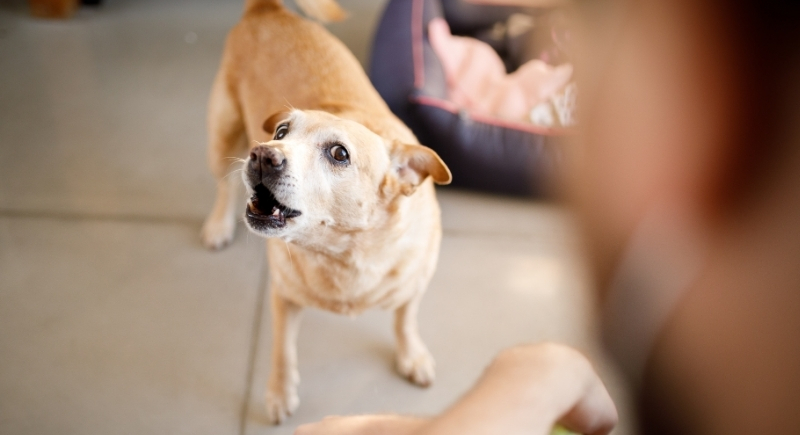
A short bark near the door triggers it to open, so that bark gets reused. A specific meow before feeding time brings attention, so it gets refined. Owners respond without thinking, checking bowls or standing up mid-task. Over time, those sounds replace cues like clocks or reminders, prompting action faster than conscious decision-making.
You Become the Preferred Resting Spot
Credit: Canva
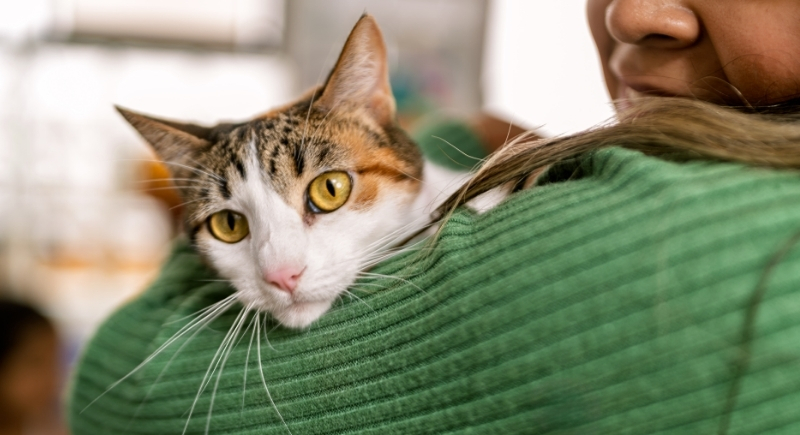
Once a person sits still for long enough, pets choose bodies over furniture for warmth and balance. Cats settle on chests or shoulders where breathing stays steady, while dogs curl into laps that don’t shift. Owners postpone standing up to avoid waking them, even if circulation cuts off or discomfort sets in.