10 Signs Your Pet Bird Is Anxious and How to Make Them Feel Better
Bird anxiety rarely shows up all at once. It creeps in through small changes, like nonstop screaming from a parakeet or a parrot that starts biting when you reach into the cage. These behaviors can look like everyday bird habits, which makes them easy to brush off. Spotting the warning signs early matters. Recognizing these ten signs can help you ease their stress and bring back a sense of safety before it grows into something harder to manage.
Plucking Out Their Feathers
Credit: Wikimedia Commons
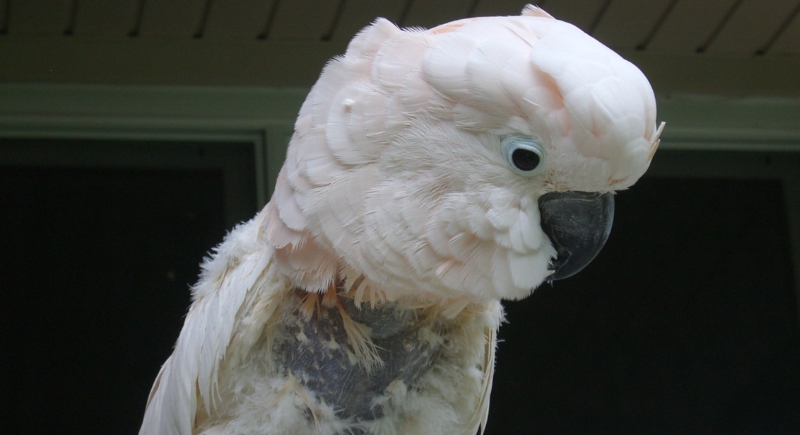
Preening keeps feathers healthy, but feather plucking signals distress. Veterinarians say anxious birds may pull out or damage feathers to cope with stress. Boredom, changes at home, or long-term tension often trigger it. You might see bald spots, rough plumage, or feathers on the cage floor. Relief usually comes from better stimulation. Rotate toys weekly, add simple foraging puzzles, and keep daily routines consistent so their space feels safe again.
Their Eyes Look Unusually Wide
Credit: Getty Images
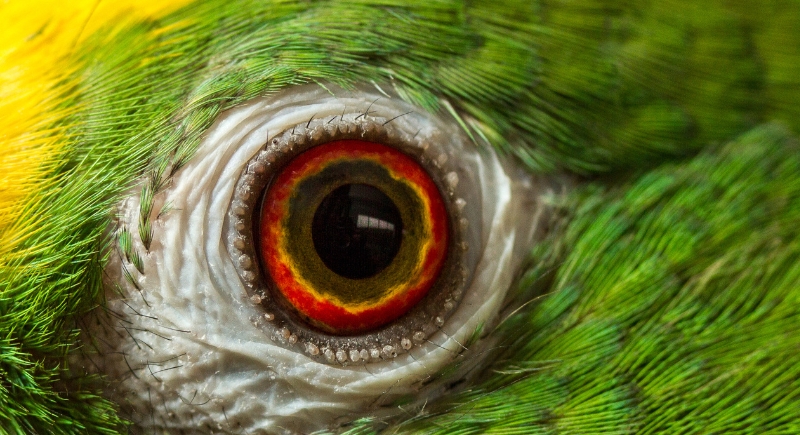
This hypervigilance signals that your bird feels unsafe in their environment. The behavior becomes especially noticeable in new surroundings or when exposed to unpredictable noises. Give your bird time to adjust. Move the cage away from windows with street views, reduce noise during the bird’s active hours, and avoid sudden movements near the cage.
A Food Bowl That Stays Full
Credit: Canva
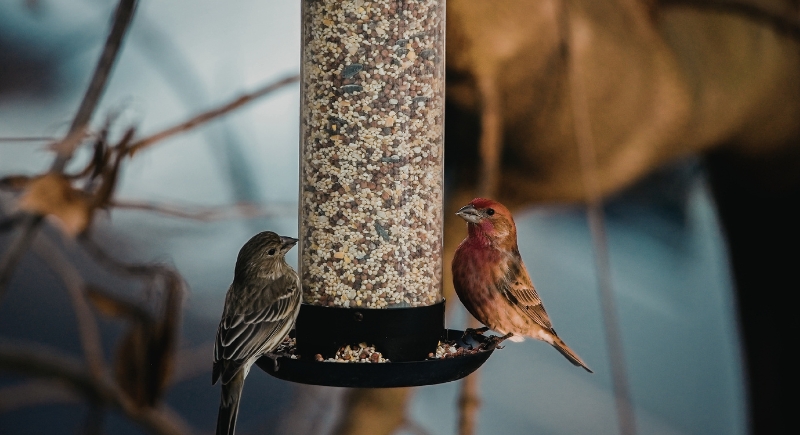
Birds have fast metabolisms, so changes in appetite demand attention. While there can be various contributing factors, anxiety can cause them to avoid food, even familiar favorites. Consistent feeding times and a calm eating area help reduce hesitation. Offering trusted foods without pressure encourages return to normal intake. If there are no improvements, a visit to a vet for additional assessment might be in order.
Hands Suddenly Feel Like a Threat
Credit: Getty Images
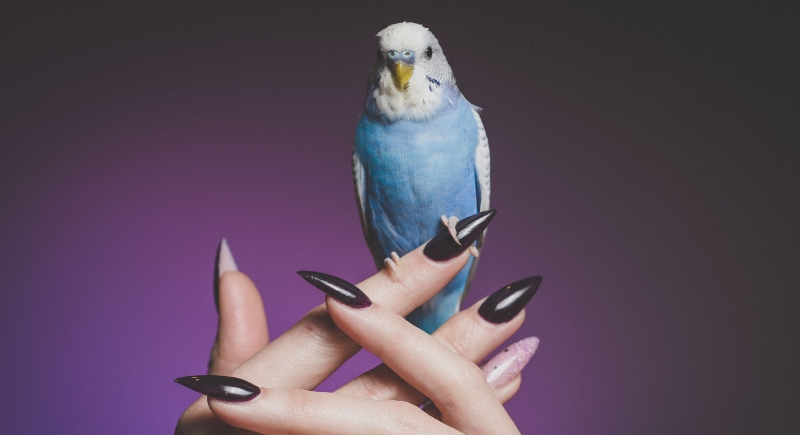
In some cases, it’s an attempt to create distance from perceived danger when a bird feels trapped or overwhelmed. Your normally friendly bird might lunge at your hand, nip fingers during routine handling, or refuse to step on your arm. Back off when your bird shows discomfort and identify what triggered the defensive response.
Weight Loss Despite Eating
Credit: pexels
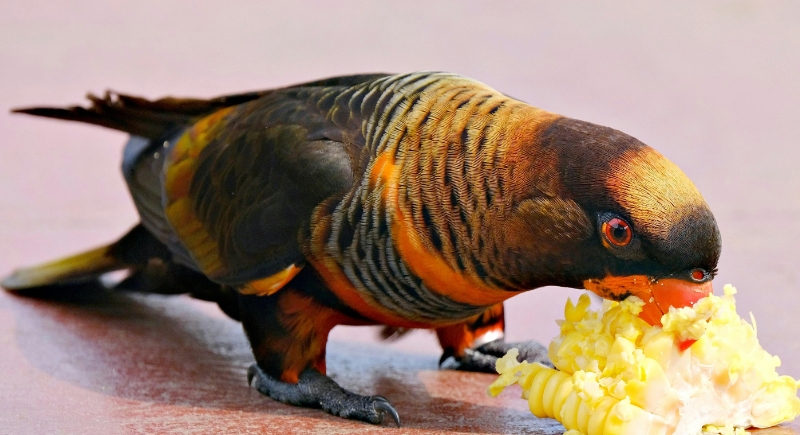
Weight loss in birds can signal serious trouble, even when they appear to eat normally. The stress could be preventing proper nutrient absorption, or your bird might be burning extra calories due to constant anxiety. Some Avian veterinarians recommend regular weight checks as birds instinctively hide illness.
They Won’t Stop Screaming or Calling
Credit: Getty Images
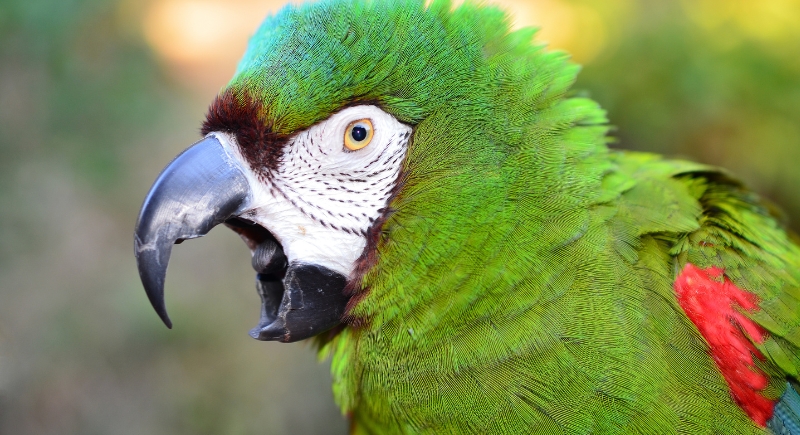
Excessive vocalization often means your bird is calling for help or reacting to environmental stressors. The screaming might intensify when you leave the room or when specific triggers appear. Address this by maintaining predictable daily schedules and reducing background noise. Structured engagement through training games and calm departures also helps. If neighbors complain or the screaming disrupts your household, consult an avian behaviorist for targeted intervention strategies.
Chewing Everything in Sight
Credit: Wikimedia Commons
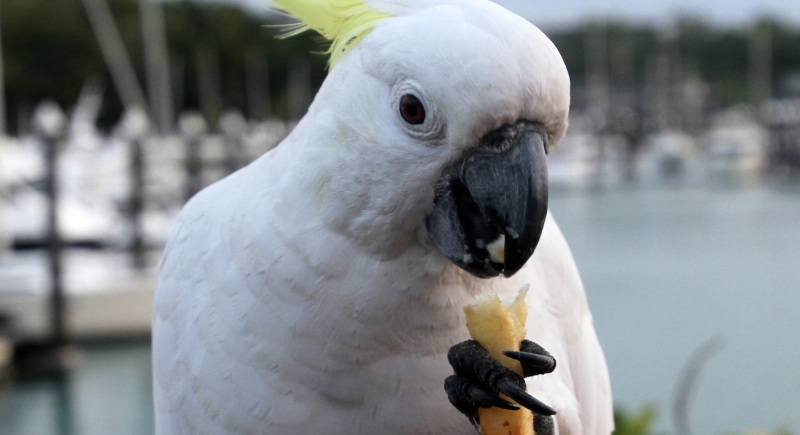
Destructive chewing targets cage bars, perches, and toys. Birds need mental stimulation to thrive. Without it, they create their entertainment through destruction. The solution can involve environmental enrichment by providing varied toys, introducing puzzle feeders that make the bird work for treats, and rotating cage accessories to maintain novelty. Natural wood perches of varying diameters also give the birds appropriate chewing outlets.
Sleeping More Than Usual During the Day
Credit: Canva
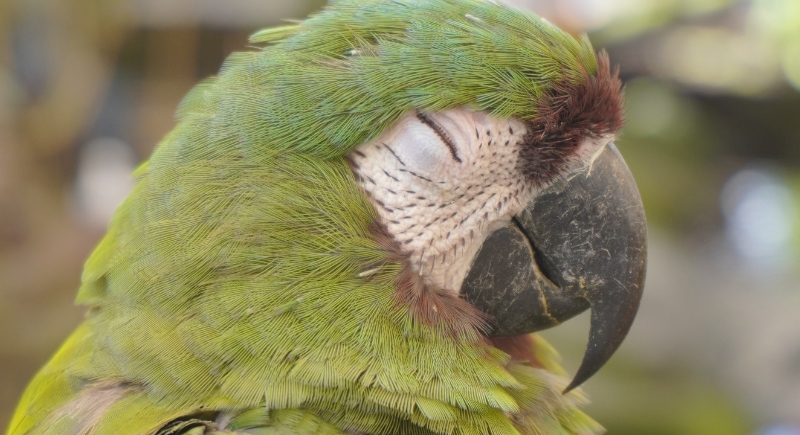
Birds require approximately 12 hours of uninterrupted sleep nightly for proper mental and physical health. Your bird could appear tired, less active, or irritable when awake because of several reasons. Stress interferes with sleep quality, creating a cycle where poor rest increases anxiety. Establish a stable sleep environment by covering the cage at consistent times, ensuring complete darkness, and eliminating nighttime disturbances.
Panting With Their Beak Open
Credit: pexels
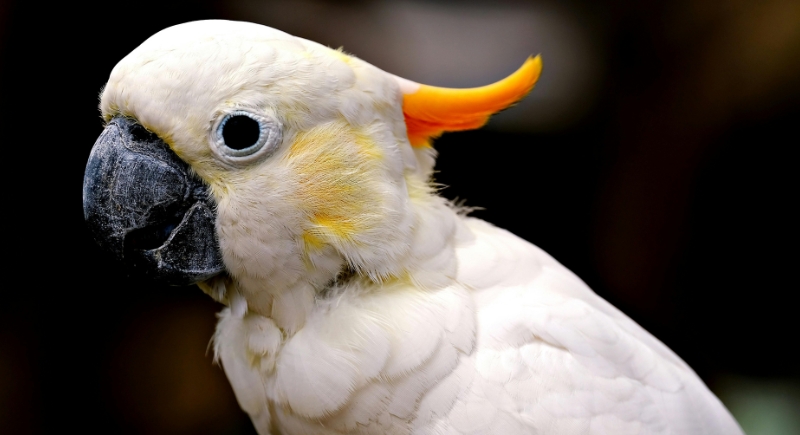
Open-mouthed breathing requires urgent veterinary attention. The act can be an indication of severe distress or potential heatstroke, but it suggests the bird is struggling regardless. Move it immediately to a cooler, quieter space, minimize handling to reduce additional stress, and contact your vet right away. While waiting for professional help, observe whether other symptoms accompany the panting, such as wing drooping, lethargy, or unusual postures.