How to Create a Backyard Paradise for Your Pet Bird
Most pet birds never get to experience the outdoor world beyond a window, but with a few well-thought-out tweaks, your backyard can become their safe and engaging retreat. They’ll soak in fresh air and enjoy a better quality of life. These ideas go beyond cages and cover what really matters—space to move, things to explore, and peace from everyday stress.
Use Real Branches for Perching Variety
Credit: Wikimedia Commons
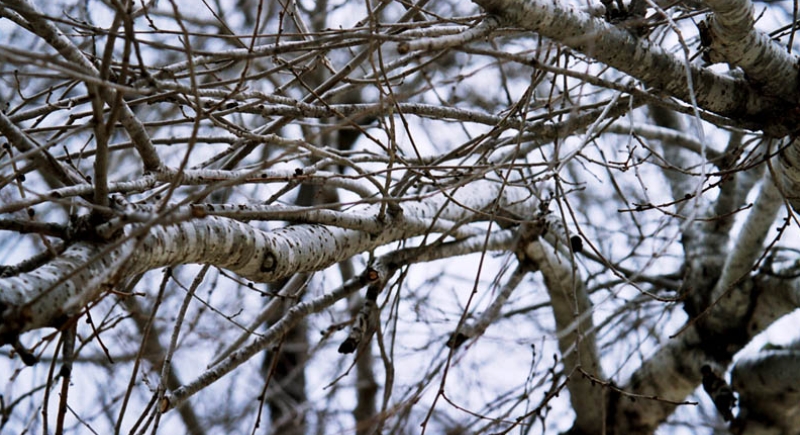
Skip the plastic dowels and straight metal bars. Birds prefer the feel of natural branches with different angles and textures. These surfaces let them grip in different ways and help prevent foot fatigue and injury. Try oak, apple, or willow branches—cleaned and untreated. The variety keeps their minds active as they navigate their space.
Add a Small Fountain or Bubbling Water Feature
Credit: pexels
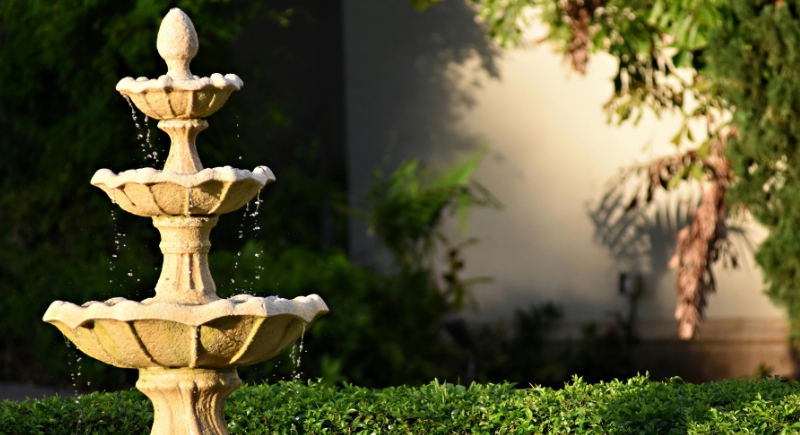
Birds are drawn to sound and movement, especially when it involves water. A recirculating fountain gives them a spot to splash or just enjoy the ambient noise. Still water tends to support bacterial growth quickly, so flowing options are a healthier choice. Make sure the design includes shallow edges, so smaller species can wade safely without the risk of slipping.
Grow Herbs They Can Shred, Taste, or Hide Under
Credit: Canva
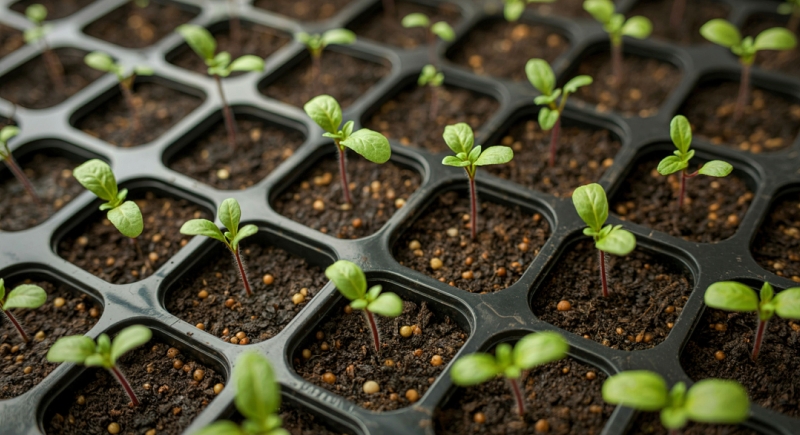
Fresh herbs aren’t just for cooking. Basil, dill, mint, and parsley grow quickly and offer distinct scents and flavors. Birds often chew leaves out of curiosity or use them to build comfortable nests. Hanging them in lightweight planters keeps them clean and reachable. Bonus: they provide dappled shade and reduce visual overstimulation in open enclosures.
Stack Zones Vertically to Encourage Movement
Credit: pexels
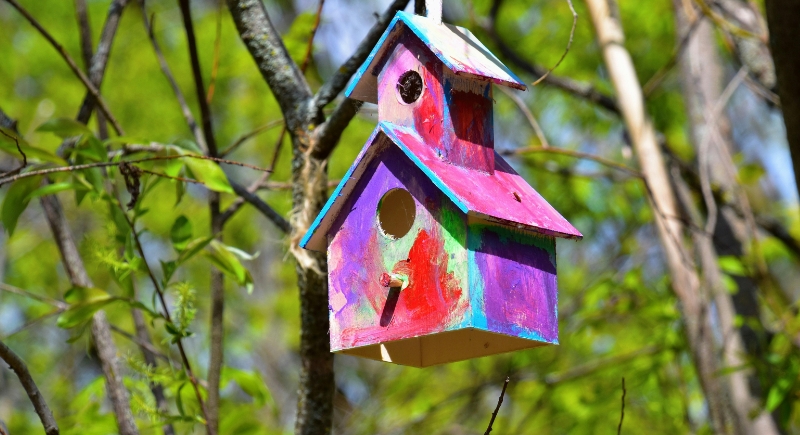
One of the easiest ways to expand a bird’s world is by thinking in layers. Use the full height of the enclosure—ground features, mid-level feeders, and high perches. This setup supports natural behaviors like climbing and gliding. It also prevents crowding if you’re housing more than one bird.
Keep Part of the Ground Cool and Forage-Friendly
Credit: Canva
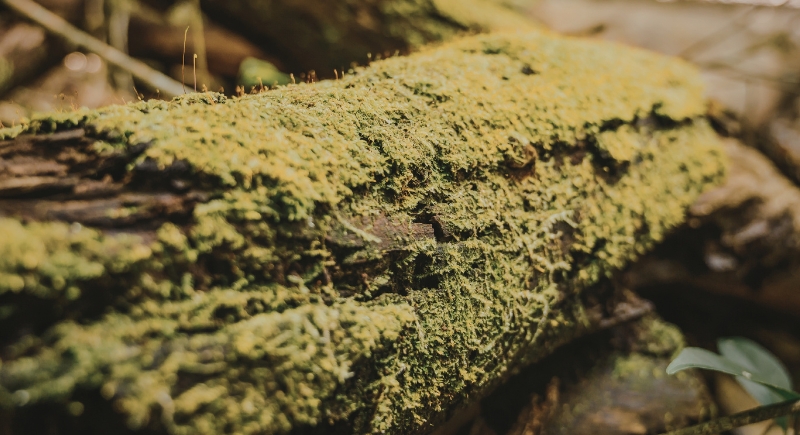
Floor features matter just as much as what’s above. Birds like to explore logs, mulch, or any place they can peck and scratch safely. Avoid plain dirt, which can harbor parasites. Instead, lay down bark or untreated wood slabs that stay cool and mimic natural forest floors.
Let Native Plants Surround the Enclosure
Credit: Canva
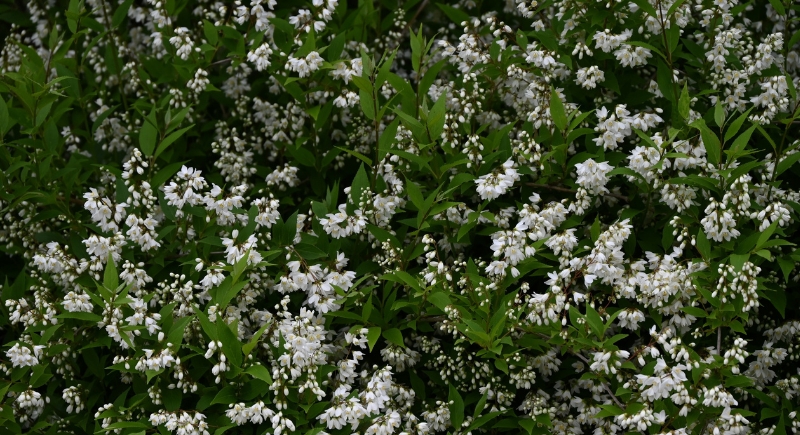
Native shrubs support local insect life, which becomes visual enrichment for your bird. Species like red mulberry or coral honeysuckle bring butterflies and bees into view. Even if your bird isn’t hunting them, the movement keeps them engaged. Native plants are also easier to care for and better suited to your regional weather conditions.
Leave Seed Heads on Coneflowers and Sunflowers
Credit: Wikimedia Commons
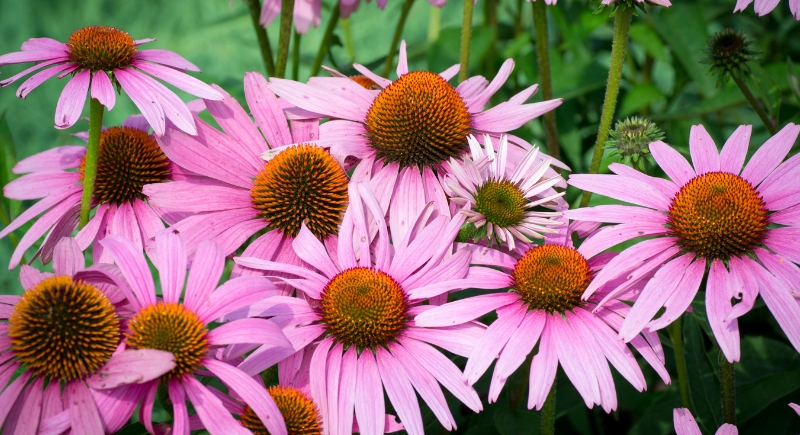
Trimming flowering plants too soon removes one of birds’ favorite things—seed heads. Letting coneflowers and swamp sunflowers fully dry out means the heads remain intact and interesting. Goldfinches in the wild love these. Your pet bird may not eat the seeds directly, but they’ll likely watch visiting wildlife closely.
Add Hanging Elements That Move With the Wind
Credit: Getty Images
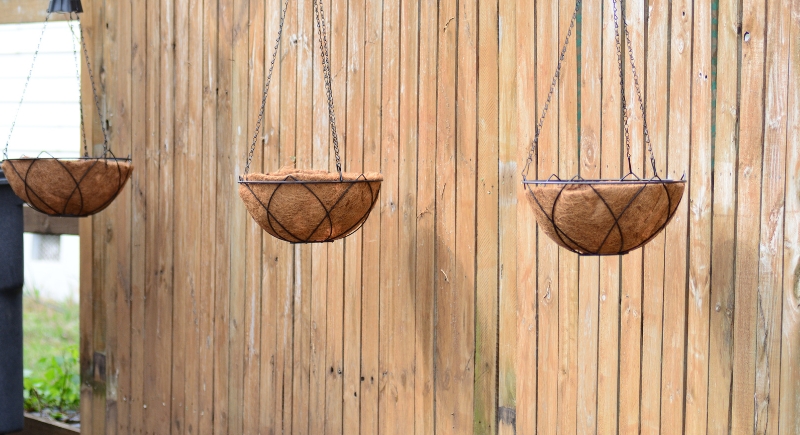
Hang lightweight pieces of wood, paper, or fabric from the upper enclosure frame. When they move with a breeze, they catch the bird’s eye and spark interest. Items should be safe to chew but not small enough to swallow. Switching them out every couple of weeks keeps boredom low.
Build in Partial Shade With Vines or Cloth
Credit: Getty Images
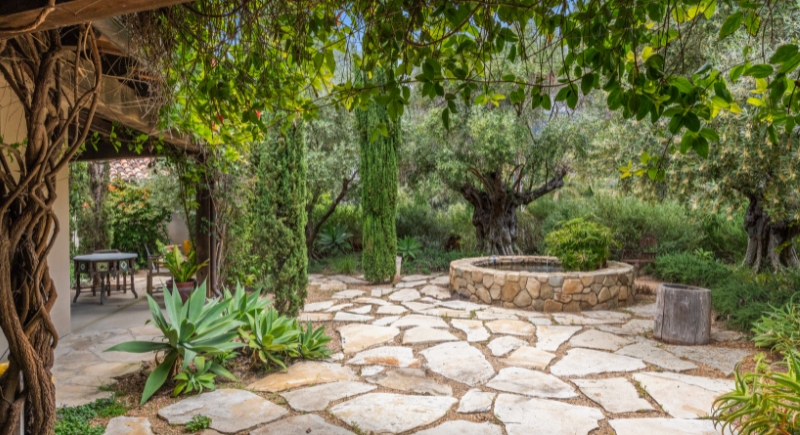
Direct sunlight for hours on end can leave birds overheated and stressed. Try planting fast-growing vines along one side of the frame or stretching bird-safe cloth overhead. Full coverage isn’t needed—just enough to let them choose when to sit in the sun or shade. Variety in lighting helps birds feel more in control.
Skip Sprays, Even the Natural Ones
Credit: Canva
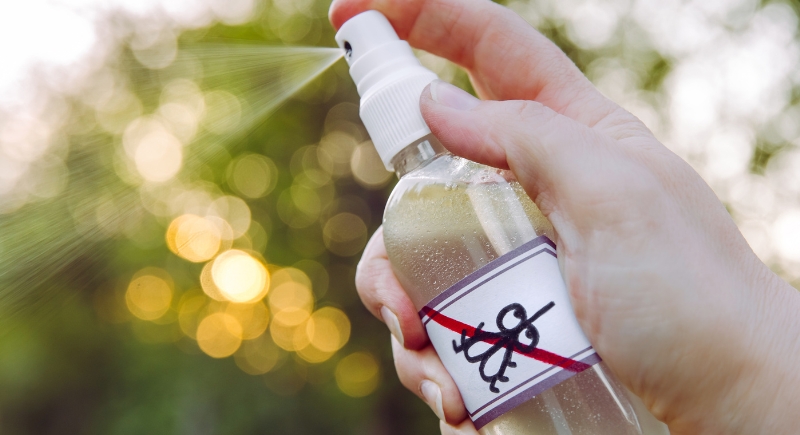
An organic bug spray might seem safe, but many essential oils and compounds used in garden products can harm birds. Their respiratory systems are extremely sensitive, and even mild ingredients can cause problems. Keep treatments away from their enclosure and rely on physical pest control methods, such as traps or netting.