10 Must-Have Items for Your Pet First Aid Kit (and How to Use Them)
When your pet gets hurt, it is easy to panic and lose focus. Having a first-aid kit ready makes a real difference in that moment. Instead of scrambling for supplies, you already know where everything is and what to do next.
A well-prepared kit helps you respond quickly to cuts, discomfort, or sudden health issues. More importantly, understanding how each item works gives you the confidence to act calmly and take care of your pet until you can get proper veterinary help.
Emergency Contact Card

Credit: Getty Images
You should never depend on your memory to recall important numbers in the middle of a stressful situation. Instead, place a written card with your veterinarian, emergency clinic, and poison helpline clearly listed. Add details about your furry companion and place copies in your wallet and near entry points. This small step enables faster communication when the clock is ticking.
Bandage Supplies
Credit: Canva
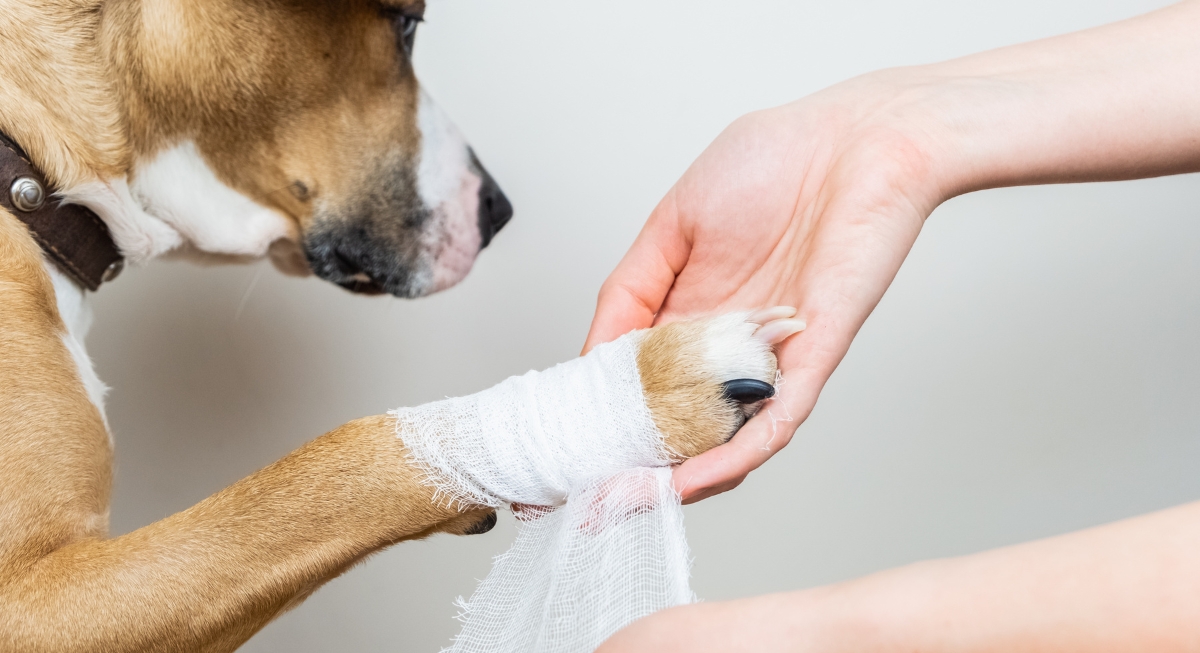
Injuries often require prompt coverage to prevent contamination and further harm. In such cases, gauze, tape, self-adhering wrap, scissors, gloves, and tweezers should be kept together in one place. Cover the wounds with these to provide light support until you reach a veterinarian. Wrap firmly without restricting circulation, since tight pressure can create additional problems.
Antimicrobial Wound Care
Credit: Getty Images
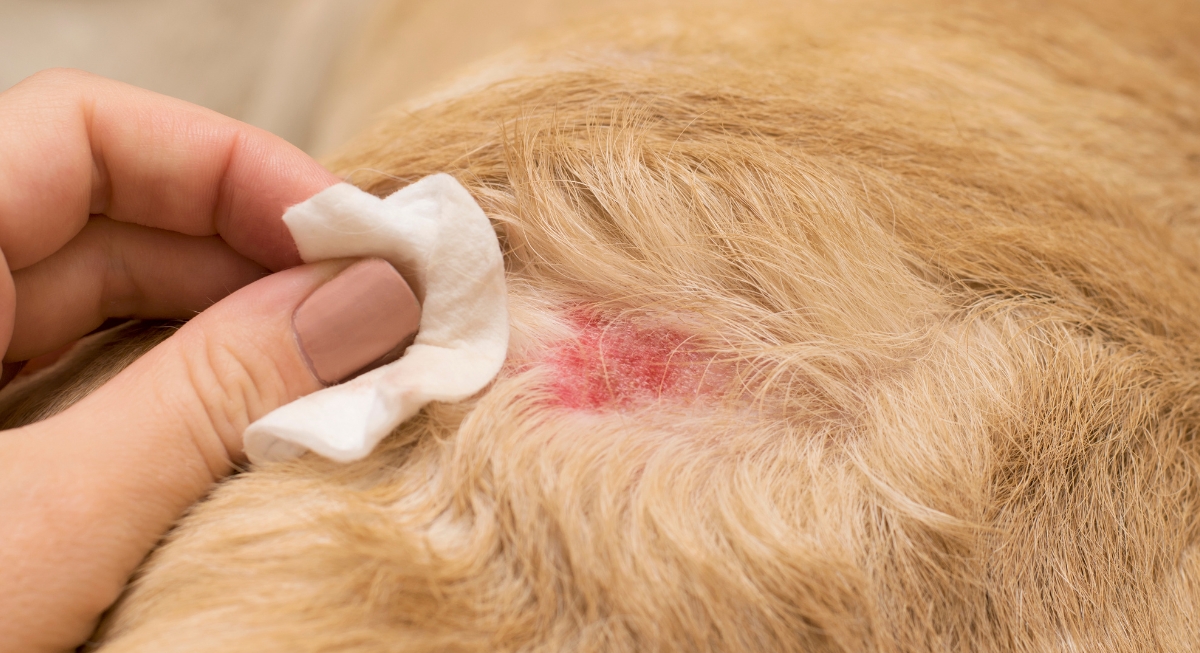
Failing to provide proper wound care can allow bacteria to settle into the injury, increasing the risk of infection and slowing recovery. Even minor wounds can become more serious without early cleaning. That is why pet-safe antimicrobial wipes or sprays can be handy for removing debris before bandaging.
Digital Thermometer
Credit: Getty Images
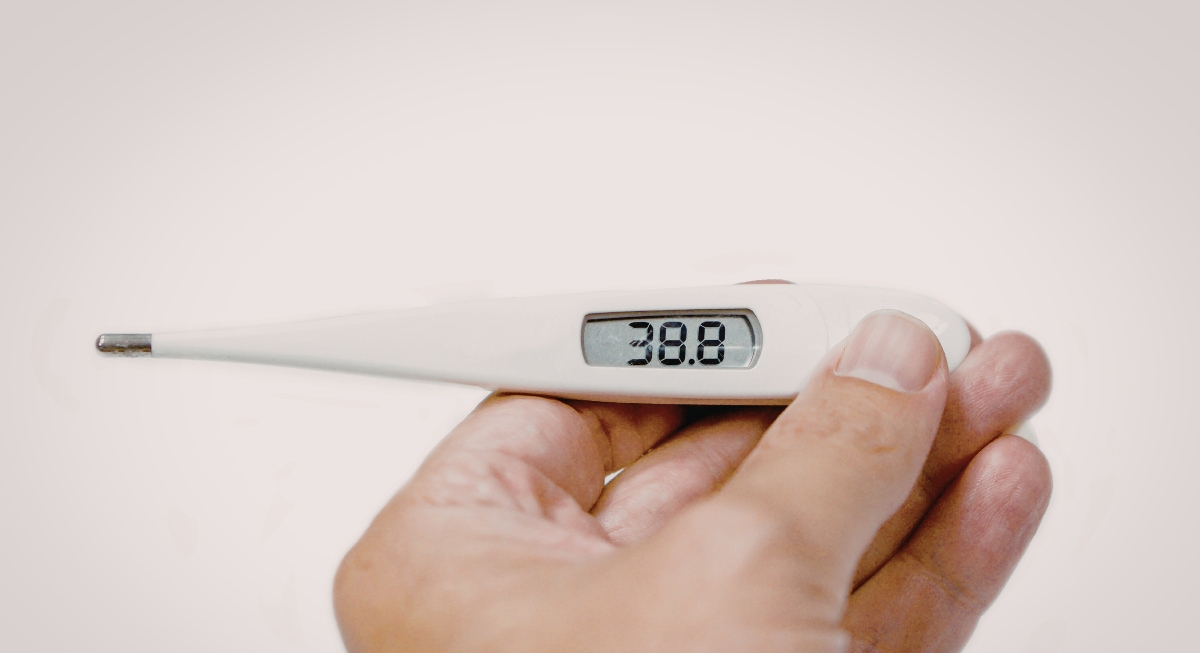
A digital thermometer is one of the most useful tools in your pet’s first-aid kit. It helps you quickly check if something is off, especially when your pet seems unwell. A temperature that runs too high or too low can point to infection, shock, or other serious issues.
Eye Wash and Lubrication
Credit: Getty Images
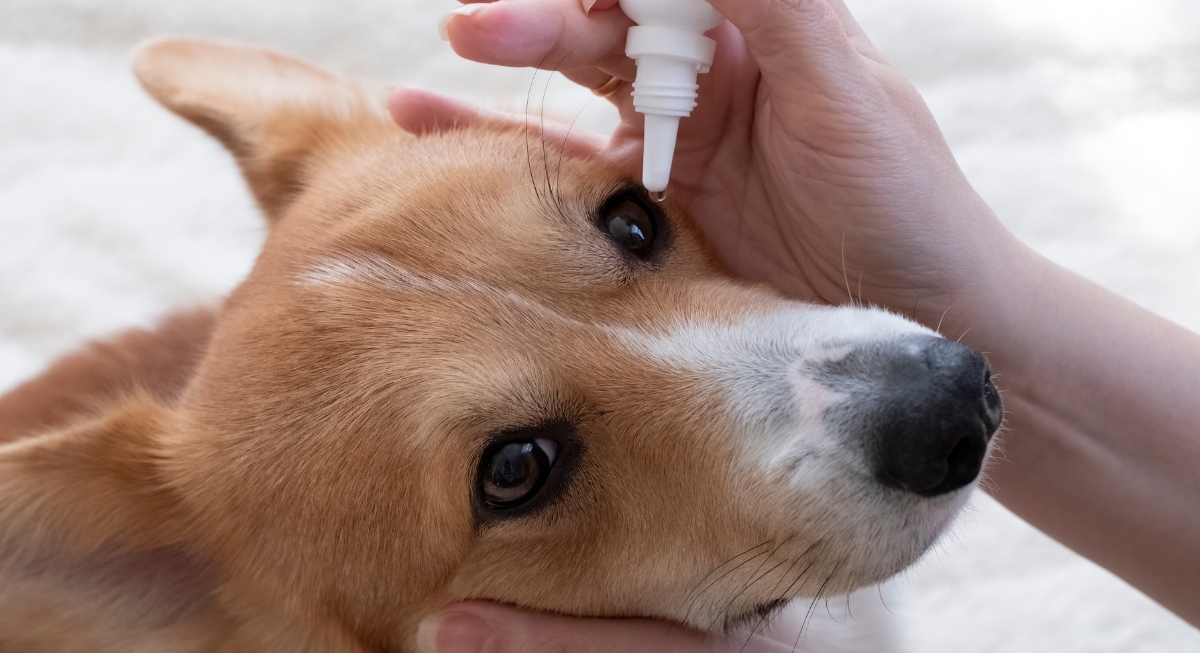
Eye problems can get worse quickly. What starts as mild redness can turn into infection, scratches, or ulcers that affect vision if left untreated. An eye rinse helps flush out dust or debris that can cause irritation. After cleaning, a lubricating gel keeps the eye moist and protects its surface from further damage.
Nail Trimmers and Styptic Powder
Credit: Canva
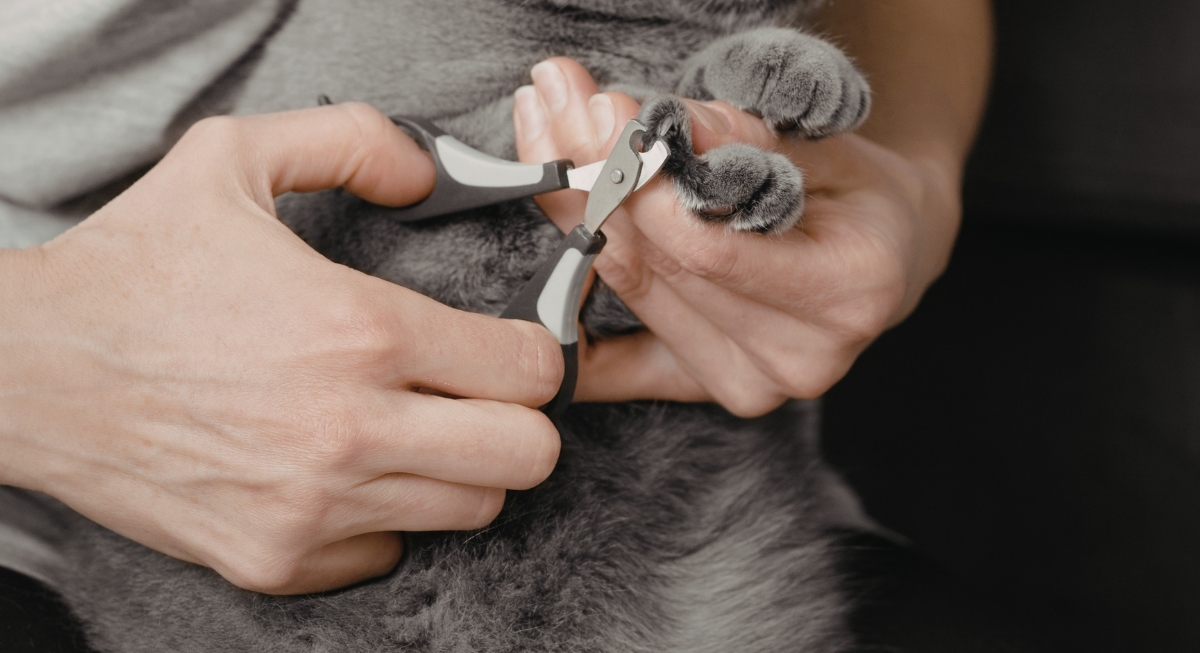
Start by gently trimming the damaged or hanging portion of the nail with clippers so it does not catch on surfaces. If bleeding occurs, apply styptic powder directly to the nail with light pressure until it slows or stops. Broken nails tend to bleed and can cause visible distress in pets. Many styptic powders contain ingredients that help stop bleeding and stabilize the injured nail.
Needleless Syringe
Credit: Getty Images
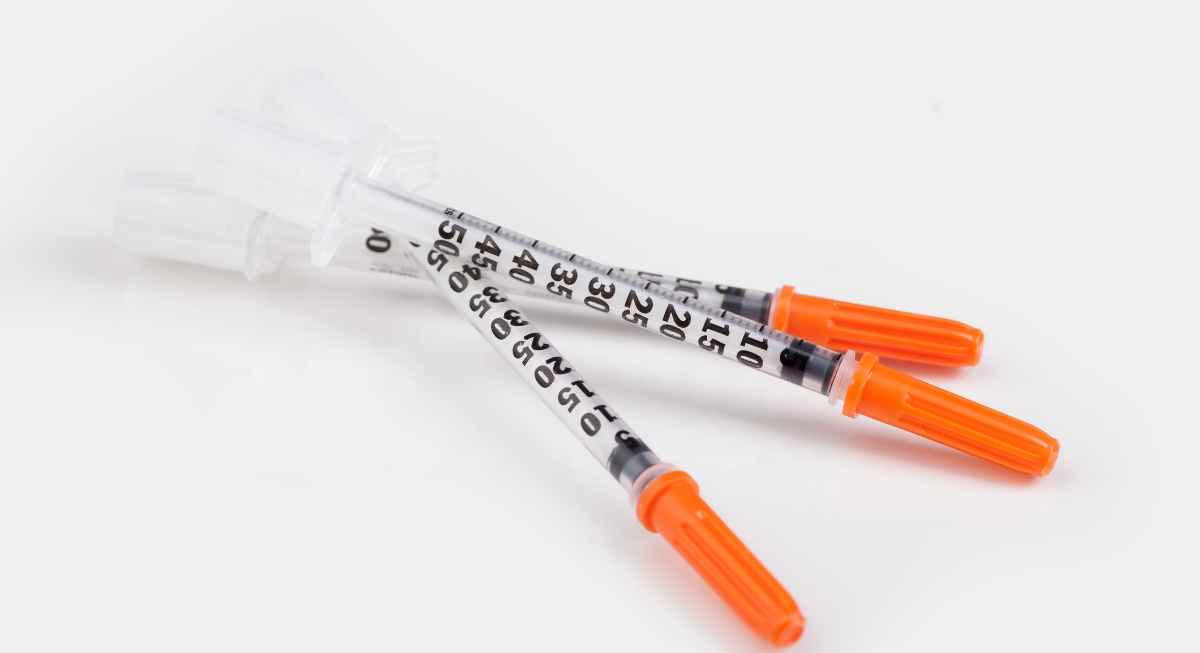
Accurate delivery of fluids or medication becomes easier with a simple tool like a needless syringe. Use it to give oral fluids to a dehydrated companion or administer prescribed liquid medicine. It also works well for gently rinsing wounds when cleaning. Ensure it is sealed until needed to maintain cleanliness.
Probiotics
Credit: Canva
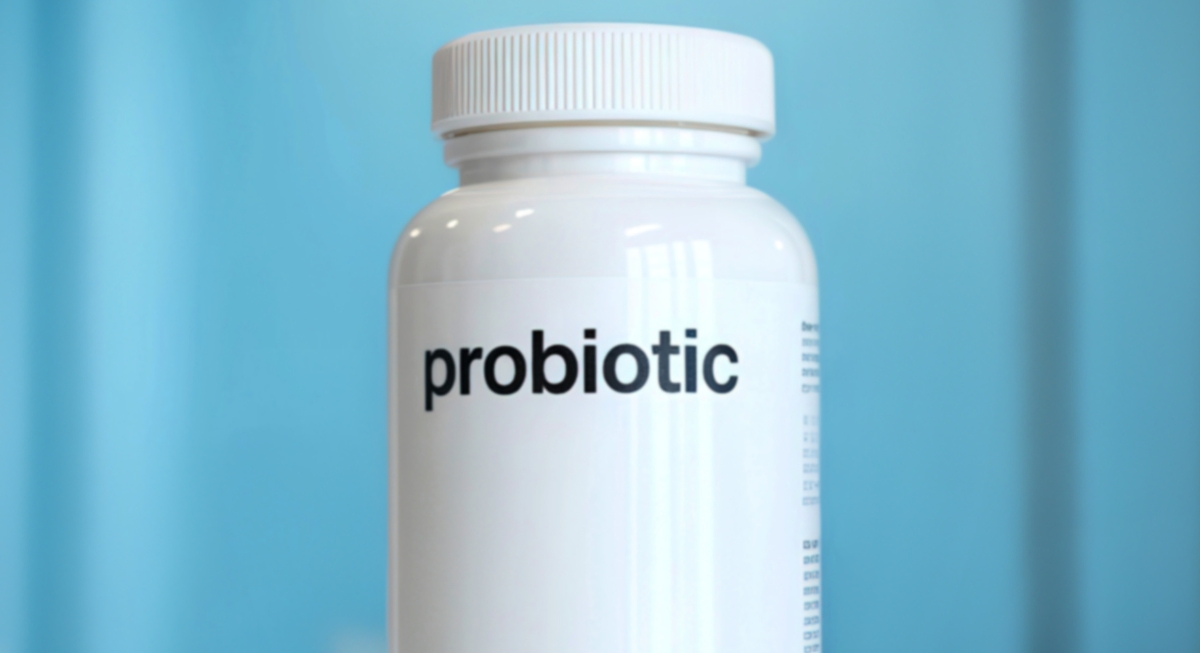
Digestive issues rank among the most common reasons for sudden discomfort in pets. For this reason, you need probiotics to support gut balance during mild cases of vomiting or diarrhoea. Veterinarians frequently recommend them to restore normal digestion after minor disruptions. Keep them available, but always confirm use with your veterinarian first.
Transport Aids
Credit: pexels
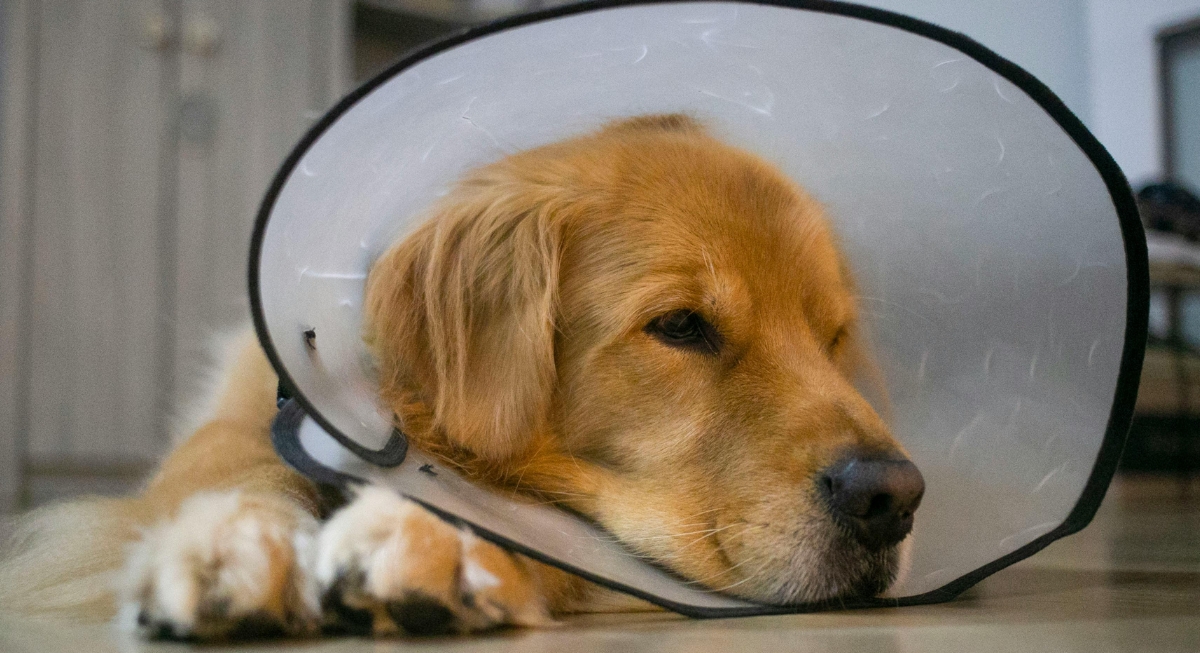
One of the primary reasons your first aid box should include transport aids, such as a recovery cone, towel, and slip lead, is to help you move your furry pal safely during an emergency. A recovery cone prevents licking and creates distance if your animal reacts defensively, while you can wrap smaller animals securely in a towel for better control.
Clean-Up Supplies and Comfort Items
Credit: Canva
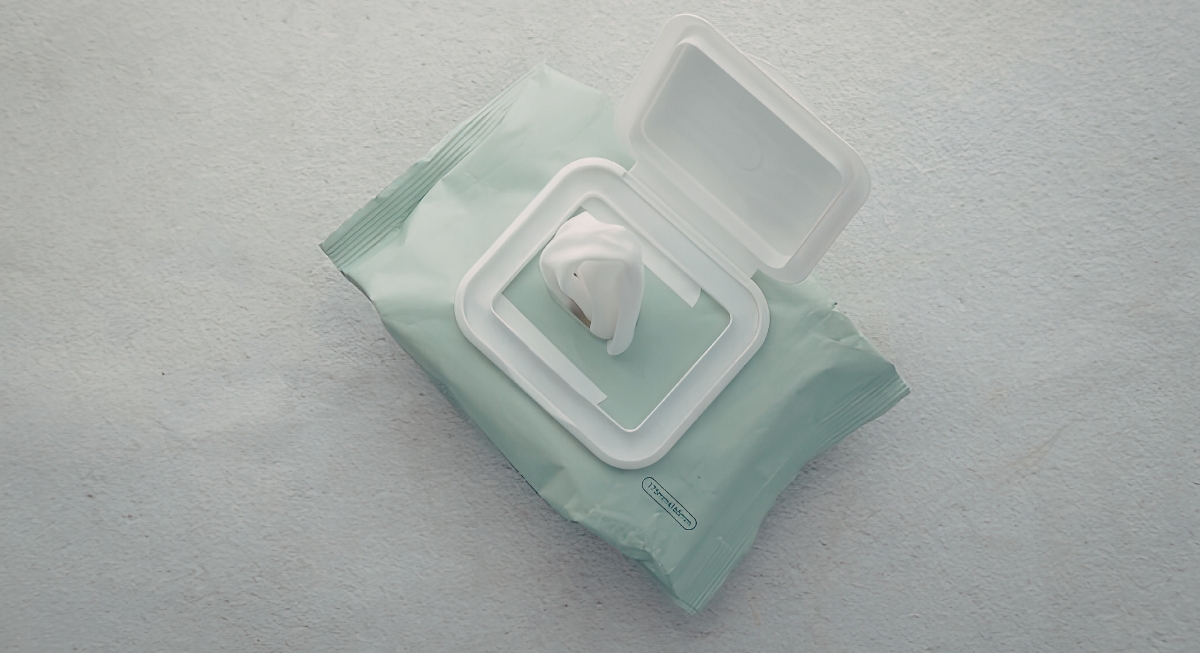
Wipes and cleaning towels in emergencies help manage blood, urine, or other messes. You can also add a collapsible bowl, water, and treats to your first aid box to make recovery easier for your four-legged friend. This combination maintains cleanliness and provides reassurance throughout a difficult time.