10 Pet First-Aid Skills Every Owner Should Know Before Their First Emergency
A dog can be fine one minute and then suddenly start limping or acting strange the next. In that moment, it is easy to feel unsure about what to do first. Having a few basic first-aid skills in mind helps you respond with a bit more confidence rather than just panic. A first-aid kit matters, but knowing how to actually use it matters more. These are the simple things vets often wish every pet owner already knew before something goes wrong.
Learn What “Normal” Looks Like

Credit: pexels
Healthy pets have regular breathing patterns and body temperatures that owners rarely notice until something goes wrong. A relaxed dog usually breathes between 10 and 30 times per minute. Cats often hide illness longer than dogs do, which makes small changes more important. Knowing normal behavior creates a useful baseline during emergencies and routine vet visits alike.
Stop Bleeding Without Panicking

Credit: pexels
A cut paw can look worse than it is, especially when blood starts showing up on the floor with every step. The first thing to do is keep steady pressure on the area using a clean towel or gauze. In many cases, that alone will slow the bleeding within a few minutes. Pets can get restless or scared in the moment, so holding them gently but firmly helps you stay in control while they settle.
Keep A Pet Still After An Injury
Credit: pexels
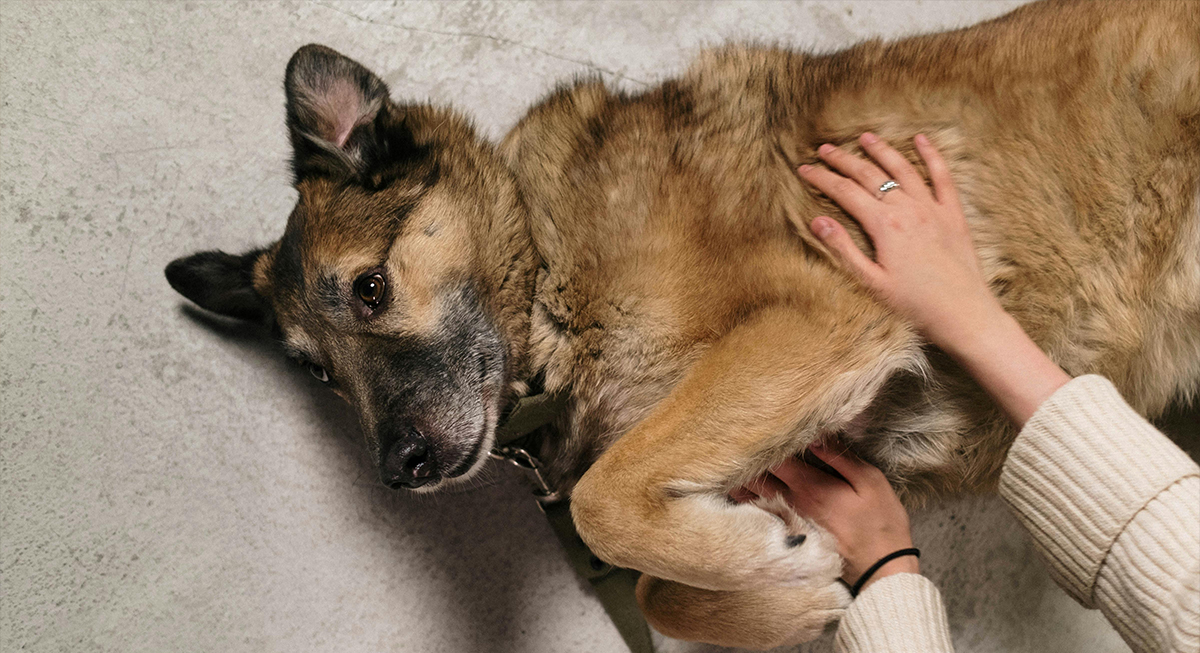
After an injury, pets often still try to move as if nothing is wrong. Cats may hide, and dogs may keep walking on a hurt leg. That movement can make injuries worse, especially fractures or back issues. A towel can help safely lift smaller pets. Larger dogs usually need two people for support.
Know How To Handle Heatstroke Quickly

Credit: pexels
Heatstroke can progress rapidly in pets because dogs and cats do not sweat the way humans do. Heavy panting, bright red gums, drooling, or stumbling are early warning signs. Owners should move the animal into shade immediately and use cool water on the paws and belly. Ice baths are discouraged because sudden temperature changes can increase stress.
Practice Safe Carrier Training Early

Credit: pexels
Cats remember bad carrier experiences for a long time. Many owners accidentally teach fear by bringing the carrier out only before vet appointments. Animal behavior studies have shown that gradual positive carrier training lowers stress during transportation. Leaving the carrier open at home with blankets or treats inside changes how cats view it.
Build A First-Aid Kit That Actually Helps

Credit: pexels
Pet first-aid kits often end up stuffed with random supplies that never get used. Gauze, adhesive tape, saline solution, blunt scissors, tweezers, towels, and disposable gloves cover most situations. A flashlight comes in handy more often than expected during nighttime emergencies. Veterinarians also recommend keeping printed emergency phone numbers nearby.
Understand When Choking Is An Emergency

Credit: pexels
Everyday items like socks, chicken bones, hair ties, and small toys often end up causing trouble. The hard part is that choking does not always look obvious. Many owners mistake it for normal coughing. A choking pet may paw at their mouth, struggle to breathe, or gag in a panicked way without making much sound. Blind attempts to remove the object can push it further down.
Use A Muzzle The Right Way
Credit: Wikimedia Commons
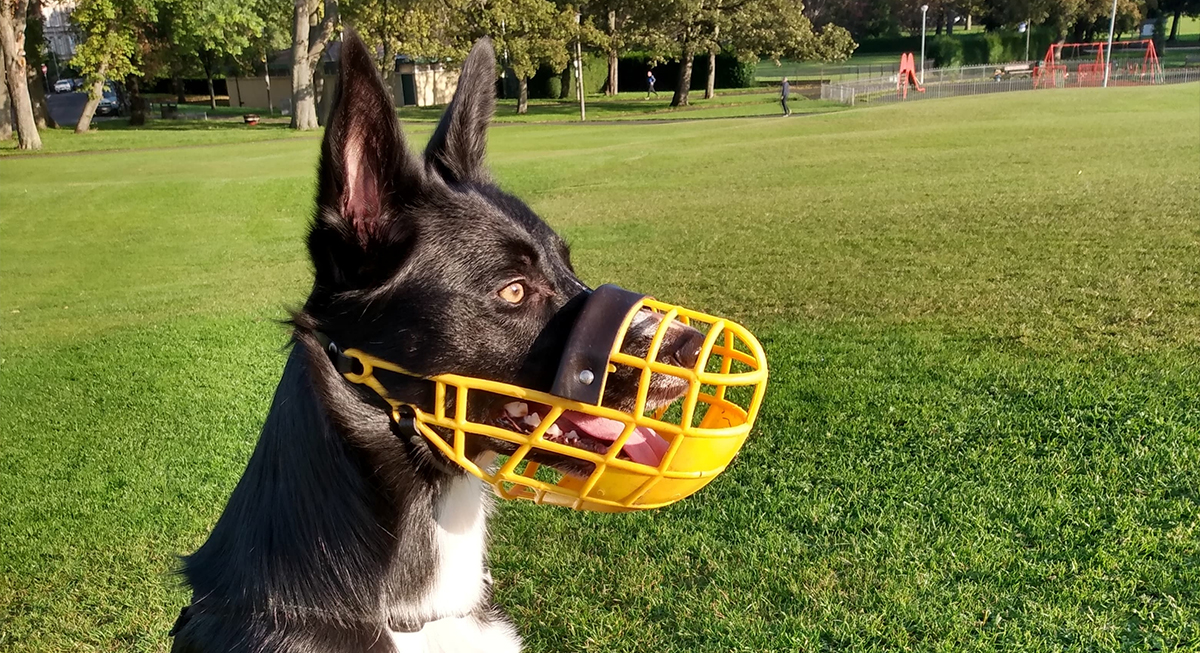
Even gentle pets may bite during pain or fear. Veterinary workers see this every day with animals that normally enjoy attention and belly rubs. A temporary muzzle protects both the owner and the injured pet during treatment or transport. Soft fabric muzzles work for short periods on dogs, though they should never stay on overheating animals.
Know Pet CPR Basics Before You Need Them
Credit: Wikimedia Commons
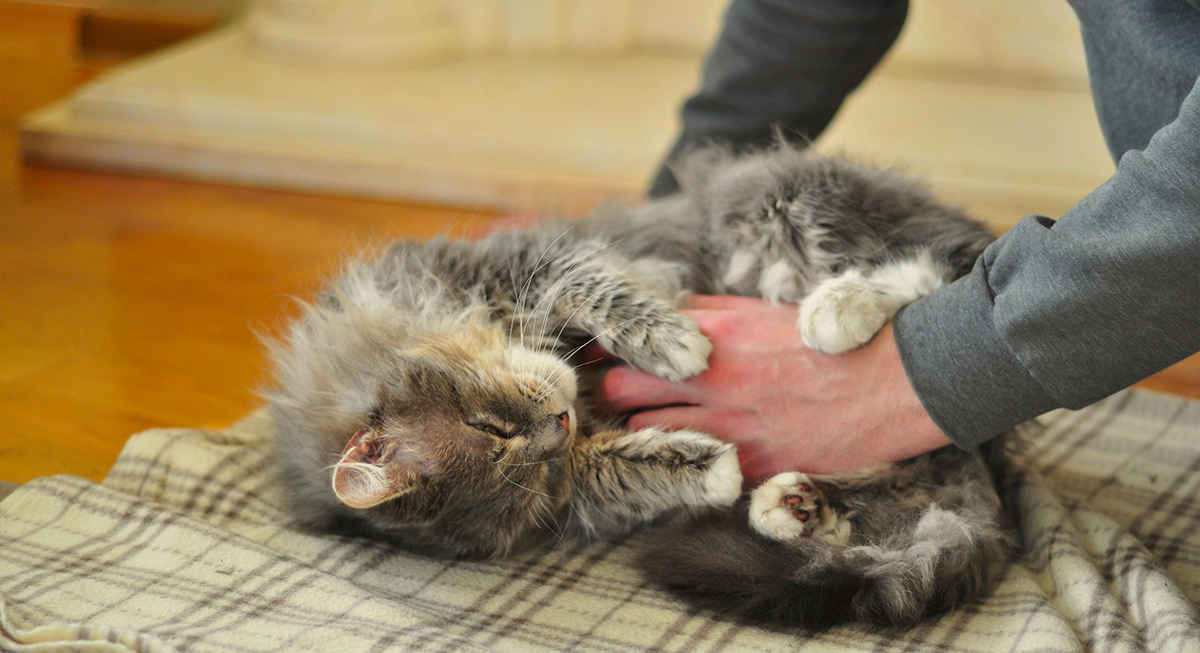
Pet CPR classes have become more common through veterinary clinics and organizations like the American Red Cross. The basics resemble human CPR, but hand placement changes depending on the pet’s size and body shape. Chest compressions should begin only if breathing and pulse are absent. Even a short CPR course gives people more confidence.
Pay Attention To Small Behavior Changes

Credit: pexels
Animals rarely show pain in obvious ways, which is why even small shifts in behavior matter more than most owners realize. A dog that suddenly starts hiding under the table or a cat that stops grooming may already be unwell. Small changes in behavior often appear before any clear physical symptoms. Birds and reptiles can be even harder to read since they naturally hide signs of weakness.