Vet Shares Top 10 Signs Your Pet Is Secretly Making the Rules
Pets change household rules without ever calling a meeting. One day, the dog is banned from the bed, and a month later, a carefully negotiated sleeping arrangement is in place that somehow favors paws over pillows. A veterinarian recently broke down the everyday clues that indicate when pets are subtly influencing routines, schedules, and decisions. It is modern pet life, backed by data and shaped by affection.
They Take Over the Bed
Credit: pexels
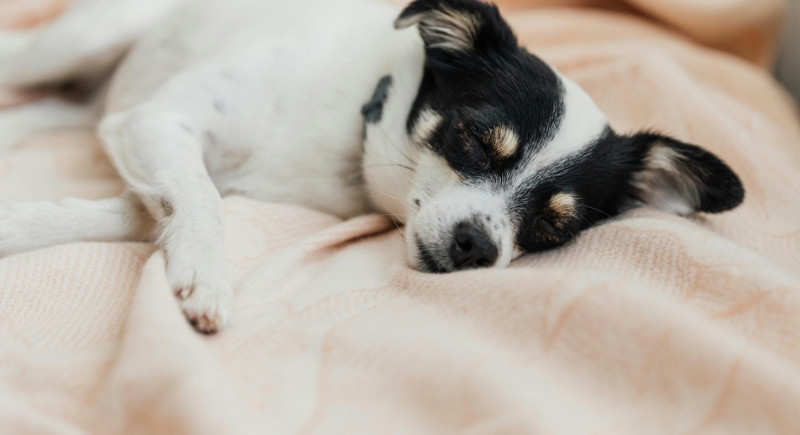
Sharing a bed with a pet has become a common practice in American households. The American Academy of Sleep Medicine reports that nearly 46% of Americans sleep with their pets. Younger adults are more likely to allow pets into their bedrooms than older generations. Dogs and cats seek warmth and security at night, which leads them to sprawl close to their owners. Humans tend to adjust their sleep positions rather than enforce boundaries because emotional comfort outweighs minor discomfort.
Errands Revolve Around Pet Access
Credit: pexels
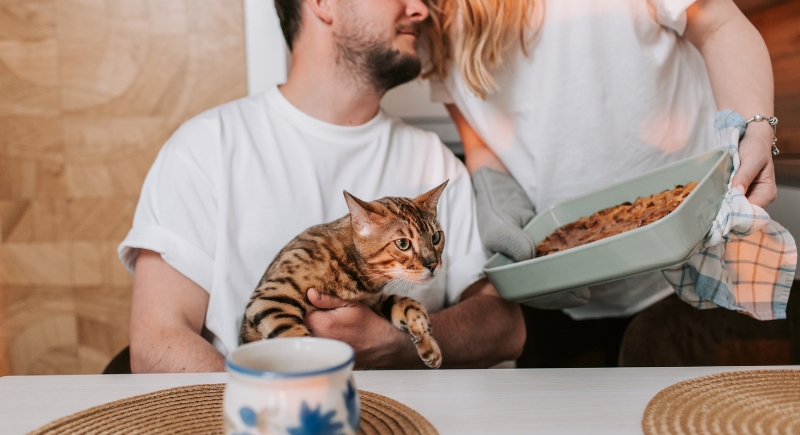
Shopping and dining plans often depend on whether pets are allowed. Pets prefer proximity to their owners, which encourages people to choose pet-friendly spaces. Restaurants with dog-friendly patios see repeat visits from owners who prioritize companionship over convenience.
Meals Become a Production

Credit: Getty Images
Pets often learn that refusing plain food leads to tastier options. Owners respond by adding canned toppers or small portions of human food. Many pets maintain a healthy weight despite these habits, which reinforces the behavior. Social media videos frequently highlight picky eaters.
Hand Feeding Becomes the Norm
Credit: Getty Images
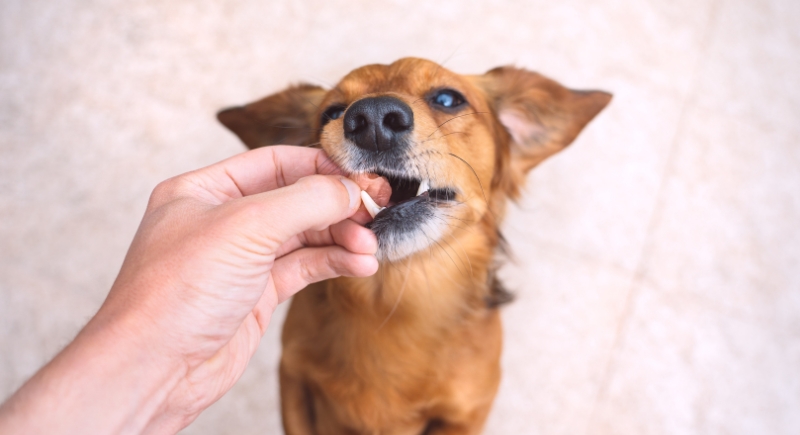
Some pets stop using bowls altogether. Hand-feeding can slow down fast eaters and support obedience training. Experts recommend moderation because constant hand-feeding can reinforce dependence. The practice often starts as a solution and turns into a routine through repetition.
Vacations Get Rewritten
Credit: Getty Images
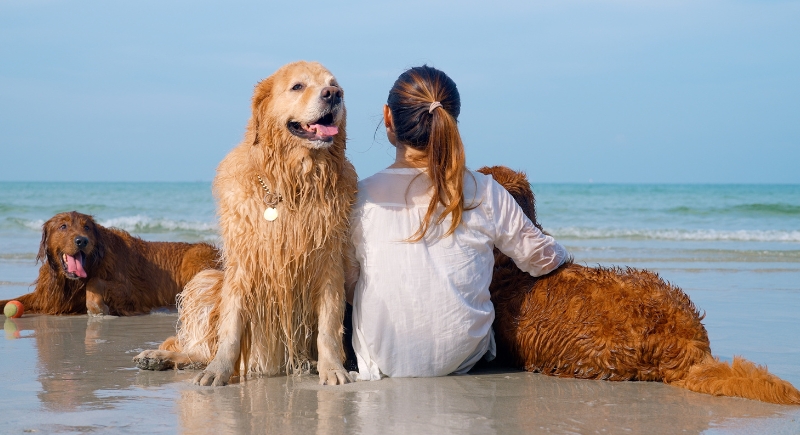
Travel patterns change dramatically after acquiring a pet, and many U.S. pet owners report traveling less once they have an animal. Some even plan trips around pet-friendly lodging. Owners frequently choose driving destinations over flights to avoid separation.
Training Rules Soften Over Time
Credit: pexels
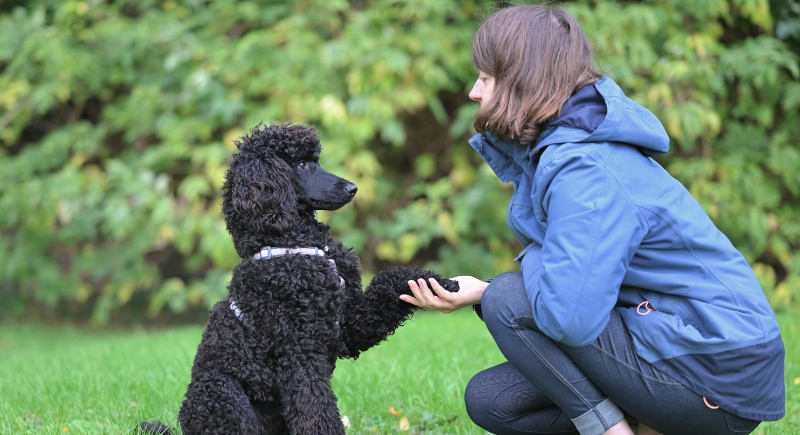
House rules often relax as pets age. Owners who once enforced strict boundaries allow more freedom after observing calm behavior. The consistency shifts because trust has already been built through familiarity.
Pets Shape Daily Schedules
Credit: Getty Images
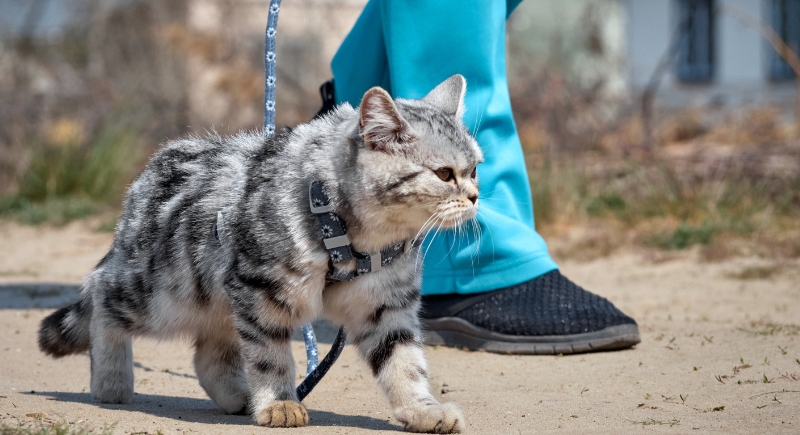
Morning alarms often align with feeding times or walks. Pets develop expectations based on repetition. Owners adjust sleep and work routines to maintain calm behavior. Predictability benefits animals by reducing stress responses.
Guilt Drives Decision Making
Credit: pexels
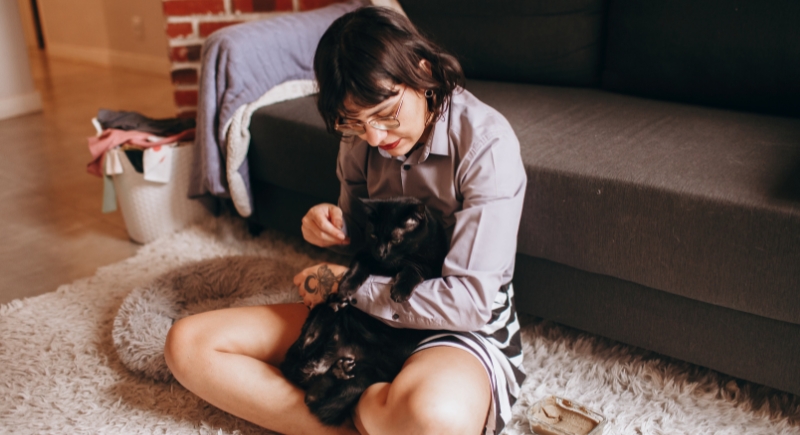
Owners frequently alter plans due to concern about separation anxiety. Dogs show stress behaviors when routines change. Avoiding distress becomes a motivating factor in daily choices. The emotional feedback reinforces pet-centered decisions.
Dominance Theory Falls Apart
Credit: pexels
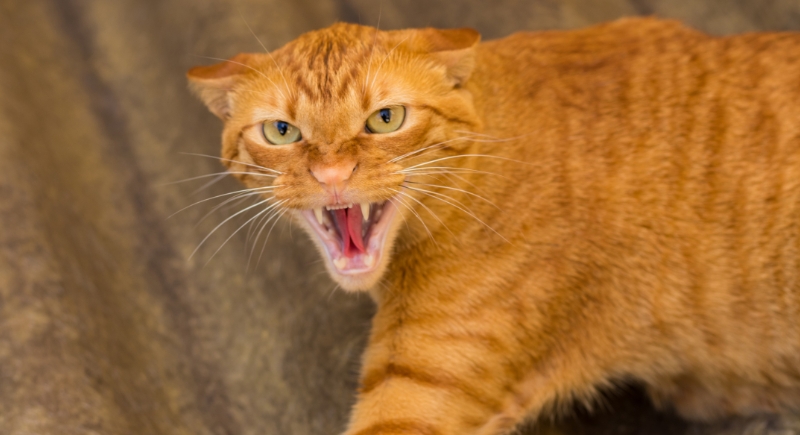
Dominance-based explanations for pet behavior lack scientific support. Behavior is influenced by genetics, learning history, fear, and the environment. Attempts to assert control can increase anxiety. Modern training emphasizes cooperation over hierarchy.
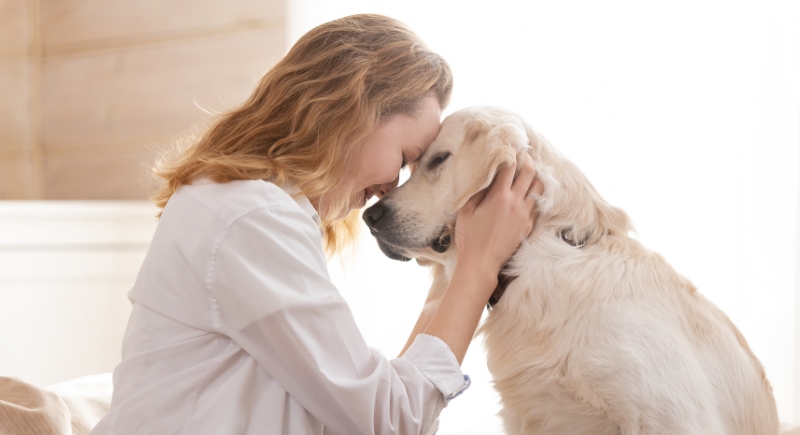
Affection Becomes the Rulebook
Credit: Getty Images
Pets influence households through attachment. Owners respond to companionship with flexibility. These patterns reflect cultural shifts toward viewing pets as family members. It results in a shared routine shaped by comfort and connection.