10 Houseplants That Are Completely Safe for Cats and Dogs
Living with pets can make plant shopping feel oddly high-stakes. A leafy purchase that looks harmless at the garden center can turn into an expensive vet visit at home. The good news is that many houseplants are safe for both cats and dogs. These picks bring color, texture, and a little personality indoors without the worry that comes with every curious paw or surprise nibble.
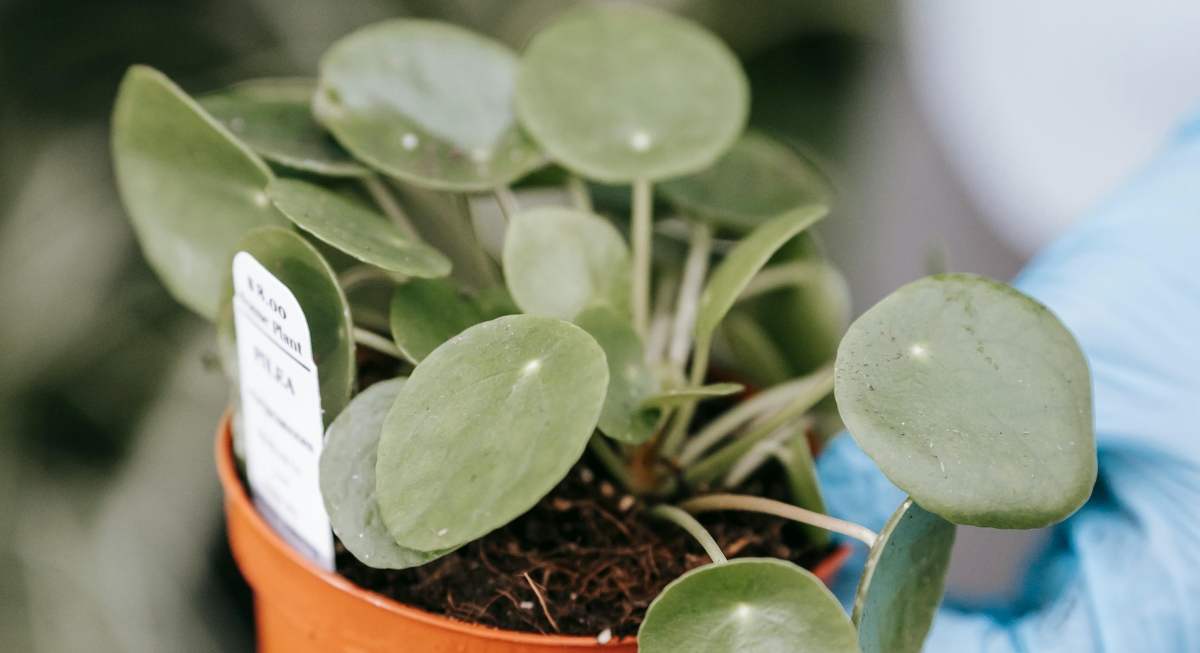
Chinese Money Plant
Credit: pexels
Round leaves give the Chinese money plant a neat, graphic look that works almost anywhere. It is also one of the easier pet-safe options to keep alive. This plant likes bright, indirect light and does best when the soil dries a bit between waterings. Its beginner-friendly nature makes it a smart pick for busy households with animals.
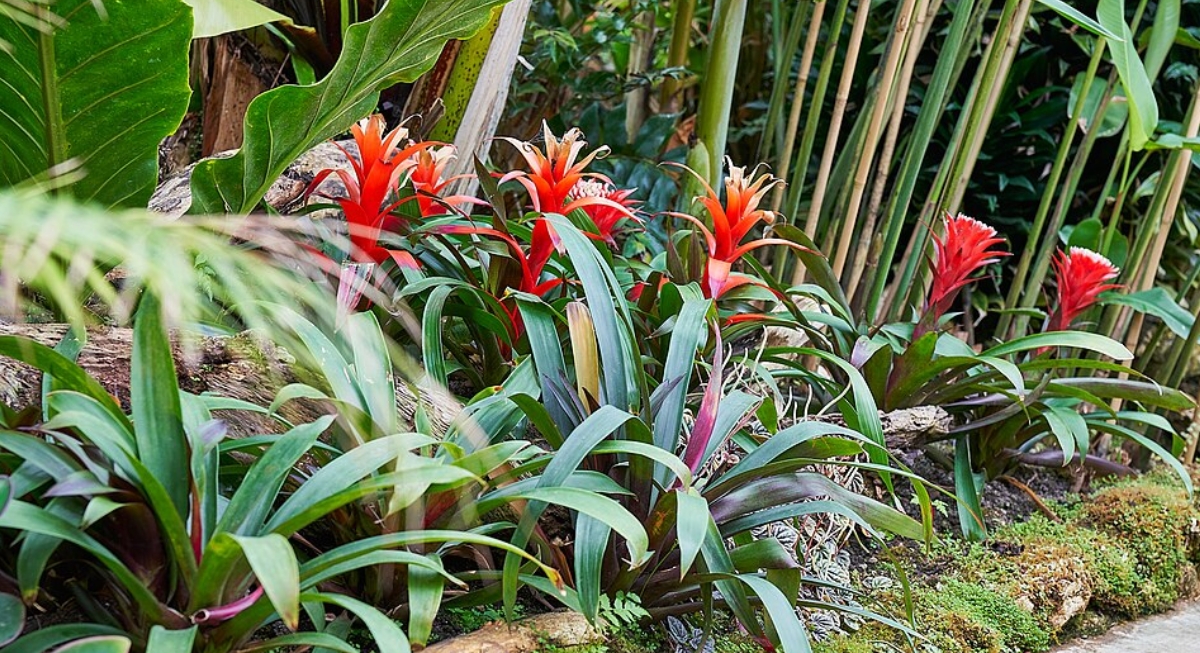
Bromeliad
Credit: Wikimedia Commons
A bromeliad grows from a central rosette that holds water in its cup, so it is usually watered from the middle rather than the soil. The colorful bloom can last for weeks, and after it fades, the plant starts producing small offshoots, or “pups,” that you can repot later. It does best in bright, indirect light with a loose mix that drains quickly, often something closer to bark than regular soil.
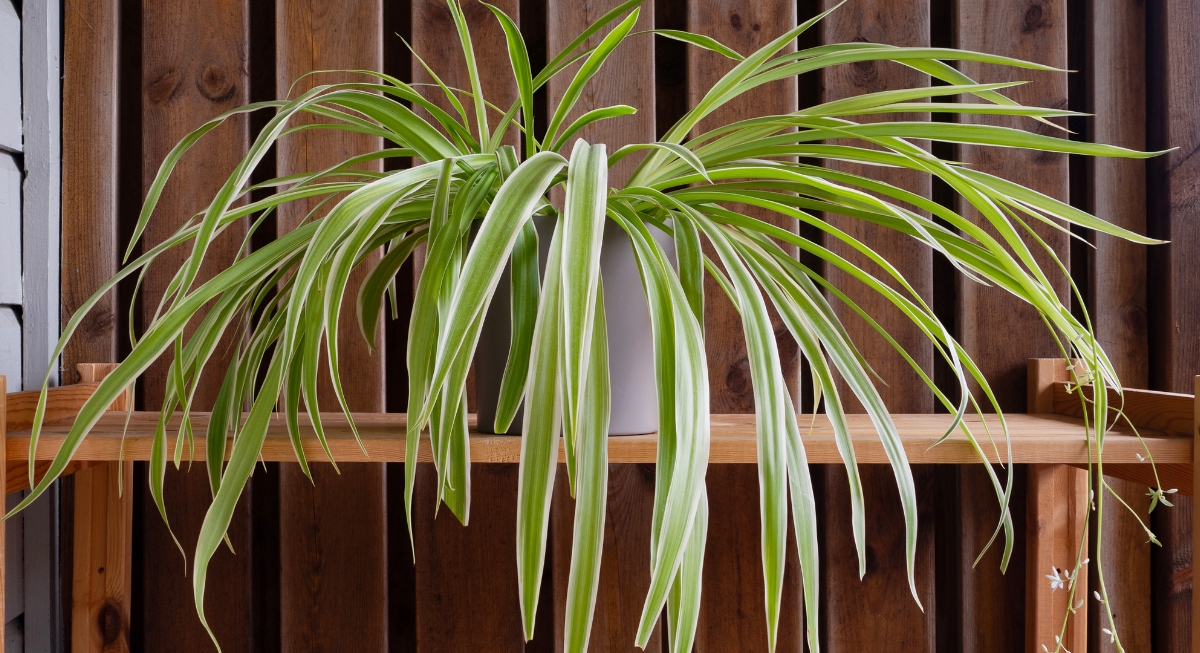
Spider Plant
Credit: Wikimedia Commons
Spider plants have earned their reputation for being forgiving. They handle missed waterings better than many indoor plants and keep producing baby offshoots that dangle from the mother plant like little ornaments. Cats and dogs are safe around them, though cats may still find them oddly irresistible.
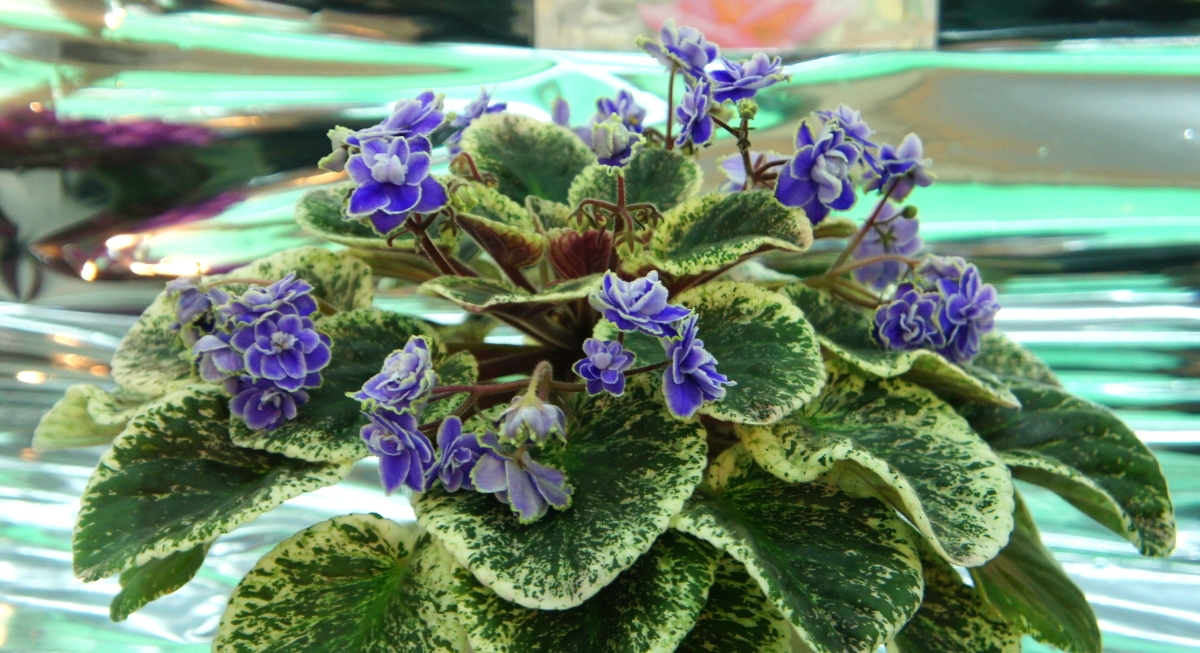
African Violet
Credit: Wikimedia Commons
African violets keep flowering indoors without needing large amounts of direct sunlight. They work well on shelves or windows that get soft, indirect light. The leaves are sensitive to water, so many people use bottom watering to prevent spotting. Consistent warmth and a stable routine make a noticeable difference in how often they bloom.
Areca Palm
Credit: Wikimedia Commons
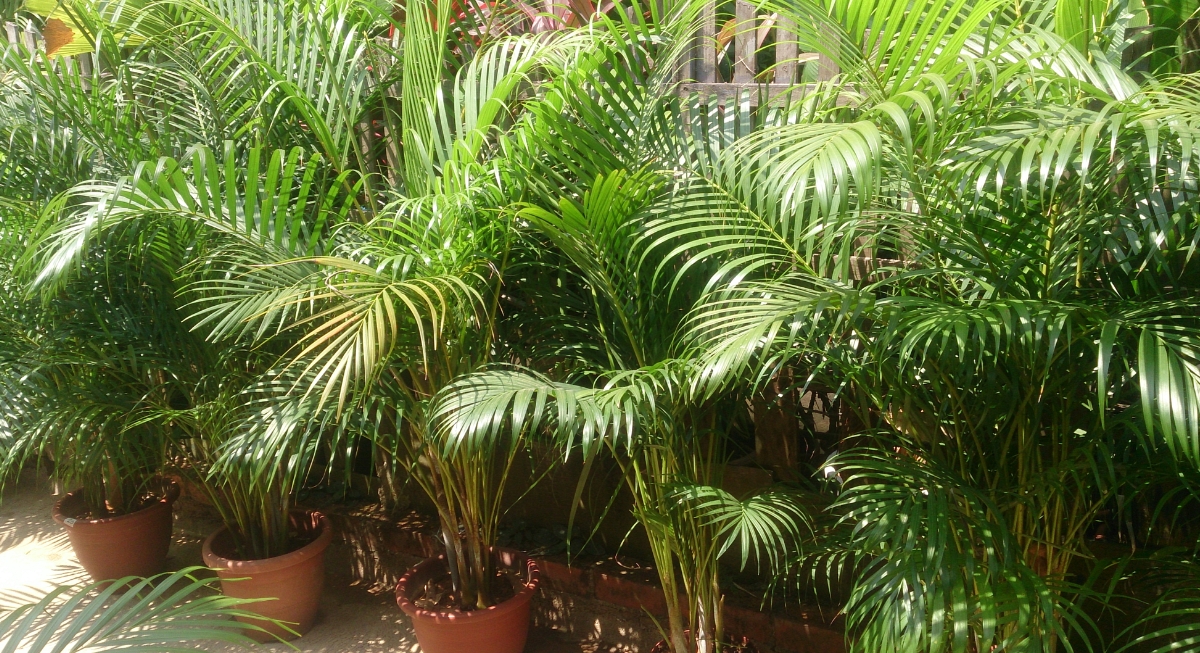
An areca palm adds a lighter look to a room without taking up too much visual space. The long, arching fronds move easily, which often catches a pet’s attention. It handles indoor conditions well as long as it gets bright, indirect light and regular watering. Dry air can cause the tips to brown, so occasional misting or a more humid spot helps keep it looking healthy.
Echeveria
Credit: pexels
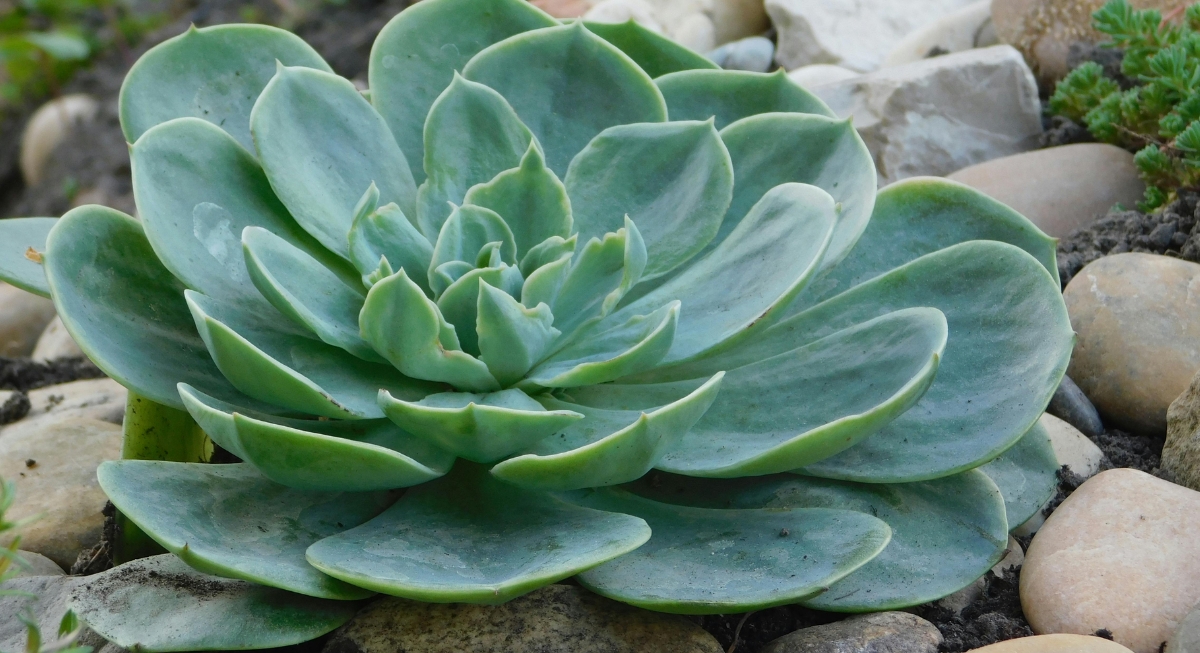
Echeveria is a compact succulent with a neat rosette shape that holds its form over time. The leaves come in muted tones like green, silver, lilac, and blue, which makes it easy to place in different spaces. It is also considered safe to keep around cats and dogs. It stays manageable with minimal care and does best in strong, direct light, so a bright windowsill is ideal.
Moth Orchid
Credit: pexels
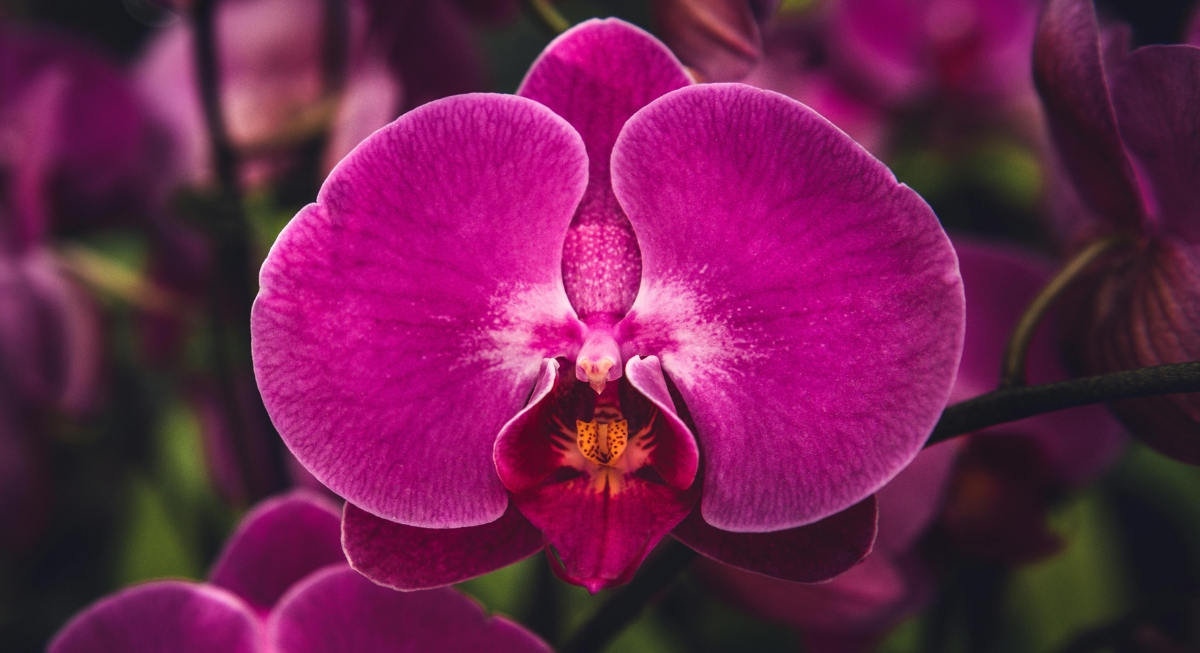
Moth orchids have a reputation for being complicated, yet they are often sturdier than expected. Their blooms can last for weeks, which gives pet owners a flowering plant that does not create extra anxiety around cats and dogs. Indirect light and a loose orchid mix keep them comfortable.
Boston Fern
Credit: pexels
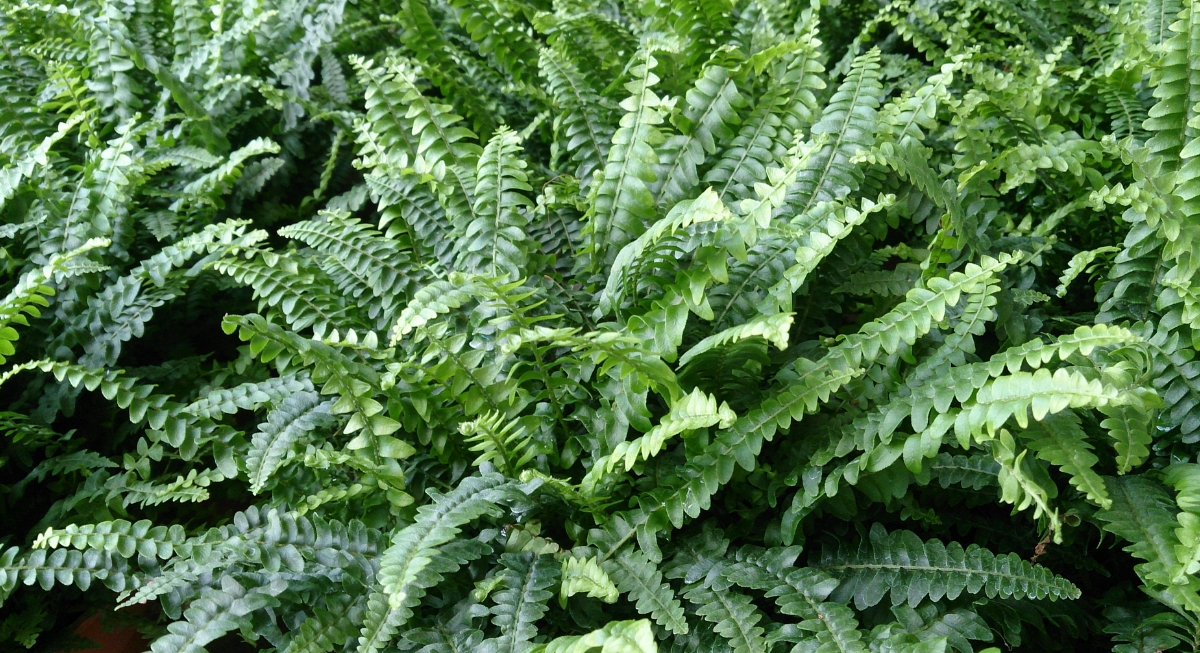
A Boston fern brings fullness to a shelf or hanging basket in a way few plants can match. The fronds arch outward and make the whole plant look generous. It is also a safe choice for homes with dogs and cats. The catch is moisture. Dry air can leave the foliage looking tired fast. Bathrooms often suit it well.
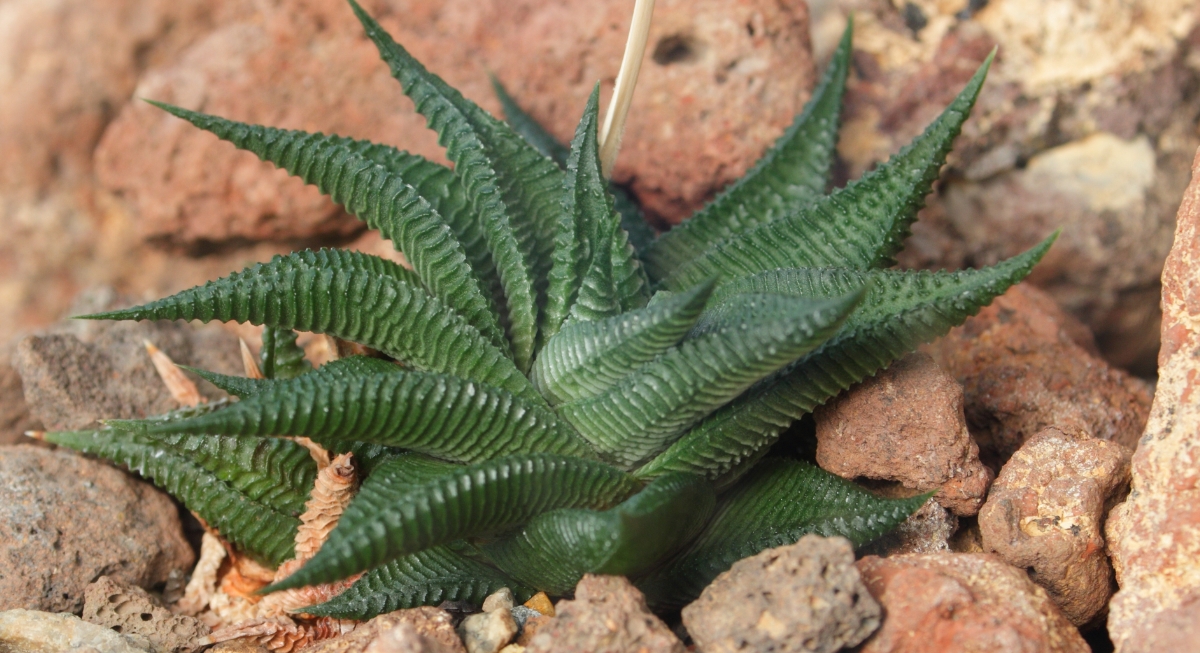
Haworthia
Credit: Wikimedia Commons
Haworthia is a strong choice for anyone who likes the look of aloe but wants a safer option for pets. The pointed leaves often carry bold white stripes, giving the plant a crisp, sculptural look. Cats and dogs are not at risk from it, though the tips can still feel poky during rough play.
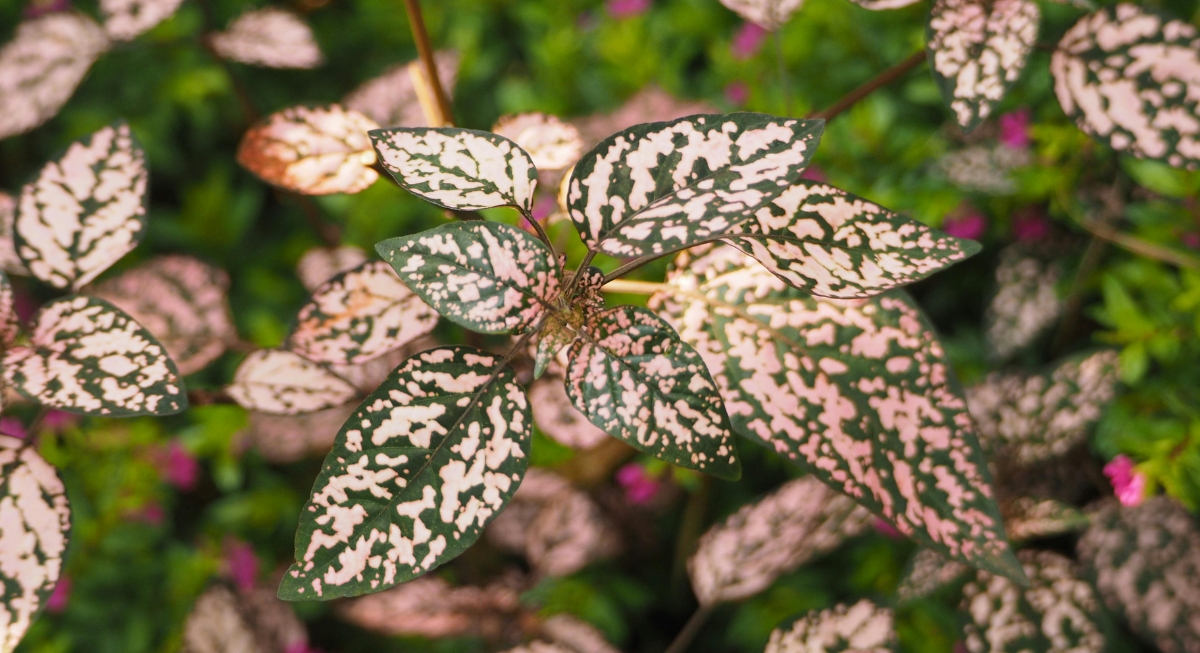
Polka Dot Plant
Credit: pexels
The polka dot plant has small leaves with pink, red, or white markings that stand out right away. It is considered non-toxic for cats and dogs, though eating a large amount can still cause mild stomach upset. Bright, filtered light helps maintain its color, and occasional pinching keeps the growth from getting too leggy.