Pets in Ancient Egypt: How Pharaohs Treated Their Dogs, Cats, and Baboons
In ancient Egypt, animals were not kept at a distance from daily life. People lived with them, named them, and included them in how they understood home and family. Cats and dogs appear everywhere, from wall paintings to inscriptions on collars. Dogs helped with hunting and protection, while cats kept pests away and were closely linked to the goddess Bastet.
One story from the 6th Dynasty shows how strong that bond could be. A dog named Abutiu was given a formal burial by a pharaoh, complete with fine linen, oils, and incense. The inscription does not treat this as ordinary. It reads like a moment of loss and care, similar to how a person might be honored.
Grief for animals was visible and shared. Families marked the death of pets in physical ways, such as shaving their eyebrows for cats or their entire bodies for dogs. Many animals were also mummified and placed in tombs, so they could remain with their owners after death. For Egyptians, that connection did not end with life.
Mummification And The Afterlife Connection
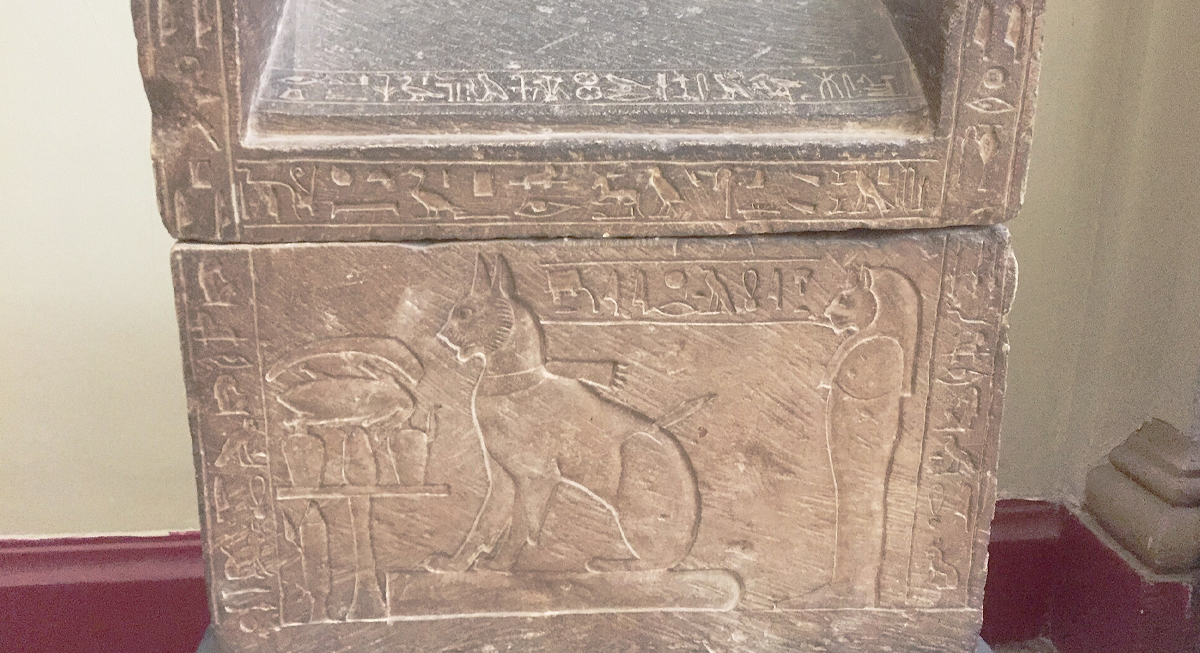
Image via Wikimedia Commons/Merytat3n
Egyptian beliefs about the afterlife shaped how pets were treated in death. Life continued after burial, so companions needed to be preserved. Mummification followed a careful process that included drying the body with natron, treating it with oils, and wrapping it in linen.
Some animals received elaborate treatment. Tamyt, the cat of Prince Thutmose, was placed in a carved limestone sarcophagus. A gazelle belonging to Princess Isetemkheb D during the 21st Dynasty, around 1069 to 943 BCE, was wrapped, adorned with jewelry, and buried in a coffin shaped to match its body.
At sites like Saqqara, archaeologists have uncovered millions of animal mummies, including cats and ibises. Some were offerings tied to religious devotion, while others were clearly beloved companions prepared for reunion in the Field of Reeds.
Status, Power, And Exotic Animals
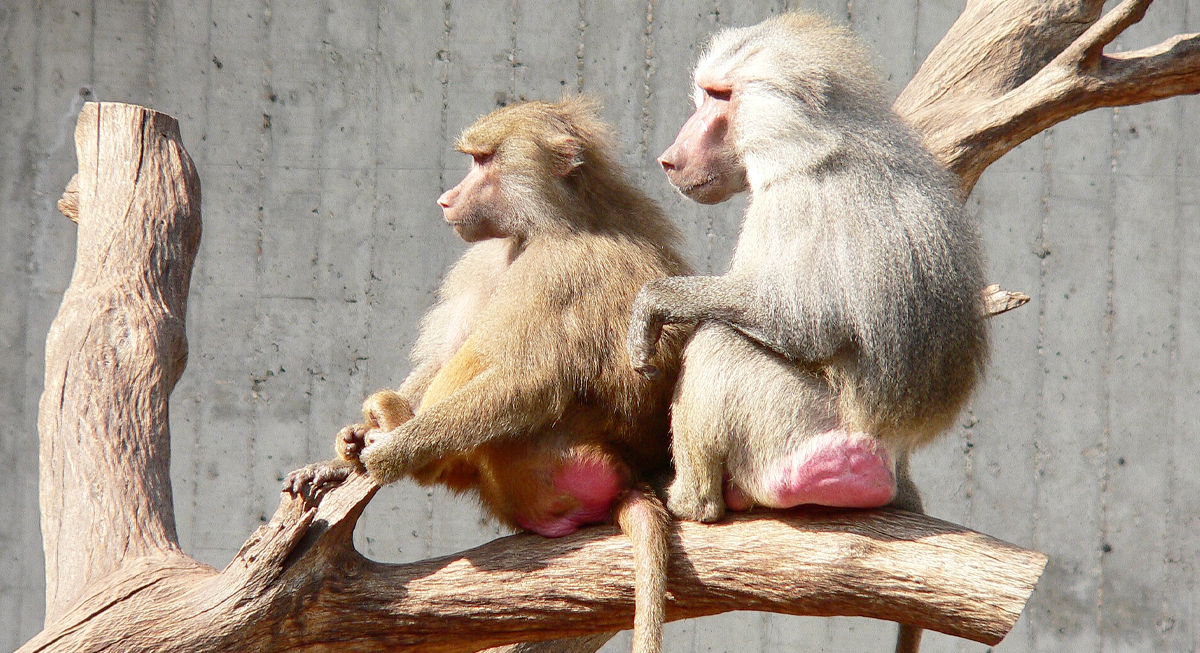
Image via Wikimedia Commons/Manuel González Olaechea y Franco
Keeping animals also carried a social message. Elite Egyptians did not limit themselves to cats and dogs. They kept baboons, monkeys, falcons, gazelles, and even hippos, which signified wealth and control.
Each species had meaning. A falcon represented divine power through its connection to Horus, and a hippo symbolized control over a dangerous force. Lions and other large cats became symbols of kingship and strength, often associated with pharaohs.
Exotic animals required management far more complex than caring for a household pet. Baboons had their tusks removed to reduce risk, and monkeys were trained for tasks and entertainment. One burial involving the priestess Maatkare Mutemhat initially appeared to include a child, but later analysis revealed it was her pet monkey, placed at her feet.
The Reality Behind Captivity
Archaeological evidence adds a different aspect to this story. At Hierakonpolis, a cemetery dating back around 5,000 years revealed skeletons of elite animals with signs of injury. Baboons showed dozens of broken bones, including fractures linked to defensive movements. A hippo calf broke its leg while trying to escape a tether.
More recent research offers another angle. A study examining 36 baboon skeletons dated between 800 and 500 BCE found skeletal deformities associated with rickets. The condition points to a lack of sunlight and poor nutrition, suggesting these animals were kept in enclosed spaces with limited movement.
The contrast shows that animals were mummified with care after death, yet many lived under conditions that led to long-term health problems. Researchers believe caretakers likely struggled with the challenges of keeping non-native species, such as baboons, in captivity rather than acting with deliberate cruelty.