Pets That Actually Live Significantly Longer When You Ignore Most of the Internet’s Popular Advice
There are a lot of pet care guides on the internet, and many of them agree on the basics. Yet some of the longest-living pets on record reached remarkable ages while living quite differently from what many popular guides recommend. A tortoise on a remote Atlantic island has been alive since before the American Civil War, and one goldfish reportedly lived to 43. We look at these long-living animals and what they did right.
Goldfish
Credit: Getty Images
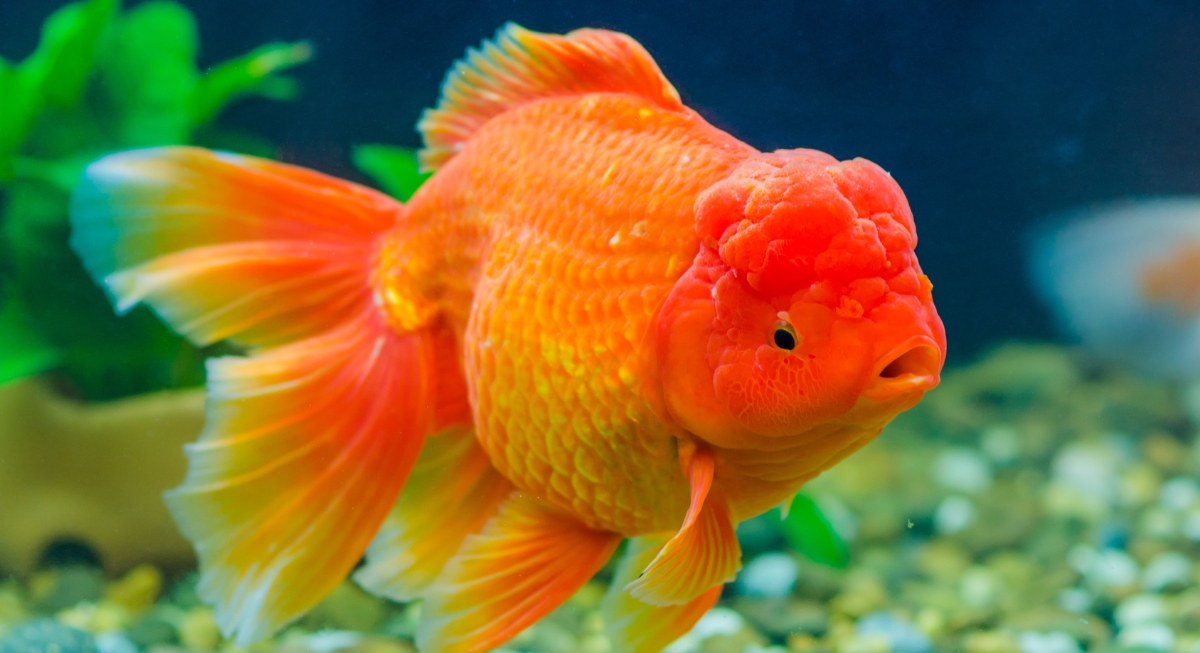
Many goldfish die young due to living in a tiny bowl, poor water quality, and overfeeding. Hardy slim-bodied varieties like the common goldfish, when kept in well-maintained outdoor ponds, can live 20 to 40 years. Fancy varieties with rounded bodies rarely approach those numbers. The Guinness-verified record stands at 43 years. The Hands, who owned that fish, partly attributed his long life to a healthy diet and a peaceful environment.
Chinchilla
Credit: pexels
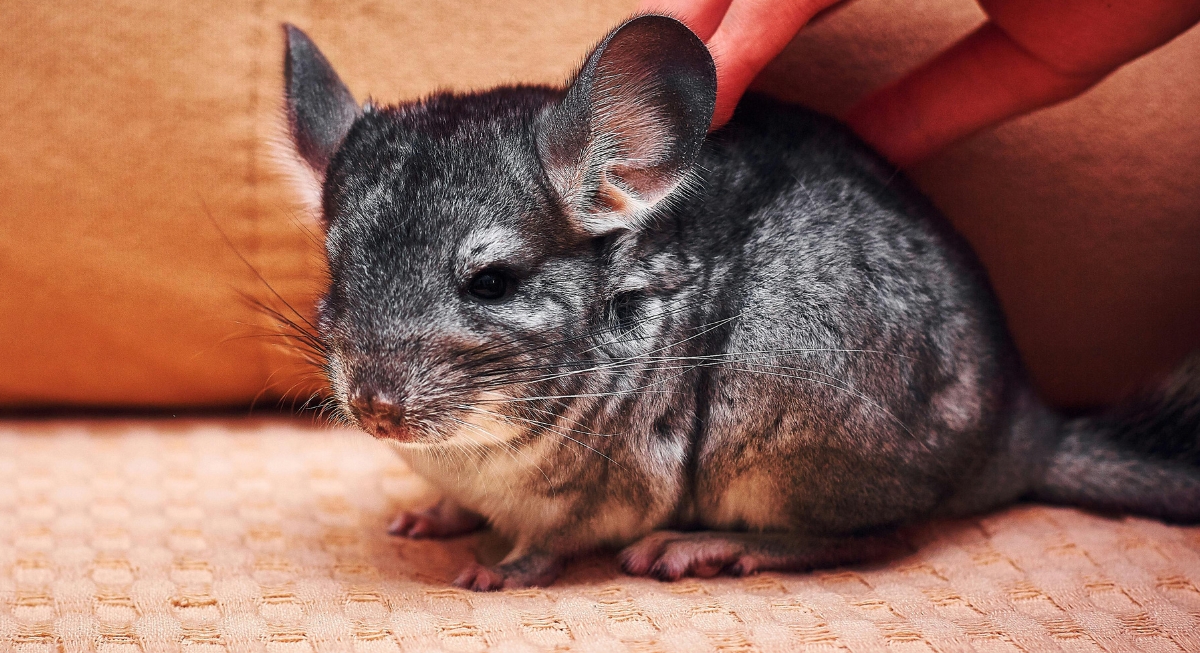
In the wild, chinchillas live about 6 years. In captivity, anywhere from 10 to 15 is reasonable. The Guinness World Record is 29 years and 229 days, nearly five times the wild average. Chinchillas need temperatures between 50 and 70 degrees Fahrenheit, a high-fiber, hay-based diet, and regular dust baths. Get those basics right, and the lifespan numbers could shift significantly.
Ball Python
Credit: Canva
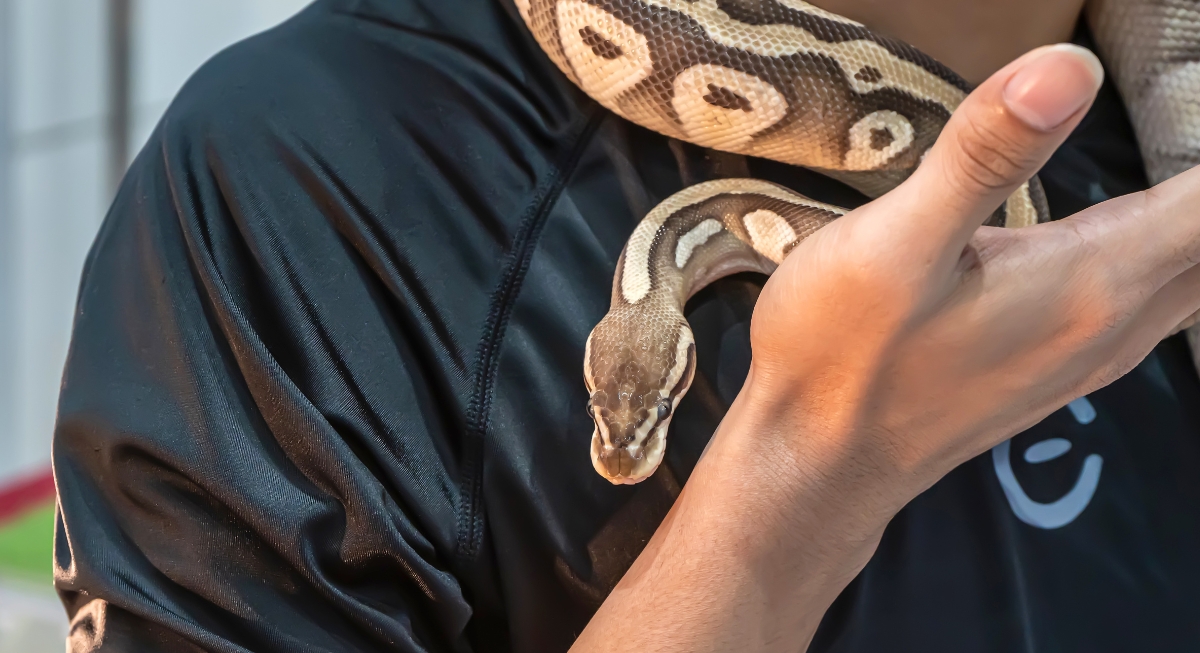
Wild ball pythons face predators and diseases that can reduce their lifespan. In captivity, the average lifespan is 20 to 30 years, though one male at the Philadelphia Zoo lived past 47. Common mistakes include overfeeding, incorrect temperature gradients, and enclosures that are too small for the animal. Fix those, and a ball python can become a lifelong reptile companion.
Box Turtle
Credit: Getty Images
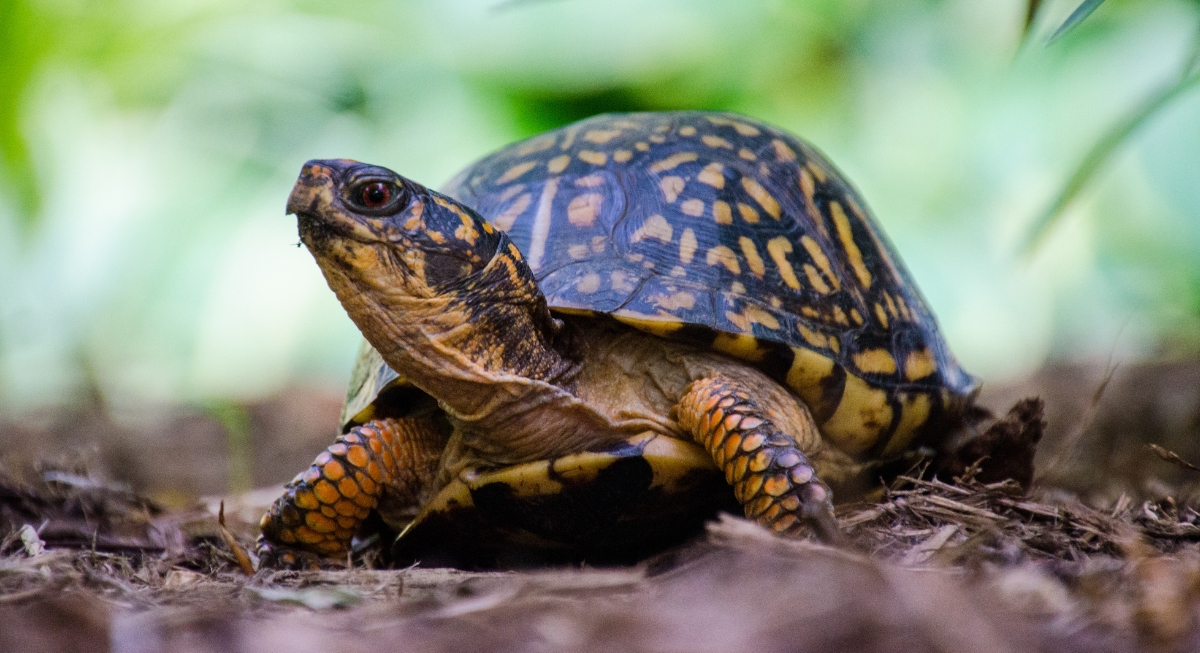
The Eastern box turtle has a documented lifespan exceeding 100 years in captivity, confirmed by the Smithsonian’s National Zoo. Adults in protected wild habitats can reach 40 to 60 years. Early captive death is sometimes linked to wrong humidity, poor diet, or inadequate thermoregulation. Correct UVB lighting, a varied diet, and the right substrate can fix those issues. Their lifespans mean they can easily be a multigenerational pet.
Koi
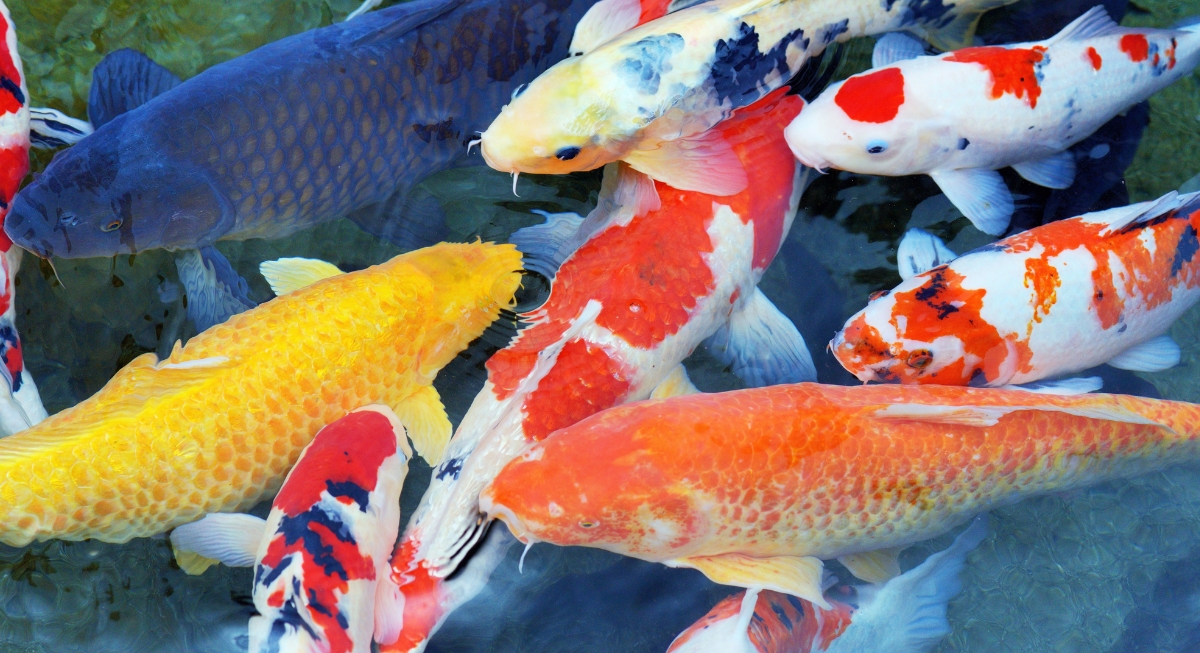
Credit: Getty Images
Koi are among the longest-living freshwater fish kept as pets, typically reaching 25 to 35 years in well-maintained outdoor ponds. Some Japanese high-quality bloodlines can exceed 40 years, while some unverified cases claim they can live up to 100 years. One threat to their lifespan is poor water quality. Without sufficient filtration, ammonia accumulates and damages organs, shortening the lifespan that this fish could otherwise have lived.
Umbrella Cockatoo
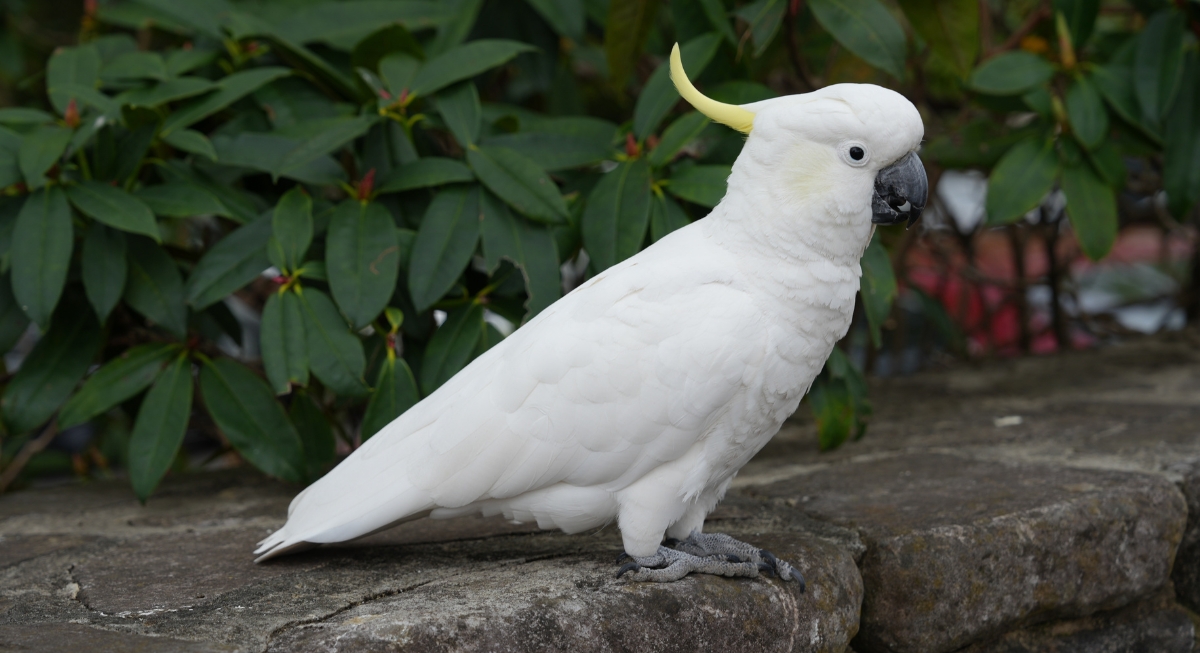
Credit: pixabay
In captivity, umbrella cockatoos live 40 to 60 years, with exceptional individuals in ideal conditions reported past 70. Guides calling for constant stimulation are correct, as social deprivation can cause feather-destructive behavior. Another area worth looking at is diet. Some of them are fed seed mixes high in fat and nutritionally incomplete. Vets consistently recommend pellets, fresh vegetables, and limited fruit.
Horse
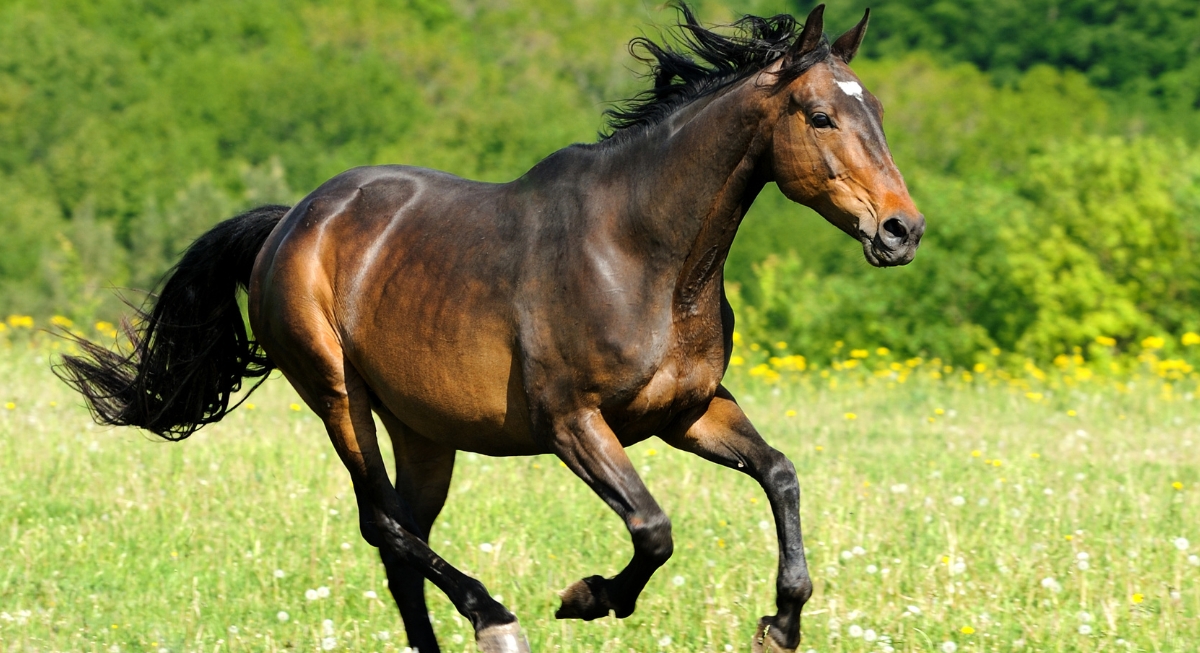
Credit: Getty Images
Dental disease is one of the causes of decline in older horses, per UC Davis and the Merck Veterinary Manual. Horses have teeth that erupt throughout life, and once those wear down, they may struggle to chew forage and maintain condition. Domestic horses average 25 to 30 years, and those that fall short sometimes have dental histories that explain the shorter lifespan. The Guinness World Record is 62 years, set by a barge horse in 18th-century England.
Macaw
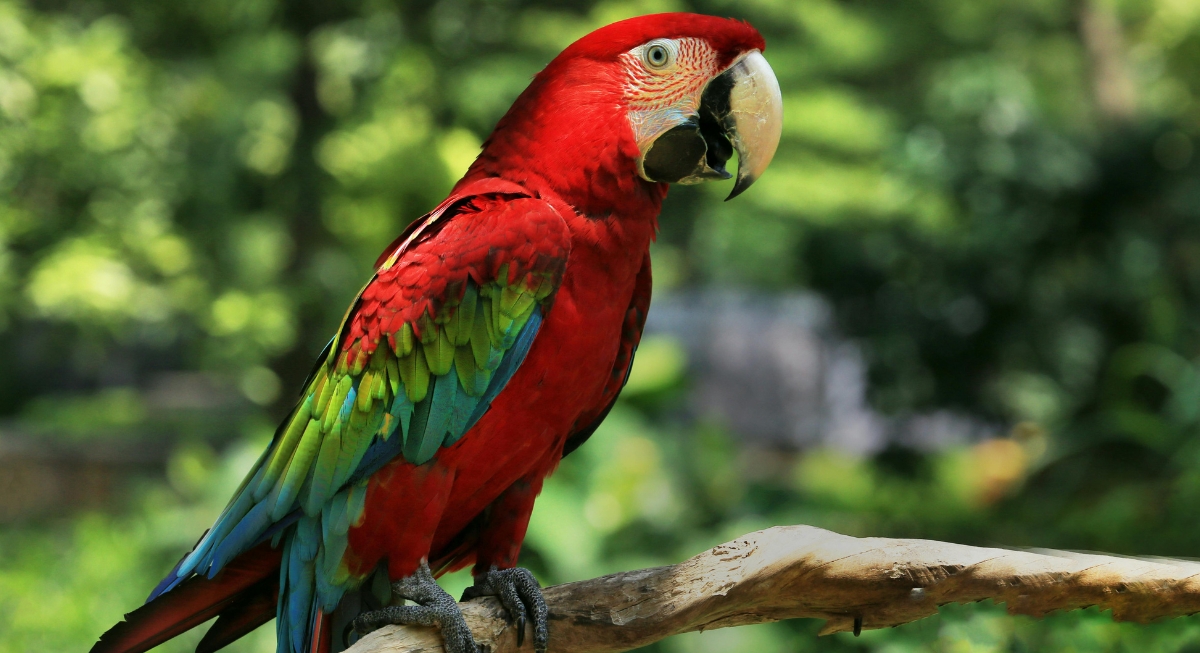
Credit: pexels
Buying a macaw can be like signing a 50-year lease. Well-kept individuals across the 17 species can outlive their owners in captivity. Interestingly, the lifespans of some wild macaws can reach 60 years. Cookie, a Major Mitchell’s cockatoo, lived up to 82 years. In some long-lived cases, diet is a variable as owners prioritize quality pellets, fresh produce, and limited fatty seeds.
Leopard Gecko
Credit: Getty Images
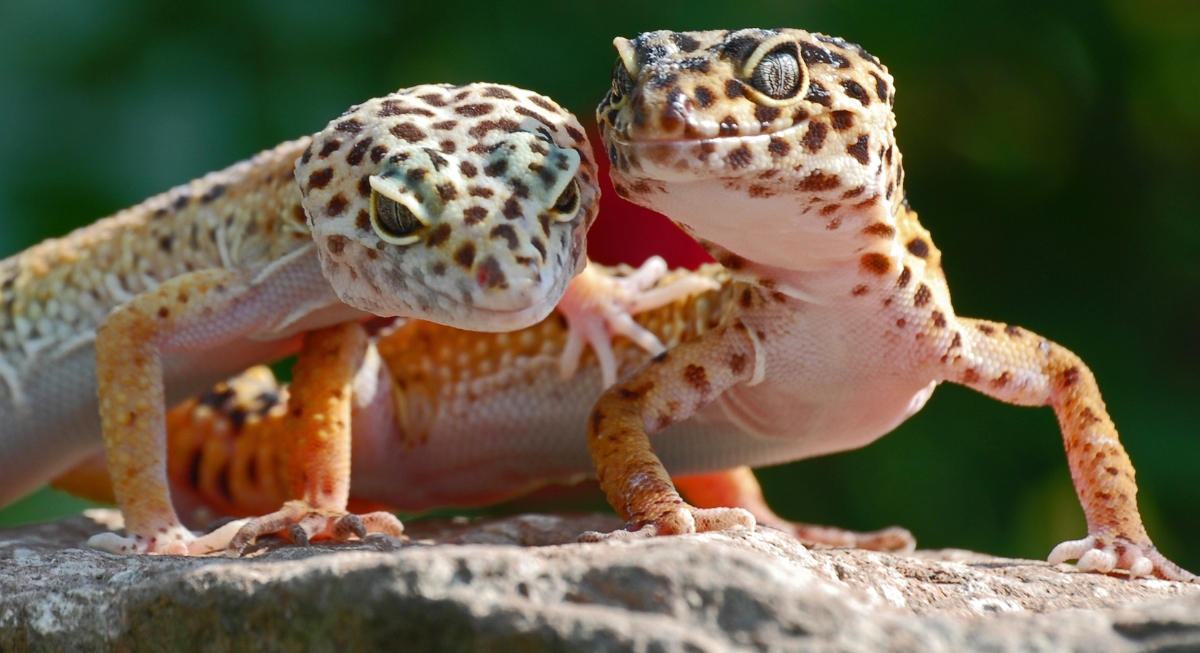
Some guides recommend sand as a substrate for leopard geckos, even though it can sometimes kill them. Geckos sometimes ingest it while feeding, which can contribute to fatal impaction. A solid or tile surface eliminates that risk. With the correct setup, some geckos have passed 28. While UVB was long considered optional, recent husbandry research increasingly recommends low-level exposure.
Seychelles Giant Tortoise
Credit: Canva
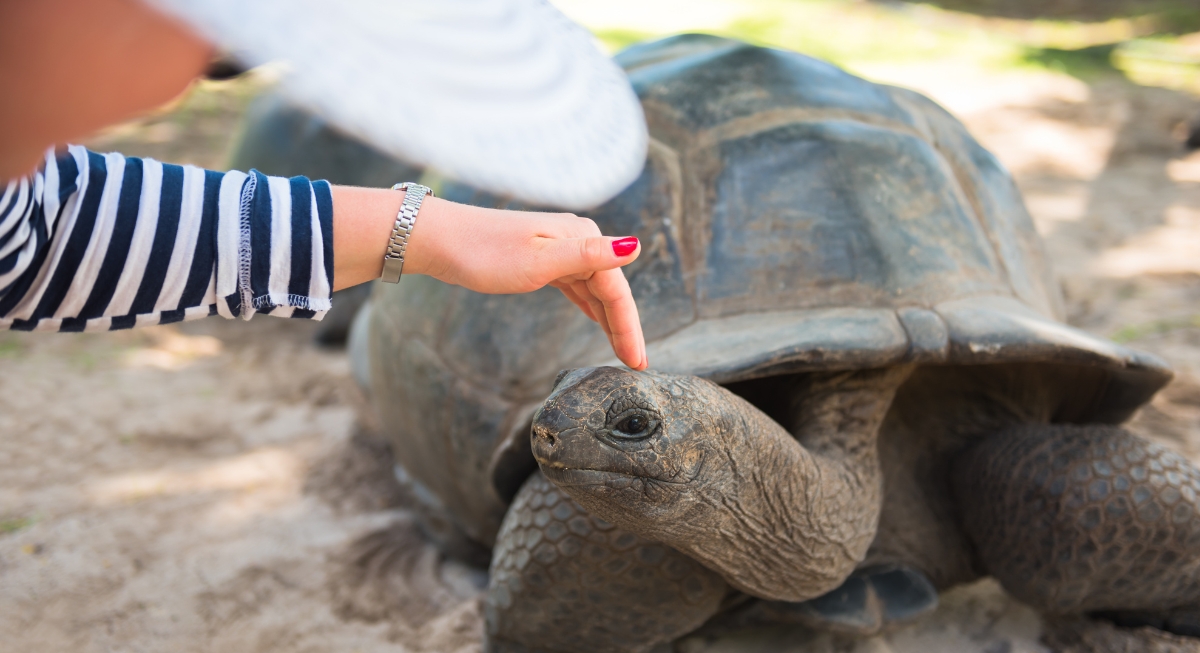
Jonathan, a Seychelles giant tortoise, arrived on Saint Helena Island in 1882, already fully grown, placing him at least 50 years old. He celebrated his official 193rd birthday on December 4, 2025, per Britannica and Guinness World Records, making him the oldest living land animal ever documented. His vet now hand-feeds him due to vision loss. The species commonly exceeds 100 years.