10 Pets That Can Sense Their Owner’s Mood Changes Before Anyone Else
Some pets pick up on emotional shifts faster than the people around you. A small change in tone, posture, or routine can be enough for them to react. This sensitivity comes from a mix of instinct and familiarity built through daily interaction. It doesn’t show up the same way in every animal, though. Each one responds differently, which is what makes these reactions noticeable in the first place.
Dogs

Credit: pixabay
Labrador and Golden Retrievers often read the room better than most humans. Dogs can interpret facial expressions and vocal tones, which helps explain why they react quickly to sadness or tension. When your voice is low, or your posture is slumped, a dog may nudge you gently or rest their head quietly on your lap. For that reason, these breeds are widely used as therapy and service animals.
Cats
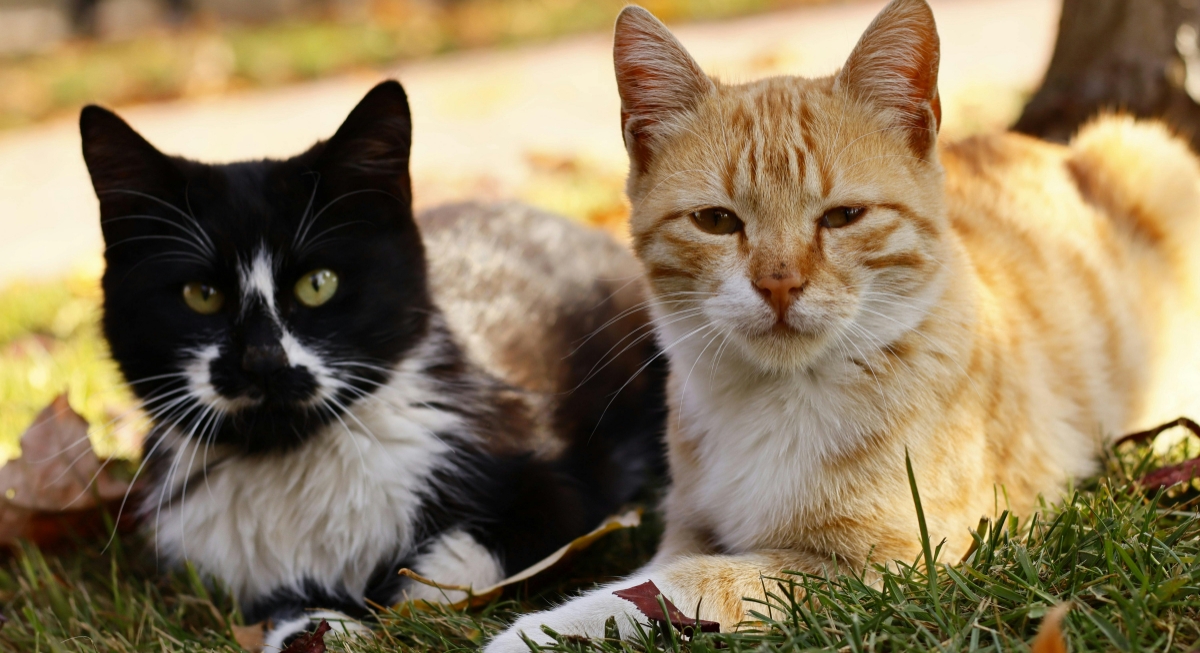
Credit: pexels
Research suggests cats recognize their owner’s voice and respond to emotions, even if it’s subtle. Their sensitivity may also involve the scent of chemical changes linked to fear or stress. Many cats gravitate closer and purr softly during quiet, low-energy moments.
Rabbits
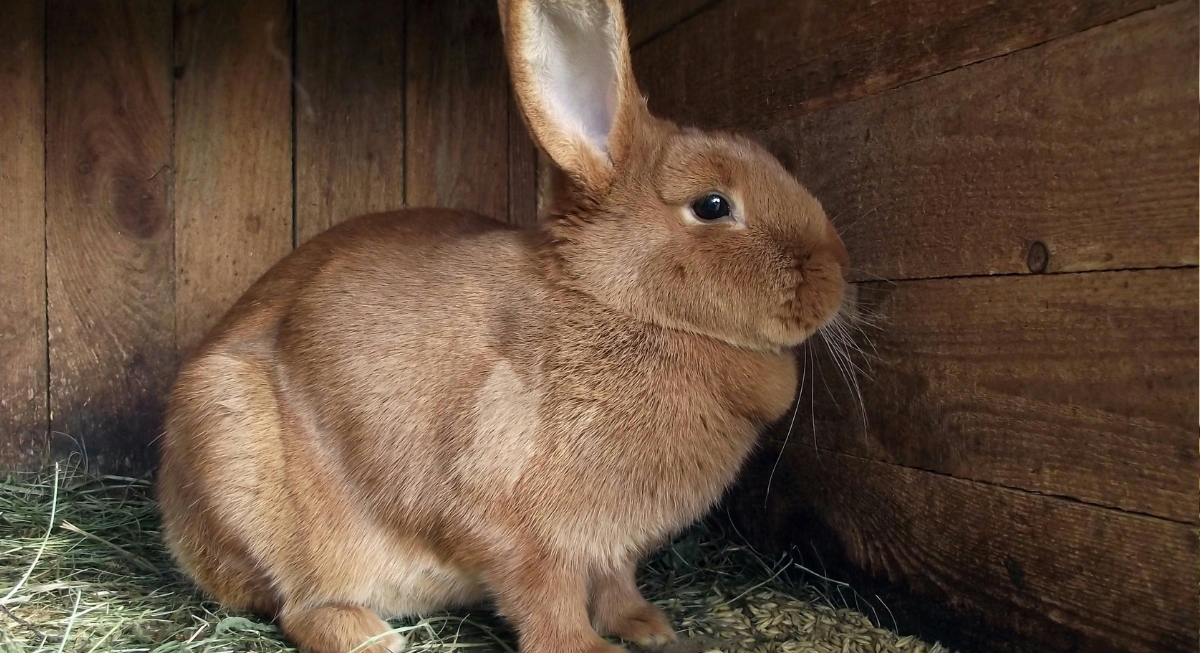
Credit: pexels
Many owners notice rabbits mirroring the atmosphere, either resting during peaceful moments or staying cautious when things feel off. A rabbit can hear more than double the frequencies humans can. This means they can hear the subtle sharpness or tremor in your voice that you might not even notice yourself. While they don’t show affection in bold ways, if a rabbit licks your hand or nudges you, they are treating you as a member of their family and offering comfort.
Parrots & Cockatiels
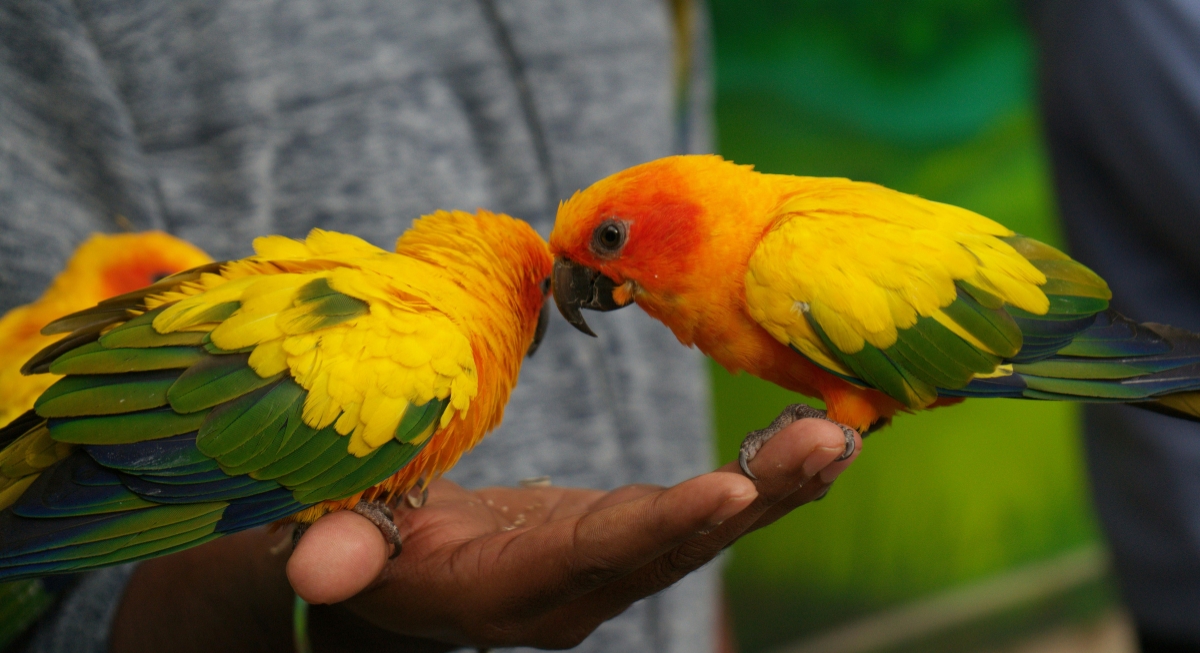
Credit: pexels
Parrots and cockatiels pay close attention to tone, rhythm, and body language. They possess cognitive abilities similar to those of young children, especially in communication. With training, they can even associate certain moods with specific actions. Their strong social instincts make interactions feel more like a conversation than simple pet care.
Guinea Pigs
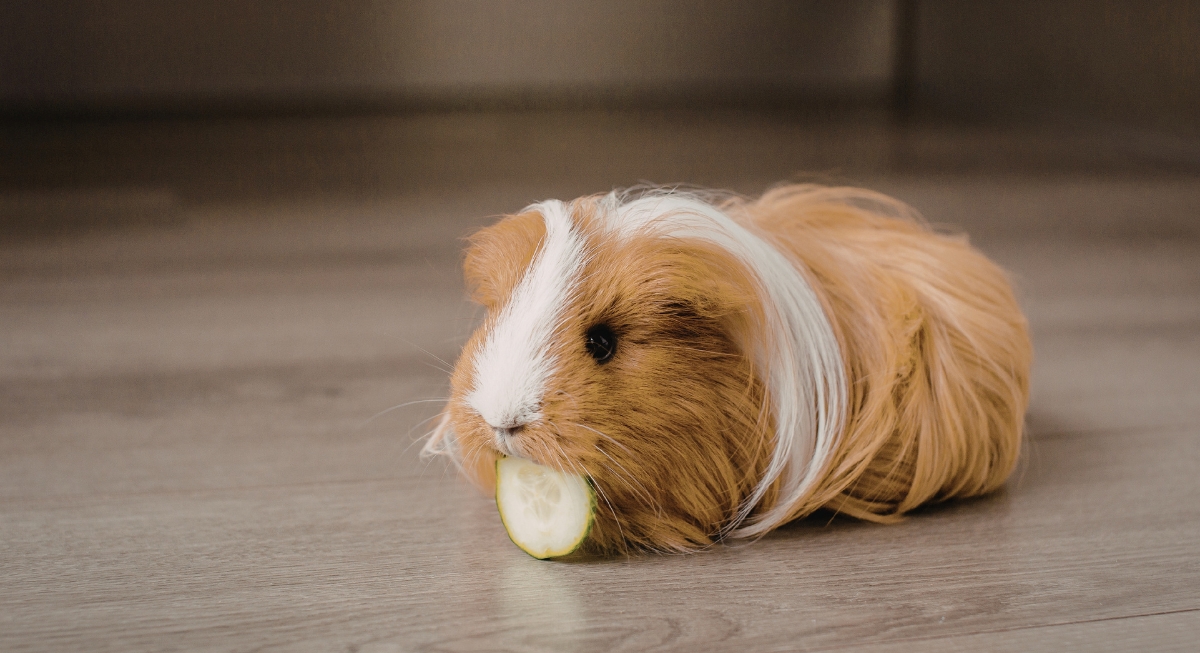
Credit: Canva
Guinea pigs thrive on interaction and quickly tune in to the vibe around them. In a relaxed, happy home, they often show excitement through quick, joyful jumps that look like tiny celebrations. This is called popcorning. A calm, steady presence encourages them to stay active and engaged. While small in size, their reactions can reflect the space’s overall mood.
Ferrets
Credit: Canva
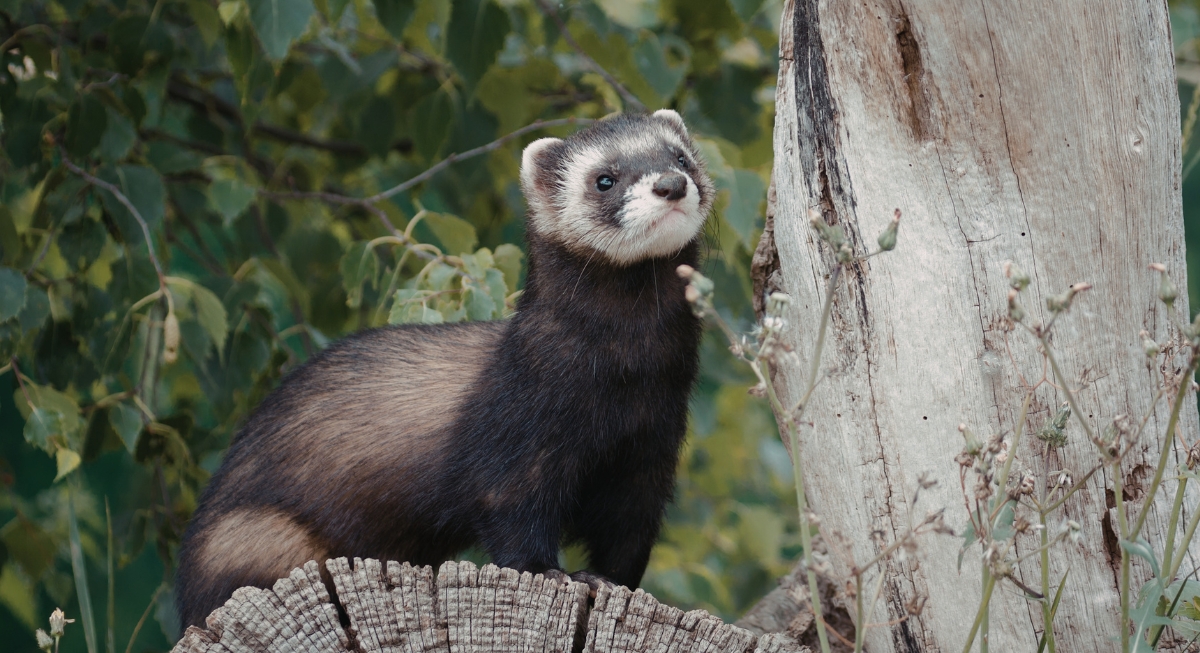
Ferrets tend to notice when the energy around them drops. They often respond by becoming more active, pulling you into play or exploring something nearby. That reaction comes from their curiosity and social nature. Instead of staying still, they try to shift the moment through movement, which can make a noticeable difference in how the space feels.
Horses
Credit: Getty Images
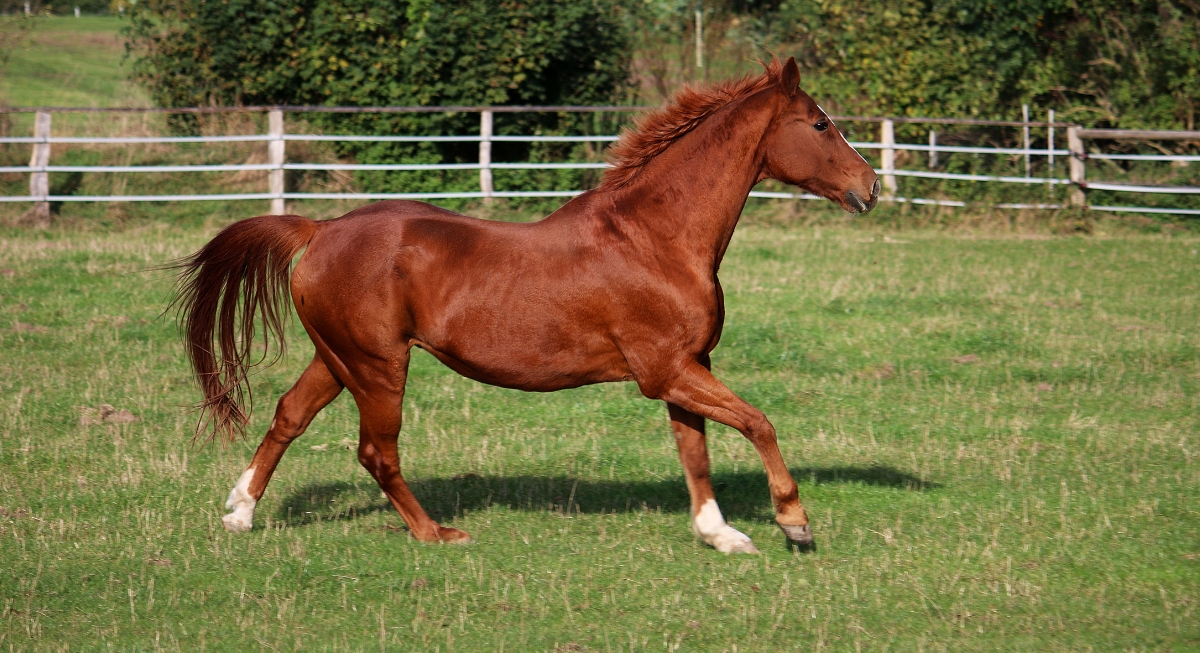
Horses are highly responsive to small changes in people. They pick up on posture, breathing, and facial expression, and often mirror what they sense. When someone is tense, a horse may become unsettled. A steady, relaxed presence usually brings a calmer response. This level of awareness is one reason horses are used in equine-assisted therapy, where reading and responding to human emotion is part of the work.
Pigs
Credit: Getty Images
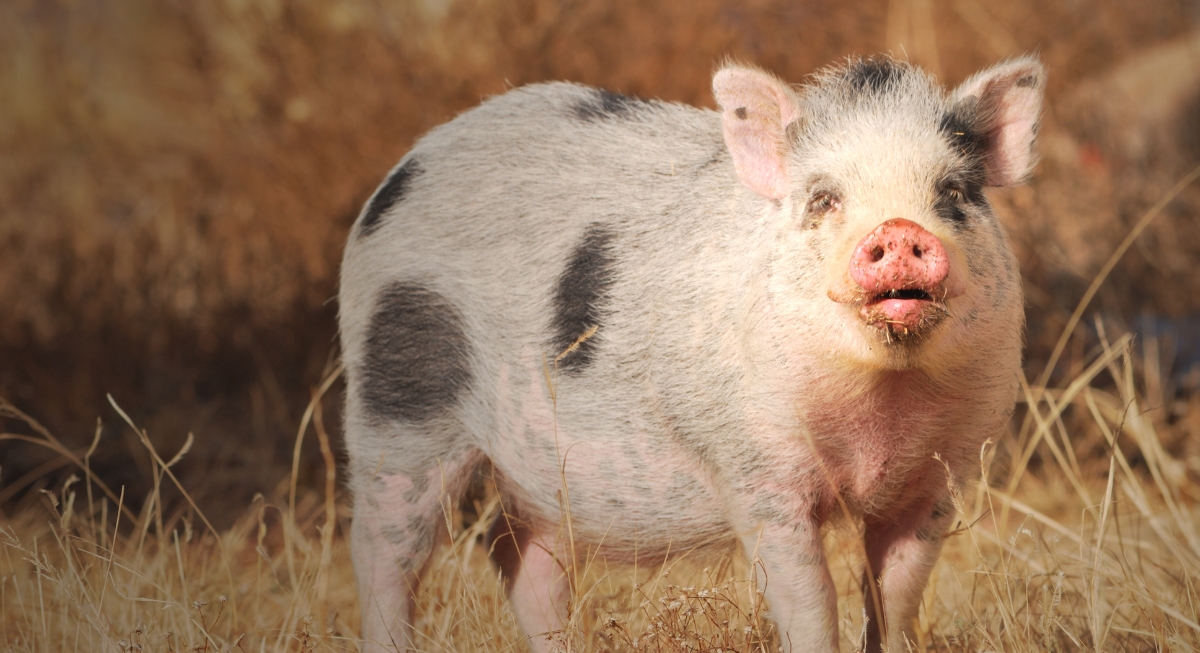
Pigs rank among the most intelligent domesticated animals. Pigs can recognize voices, remember routines, and respond to changes in behavior. Your mood often influences how they interact, whether that means seeking attention or keeping a distance. Their strong memory helps them connect patterns, including emotional ones, over time. Owners often describe them as perceptive companions who quickly pick up on daily rhythms.
Llamas & Alpacas
Credit: Getty Images
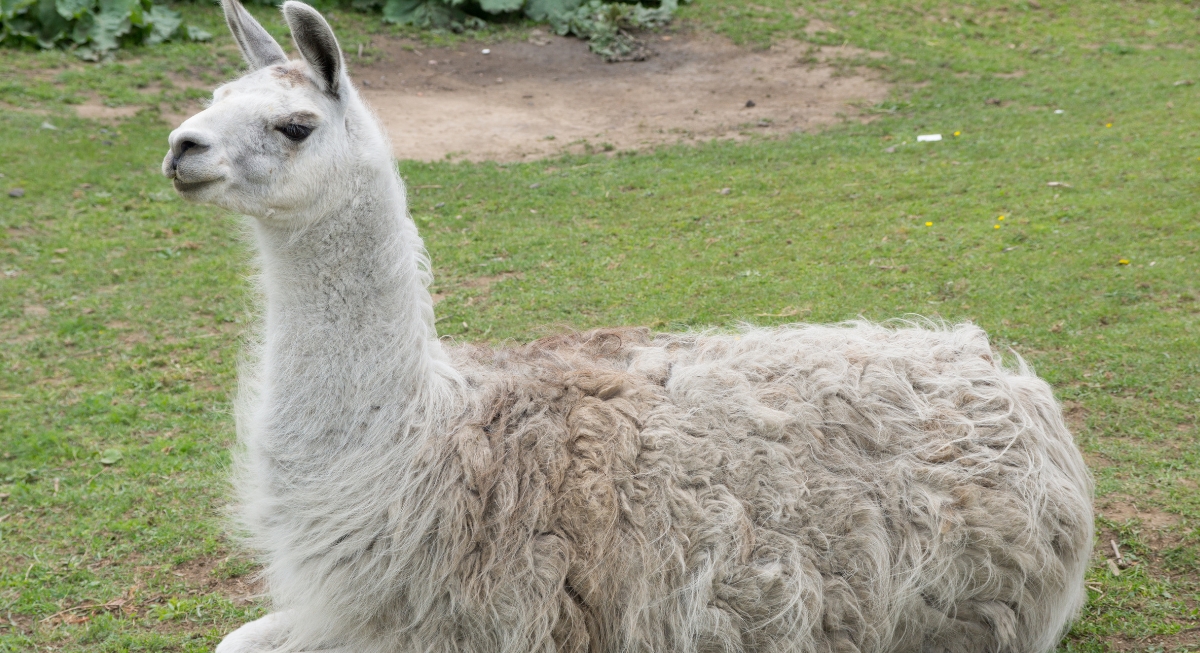
Llamas and alpacas carry a calm presence that makes them popular in therapy settings. They react to human energy in subtle ways. Their herd instincts play a role, as they naturally observe and respond to changes within a group. They don’t overwhelm you with attention; instead, they give people space to settle without pressure.
Rats
Credit: pixabay
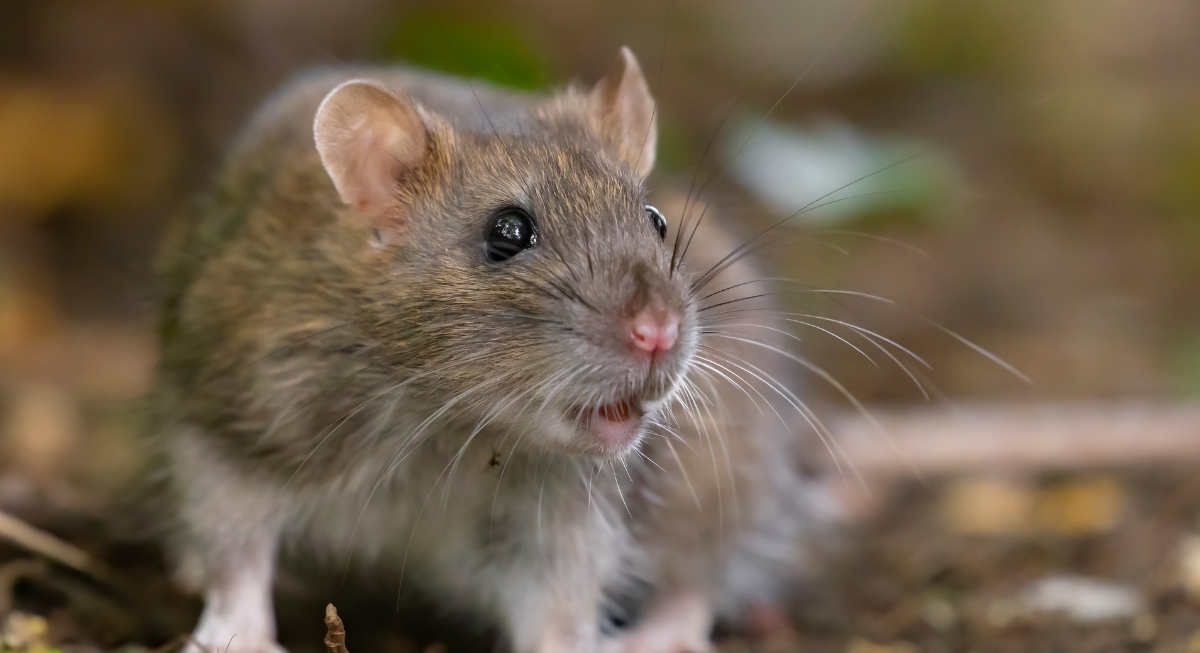
Far from the stereotypes, these small animals offer a level of connection that feels thoughtful, attentive, and comforting. People are often surprised by their social intelligence and emotional sensitivity. Rats display empathy and will even help other rats in distress. This also extends to human interaction. Owners frequently notice how responsive they are to daily moods.