Plane Grounded for Four Days After 132 Hamsters Escaped
On November 13, 2024, a TAP Air Portugal Airbus A321neo flew from Lisbon to Ponta Delgada Airport on São Miguel Island in the Azores. The jet carried passengers and luggage as usual, along with a shipment of small animals bound for a pet shop. That cargo included 132 hamsters, along with ferrets and caged birds. The birds and ferrets stayed where they belonged, but the hamsters did not.
When baggage handlers started unloading animal transport boxes after landing, they spotted a problem: the containers meant to hold the hamsters appeared damaged and were not holding much of anything. Reports said the cages were empty, and ground staff then noticed hamsters moving around inside the cargo hold. The moment stopped being and turned into an operational headache.
Why A Few Ounces Can Ground An Airbus
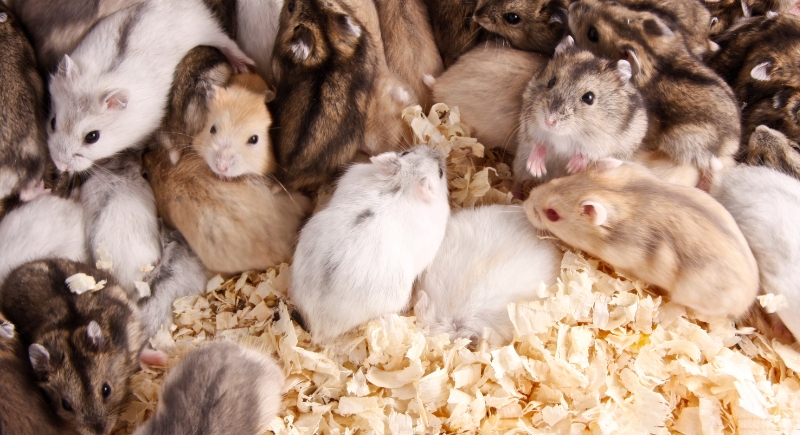
Image via Getty Images/Karl Barrett
A hamster weighs next to nothing, so the immediate reaction might be to laugh and move on. But airlines do not get that luxury. Loose rodents can create a real aircraft risk. They can chew through wiring and cables, and a modern jet has many critical systems routed through tight spaces. Even minor damage can trigger bigger inspections, repairs, and delays.
Hamsters can squeeze into tiny crevices and structural gaps inside an aircraft, which means recovery crews cannot move quickly or take shortcuts. That’s why the A321neo got pulled out of service after arrival. The airline and airport teams needed every hamster accounted for before the plane could safely resume normal operations.
Four Days Of Searching And Counting
Crews spent about four days tracking the hamsters down inside the aircraft. Reporting indicated that after several days of searching, 16 hamsters were still at large, which shows how hard it was to find every last one.
Different outlets described handlers catching hamsters with gloves and retrieving them from small gaps in the plane’s structure. Not every photo or clip shared publicly got independent verification, but the central timeline was consistent across reporting: the aircraft was grounded while staff worked until the final count matched the shipment paperwork.
Once crews had captured all 132, the A321neo finally moved again, but it did not return to normal passenger service. The aircraft flew back to Lisbon on a ferry flight, carrying no passengers. Flight tracking data showed a special return trip of roughly 902 miles across the Atlantic route, arriving around early afternoon on the day reported.
The Important Cargo Detail
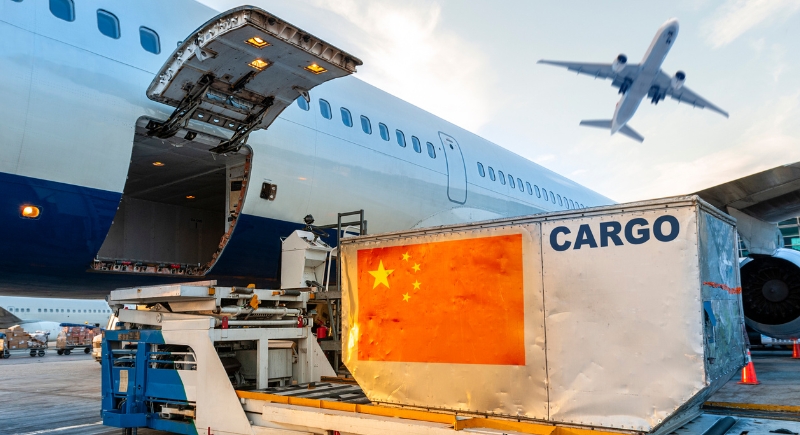
Image via Getty Images/Ugurhan
One report added a detail that explains how this even got allowed to happen: sources said the animal shipment had been rejected on an earlier flight because the cages did not meet standards, then later accepted.
That claim sits in the “reported by sources” category, but it fits the chain of events. In aviation, cargo rules exist because small gaps turn into big problems at 35K feet, or even parked on the ground when something escapes into an aircraft’s interior spaces.
Also, this was not the first hamster-related grounding to make headlines. A similar incident reportedly happened in 2017 involving a cargo plane and escaped hamsters. It’s rare, but it’s proof that live animal shipping comes with its own set of risks.