10 Plants That Attract Hummingbirds and Butterflies to Your Garden
A garden feels different when hummingbirds and butterflies keep returning to it. Their presence depends on a steady supply of nectar, which comes down to the plants you grow and when they bloom.
Some flowers produce more usable nectar than others, and not all of them bloom at the same time. Choosing the right mix helps maintain consistent activity, so hummingbirds and butterflies keep moving through your garden rather than appearing only occasionally.
Morning Glory
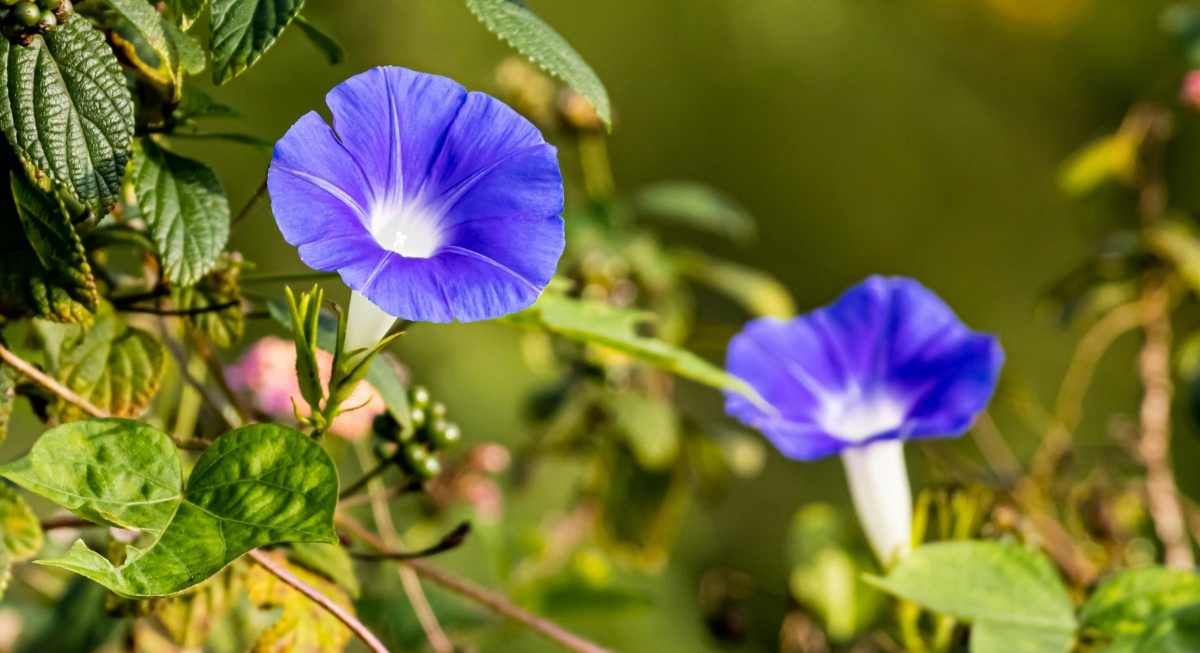
Credit: pexels
Morning glory grows upward instead of spreading across the ground, which helps you use vertical space more effectively. It climbs along fences, trellises, and other supports, turning those areas into active parts of the garden. This adds another layer without taking up extra room. Even in smaller spaces, it creates more surface for flowers, which helps support more consistent activity from hummingbirds and butterflies.
Bee Balm
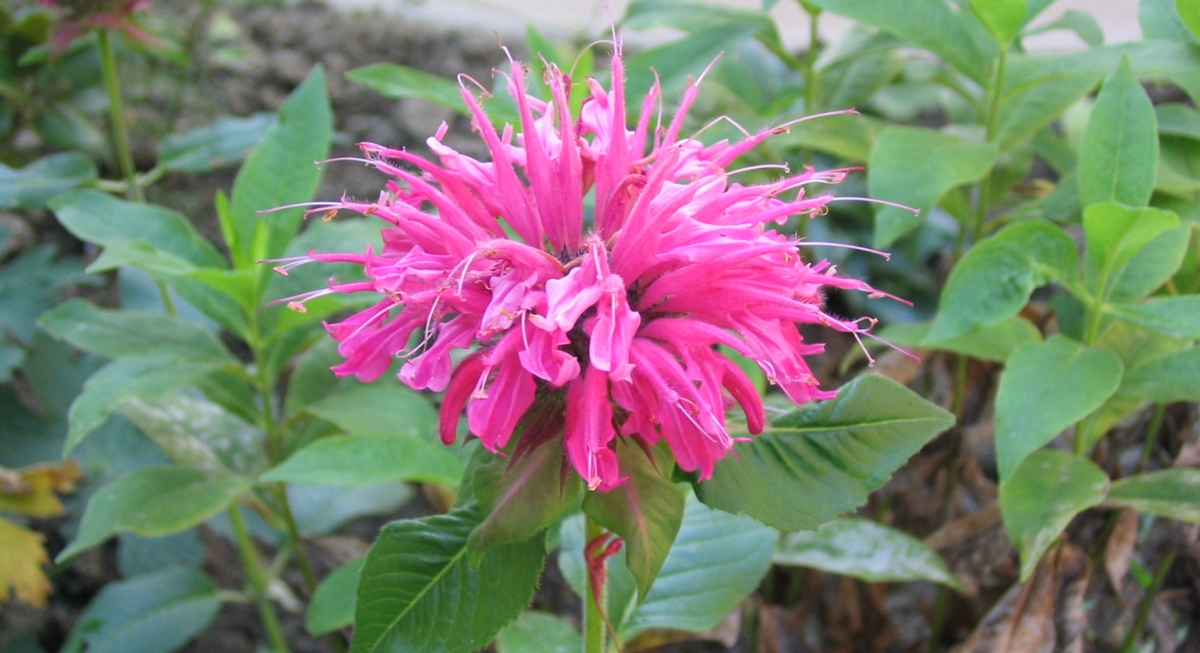
Credit: Wikimedia Commons
Bee balm has a long bloom period and continues to produce flowers even as many summer plants begin to fade. This steady flowering maintains consistent activity rather than short bursts followed by gaps, while its clustered growth draws hummingbirds and butterflies into one area and creates a stronger, more noticeable level of activity around the plant.
Columbine
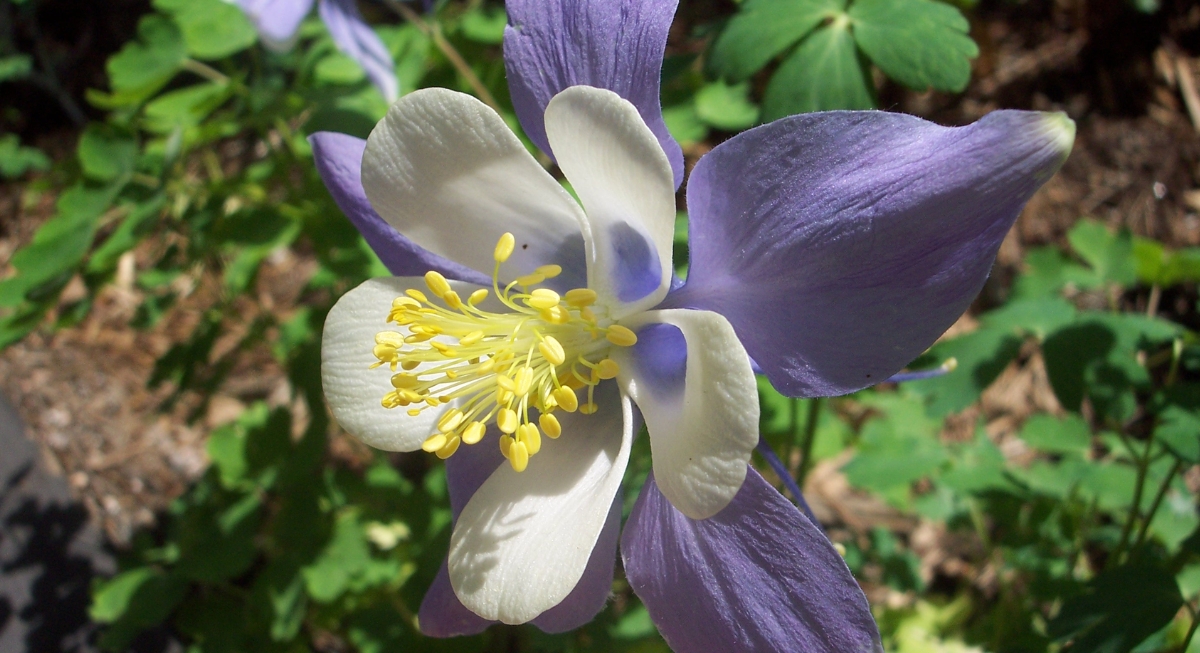
Credit: Wikimedia Commons
Columbine blooms earlier than most plants and covers a part of the season when few others are active. Even with fewer flowers, that timing makes it important because it provides one of the first reliable nectar sources. Hummingbirds depend on this early availability before butterflies and other pollinators begin to appear in larger numbers.
Zinnia
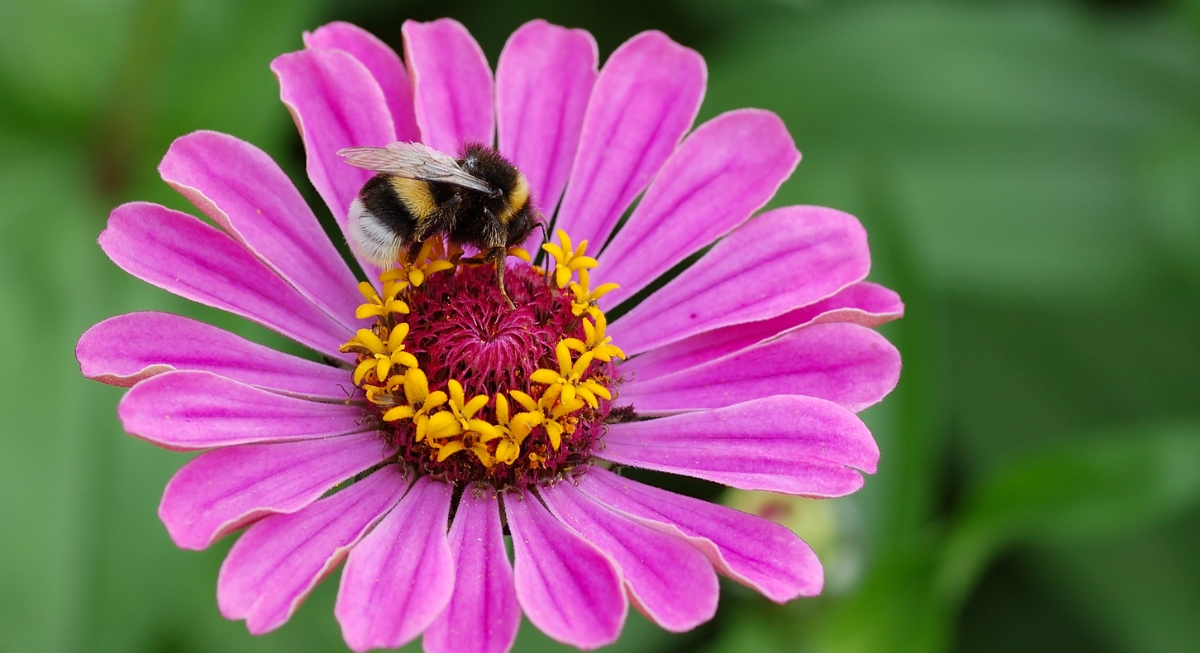
Credit: Wikimedia Commons
Butterflies are especially drawn to zinnias because the open flower centers make landing and feeding easy. This steady access keeps them returning as long as the plant continues to produce blooms. Zinnias respond well to regular cutting or deadheading, which encourages more flowers over time. With consistent care, you can increase the number of blooms and extend their lifespan.
Joe Pye Weed
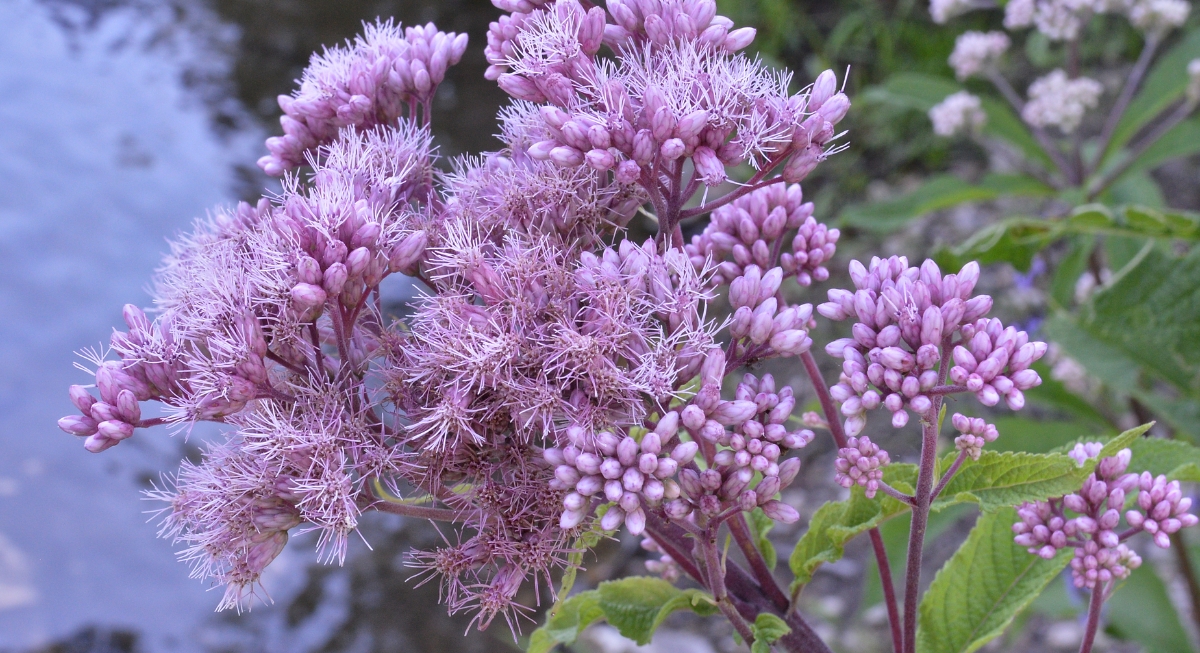
Credit: Wikimedia Commons
Visibility plays a larger role in attracting pollinators than most planting guides account for, and Joe Pye weed uses height to address that. Its tall structure and broad flower clusters make it easy to locate from a distance, making it a consistent reference point. Activity tends to gather around it because it stands out clearly among lower plants.
Goldenrod
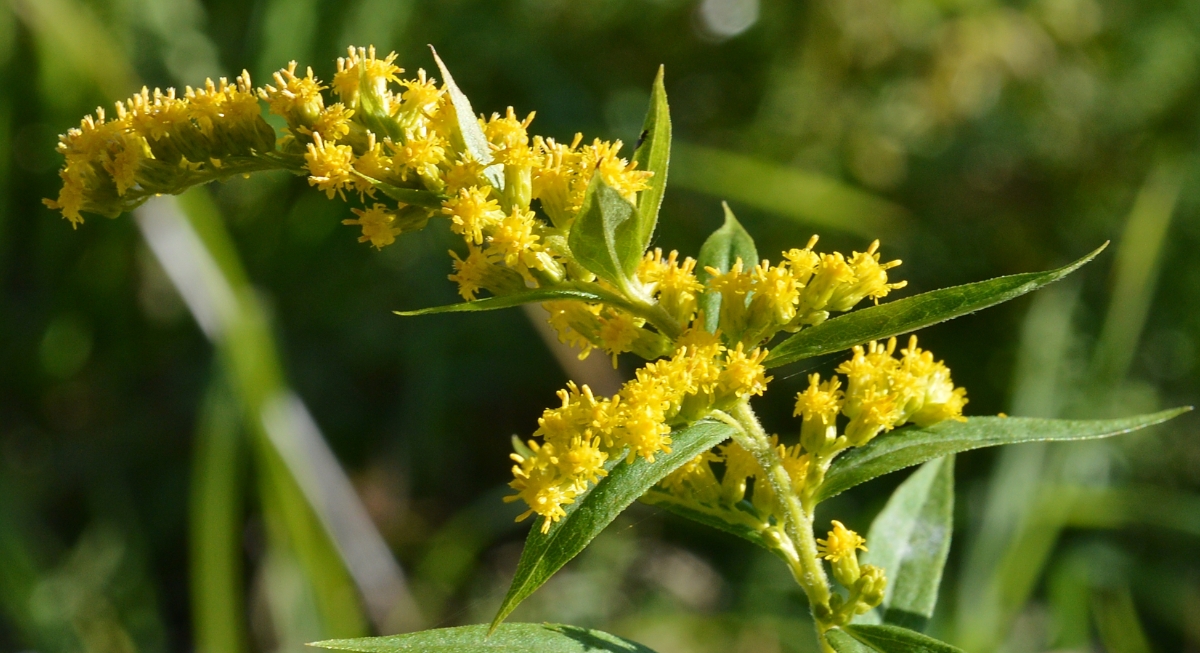
Credit: Wikimedia Commons
Late-season conditions reduce options, which is exactly where goldenrod becomes more important. It continues producing even as many other plants have slowed or stopped, shifting it from one of many sources to one of the few still active. With fewer options available, visits here become more concentrated, increasing its importance without requiring large planting areas.
Sedum (Autumn Joy)
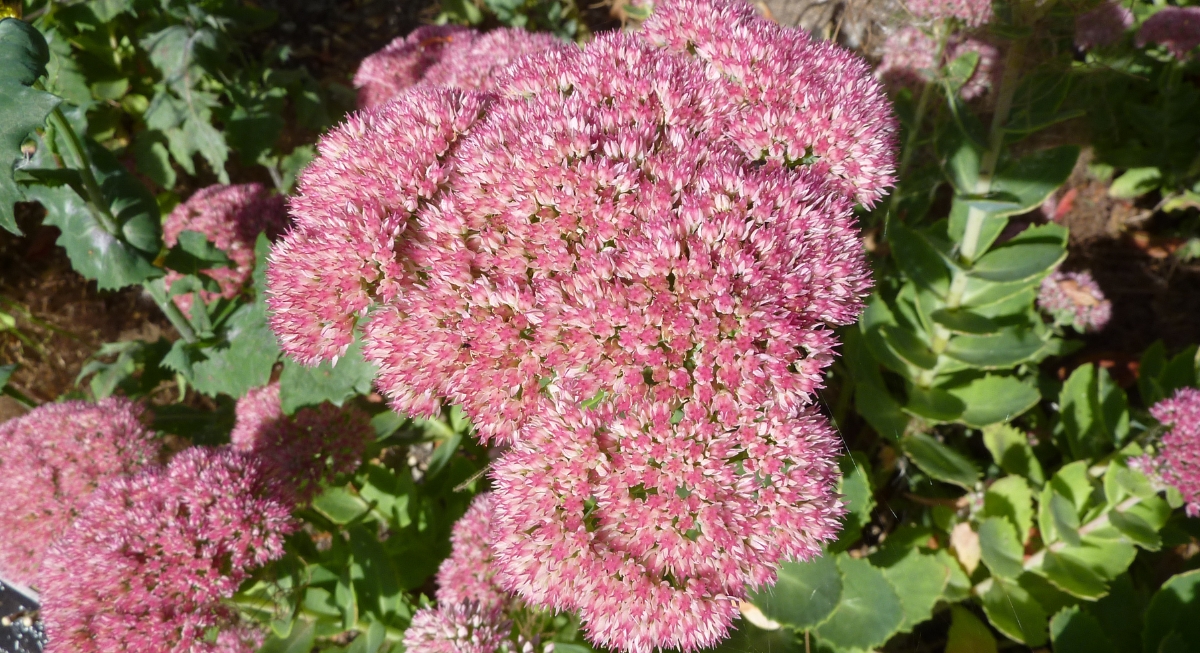
Credit: Wikimedia Commons
Conditions that reduce output in other plants tend to have less impact on sedum, largely because of its ability to retain moisture. When heat rises or watering becomes inconsistent, it continues developing blooms while more sensitive species slow down. That reliability is important for butterflies and makes it useful in gardens where conditions are not tightly controlled.
Red Salvia
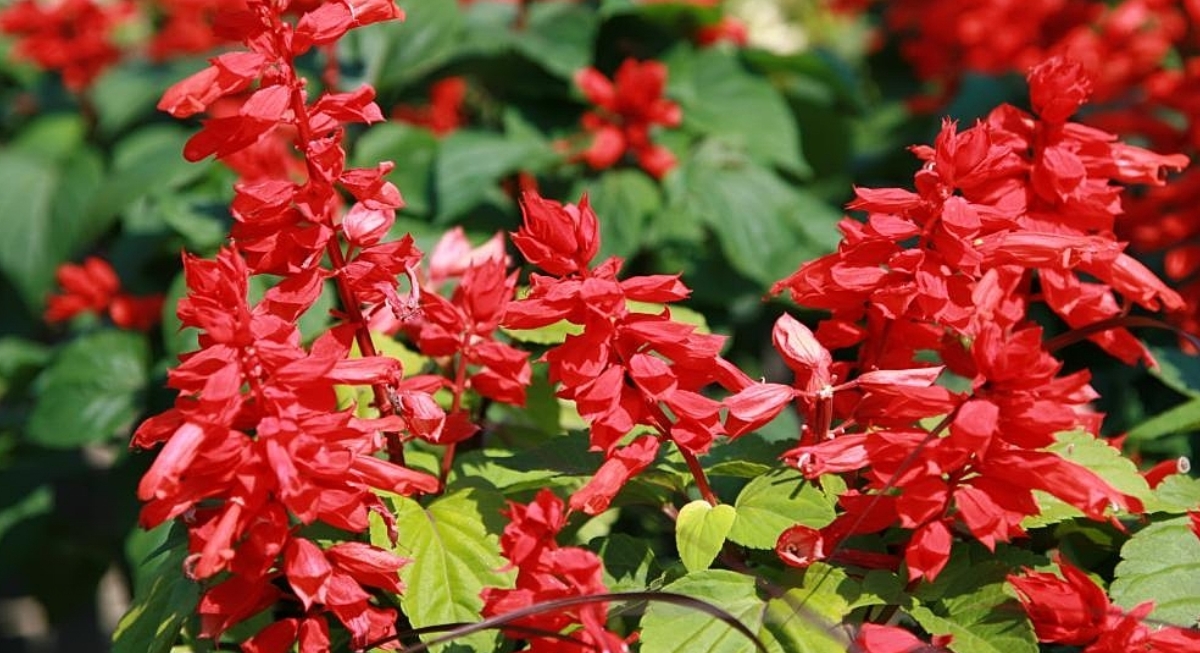
Credit: Wikimedia Commons
Red salvia produces multiple flower spikes that develop in stages instead of all at once. Hummingbirds are drawn to these repeated blooms because they provide ongoing access without interruption. As one spike fades, another takes its place. Each comes in at a different time, which spreads activity across a longer period without requiring extra maintenance
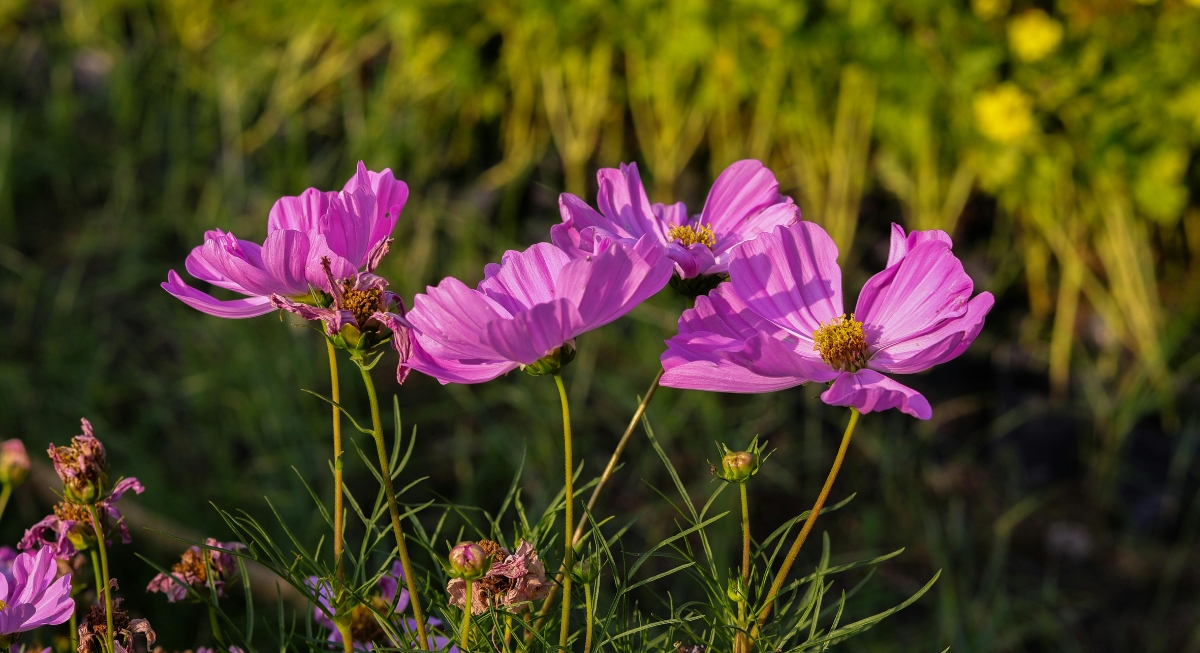
Cosmos
Credit: pexels
Self-seeding is what sets cosmos apart. Once planted, it can self-seed and gradually fill open spaces. This expands coverage without disrupting the rest of the layout and supports frequent butterfly visits across the garden. Interestingly, these plants actually thrive in poor soil; providing them with too much fertilizer or overly rich earth often results in lush green foliage but very few actual flowers.
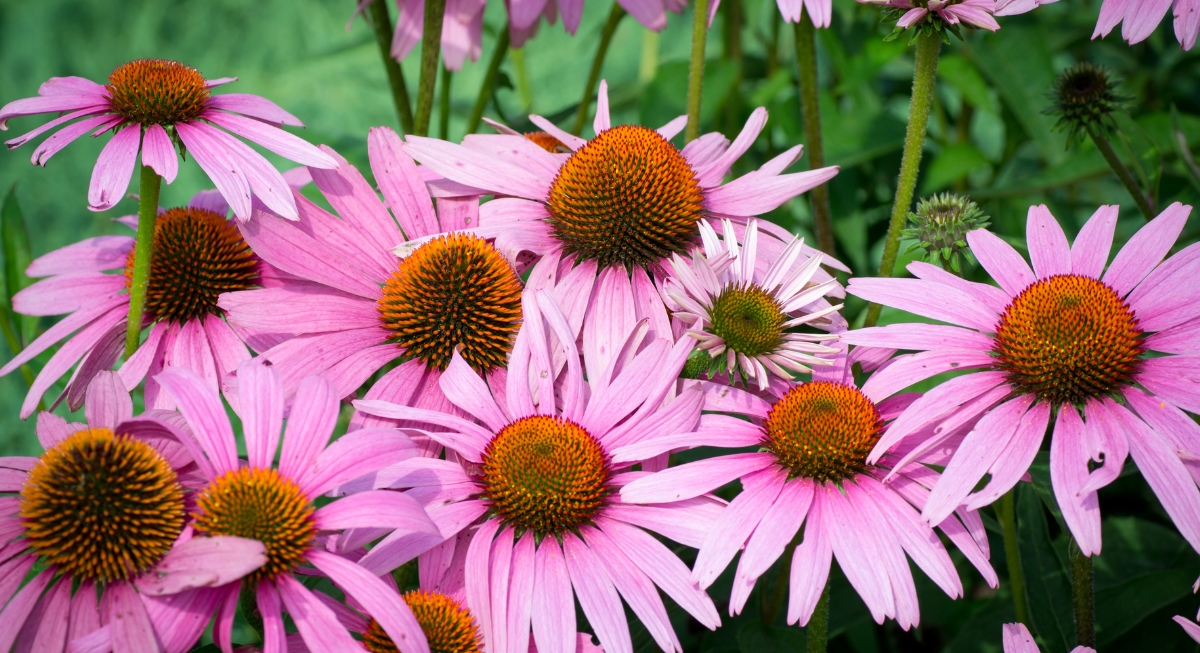
Purple Coneflower
Credit: Wikimedia Commons
The role of purple coneflower does not end when its petals drop, which is what makes it different from most flowering plants. Its seed head remains intact and becomes a usable food source for birds later in the season, extending its function beyond bloom when many other plants have already completed their cycle.