9 Positive Stories About Animals That Happened This Year
2025 was not an easy year for animals, but it did bring moments that genuinely mattered. In several places, real change came from steady pressure, solid science, and people refusing to let issues fade. Each of these stories reflects measurable progress. By the end of the year, animals in these cases were safer, healthier, or better protected than they were before.
Cage-Free Eggs Took a Big Leap in the US

Credit: Wikimedia Commons
Cage-free eggs jumped from 38.7% of the US market in December 2024 to 45.3% by September 2025. That shift spared about 20 million hens from spending their entire lives in small cages. Industry efforts to roll back state cage-free laws failed in court and Congress, which effectively locked in that progress.
Poland Shut Down Fur Farming
Credit: Getty Images
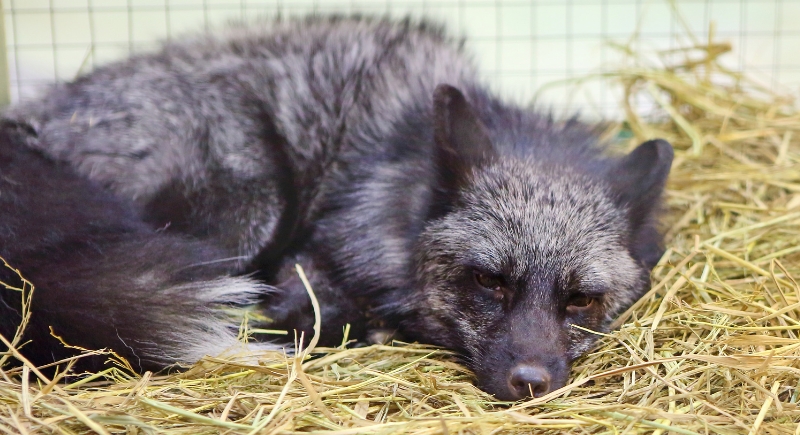
Poland, one of the world’s biggest fur-producing countries, pulled the plug by officially banning fur farming in 2025. The number of animals farmed for fur had dropped from 140 million in 2014 to 20.5 million by 2024, and the ban effectively completed the task. For foxes and mink, this meant no more tiny wire cages and no more killing for coats.
Pet Store Sales Bans Spread Across the Country

Credit: Wikimedia Commons
Cities kept saying no to puppy mills. More than 25 US jurisdictions banned pet stores from selling dogs, cats, and other animals in 2025, including Las Vegas, Denver, and Detroit. These laws cut off a major pipeline for animals bred in poor conditions, while shelters stayed overcrowded. Adoption rates tend to rise after these bans, which directly affects how many animals get euthanized.
Switzerland Forced Meat Labels to Tell the Truth

Credit: Wikimedia Commons
Swiss shoppers now get more information than most people ever see. A new law requires meat, dairy, and egg producers to disclose on packaging whether animals were mutilated without pain relief. Practices such as tail docking, debeaking, and dehorning are now clearly identified. The law did not ban the practices, but it changed what consumers see in stores.
Chick Killing Technology Finally Went Mainstream
Credit: Wikimedia Commons
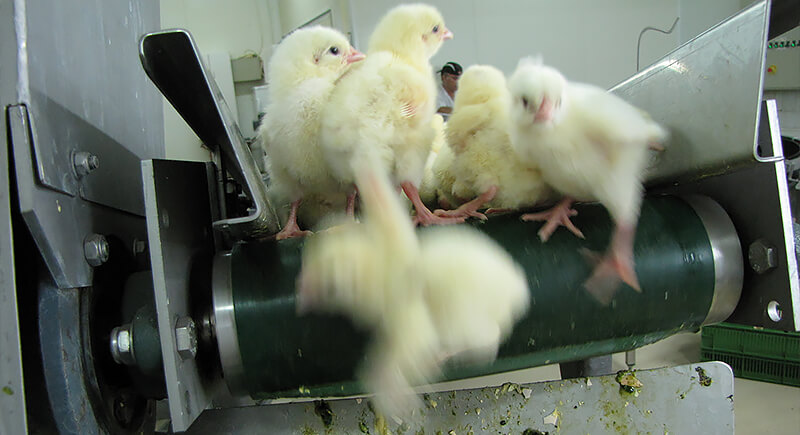
Every year, billions of male chicks are killed simply because they cannot lay eggs. In 2025, a long-awaited alternative moved into wider use. Across Europe, technology that identifies chicks while still inside the egg expanded quickly, with more than 25 percent of eggs scanned by spring. That change spared hundreds of millions of chicks from hatching only to be culled. The same technology also entered commercial use in the United States and Brazil.
A Wild Elephant Gave Birth After Being Orphaned
Credit: Game Rangers International
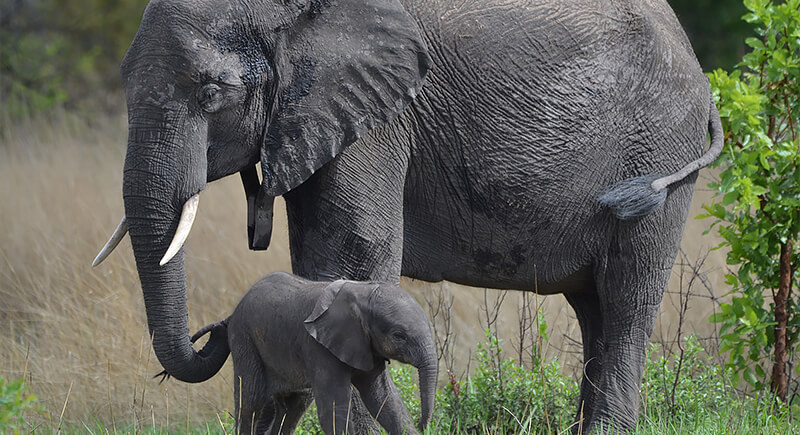
An elephant named Chamilandu was spotted guiding her newborn calf to stand on its own in Zambia’s Kafue National Park. She had been orphaned by poaching at 18 months old and later released back into the wild. This was her first calf born entirely free, surrounded by released and wild elephants. Conservation teams confirmed that the calf required no human assistance.
Bonobo Rescued From the Pet Trade Got a Second Shot
Credit: Facebook
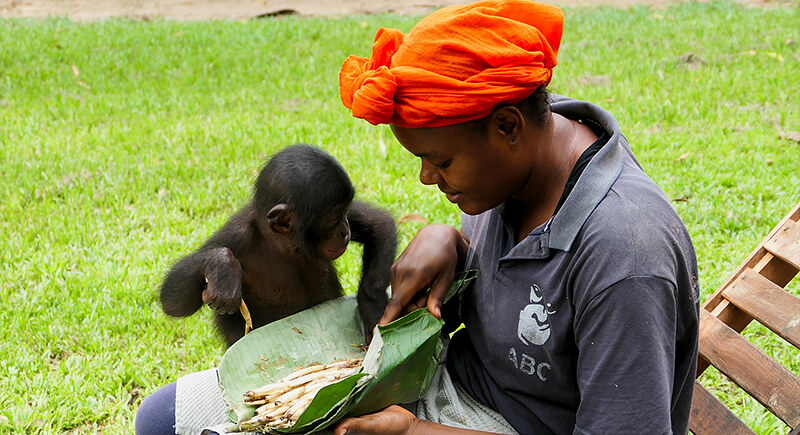
A three-year-old bonobo named Kamina was rescued from the illegal pet trade in the Democratic Republic of the Congo. She arrived at Lola ya Bonobo sanctuary underweight but stable. Bonobos are endangered, and each rescue matters for the species. Kamina began a multi-year rehabilitation process that is designed to prepare her for life back in the forest.
Dolphins Made It Back to the Atlantic
Credit: Wikimedia Commons
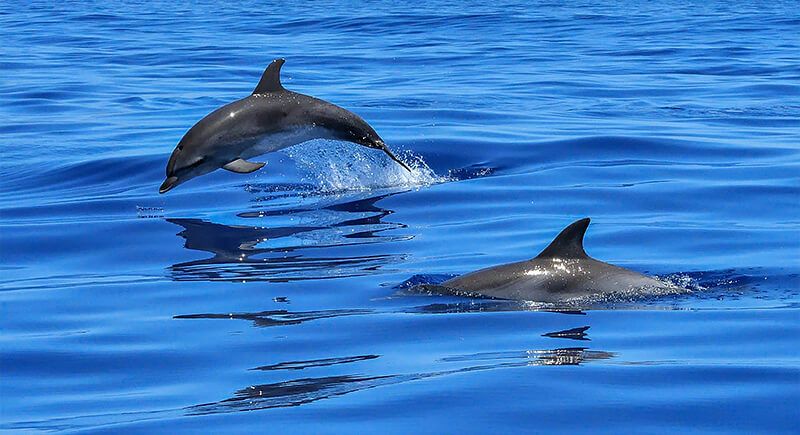
Dolphin strandings returned to Cape Cod in 2025, but the results were more hopeful. Rescue teams responded to several common dolphin strandings near Wellfleet, Massachusetts. Multiple dolphins were stabilized, transported, and successfully released, including one fitted with a satellite tag that later confirmed healthy movement offshore. An upgraded rescue vehicle helped teams move faster and improve survival during the response.
Leopard Cats Went Home in India
Credit: Youtube
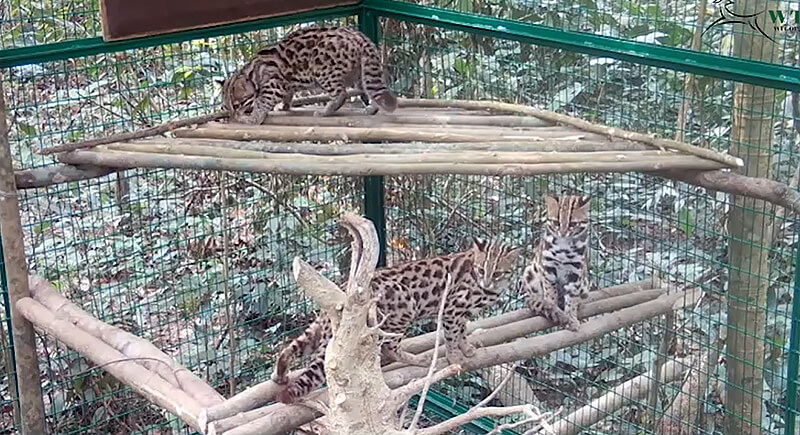
Three orphaned leopard cat kittens rescued in Arunachal Pradesh completed rehabilitation in 2025. After months of care, they were released into the Pakke Tiger Reserve using in-situ acclimatization methods. These cats are small, elusive, and rarely in the spotlight, but their return showed that science-based rescue works even for lesser-known species.
The High Seas Treaty Cleared a Major Hurdle
Credit: Wikimedia Commons
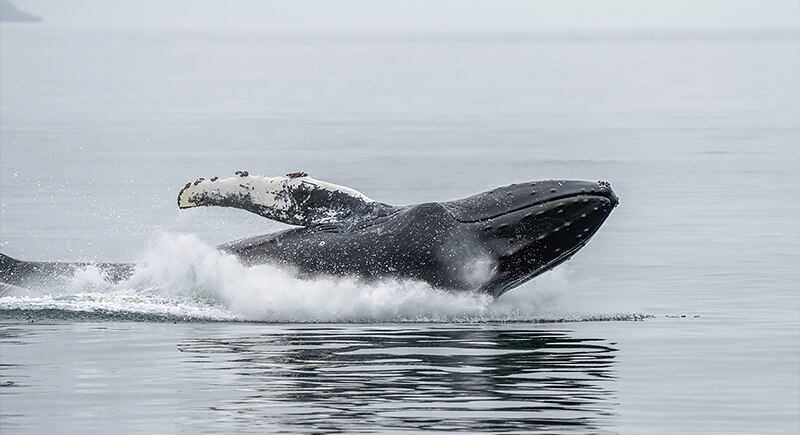
Ocean protection got closer to reality. The High Seas Treaty reached the number of ratifications needed to move toward entry into force in 2025. Once active, it allows protected areas in international waters for the first time. That matters for whales, dolphins, seabirds, and other species that move far beyond national borders.