10 Scientifically Proven Benefits of Letting Your Dog Sleep in Bed
What we all want at the end of a long and tiring day is a sense of comfort and calm, and letting your dog climb into bed can seem like the simplest way to get it. It may feel simple, yet that routine can support both your body and your mind in ways that extend beyond basic comfort.
Researchers have examined hormone levels, heart patterns, immune responses, and sleep data in households that share beds with pets. The benefits go far beyond emotional warmth and companionship.
Improved Heart Health

Credit: Canva
When you are sleeping with your dog, your heart responds positively to the psychological reassurance you feel at night. Studies show that dog ownership may help lower blood pressure, reduce resting heart rate, and improve cholesterol levels. Close physical contact helps release oxytocin, which relaxes blood vessels and supports a smoother heart rhythm.
Lower Nighttime Stress Levels

Credit: Canva
Turning off the lights does not instantly quiet your stress response. Cortisol can remain high long after the workday ends. However, data show that proximity to a trusted pet supports hormonal balance, which is linked to emotional regulation. As breathing slows and muscles loosen, your nervous system moves into rest mode.
A Sense of Security

Credit: pexels
We all know dogs can smell things we never notice, but their hearing is just as impressive. Dogs detect frequencies far beyond human range and remain partially alert during rest. That biological awareness creates a practical advantage at night. Many owners feel more secure knowing their dog will respond to unusual sounds.
Fewer Nightmares for PTSD Sufferers

Credit: pexels
Clinical research highlights strong results for people managing PTSD. One study involving veterans found that a significant number experienced fewer nightmares after allowing their dogs to sleep nearby. Your furry companion detects changes in breathing, heart rate, and body chemistry linked to distress. Some respond by nudging or waking their owners.
Support for Chronic Insomnia

Credit: Getty Images
Insomnia often begins when stress or anxiety keeps the brain alert long after bedtime. The body feels tired, but the mind continues running through tomorrow’s tasks or replaying the day. Sleep specialists note that slow, steady breathing can signal safety to the nervous system. Some people with chronic insomnia report falling asleep more easily after allowing their dog to sleep beside them.
Reduced Loneliness in Single-Person Households
Credit: Canva
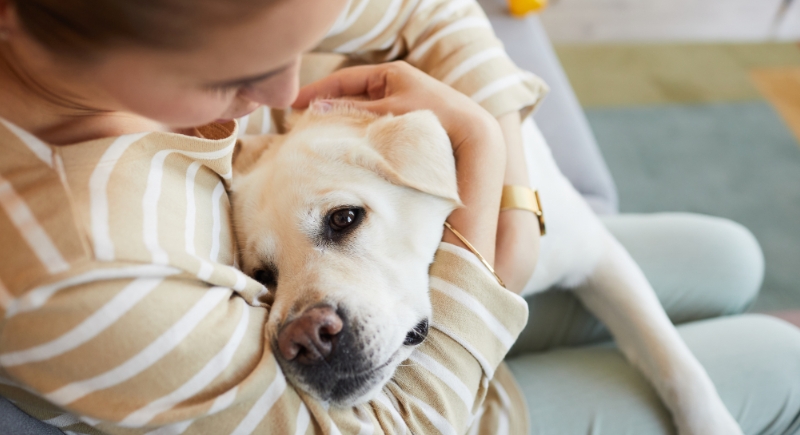
If you live alone, nighttime can feel longer and heavier than it does during the day. Silence tends to amplify small worries, and that feeling of isolation can trigger the release of stress hormones that interfere with sleep quality. But having your four-legged friend beside you allows the brain to read that presence as a social connection, which helps lower physiological stress responses.
Strong Sleep Efficiency Scores

Credit: Canva
Some people assume a dog will move around, stretch out, or change positions all night and leave them wide awake. On the other hand, sleep tracking and behavioral monitoring show that shared beds remain surprisingly stable. Minor movement can happen, but it rarely overrides the calming effect of close companionship, and overall rest remains consistent and restorative.
Immune System Strengthening in Children

Credit: Canva
Your child’s immune system learns through exposure, especially during the first year of life. Resting near a dog increases exposure to everyday microorganisms that help train the developing immune system. Experts suggest that early exposure supports stronger immune tolerance patterns later in childhood.
Lower Allergy Risk Later in Life

Credit: Canva
In addition to a stronger immune system, children may face a lower risk of developing allergies later in life when they grow up around dogs. Initial experiences like these are also linked to reduced sensitivity to dust mites, ragweed, and bluegrass. Repeated contact teaches the body to classify these proteins as harmless.
Stronger Bond and Greater Confidence
Credit: pixelshot
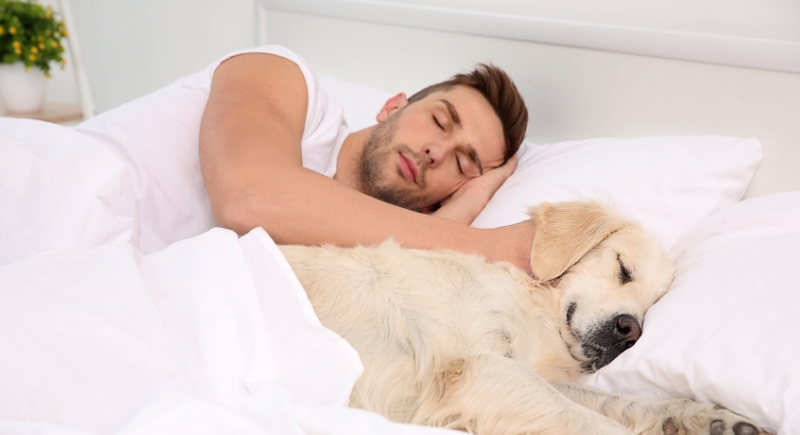
Dogs evolved as pack animals, so shared sleep fits their social wiring. Veterinary professionals have noted that well-behaved dogs who share beds tend to show strong trust. Owners frequently observe improved attentiveness during training sessions. Meeting emotional security needs at night can support calmer and more confident behavior during the day.